ALASTOR - GERMAN SHEPHERD DOG DOG FOR ADOPTION
German Shepherd Dog Dogs For Adoption in Cupertino, CA, USA
For Adoption
-
Nickname:
Alastor
-
Breed
-
Gender
Male
-
Age
-
Location
Cupertino, CA, 95015 USAUSA
Description
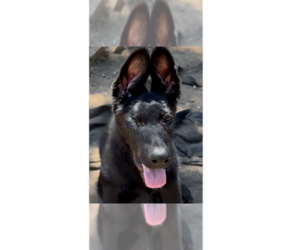
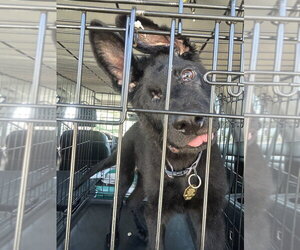
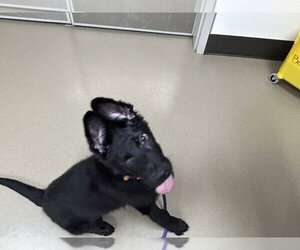
Dog Breed: German Shepherd Dog. Alastor was relinquished to the Peninsula Humane Society after suffering injuries from being struck by a vehicle. The injuries resulted in the loss of one of his eyes. GSRNC was asked to take Alastor in and one of our amazing fosters stepped up. Alastor is being well cared for, he is being given time to heal and grow a little, His foster parent will ease into working with his manners and skills as he learns more about Alastor each day. He is about 4 months old. Alastor is a level 4/4 and any adopter will need to be puppy approved.
-
Additional Information
Was the Dog Found No
Let PuppyFinder Help!
Save Time. Get The Right Match. Buy Puppy Safer.
CREATE A WANTED ADRescue Information
-
Organization name
German Shepherd Rescue of Northern California
-
Location:
Cupertino, California, 95015 USAUSA
Breed overview
German Shepherd Dog
A.K.A.: Alsatian, Alsatian Wolf Dog, Shepherd Dog, GSD, Deutscher Schäferhund, Schäferhund, Berger Allemand, Pastore Tedesco, Perro de Pastor Alemán, Alsatian Dog
Overview:
The German Shepherd Dog, a truly iconic breed, originated in Germany in the late 19th century, primarily for herding sheep. They are easily recognizable by their athletic, medium-to-large build, typically weighing between 50-90 pounds, with a distinct double coat that can be black and tan, sable, or solid black. Known for their intelligence and loyalty, German Shepherds possess a remarkably trainable and courageous temperament, making them exceptional working dogs in fields like police and service work. While generally good with families when properly socialized, their high energy levels and need for mental stimulation make them unsuitable for apartment living without significant daily exercise. Prospective owners should be aware of common health concerns such as hip and elbow dysplasia, as well as degenerative myelopathy, underscoring the importance of responsible breeding and regular veterinary care.
See more...