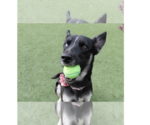
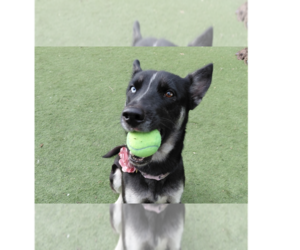
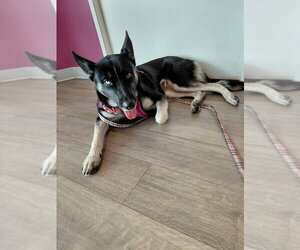
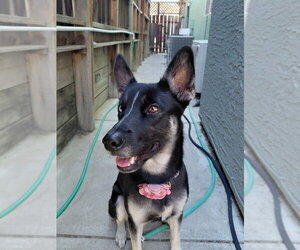
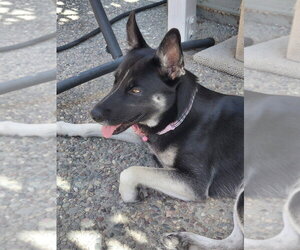
LUNA OS - GERMAN SHEPHERD DOG DOG FOR ADOPTION
German Shepherd Dog Dogs For Adoption in Cupertino, CA, USA
For Adoption
-
Nickname:
Luna OS
-
Breed
-
Gender
Female
-
Age
-
Location
Cupertino, CA, 95015 USAUSA
Description
Dog Breed: German Shepherd Dog. Luna is a sweet 1 year old female, who came to us through a Good Samaritan. She is well-mannered. Gets along with cats, older kids, and a free-flying parrot. Luna is housetrained and crate trained, though she's not using her crate with this foster. She likes car rides and walks in the neighborhood. She is on the smaller side, about 40 lbs. She gets along with other dogs, with a proper introduction. She likes to hold a tennis ball, not necessasarily chase one. She's nice to her toys and blankets, keeping them intact for the most part.
-
Additional Information
Was the Dog Found No
Let PuppyFinder Help!
Save Time. Get The Right Match. Buy Puppy Safer.
CREATE A WANTED ADRescue Information
-
Organization name
German Shepherd Rescue of Northern California
-
Location:
Cupertino, California, 95015 USAUSA
Breed overview
German Shepherd Dog
A.K.A.: Alsatian, Alsatian Wolf Dog, Shepherd Dog, GSD, Deutscher Schäferhund, Schäferhund, Berger Allemand, Pastore Tedesco, Perro de Pastor Alemán, Alsatian Dog
Overview:
The German Shepherd Dog, a truly iconic breed, originated in Germany in the late 19th century, primarily for herding sheep. They are easily recognizable by their athletic, medium-to-large build, typically weighing between 50-90 pounds, with a distinct double coat that can be black and tan, sable, or solid black. Known for their intelligence and loyalty, German Shepherds possess a remarkably trainable and courageous temperament, making them exceptional working dogs in fields like police and service work. While generally good with families when properly socialized, their high energy levels and need for mental stimulation make them unsuitable for apartment living without significant daily exercise. Prospective owners should be aware of common health concerns such as hip and elbow dysplasia, as well as degenerative myelopathy, underscoring the importance of responsible breeding and regular veterinary care.
See more...