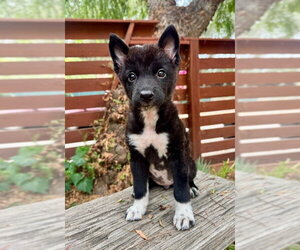
PRIYA - SCHIPPERKE DOG FOR ADOPTION
Schipperke Dogs For Adoption in Marina Del Rey, CA, USA
For Adoption
-
Nickname:
Priya
-
Breed
-
Gender
Female
-
Age
Baby
-
Location
Marina Del Rey, CA, 90292 USAUSA
Description
Dog Breed: Schipperke. Meet Priya! Priya is a sweet little Schipperke with a heart of gold. She's curious, playful, and ready to explore the world! *This is a courtesy post. If you're interested in adopting Priya, please fill out an adoption application with Big Love Animal Rescue bigloveanimalrescue/
-
Physical Attributes
Altered No -
Behavioral Characteristics
OK with Kids: Yes OK with Dogs: Yes OK with Cats: Yes -
Additional Information
Was the Dog Found No Other - Up-to-date on Vaccinations
Let PuppyFinder Help!
Save Time. Get The Right Match. Buy Puppy Safer.
CREATE A WANTED ADRescue Information
-
Organization name
Starpaws Rescue
-
Location:
Marina Del Rey, California, 90292 USAUSA
Breed overview
Schipperke
A.K.A.: Spits, Spitzke, Moorke, Little Black Devil, LBD, Belgian Barge Dog, Canal Dog, Schipp, Schippie, Black Rascal, Belgian Watchdog, Schipperke Pup, Dockyard Dog, Schipperke Scout, Velvet Shadow
Overview:
The Schipperke, a lively and diminutive breed, originated in Belgium as a rat-catching barge dog, a heritage reflected in its name, meaning "little captain" or "little skipper." Physically, they are easily recognized by their compact, sturdy build, fox-like face, and most notably, their profuse, dense black double coat, often appearing tailless due to traditional docking (though now often naturally bobbed or left long). Despite their small size, typically 10-16 pounds, Schipperkes possess a bold, confident, and somewhat mischievous temperament. They are highly intelligent, independent, and fiercely loyal to their families, making them excellent watchdogs with their alert nature and surprisingly deep bark. While adaptable to apartment living due to their size, they require regular exercise and mental stimulation to prevent boredom and destructive behaviors. They can thrive in families with children and other pets if properly socialized, though their independent streak may require patient training. Health-wise, they are generally robust but can be prone to specific issues like Legg-Calve-Perthes disease and epilepsy, making responsible breeding practices crucial for maintaining their well-being.
See more...