Pure Breeds
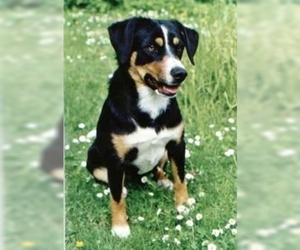
Austrian Pinscher (Austrian Shorthaired Pinscher)
A.K.A. : Österreichischer Kurzhaariger Pinscher, Österreichischer Pinscher
Quick navigation
All about Austrian Pinscher (Austrian Shorthaired Pinscher) dog breed
A.K.A. :Österreichischer Kurzhaariger Pinscher, Österreichischer Pinscher
Size
Grooming requirements
Exercise requirements
Good with other dogs
Watchdog ability
Energetic
Training requirements
Playful
Affectionate
Good with other pets
Good with children
Good with strangers
Winter
Summer
Healthiness
Protective
Life Span
| Breed Type | Pure Breed |
| Browse by Name | Starting with 'A' |
| Breeds by Group | Terrier |
| Breeds by Trait | Good With Kids High Stamina Dog Breeds Smartest Dog Breeds |
| Overview: | The Austrian Pinscher, or Austrian Shorthaired Pinscher, is a charming and robust breed originating from rural Austria, historically used for farm work, including vermin control and guarding. Physically, they are medium-sized dogs, typically weighing between 25-45 pounds, with a sturdy build and a distinctive slightly bowed back. Their coat is short, dense, and can come in various shades of fawn, red, black, or brindle, often with white markings. Temperamentally, they are known for being lively, intelligent, and affectionate with their families, yet can be reserved or even wary of strangers, making them excellent watchdogs. While their moderate exercise needs can be met with daily walks and playtime, their independent streak means consistent training is key. They generally adapt well to active families and can even thrive in apartments if given sufficient outdoor activity. Health-wise, the breed is considered robust with no prevalent genetic health issues, though responsible breeders screen for common canine ailments. |
F.A.Q.
All you need to know about Austrian Pinscher (Austrian Shorthaired Pinscher) breed
All You Need to Know About the Austrian Pinscher (Austrian Shorthaired Pinscher) Breed
The Austrian Pinscher (Austrian Shorthaired Pinscher), originating from rural Austria, is a charming and versatile medium-sized dog breed. Known for its lively, affectionate, and intelligent temperament, they make excellent family pets and loyal companions. Physically, they boast a sturdy build, a short, dense coat typically in shades of fawn, black, or brindle, and expressive dark eyes. While adaptable, their moderate energy levels require daily exercise and mental stimulation; apartment living is possible with sufficient walks and playtime. Their short coat means grooming needs are minimal, mainly weekly brushing to remove loose hair. Generally a healthy breed, potential owners should be aware of common canine concerns like hip and elbow dysplasia. If you're seeking a devoted, trainable, and moderately active dog, the Austrian Pinscher is a wonderful choice for active individuals or families.What Is the Average Weight of Austrian Pinscher (Austrian Shorthaired Pinscher) in Pounds?
The average Austrian Pinscher (Austrian Shorthaired Pinscher) weight is between 27 to 40 pounds.Generally, healthy weight for Austrian Pinscher (Austrian Shorthaired Pinscher) adults ranges:* Males: 30-40 pounds* Females: 27-35 poundsThis provides an excellent overview of their average size.
What Is the Typical Height of Austrian Pinscher (Austrian Shorthaired Pinscher) in Inches?
Austrian Pinscher (Austrian Shorthaired Pinscher) Height: Understanding Their Stature
When considering an Austrian Pinscher (Austrian Shorthaired Pinscher), their average size is an important factor. These charming dogs are known for their sturdy, medium build. The average height of an Austrian Pinscher (Austrian Shorthaired Pinscher) typically falls within a consistent range.Most adult Austrian Pinschers measure between 16 and 20 inches (approximately 40 to 50 cm) at the shoulder. This measurement is taken from the ground to the highest point of their shoulder blades (the withers).While there isn't a significant size disparity, you might notice slight variations:- Gender: Males generally tend to be at the higher end of the range, often reaching 18-20 inches, while females might be closer to 16-18 inches. However, individual genetics can lead to overlap.
- Individual Genetics: As with all breeds, individual genetic makeup plays a role. Even within the same litter, some puppies may grow to be slightly taller or shorter than their siblings.
- Nutrition and Health: Proper nutrition during growth and overall good health can also influence a dog's final height.
What Coat Colors Are Typical for the Austrian Pinscher (Austrian Shorthaired Pinscher) breed?
The Austrian Pinscher (Austrian Shorthaired Pinscher) colors include officially recognized and some less common variations. Accepted by major kennel clubs like the FCI (which the breed falls under, as it is not AKC recognized), the standard Austrian Pinscher (Austrian Shorthaired Pinscher) coat colors are red, fawn, black and tan, and brindle. These colors can appear with or without white markings, particularly on the chest, feet, and tail tip. Rare coat types or exotic Austrian Pinscher (Austrian Shorthaired Pinscher) variations such as blue, lilac, merle, or chocolate are not considered standard and are typically not seen within the breed. These unaccepted colors are usually indicative of cross-breeding and would not be recognized in show rings. When considering pricing, standard colors are readily available, while rare Austrian Pinscher (Austrian Shorthaired Pinscher) colors (if encountered) often come with a higher price tag due to their novelty, but it's important to verify their lineage and health from reputable breeders.
What is the typical personality of Austrian Pinscher (Austrian Shorthaired Pinscher)?
The Austrian Pinscher (Austrian Shorthaired Pinscher) personality is characterized by a lively, good-natured, and devoted disposition. They are generally very friendly and loyal to their families, often forming strong bonds. With their intelligent and curious nature, they are quite sociable and enjoy being involved in family activities.Regarding adaptability to apartment living, while they are not a giant breed, Austrian Pinschers do have moderate energy levels and benefit from regular exercise. With sufficient walks and mental stimulation, they *can* adapt to apartment life, but a house with a yard is often preferred for them to burn off energy.When it comes to behavior with children, Austrian Pinschers are typically very good-natured and patient, making them excellent family pets. They are often playful and tolerant. As for other pets, they can coexist peacefully with other animals, especially if socialized from a young age. Their herding and hunting instincts are generally low, contributing to their amiable temperament of Austrian Pinscher (Austrian Shorthaired Pinscher). Overall, they are alert, playful, and make wonderful companions for active families.
What is the typical temperament of Austrian Pinscher (Austrian Shorthaired Pinscher)?
The Austrian Pinscher (Austrian Shorthaired Pinscher) temperament is characterized by a lively, intelligent, and affectionate nature, making them excellent companion dogs. They are generally very friendly and sociable with their families, displaying immense loyalty and a protective instinct without being overly aggressive. While they can adapt to apartment living if provided with sufficient daily exercise, a home with a yard is often preferred due to their energetic disposition. They typically get along well with children, especially if raised with them, and their playful nature makes them fun companions.Regarding other pets, they can coexist peacefully, particularly if socialized from a young age. However, their strong prey drive might require careful introductions with smaller, non-canine pets. Austrian Pinschers are intelligent and eager to please, but can exhibit a touch of stubbornness, requiring consistent and positive reinforcement training. They are also quite sensitive to their owner's emotions and respond best to gentle handling. Their watchful nature makes them good alert dogs, but they are not typically excessive barkers. Overall, they are a delightful, devoted, and adaptable breed for active individuals or families seeking a spirited and loving companion.
What Are the Care Requirements for the Austrian Pinscher (Austrian Shorthaired Pinscher) breed?
Austrian Pinscher (Austrian Shorthaired Pinscher) Care: Daily Maintenance & Health TipsCaring for an Austrian Pinscher (Austrian Shorthaired Pinscher) is relatively straightforward, making them a good choice for various households. These dogs are known for their easygoing nature and moderate needs.Grooming Needs: Austrian Pinscher (Austrian Shorthaired Pinscher) care for grooming is minimal. Their short, dense coat requires brushing once a week to remove loose hair and keep it healthy. Bathing is only necessary when they are visibly dirty, typically every few months. This is a low-maintenance dog breed in terms of coat care. Regularly check and clean their ears for wax buildup to prevent infections. Trim their nails every 3-4 weeks to maintain good paw health.Exercise Limitations: Despite their energetic appearance, Austrian Pinscher (Austrian Shorthaired Pinscher) exercise needs are moderate. A brisk 30-60 minute walk daily, coupled with some playtime in a secure yard, is usually sufficient. They are not a high-energy dog breed and can adapt to apartment living if their exercise needs are met. Over-exercising them, especially in hot weather, should be avoided.Dietary Considerations: Provide a high-quality dog food appropriate for their age, weight, and activity level. Monitor their food intake and avoid overfeeding to prevent obesity, a common concern in many breeds. Consult your veterinarian for specific dietary recommendations and portion sizes. Proper Austrian Pinscher (Austrian Shorthaired Pinscher) diet is crucial for their overall health.Wrinkle and Ear Cleaning: While not a heavily wrinkled breed, some Austrian Pinschers may have subtle facial folds. If present, these should be kept clean and dry to prevent skin irritation. Regular ear checks and gentle cleaning with a vet-approved solution are essential to prevent ear infections.Climate Sensitivity: The Austrian Pinscher is not a brachycephalic breed and generally tolerates various climates well. However, like all dogs, they should not be left exposed to extreme heat or cold for extended periods. Provide adequate shelter and fresh water, especially during warmer months.Common Health Concerns & Prevention: How to care for an Austrian Pinscher (Austrian Shorthaired Pinscher) includes being aware of common health issues. They are generally healthy but can be prone to certain conditions. Skin issues can arise from allergies or improper grooming, so regular coat checks are important. Dental care is paramount; daily brushing or dental chews can help prevent periodontal disease. Weight management is crucial to avoid conditions like joint problems and diabetes. Regular veterinary check-ups are essential for early detection and prevention of health problems, ensuring a long and healthy life for your Austrian Pinscher (Austrian Shorthaired Pinscher).
How active are Austrian Pinscher (Austrian Shorthaired Pinscher), and what kind of exercise do they need?
The Austrian Pinscher (Austrian Shorthaired Pinscher) activity level is moderate, offering a good balance for many households. They are lively and playful, enjoying short bursts of energetic activity followed by periods of calm relaxation. These dogs typically require around 30-60 minutes of daily exercise, which can be broken into two or three walks, backyard play, or mentally stimulating games. Despite their energy, how active are Austrian Pinscher (Austrian Shorthaired Pinscher) throughout the day? They are not hyperactive and are generally content to lounge indoors after their exercise needs are met. Their exercise needs are manageable, making them adaptable to both active and moderately active families. They enjoy a good romp and will happily participate in games of fetch or short hikes.It's important to note that due to their brachycephalic (short-nosed) anatomy, Austrian Pinscher (Austrian Shorthaired Pinscher) can be prone to overheating. Therefore, strenuous exercise during hot weather or humid conditions should be limited or avoided altogether. Always ensure they have access to fresh water and shade. While they can be suitable for active families who enjoy regular walks and playtime, they are equally content in low-energy households that can provide consistent, moderate exercise and plenty of indoor companionship. They are not suited for extremely high-energy activities like long-distance running or intense agility training due to their conformation and heat sensitivity.
What are common health issues in Austrian Pinscher (Austrian Shorthaired Pinscher)?
Austrian Pinscher (Austrian Shorthaired Pinscher) health problems are generally moderate, as this versatile farm and guard dog is considered hardy, but adopters should still be aware of common Austrian Pinscher (Austrian Shorthaired Pinscher) medical issues such as hip dysplasia, patellar luxation, spinal strain, skin allergies, and heat sensitivity. While not typically brachycephalic, brachycephalic dog care concerns like Brachycephalic Obstructive Airway Syndrome (BOAS) may occasionally be relevant in individuals with shorter muzzles, leading to mild breathing difficulties in hot or humid climates. Their anatomy—a medium-sized, muscular frame with a deep chest, strong legs, and short dense coat—can predispose them to orthopedic problems if overweight, gastric torsion (bloat) due to chest shape, and overheating in warm environments because of their compact build. Their ears and skin may also be prone to irritation or infection if grooming and parasite control are neglected.
To understand how to keep Austrian Pinscher (Austrian Shorthaired Pinscher) healthy, owners should maintain a lean body weight to reduce strain on hips and spine, provide regular but moderate exercise suited to their guarding stamina, and avoid strenuous activity in hot weather. Grooming routines should include brushing to prevent skin irritation, ear cleaning to reduce infection risk, and dental care to prevent periodontal disease. Allergy management may require dietary adjustments or veterinary guidance, while routine veterinary checkups are essential for monitoring orthopedic health, spinal stability, and eye conditions such as cataracts or progressive retinal atrophy (PRA).
In addition to these concerns, Austrian Pinschers may inherit breed-specific risks such as epilepsy, hypothyroidism, and congenital heart disease. Preventive screenings, responsible breeding, and consistent veterinary monitoring are key to minimizing these risks and supporting long-term wellness. With proactive care, adopters and buyers can ensure this loyal, intelligent, and protective breed remains strong, healthy, and happy throughout its life.
To understand how to keep Austrian Pinscher (Austrian Shorthaired Pinscher) healthy, owners should maintain a lean body weight to reduce strain on hips and spine, provide regular but moderate exercise suited to their guarding stamina, and avoid strenuous activity in hot weather. Grooming routines should include brushing to prevent skin irritation, ear cleaning to reduce infection risk, and dental care to prevent periodontal disease. Allergy management may require dietary adjustments or veterinary guidance, while routine veterinary checkups are essential for monitoring orthopedic health, spinal stability, and eye conditions such as cataracts or progressive retinal atrophy (PRA).
In addition to these concerns, Austrian Pinschers may inherit breed-specific risks such as epilepsy, hypothyroidism, and congenital heart disease. Preventive screenings, responsible breeding, and consistent veterinary monitoring are key to minimizing these risks and supporting long-term wellness. With proactive care, adopters and buyers can ensure this loyal, intelligent, and protective breed remains strong, healthy, and happy throughout its life.
Breed Breakdown: What Experts Say About the Austrian Pinscher (Austrian Shorthaired Pinscher)
What is the typical size of Austrian Pinscher (Austrian Shorthaired Pinscher), and how does it compare to other breeds in terms of suitability for apartment living and travel?
I would rate the Austrian Pinscher's "Size" trait as a 5.This breed falls squarely into the medium-sized category. They typically stand around 16 to 20 inches (40-50 cm) at the shoulder and weigh between 25 to 40 pounds (11-18 kg). Their body structure is sturdy and well-muscled, but not overly heavy or bulky. Compared to truly small companion dogs like Chihuahuas (1-2) or medium-large breeds like Labrador Retrievers (7-8), the Austrian Pinscher occupies a comfortable middle ground. They are substantial enough to be robust and active, but not so large as to dominate a small living space. Their moderate size means they are generally adaptable, capable of thriving in an apartment if their exercise needs are met, and they are also manageable companions for travel without requiring a dedicated cargo hold. They are definitely not "lap dogs" in the traditional sense, but can certainly enjoy a cuddle on the sofa, making them a good fit for households that might have some space constraints but can still provide ample outdoor activity.
What are the grooming requirements for Austrian Pinscher (Austrian Shorthaired Pinscher), and how do their coat type and skin features affect overall maintenance?
The Austrian Pinscher rates a 2 for grooming requirements. This breed is remarkably low-maintenance when it comes to grooming. Their short, dense, smooth coat sheds moderately, requiring only weekly brushing to remove loose hair and keep it shiny. They don't have long hair that mats or tangles, nor do they possess problematic skin folds that necessitate special cleaning. Ear cleaning is standard – checking for wax buildup and wiping as needed, typically every few weeks. Nail trimming should be done regularly, usually every 2-4 weeks, as with most dogs, to prevent overgrowth. Bathing is only necessary when they are visibly dirty or start to smell, thanks to their easy-care coat. They are generally a healthy breed with no particular predisposition to skin issues or allergies that would demand specialized grooming products or routines. Compared to many other companion dogs, the Austrian Pinscher is exceptionally easy to care for, requiring minimal time and effort for their grooming needs.
What are the exercise requirements for Austrian Pinscher (Austrian Shorthaired Pinscher), and how do their energy levels affect daily activity and health?
I'd rate the Exercise Requirements of the Austrian Pinscher a 7.The Austrian Pinscher is a lively and robust breed that, while not typically hyperactive, possesses a good deal of energy and a strong desire for activity. They are definitely not a couch potato breed and thrive with more than just a quick daily stroll. Their history as farm dogs and vermin hunters means they have an innate drive to be "doing something."They require daily, structured exercise to stay physically healthy and mentally stimulated. This means more than just playtime in the yard, although they certainly enjoy that too. At least one to two brisk walks totaling 60-90 minutes daily, with opportunities for off-leash running in a safe area, would be ideal. They enjoy varied activities such as hiking, fetch, and even some light jogging with their owner once fully grown. Their intelligence also means they benefit greatly from mental stimulation through training and puzzle toys.Unlike brachycephalic breeds, the Austrian Pinscher has a well-proportioned muzzle, so respiratory limitations are not a concern, allowing them to participate in sustained movement without undue stress. They are quite athletic and agile, making them good candidates for dog sports like agility, obedience, or even flyball if properly introduced. Without adequate exercise, they can become bored, destructive, and even develop behavioral issues, as their pent-up energy needs an outlet. They are a breed that truly flourishes when given a purpose and a consistent routine of physical and mental engagement.
How effective is Austrian Pinscher (Austrian Shorthaired Pinscher) as a watchdog, and what kind of alert or protective behavior can owners expect?
I would rate the Austrian Pinscher's watchdog ability as a 7 out of 10.The Austrian Pinscher is a naturally alert and watchful breed. They are known for their keen senses and are quick to notice anything out of the ordinary in their environment. This manifests as a readily audible warning bark when unfamiliar sounds or people approach their territory. Their territorial instincts are moderate; they are devoted to their family and home, and while not inherently aggressive, they will certainly make their presence known to perceived threats. They are not typically a silent breed, and their consistent barking when something is amiss provides a meaningful early warning system for a household. They are capable of deterring intruders through their vocalizations and assertive demeanor, rather than being merely a passive companion. While they might not be as overtly protective or physically intimidating as some larger guardian breeds, their vigilance and persistent alerts make them effective at signaling potential issues.
How well does the Austrian Pinscher (Austrian Shorthaired Pinscher) get along with other dogs, and what role does socialization play in their behavior?
I would rate the Austrian Pinscher's "Good with Other Dogs" trait a 6.The Austrian Pinscher generally possesses a moderate level of compatibility with other dogs. They aren't inherently aggressive, but they also aren't universally dog-friendly like some retriever breeds. Their territorial instincts and strong watch-dog nature can lead to a reserved, and sometimes even wary, initial approach towards unfamiliar dogs. This means they often require careful, supervised introductions, especially with dogs of similar sex or those that might challenge their perceived status.While they can learn to coexist peacefully and even form strong bonds with other dogs within their own household, particularly if raised together, their potential for dominance or resource guarding needs to be managed through consistent training and early, broad socialization. They are adaptable enough for multi-dog households, but it's crucial that all dogs are well-matched in terms of temperament and energy levels. They might not thrive in chaotic dog parks and often prefer more structured and familiar canine company. Without proper socialization and training, they can be less tolerant of boisterous or pushy dogs, regardless of size.
What is the typical energy level of a Austrian Pinscher (Austrian Shorthaired Pinscher), and how does it affect their playtime, exercise needs, and suitability for indoor living?
I would rate the Austrian Pinscher's "Energetic" trait as a 7 out of 10.The Austrian Pinscher is a naturally active and lively breed, not one to be found lounging on the couch all day. They possess a good amount of endurance and thrive on regular physical and mental stimulation. Their history as farm dogs meant they were always on the go, herding, ratting, and generally keeping busy, and this inherent drive for activity remains strong. They are typically playful and enjoy engaging in various outdoor activities, from long walks and hikes to more structured dog sports like agility or obedience. They need consistent exercise to prevent boredom and potential destructive behaviors, making them a good fit for active individuals or families.It's important to note, however, that the Austrian Pinscher is not a brachycephalic breed. They have a moderately long muzzle, which means their anatomy does not typically affect their stamina or exercise tolerance in the way it would for a flat-faced breed. They can breathe freely and are well-suited for sustained activity without the respiratory difficulties that brachycephalic dogs often face. While they are energetic, they are also known to settle down and relax with their family after they've had their needs met, making them energetic but not hyperactive.
How easy is it to train a Austrian Pinscher (Austrian Shorthaired Pinscher), and what kind of consistency and techniques work best for this breed?
Rating the "Training Requirements" of the Austrian Pinscher, I'd give them a 6 out of 10.While not exceptionally difficult, they're also not a "train themselves" breed. Their intelligence is high, which is a definite plus, as they can grasp commands quickly. However, this intelligence is often paired with a noticeable independent streak and a degree of stubbornness, particularly if they don't see the immediate benefit of a command or if something more interesting catches their attention. Their attention span can be moderate, especially in stimulating environments, meaning training sessions need to be engaging and relatively short, particularly for younger dogs. They respond very well to positive reinforcement – treats, praise, and play are far more effective than harsh corrections, which can make them shut down. Consistency is paramount; if rules aren't consistently enforced, they'll quickly test boundaries.For these reasons, the Austrian Pinscher isn't entirely beginner-friendly and might be better suited for owners with some prior dog training experience or those committed to attending professional classes. While a patient and consistent beginner can certainly succeed, they will need to be diligent in establishing structured routines and engaging in regular, positive training to effectively channel their intelligence and manage their independent spirit.
How playful is the Austrian Pinscher (Austrian Shorthaired Pinscher), and what makes them such an energetic companion?
The Austrian Pinscher, or Austrian Shorthaired Pinscher, would receive a 9/10 for its "Playful" trait. This breed is known for its naturally spirited and energetic disposition, placing it firmly on the higher end of the spectrum compared to many other companion dogs. They possess a high typical activity level, thriving on regular exercise and engagement. Their love for games and interaction is palpable; they readily initiate playtime and eagerly participate in activities with their families, often displaying attention-seeking behavior through playful nudges or attempts to instigate a game of fetch. Austrian Pinschers typically respond to toys and playtime with immense enthusiasm, exhibiting a joyful and animated demeanor. Their overall enthusiasm in daily life is evident in their alert, curious, and often boisterous nature, making them a consistently fun-loving and engaging companion.
How affectionate is the Austrian Pinscher (Austrian Shorthaired Pinscher), and what kind of companionship and emotional bonding can owners expect?
I'd rate the "Affectionate" trait of the Austrian Pinscher a strong 8 out of 10.While not typically a clingy lapdog, the Austrian Pinscher is deeply devoted and people-oriented, thriving on human companionship. They form very strong bonds with their families, demonstrating immense loyalty and a desire to be involved in household activities. They are sensitive to owner emotions and will often try to "help" or offer comfort in their own way. While they might not be constantly in your lap, they will frequently follow you from room to room, preferring to be in the same space as their loved ones. They enjoy physical closeness in the form of leaning against you, a good head scratch, or a cuddle session on the couch, especially after a day of activity. They are definitely a breed that thrives on affection and attention from their owners, feeling most secure and content when they are an integral part of the family, rather than being overly independent.
How well does the Austrian Pinscher (Austrian Shorthaired Pinscher) get along with other pets, and what factors influence their compatibility in multi-pet households?
I'd rate the "Good with Other Pets" trait of the Austrian Pinscher at a 6 out of 10.While not inherently aggressive, the Austrian Pinscher's historical role as a farm dog with a job to do, including rodent control, gives them a moderate prey drive that can be a significant factor with smaller pets like cats or very small dogs. They are generally more tolerant of other dogs, especially if properly socialized from a young age. However, their independent and sometimes dominant nature means they might not always back down in canine disagreements, and they can exhibit resource guarding if not trained effectively. Coexisting peacefully in a multi-pet household is definitely achievable, but it's not a given and almost always requires consistent training, early and thorough socialization, and careful supervision, especially when introducing them to new animals or those with whom they haven't grown up. They aren't naturally extremely pet-friendly in the way some retriever or spaniel breeds might be, but with the right guidance, they can adapt well.
Is the Austrian Pinscher (Austrian Shorthaired Pinscher) good with children, and what makes them a suitable companion for family life?
Rating: 7/10The Austrian Pinscher generally earns a respectable 7 out of 10 for being good with children. This breed possesses a cheerful and lively temperament, often enjoying playtime and engaging activities with older, more considerate children. They are typically patient and tolerant, especially when properly socialized from a young age. Their natural intelligence means they can be trained to understand boundaries and respond well to gentle handling.However, a score of 7 rather than a perfect 10 reflects that while generally good-natured, the Austrian Pinscher is not always *naturally* exceptionally gentle and affectionate with *all* children, particularly very young ones. Their herding and guarding instincts, while not overly aggressive, mean they can be protective of their family and may become overstimulated by excessive noise or rough handling. They thrive best in a family where children are taught to interact respectfully with dogs, and where supervision is provided, especially with toddlers who might not yet understand appropriate pet etiquette. With proper training for both the dog and the children, and consistent supervision, the Austrian Pinscher can be a wonderful, playful, and loyal companion for a family.
Is the Austrian Pinscher (Austrian Shorthaired Pinscher) good with strangers, and how do they typically behave around new people?
I would rate the Austrian Pinscher's "Good with Strangers" trait as a 4 out of 10.While not inherently aggressive, the Austrian Pinscher is fundamentally a watchful and devoted family dog, making them quite reserved and often wary of unfamiliar individuals. They are excellent natural watchdogs, and their inclination to bark and alert their family to the presence of strangers is a defining characteristic. This isn't typically out of hostility but rather a strong sense of duty and a protective instinct. They are not naturally outgoing and will usually maintain a respectful distance or observe new people cautiously. While proper socialization from a young age is crucial and can help them tolerate strangers more readily, it's unlikely to transform them into an overly effusive or universally welcoming breed. They will likely remain somewhat reserved in public or with guests, requiring time and positive experiences to warm up, and even then, they'll always prioritize their family's safety above all else.
How well does the Austrian Pinscher (Austrian Shorthaired Pinscher) tolerate cold weather, and what precautions are needed during winter months?
I would rate the Austrian Pinscher's "Winter" tolerance at a 6.The Austrian Pinscher possesses a short, dense, and close-lying double coat, which offers a degree of insulation. Their medium size and lean, muscular build, while not heavily padded with fat, allow for good mobility and energy generation during activity. They do not have brachycephalic anatomy, meaning they are less prone to respiratory issues in cold air compared to breeds with shortened muzzles.However, their relatively short coat and lack of significant body fat mean they are not designed for prolonged exposure to very harsh winter conditions. While they can enjoy outdoor activities in moderately cold temperatures, especially if active, they will likely start to shiver and seek warmth sooner than breeds with thicker coats or more substantial body mass. They are more resilient than breeds like Greyhounds or Italian Greyhounds, but less so than breeds like Siberian Huskies or Bernese Mountain Dogs.Compared to many other companion dogs, the Austrian Pinscher does not typically require extreme special care during winter months, but common sense precautions are essential. They will benefit from a warm, dry place to sleep and access to shelter during outdoor playtime. In very cold temperatures or for extended periods outdoors, a dog coat or sweater would be beneficial to prevent hypothermia, especially for older or less active individuals. Their paws should also be checked for ice balls or irritation from salt on sidewalks. They are generally adaptable but not built for extreme winter endurance.
How well does the Austrian Pinscher (Austrian Shorthaired Pinscher) tolerate hot weather, and what precautions should owners take during summer months?
I would rate the Austrian Pinscher's "summer" tolerance as a 7.The Austrian Pinscher is not a brachycephalic breed, which immediately reduces their risk of heat-related respiratory issues compared to breeds like pugs or bulldogs. Their medium-length, dense double coat, while providing some insulation, is not excessively long or thick. They have a generally athletic build and good lung capacity, allowing them to regulate their body temperature more effectively than heavily built or short-snouted breeds.However, a "7" doesn't mean they're completely oblivious to the heat. Like all dogs, they are susceptible to heatstroke, especially during peak summer temperatures. While they can enjoy outdoor activities, these should be timed for cooler parts of the day, such as early mornings or late evenings. Prolonged strenuous exercise in direct sun during hot weather is not recommended and would put them at risk. They will benefit from access to shade and fresh water, and in very hot conditions, air conditioning or other forms of climate control are important, just as they are for most companion dogs. They don't require the extreme vigilance or constant climate control of a brachycephalic breed, but they are not as heat-hardy as, say, a short-coated desert-adapted breed. In summer months, compared to other companion dogs, they require similar common-sense precautions to prevent overheating rather than highly specialized care.
What are the common health concerns for the Austrian Pinscher (Austrian Shorthaired Pinscher), and how much care and medical attention does this breed typically require?
I would rate the Austrian Pinscher's "Healthiness" trait as a 9 out of 10.This breed is generally considered exceptionally robust and hardy, reflecting its working farm dog heritage. They are known for their remarkable resilience and lack of significant genetic predispositions to widespread health issues that plague many other purebreds. Their history as practical, no-frills farm dogs meant that only the healthiest and most functional individuals were typically bred, resulting in a strong genetic foundation. While any dog can experience an accident or illness, the Austrian Pinscher is not commonly associated with breathing difficulties, severe joint problems (like hip or elbow dysplasia), or chronic skin conditions often seen in other breeds. Their life expectancy is typically long for a medium-sized dog, often ranging from 12 to 14 years, with many living even longer. Responsible breeding practices further contribute to maintaining this excellent health, as reputable breeders prioritize genetic diversity and health screenings. Compared to many companion dogs, the Austrian Pinscher is decidedly low-maintenance in terms of health concerns and is not considered a breed prone to frequent vet visits for chronic conditions. They are a prime example of a naturally healthy and resilient canine.
How protective is the Austrian Pinscher (Austrian Shorthaired Pinscher), and what kind of watchdog or guard dog behavior can owners expect?
I would rate the "Protective" trait of the Austrian Pinscher at a 7 out of 10.The Austrian Pinscher is an alert and attentive breed, naturally inclined to be aware of their surroundings. They possess a strong territorial instinct and are quick to bark at perceived threats or strangers approaching their home, making them excellent watchdogs. Their loyalty to their owners is unwavering, and they will instinctively position themselves between their family and an perceived danger. However, while they are bold and will certainly raise an alarm and potentially deter an intruder with their assertive barking and confident demeanor, they are not typically aggressive in a way that would make them a formidable physical guard dog in the same vein as a Rottweiler or German Shepherd. They are more of a companion dog who is exceptionally vigilant and capable of offering meaningful protection through their loud warnings and staunch presence, rather than through physical force. They are not a breed that you would train for attack work, but their protective instincts as a watchful and loyal companion are very strong.
What is the average lifespan of a Austrian Pinscher (Austrian Shorthaired Pinscher), and what health factors influence their longevity?
Rating: 8The Austrian Pinscher's "Life Span" trait rates an 8. This breed is generally considered to be long-lived compared to many other companion dogs, with an average life expectancy typically ranging from 12 to 14 years, and sometimes even longer. They are known for their robust health and are not particularly prone to a wide array of serious genetic health conditions that plague some other breeds. While responsible breeding and diligent care, including a healthy diet, regular exercise, and preventative veterinary check-ups, undoubtedly contribute to their longevity, their inherent genetic predisposition for good health allows them to enjoy a substantial lifespan. They are not entirely without potential health concerns, but these are often manageable and do not typically shorten their lives significantly.
Austrian Pinscher (Austrian Shorthaired Pinscher) Dogs for adoptionSee all dogs for adoption
Similar Dog Breeds for Austrian Pinscher (Austrian Shorthaired Pinscher)
Quick Breed Selector 0 - not important, 1 - smallest, 10 - largest
Variants & Mistakes :Austrein Pinscher, Austrain Pinscher, Austian Pinscher, Austren Pinscher, Austraian Pinscher, Austiran Pinscher, Austriun Pinscher, Austriam Pinscher, Austriann Pinscher, Austriane Pinscher, Austriin Pinscher, Austriqn Pinscher, Austriab Pinscher, Austriac Pinscher, Austriap Pinscher, Austriat Pinscher, Austriar Pinscher, Austriak Pinscher, Austriay Pinscher, Austriag Pinscher, Austrians Pinscher, Austriani Pinscher, Austriano Pinscher, Austriannn Pinscher, Austriann Pinsher, Austriann Pincher, Austriann Pinshur, Austriann Pinshar, Austriann Pinshor, Austriann Pinshur, Austriann Pinshyr, Austriann Pinshrr