Mixed Breeds
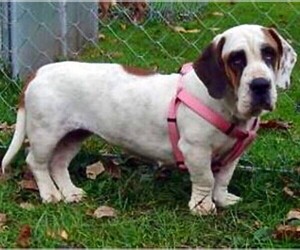
Basset Saint
A.K.A. : Basset Saint Bernard, Basset Bernard, Basset St. Bernard
Quick navigation
All about Basset Saint dog breed
A.K.A. :Basset Saint Bernard, Basset Bernard, Basset St. Bernard
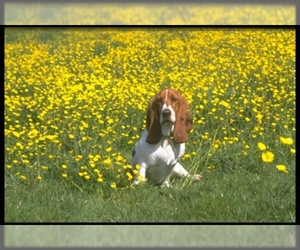
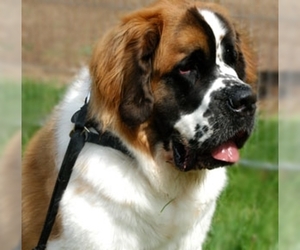
Basset Saint is a mix of
Size
Grooming requirements
Exercise requirements
Good with other dogs
Watchdog ability
Energetic
Training requirements
Playful
Affectionate
Good with other pets
Good with children
Good with strangers
Winter
Summer
Healthiness
Protective
Life Span
| Breed Type | Mixed Breed |
| Browse by Name | Starting with 'B' |
| Breeds by Group | Working |
| Breeds by Trait | Good With Kids Low Shedding |
| Overview: | The Basset Saint, a charming crossbreed of the Basset Hound and the Saint Bernard, is a relatively new designer dog with a big heart. Originating from the desire to blend the Basset's laid-back nature with the Saint Bernard's gentle giant persona, this hybrid typically inherits a sturdy, muscular build and a distinctive, often wrinkled face with long, droopy ears. Their coat can vary in length and color, reflecting either parent, but often retains the Saint Bernard's characteristic markings. Temperament-wise, Basset Saints are known for being exceptionally sweet-natured, patient, and affectionate, making them excellent family companions. While their size means they need ample space and are not ideal for small apartments, their generally calm demeanor means daily walks and a secure yard are usually sufficient. Owners should be aware of potential health concerns common to large breeds, such as hip and elbow dysplasia, and monitor for ear infections due to their long ears. |
F.A.Q.
All you need to know about Basset Saint breed
All You Need to Know About the "Basset Saint" Breed (parent breeds: "Basset Hound" × "Saint Bernard")
The Basset Saint, a charming designer breed, brings together the amiable Basset Hound with the gentle giant Saint Bernard, resulting in a unique companion. Originating from deliberate crossbreeding, these dogs typically inherit a calm and affectionate temperament, making them wonderful family pets. Physically, they often present a sturdy build, featuring the Saint Bernard's impressive size but potentially with the Basset's iconic long ears and soulful eyes. Due to their size, apartment living is generally not recommended; they thrive in homes with a yard. While their grooming needs can vary, expect moderate to high shedding requiring regular brushing. Their exercise needs are moderate, enjoying daily walks but not requiring intense activity. Potential owners should be aware of common health concerns like joint issues (hip/elbow dysplasia) and bloat, characteristic of their parent breeds. The Basset Saint is an ideal choice for families seeking a loving, mellow, and loyal furry friend.What Is the Average Weight of Basset Saint in Pounds?
The average Basset Saint weight for adults typically ranges from 80 to 120 pounds. Males tend to be slightly heavier, reaching the upper end of this spectrum, while females are generally closer to the lower or middle range. This healthy weight for Basset Saint reflects their unique heritage, combining the Basset Hound's sturdy build with the Saint Bernard's considerable size. Expect a large, powerful dog when considering the Basset Saint average size.
What Is the Typical Height of Basset Saint in Inches?
Basset Saint Height: Unpacking the Average Size of This Unique Hybrid
If you're wondering, "How tall is a Basset Saint?" you're looking at a fascinating blend of two very different sized parent breeds! The average height of a Basset Saint is, understandably, quite variable, falling into a unique middle ground between the low-slung Basset Hound and the towering Saint Bernard.Typically, adult Basset Saints measure between 18 to 24 inches tall at the shoulder. This range reflects the influence of both parents. You'll find individuals leaning more towards the Basset Hound's stature, while others inherit more of the Saint Bernard's height, creating a medium-to-large sized companion. It's important to remember that this is an average, and some individuals may fall slightly outside this range.Variation based on gender and individual genetics: Just like with purebred dogs, there can be some variation in Basset Saint height based on gender. Males often tend to be on the higher end of the spectrum, sometimes an inch or two taller than females. However, individual genetics play a significant role. The specific genetic contribution from each parent can lead to considerable differences in height, even within the same litter. Reputable breeders can often give you a better idea of the potential adult size based on the parents' heights and their breeding history.When considering a Basset Saint, be prepared for a dog that won't be as small as a Basset Hound, nor as massive as a Saint Bernard, but a delightful blend that brings its own charm and unique dimensions to your home!What Coat Colors Are Typical for the Basset Saint breed?
Basset Saint Colors: The Basset Saint, a delightful mix of Basset Hound and Saint Bernard, exhibits a wide range of coat colors. Given their parent breeds, you'll commonly find Basset Saint colors that include variations of: Brindle, Fawn, White, and shades of Brown (often described as mahogany, russet, or red). Many will display the classic Saint Bernard markings, such as a white blaze, collar, and chest with patches of color, or the Basset Hound's tri-color (black, white, tan) and bi-color (lemon and white, red and white) patterns.
AKC Recognized Basset Saint Colors: While the Basset Saint is a hybrid breed and not officially recognized by major kennel clubs like the AKC, understanding the accepted colors of their parent breeds provides insight. For Basset Hounds, AKC recognizes Black and Tan, Lemon and White, Red and White, and Tri-color. Saint Bernards are recognized in Brindle and White, Fawn and White, Mahogany and White, Orange and White, and Red and White. Therefore, Basset Saints typically come in these combinations.Rare Coat Types and Exotic Basset Saint Variations: Due to the genetic diversity, some rare coat types or less common variations may appear, though these are not officially recognized and can be influenced by recessive genes from either parent. These might include solid colors or unusual patterns not typical of the parent breeds. While colors like Blue, Lilac, Merle, or Chocolate are not standard for Basset Hounds or Saint Bernards, very occasional occurrences may arise from complex genetic interactions, but these would be considered extremely rare and not generally sought after or marketed as official Basset Saint colors. Such exotic Basset Saint variations are not accepted by any major kennel club and would be highly unusual, potentially indicating other lineage or unique genetic mutations. When considering a Basset Saint, expect to find the traditional and rich color palettes inherited from their beloved Basset Hound and Saint Bernard parents.What is the typical personality of Basset Saint?
Basset Saint Personality & TemperamentThe Basset Saint is a gentle giant, blending the Basset Hound's laid-back charm with the Saint Bernard's affectionate nature. Expect a friendly and remarkably loyal companion who thrives on human companionship. Their sociability is generally high; they are typically good-natured with strangers once properly introduced, though their size can be intimidating.Regarding adaptability to apartment living, while they are not excessively energetic, their substantial size makes a house with a yard preferable. Regular, moderate exercise is key to keeping them healthy and happy. They are known for being excellent with children, displaying patience and a protective instinct, making them wonderful family pets. Similarly, their placid demeanor usually extends to other pets, often coexisting peacefully with other dogs and even cats if properly socialized from a young age. Early training and socialization are crucial to nurturing their best qualities and managing their impressive size. Expect a loving, devoted, and often humorous companion in the Basset Saint.
What is the typical temperament of Basset Saint?
The Basset Saint temperament is a delightful blend, inheriting the gentle, laid-back nature of both parent breeds. This companion dog behavior leans towards being exceptionally friendly and sociable, eager to be part of the family’s activities. You can expect a loyal and affectionate companion who thrives on human interaction and attention.While their large size might suggest otherwise, Basset Saints are generally quite adaptable to apartment living if given sufficient daily walks and mental stimulation; their lower energy drive once mature means they are often content to lounge. They are typically excellent with children, known for their patient and protective demeanor, making them wonderful family pets. Similarly, their gentle disposition usually extends to other pets, often coexisting peacefully.Regarding challenges, Basset Saints can display a touch of the Basset Hound's famous stubbornness, especially during training. Positive reinforcement and patience are key. They are generally not overly sensitive but appreciate a calm and loving environment. Overall, the Basset Saint personality traits point to a sweet, devoted, and somewhat easygoing large dog, perfect for families seeking a loving giant.
What Are the Care Requirements for the Basset Saint breed?
Basset Saint care involves a blend of their parent breeds' needs. This is a large, brachycephalic (short-nosed) breed, requiring mindful daily maintenance.
Grooming needs: The Basset Saint typically has a medium-length, dense coat that sheds moderately to heavily. Regular brushing (2-3 times per week) is essential to remove loose hair, prevent matting, and distribute natural oils. Occasional baths are needed to keep their coat clean, especially given their tendency for drooling.Exercise limitations: While they possess the Saint Bernard's size, the Basset Saint is generally a low-energy dog breed. Short, moderate daily walks (20-30 minutes) are sufficient to keep them healthy and prevent obesity. Avoid strenuous activity, especially in warm weather, due to their brachycephalic anatomy, which makes them prone to overheating. Supervised playtime in a securely fenced yard is also beneficial, but always monitor for signs of overexertion.Dietary considerations: A high-quality large-breed dog food formulated for their age and activity level is crucial. Monitor calorie intake closely to prevent weight gain, as obesity can exacerbate joint problems and other health issues. Consult your veterinarian for specific portion recommendations. Some Basset Saints may be prone to bloat (gastric dilatation-volvulus), so consider feeding smaller, more frequent meals.Wrinkle and ear cleaning: Both parent breeds have prominent wrinkles and long, floppy ears, making these areas susceptible to infection. Daily cleaning of facial wrinkles with a damp cloth and regular (weekly) cleaning of their ears with a veterinarian-approved solution are vital to prevent skin fold dermatitis and ear infections. Ensure these areas are kept dry.Climate sensitivity: Due to their brachycephalic anatomy, Basset Saints are highly sensitive to heat. They can quickly overheat, leading to respiratory distress. Keep them in cool, air-conditioned environments during hot weather. Avoid outdoor exercise during the hottest parts of the day. They generally tolerate colder weather better but still require shelter.Common health concerns: Potential owners should be aware of common health issues in Basset Saints. Skin issues can arise from their wrinkles and drooling. Regular dental care, including daily brushing, is important to prevent periodontal disease. Weight management is paramount to prevent and manage conditions like hip and elbow dysplasia, common in large breeds. Other concerns include bloat, cherry eye, and various joint problems. Regular veterinary check-ups are essential for early detection and preventative care. This is how to care for a Basset Saint for a long, healthy life. For more health tips for Basset Saint, consult your veterinarian.How active are Basset Saint, and what kind of exercise do they need?
Basset Saint Activity Level: Understanding Your Gentle Giant's NeedsCurious about how active are Basset Saint? The Basset Saint, a unique blend of the Basset Hound and Saint Bernard, possesses a fascinating and somewhat paradoxical Basset Saint activity level. While they may inherit the Saint Bernard's love for lounging, they often retain the Basset Hound's bursts of scent-driven energy.Typical Energy Levels: Expect a dog that enjoys short, moderate bursts of activity balanced with significant periods of rest and relaxation. They are not high-energy dogs, but they aren't entirely sedentary either. You'll likely see them alternate between a leisurely stroll and a sudden, enthusiastic sniff-a-thon.Daily Exercise Needs: To maintain a healthy weight and mental well-being, Basset Saint exercise needs typically include at least 30-60 minutes of daily activity. This can be broken into two or three shorter walks. Leash walks are essential due to their potential prey drive from the Basset Hound side. Off-leash time should only be in securely fenced areas.Playtime Preferences: Basset Saints enjoy relaxed playtime. Scent games, puzzle toys, and gentle tug-of-war are often favored. They aren't usually built for intense fetch sessions or long runs. They'll appreciate a comfortable spot to supervise family activities as much as they'll enjoy a short romp in the yard.Brachycephalic Limitations: It's crucial to acknowledge the brachycephalic anatomy inherited from both parent breeds. This means they are prone to overheating and respiratory difficulties, especially in warm weather or during strenuous exercise. Always prioritize short, cooler-weather walks, ensure access to fresh water, and avoid over-exertion. Listen to your Basset Saint – heavy panting or labored breathing are clear signs to stop.Balancing Energy and Rest: Basset Saints truly embody the phrase "balance short bursts of energy with long periods of rest." They are perfectly content to be couch potatoes for much of the day, but those short bursts of energy are vital for their physical and mental health.Suitability for Families: Are Basset Saints suitable for active families or low-energy households? They generally thrive in low-energy households that appreciate a calm, affectionate companion. While they'll tolerate the gentle play of children, they aren't ideal for families seeking an intense hiking or jogging partner. They are perfect for those who enjoy leisurely strolls and plenty of snuggle time. Potential adopters or buyers evaluating breed suitability should understand that while they enjoy their walks, their true calling is often as a loving, relaxed family member.
What are common health issues in Basset Saint?
Basset Saint health problems are shaped by their mixed heritage, combining the Basset Hound’s long body and short legs with the Saint Bernard’s massive frame and heavy build. While affectionate and loyal, adopters should be aware of common Basset Saint medical issues that may affect long-term care and overall quality of life.
Because of their Saint Bernard lineage, some Basset Saints may inherit shorter muzzles and heavy facial folds, which can increase the risk of Brachycephalic Obstructive Airway Syndrome (BOAS). This condition may cause noisy breathing, snoring, and exercise intolerance. Applying brachycephalic dog care strategies—such as avoiding strenuous activity in hot weather, using a harness instead of a collar, and monitoring breathing during play—helps reduce respiratory strain.
Their unique anatomy—long backs from the Basset side and heavy bone structure from the Saint Bernard—makes them especially prone to hip dysplasia, elbow dysplasia, and spinal problems. These conditions can lead to stiffness, arthritis, or reduced mobility, particularly if the dog is overweight or overexerted. Weight management and controlled exercise are critical to protecting their joints and spine.
The Saint Bernard influence brings loose skin and deep facial folds, which can trap moisture and bacteria, leading to skin fold infections. Combined with the Basset’s floppy ears, Basset Saints may also experience allergies and recurring ear infections. Regular grooming, wrinkle cleaning, and ear care are essential to prevent irritation and infection.
Due to their heavy build and brachycephalic tendencies, Basset Saints are highly prone to heat sensitivity. They thrive in moderate climates but can overheat quickly in hot or humid conditions, so they should always have access to shade, water, and cool resting areas.
Because of their Saint Bernard lineage, some Basset Saints may inherit shorter muzzles and heavy facial folds, which can increase the risk of Brachycephalic Obstructive Airway Syndrome (BOAS). This condition may cause noisy breathing, snoring, and exercise intolerance. Applying brachycephalic dog care strategies—such as avoiding strenuous activity in hot weather, using a harness instead of a collar, and monitoring breathing during play—helps reduce respiratory strain.
Their unique anatomy—long backs from the Basset side and heavy bone structure from the Saint Bernard—makes them especially prone to hip dysplasia, elbow dysplasia, and spinal problems. These conditions can lead to stiffness, arthritis, or reduced mobility, particularly if the dog is overweight or overexerted. Weight management and controlled exercise are critical to protecting their joints and spine.
The Saint Bernard influence brings loose skin and deep facial folds, which can trap moisture and bacteria, leading to skin fold infections. Combined with the Basset’s floppy ears, Basset Saints may also experience allergies and recurring ear infections. Regular grooming, wrinkle cleaning, and ear care are essential to prevent irritation and infection.
Due to their heavy build and brachycephalic tendencies, Basset Saints are highly prone to heat sensitivity. They thrive in moderate climates but can overheat quickly in hot or humid conditions, so they should always have access to shade, water, and cool resting areas.
Breed Breakdown: What Experts Say About the Basset Saint
What is the typical size of Basset Saint, and how does it compare to other breeds in terms of suitability for apartment living and travel?
I would rate the "Size" trait of the "Basset Saint" as a 7.5.While one parent, the Basset Hound, is a medium-sized dog, the Saint Bernard is famously gigantic. The Basset Saint is likely to be a large dog, but not quite as colossal as a purebred Saint Bernard due to the Basset Hound influence. They will likely inherit a more substantial bone structure than a typical Basset, with a considerably higher weight and height. Imagine a dog with the length and weight approaching that of a large retriever, but perhaps with shorter legs than a truly giant breed, still possessing a very broad chest and significant muscle mass. This breed would definitely not be well-suited for apartment living, travel, or households with space constraints. They will require a home with a yard and ample room to move around comfortably. Their size would make them difficult to transport in a typical car, and their sheer physical presence demands significant space for both their bodies and their belongings (like a large dog bed).
What are the grooming requirements for Basset Saint, and how do their coat type and skin features affect overall maintenance?
Rating: 8The Basset Saint would likely be a high-maintenance breed when it comes to grooming, warranting an 8. This hybrid inherits a challenging combination of traits from its parent breeds. The Saint Bernard contributes a dense, often double coat prone to significant shedding, and the Basset Hound adds its characteristic loose skin, deep wrinkles, and long, pendulous ears. This means frequent brushing will be essential to manage the ample shedding and prevent matting, especially if the coat leans towards the Saint Bernard's length. The numerous skin folds, particularly around the face and neck, will require regular cleaning and drying to prevent moisture buildup, irritation, and skin fold dermatitis. Both parent breeds are prone to ear infections due to their ear structure, so weekly ear cleaning will be crucial. Nail trimming will also be a regular requirement given their size and potential for thicker nails. Bathing will be needed periodically, but the sheer size and density of their coat will make this a significant undertaking. Their predisposition to skin issues like hot spots or allergies, inherited from both sides, further increases the need for diligent skin monitoring and potentially specialized care. Therefore, while not quite at the level of an extreme show dog, the Basset Saint certainly requires frequent, specialized attention to maintain its hygiene and prevent common health issues, making it far from an easy-care companion.
What are the exercise requirements for Basset Saint, and how do their energy levels affect daily activity and health?
I'd rate the Basset Saint's exercise requirements at a 3 out of 10.This rating reflects the blend of its parent breeds, neither of which is known for high energy or athletic prowess. The Basset Hound contributes a generally laid-back nature, a propensity for sniffing, and short legs that aren't built for speed or endurance. The Saint Bernard, while large, is also a surprisingly mellow giant, content with moderate activity and prone to overheating with too much exertion. The potential for brachycephalic features from the Saint Bernard side (though often less pronounced in crossbreeds than purebreds) further limits strenuous exercise due to respiratory challenges and heat intolerance.A Basset Saint will thrive with a couple of moderate daily walks (perhaps 20-30 minutes each) and some relaxed playtime in a secure yard. They'll enjoy a good sniff-around and a comfortable nap afterwards. While mental stimulation is still important, it's more likely to come from puzzle toys or gentle interaction rather than high-intensity training. Structured, intense routines would likely be met with resistance and could even be detrimental to their joint health and respiratory well-being. They are very much a breed that prefers a leisurely pace and is well-suited to households that are not looking for an athletic companion.
How effective is Basset Saint as a watchdog, and what kind of alert or protective behavior can owners expect?
I'd rate the Basset Saint's "Watchdog Ability" at a 4.While the Saint Bernard parentage might suggest a formidable presence, the Basset Hound's relaxed demeanor and the overall friendly nature of both breeds will likely dilute any strong watchdog instincts. They will probably be alert enough to notice unfamiliar sounds or people, and their sheer size could be a deterrent, but their barking would likely be more of a "hello, friend!" than a "get out!" They are more likely to be curious greeters than territorial defenders. Expect a Basset Saint to offer a meaningful early warning in the form of a low woof or a rise from their nap, but they're not a breed that will actively deter an intruder beyond their impressive stature. They are definitely more of a passive companion, likely to welcome rather than challenge.
How well does the Basset Saint get along with other dogs, and what role does socialization play in their behavior?
I would rate the "Good with Other Dogs" trait of the Basset Saint a 9 out of 10.The Basset Saint generally inherits a very amiable and tolerant disposition from both parent breeds, making them highly sociable and dog-friendly. Basset Hounds are renowned for their laid-back nature and tendency to get along well with almost anyone, canine or human. Saint Bernards are gentle giants, known for their patience and calm demeanor, even around boisterous puppies or smaller dogs. This combination results in a breed that typically approaches unfamiliar dogs with curiosity rather than aggression or dominance. They are usually adaptable to dogs of various sizes and energy levels, often content to observe or engage in gentle play. While, like any dog, they benefit from early socialization to fully bloom, the Basset Saint is generally a breed that thrives in canine company and is an excellent candidate for multi-dog households, requiring minimal, if any, special introductions beyond the usual careful supervision. Their low prey drive and general lack of territoriality further contribute to their peaceful coexistence with other dogs.
What is the typical energy level of a Basset Saint, and how does it affect their playtime, exercise needs, and suitability for indoor living?
I would rate the "Energetic" trait of a Basset Saint at a 3 out of 10.The Basset Saint inherits its temperament from two breeds renowned for their remarkably laid-back and low-energy dispositions: the Basset Hound and the Saint Bernard. Both parent breeds are characterized by their considerable size, heavy bone structure, and a general inclination towards lounging rather than vigorous activity. Basset Hounds are known for their short bursts of sniffing and trailing, followed by long periods of rest, while Saint Bernards are archetypal gentle giants, content with leisurely strolls and extensive napping.Consequently, a Basset Saint is highly unlikely to be a naturally active or athletic dog. Their typical activity level would involve short, unhurried walks, perhaps some gentle exploring in a yard, and a significant amount of time spent napping or observing their surroundings. Their endurance would be quite limited, and sustained play or intense physical stimulation would not be a necessity, nor would it likely be desired by the dog. While they might enjoy a game of fetch for a few minutes, their interest would wane quickly.Furthermore, the brachycephalic anatomy, potentially inherited from either parent (especially the Saint Bernard), would significantly impact their stamina and exercise tolerance. Dogs with shortened snouts can struggle with efficient breathing, particularly during physical exertion or in warmer temperatures. This can lead to overheating and respiratory distress, making participation in strenuous outdoor or athletic activities not only difficult but potentially dangerous for the Basset Saint. Therefore, their need for physical stimulation is minimal, and their ability to participate in high-energy activities is very low. They are very much a companion dog built for comfort and companionship over athleticism.
How easy is it to train a Basset Saint, and what kind of consistency and techniques work best for this breed?
I would rate the training requirements for the Basset Saint a 7 out of 10. This breed, while intelligent, combines two parent breeds known for their independent streaks and sometimes stubborn dispositions, making them moderately demanding to train.The Basset Hound contributes a significant level of stubbornness and a short attention span, particularly when their nose is engaged. They can be slow to respond to commands if they don't see an immediate benefit or if a more interesting scent distraction is present. The Saint Bernard, while generally eager to please, can also be prone to selective hearing, especially as they mature into their substantial size and strength. Their sheer size means that early and consistent training is absolutely crucial for managing their behavior and preventing them from accidentally overwhelming people.The Basset Saint will require a great deal of consistency, patience, and positive reinforcement. They are not a breed that will respond well to harsh methods; instead, they will likely shut down or become more resistant. Short, engaging training sessions with high-value treats and praise will be most effective. They need clear, consistent rules and boundaries established from a young age to prevent undesirable behaviors from becoming ingrained.While not impossible for a beginner, a Basset Saint is probably not beginner-friendly in terms of training. An experienced handler who understands canine behavior, has a firm but gentle hand, and is prepared for thement to dedicate significant time and effort to consistent training and socialization will have a much more successful experience. Structured routines are essential, not just for house-training but for reinforcing commands and managing their potentially strong-willed nature. They will benefit greatly from puppy classes and ongoing obedience training to ensure they grow into well-mannered, manageable adults.
How playful is the Basset Saint, and what makes them such an energetic companion?
I'd rate the Playful trait of a Basset Saint around a 6 out of 10.While they certainly appreciate a good game and enjoy interaction, they lean more towards a laid-back and amiable disposition rather than being overtly energetic and boisterous. The Basset Hound's relaxed nature combined with the Saint Bernard's calm and gentle temperament suggests a dog that enjoys playtime but isn't constantly demanding it. They'll likely engage happily in a game of fetch or a gentle romp, showing enthusiasm for their human companions, but they're equally content to lounge nearby and observe. Their attention-seeking behavior would be more about being included and loved than about initiating constant high-energy activities. Compared to many other companion dogs, they're naturally spirited in a gentle way, preferring enjoyable but not overly strenuous activities, and possessing an overall good-natured enthusiasm for life that isn't quite at the "extremely energetic" end of the spectrum.
How affectionate is the Basset Saint, and what kind of companionship and emotional bonding can owners expect?
I would rate the "Affectionate" trait of the Basset Saint a solid 9/10. This hybrid is likely to be a highly loving and people-oriented companion. Both parent breeds contribute significantly to this characteristic. The Basset Hound is known for its gentle, laid-back nature and its desire to be close to its family, often following them around the house and enjoying physical proximity. They are incredibly loyal and sensitive to the mood of their owners. The Saint Bernard, on the other hand, is famously a "nanny dog," overflowing with devotion, patience, and a strong desire to be an integral part of the family. They thrive on human companionship, are incredibly loyal, and very attuned to owner emotions.A Basset Saint will almost certainly inherit this blend of unwavering loyalty, a strong desire for physical closeness (expect plenty of leaning, snuggling, and perhaps even attempts at lap-sitting, regardless of size!), and a deeply sensitive nature. They will likely follow their family members from room to room, seeking to be involved in whatever is happening. This breed will undoubtedly thrive on affection, demanding and reciprocating love in spades, and would likely be quite unhappy if left alone for extended periods without human interaction. They are far from independent and genuinely need to feel like a cherished member of the household to be truly content.
How well does the Basset Saint get along with other pets, and what factors influence their compatibility in multi-pet households?
I'd rate the "Good with Other Pets" trait of the Basset Saint a solid 8. This hybrid generally inherits the laid-back and friendly disposition of both parent breeds, making them quite amiable companions in a multi-pet household. Basset Hounds are known for their gentle nature and typically get along well with other dogs and even cats, largely due to their relatively low prey drive and pack animal instincts. Saint Bernards are famously gentle giants, incredibly patient, and known to be tolerant of other animals, especially when properly socialized.The Basset Saint will likely exhibit a similar easygoing temperament, readily accepting other pets into their "pack." Their prey drive is generally low, minimizing the risk to smaller pets like cats or rabbits. While resource guarding can occur in any breed, it's not a prominent trait in either parent breed, and with proper early socialization and training, it's unlikely to be a significant issue. They are naturally sociable and often enjoy the company of other animals, but as with all dogs, early exposure to various pets during puppyhood will further enhance their adaptability and comfort. While generally friendly, supervision during initial introductions and consistent positive reinforcement will always contribute to the most peaceful coexistence.
Is the Basset Saint good with children, and what makes them a suitable companion for family life?
The Basset Saint rates an 8 out of 10 for "Good with Children." This hybrid typically inherits a wonderful blend of patience and gentleness from both parent breeds. The Basset Hound's laid-back, tolerant nature, combined with the Saint Bernard's legendary "nanny dog" temperament, usually results in a dog that is remarkably patient and affectionate with children. They are generally very tolerant of noise and handling, making them forgiving companions for rambunctious youngsters. While playful in a gentle, lumbering way, they aren't overly boisterous, which is ideal for smaller children. They are naturally gentle and affectionate, though like any large breed, early socialization and consistent, positive training are always beneficial to ensure they understand their boundaries and to reinforce their natural good nature. Supervision is always recommended with any dog and young children, but the Basset Saint is highly compatible and thrives in a family setting, often forming deep bonds with its pint-sized companions.
Is the Basset Saint good with strangers, and how do they typically behave around new people?
The Basset Saint's "Good with Strangers" trait would likely rate an 8 out of 10. This hybrid generally inherits the gentle and amiable nature of both parent breeds. The Basset Hound's laid-back and non-aggressive temperament, combined with the Saint Bernard's renowned patience and loving disposition, results in a dog that is typically very welcoming towards unfamiliar adults. They are more likely to greet guests with a friendly sniff and a wagging tail than with suspicion or barking. While they might initially be a little reserved due to the Saint Bernard's guarding instincts, this quickly dissipates once they perceive no threat. Their adaptability in public or guest-filled environments is generally high, as they tend to be calm and tolerant. They are naturally outgoing and social, requiring minimal specific training to be comfortable with strangers, though early positive exposure always helps reinforce this inherent friendliness.
How well does the Basset Saint tolerate cold weather, and what precautions are needed during winter months?
I would rate the "Basset Saint" at a 7 for winter tolerance.While they inherit the substantial size and some of the denser coat from their Saint Bernard parent, offering good protection against cold, they also have the Basset Hound's lower stature and more moderate coat. Their larger body mass contributes to better heat retention, and they likely carry a decent amount of body fat. However, the brachycephalic tendency that can come from the Saint Bernard side, while less pronounced than in some other breeds, can still make them susceptible to respiratory issues in very cold and dry air. Their lower height means they are closer to the cold ground, which can be a factor in extreme conditions.Compared to many other companion dogs, the Basset Saint will generally tolerate cold temperatures quite well and enjoy outdoor activity. However, they will require some special care during very harsh winter months. They shouldn't be left unsupervised for extended periods in freezing temperatures, especially during blizzards or intense cold snaps. Their ears, if floppy like both parents, can be prone to frostbite. Short-legged breeds can also accumulate ice balls in their paw fur, so paw protection (booties) might be beneficial on walks. Owners should be mindful of their respiratory health, especially if they exhibit more pronounced brachycephaly, and avoid strenuous exercise in extremely cold conditions.
How well does the Basset Saint tolerate hot weather, and what precautions should owners take during summer months?
I'd rate the "Basset Saint" breed's summer tolerance a 2.This breed, inheriting traits from both the Basset Hound and the Saint Bernard, is likely to have very poor heat tolerance. Both parent breeds are highly susceptible to heat. The Basset Hound, while not severely brachycephalic, has a dense coat and a low-slung body that absorbs heat from the ground. The Saint Bernard, however, brings in a major contributing factor to heat sensitivity: its massive size, thick double coat, and predisposition to brachycephalic tendencies (though not as pronounced as some breeds, they can still have shorter snouts affecting breathing). The combination means a large dog with a dense coat, a relatively less efficient respiratory system for cooling compared to longer-nosed breeds, and a high body mass that retains heat. They would struggle significantly to regulate their body temperature in warm weather, putting them at extreme risk of heatstroke. Even moderate outdoor activity during summer would be dangerous. They would require constant access to air conditioning and supervision in all but the mildest summer temperatures, and outdoor time should be strictly limited to early mornings or late evenings in very cool conditions, if at all. Special care, including air-conditioned environments and strict avoidance of midday heat, is absolutely essential and significantly more critical than for most other companion dogs.
What are the common health concerns for the Basset Saint, and how much care and medical attention does this breed typically require?
I would rate the Basset Saint's "Healthiness" trait as a 4 out of 10.This rating reflects the significant health challenges inherited from both parent breeds. The Basset Hound contributes a predisposition to severe ear infections due to its long, pendulous ears, and joint issues like intervertebral disc disease (IVDD) due to its elongated spine and short legs. They can also be prone to bloat. The Saint Bernard, a giant breed, brings a high risk of orthopedic problems such as hip and elbow dysplasia, osteosarcoma (bone cancer), and bloat. They are also susceptible to heart conditions like dilated cardiomyopathy and eye issues like entropion and ectropion.The Basset Saint is likely to inherit a combination of these predispositions, leading to a high likelihood of joint problems, ear infections, and potentially serious issues like bloat and heart disease. Their mixed heritage doesn't necessarily dilute these risks; it often combines them. While individual dogs can vary, a Basset Saint is generally considered a high-maintenance breed in terms of potential veterinary care and proactive management of health issues. Their life expectancy is likely to be on the lower side for a companion dog, probably in the 7-10 year range, mirroring the shorter lifespans of many giant breeds. Responsible breeding practices and preventive care can mitigate some risks but cannot entirely eliminate the inherent genetic vulnerabilities. Compared to many other companion dogs, they are generally not robust and require significant health vigilance.
How protective is the Basset Saint, and what kind of watchdog or guard dog behavior can owners expect?
I'd rate the "Protective" trait of the Basset Saint a 6 out of 10.The Basset Hound parent brings very little in terms of protection, being primarily a scent hound with a friendly and laid-back disposition, generally welcoming to strangers. However, the Saint Bernard is renowned for its gentle giant nature, but also for its loyalty and watchful instincts, capable of being quite protective of its family. The Basset Saint will likely inherit a moderate blend of these traits. They will almost certainly be very loyal to their owners, and their large size (inherited from the Saint Bernard) will act as a significant deterrent. Their alertness will likely be moderate; while they might bark at unfamiliar sights or sounds (a nod to the Saint Bernard's watchfulness), they are unlikely to be hyper-vigilant like a true guard dog. Their territorial instincts will probably lean more towards a general awareness of their home and family rather than aggressive defense.When it comes to reaction to strangers, a well-socialized Basset Saint is more likely to be reserved or watchful initially, but generally not aggressive. Their sheer size and deep bark could make them a good watchdog in that they would alert you to an intruder's presence. However, their Saint Bernard parent's inherent gentleness means they are not typically bred or inclined to be a "guard dog" in the sense of physically engaging an threat. They are much more of a companion dog whose imposing presence and loyalty could deter a would-be intruder, but they are unlikely to offer meaningful, forceful protection beyond their size and alarm barking.
What is the average lifespan of a Basset Saint, and what health factors influence their longevity?
I would rate the "Life Span" trait of the Basset Saint as a 4.The Basset Saint is likely to have a shorter average lifespan compared to many other companion dogs, placing it in the "short-lived" category. This rating is primarily due to the significant influence of the Saint Bernard parent. Saint Bernards are known for their relatively short lifespans, typically ranging from 8 to 10 years, and often less. This is attributed to their large size, rapid growth, and genetic predispositions to various health issues such as bloat, hip and elbow dysplasia, heart conditions, and certain cancers. While the Basset Hound parent generally enjoys a more average lifespan (10-12 years), the profound impact of the giant breed genetics from the Saint Bernard is expected to dominate the Basset Saint's longevity. Even with responsible breeding and excellent care, the inherent genetic factors contributing to a shorter life in giant breeds will likely be present in the hybrid, making it prone to similar large-breed health concerns that can significantly reduce lifespan.
Basset Saint Dogs for adoptionSee all dogs for adoption
Similar Dog Breeds for Basset Saint
Quick Breed Selector 0 - not important, 1 - smallest, 10 - largest
Variants & Mistakes :Basset Sainte, Baset Saint, Basset Snt, Basset Sint, Basset St, Basset Sand, Basset Send, Basset Sains, Basset Saiint, Basset Saihnt, Bassit Saint, Basit Saint, Bassat Saint, Bassit Snt, Basit Snt, Bassat Snt, Bassit St, Basit St, Bassat St, Basset Sain, Basset Sainnt, Basset Seint, Basset Saynt, Basset Saind, Basset Saunt, Basset Sane, Basset Saintd, Basset Sainty, Basset Sante, Basset Sen, Basset Siant, Basset Sient, Basset Siny, Basset Snit, Basset Snet, Basset Stt, Basset Sta, Basset Ste, Basset Stn, Basset Sto, Basset Stu, Basset Sty