Pure Breeds
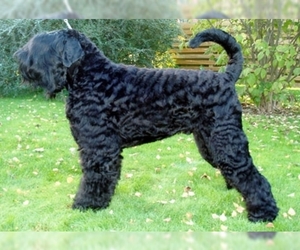
Black Russian Terrier
A.K.A. : BRT, Stalin's dog, Chornyi Terrier, Tchiorny Terrier, Russian Bear Schnauzer, Russian Black Terrier
Quick navigation
All about Black Russian Terrier dog breed
A.K.A. :BRT, Stalin's dog, Chornyi Terrier, Tchiorny Terrier, Russian Bear Schnauzer, Russian Black Terrier
Size
Grooming requirements
Exercise requirements
Good with other dogs
Watchdog ability
Energetic
Training requirements
Playful
Affectionate
Good with other pets
Good with children
Good with strangers
Winter
Summer
Healthiness
Protective
Life Span
| Breed Type | Pure Breed |
| Browse by Name | Starting with 'B' |
| Breeds by Group | Flock Guards & Mastiffs Working |
| Breeds by Trait | Good With Kids High Stamina Dog Breeds Low Shedding Smartest Dog Breeds |
| Overview: | The Black Russian Terrier (BRT), often called the "Black Pearl of Russia," is a formidable and impressive breed with a fascinating history. Developed in the Soviet Union after World War II for military purposes, this large, robust dog is a captivating blend of strength and intelligence. Physically, they boast a powerful, muscular build covered by a thick, coarse, and wavy black coat, requiring regular grooming to prevent matting. Temperamentally, BRTs are known for their calm, confident, and protective nature. While loyal and affectionate with their families, they can be reserved with strangers, making early socialization crucial. Due to their size and need for mental stimulation and exercise, they are generally not ideal for apartment living and thrive in homes with spacious yards. They can be wonderful family dogs for experienced owners who understand their needs, but their protective instincts necessitate consistent training. As with many large breeds, health concerns can include hip and elbow dysplasia, so choosing a reputable breeder is vital. |
F.A.Q.
All you need to know about Black Russian Terrier breed
All You Need to Know About the Black Russian Terrier Breed
The majestic Black Russian Terrier, often called the "BRT," originated in Russia as a military dog, a heritage that imbues them with a protective yet intelligent nature. These powerful, large-boned dogs boast a dense, coarse black coat, making them striking in appearance. Despite their imposing size, BRTs are known for being devoted and calm companions with their families, thriving on strong human bonds. Their intelligence makes them highly trainable, but they require consistent, positive reinforcement from an experienced owner. While generally good with children they’ve grown up with, early socialization is crucial. Apartment living is not ideal due to their size and need for regular exercise; a secure yard is preferred. Grooming involves regular brushing to prevent matting, and they shed moderately. Common health considerations include hip and elbow dysplasia. For a dedicated owner seeking a loyal, protective family member, the Black Russian Terrier offers an incredibly rewarding experience.What Is the Average Weight of Black Russian Terrier in Pounds?
Black Russian Terrier Weight: Average Size & Healthy Weight for Black Russian TerrierThe average healthy weight for an adult Black Russian Terrier is typically between 80 to 140 pounds.* Males: Generally heavier, ranging from 100 to 140 pounds.* Females: Typically weigh between 80 to 120 pounds.This robust breed is known for its substantial size. Maintaining a healthy weight for your Black Russian Terrier is crucial for their overall well-being and longevity.
What Is the Typical Height of Black Russian Terrier in Inches?
Wondering about the Black Russian Terrier height? These majestic dogs are known for their impressive stature! The average height of a Black Russian Terrier, measured at the shoulder, typically falls within a specific range for adult dogs. Here's what you can expect:
- Males: Generally stand between 27 to 30 inches (68-76 cm) tall at the shoulder.
- Females: Are slightly smaller, typically measuring between 26 to 29 inches (66-74 cm) at the shoulder.
What Coat Colors Are Typical for the Black Russian Terrier breed?
The Black Russian Terrier colors are primarily black, which is the only color officially recognized by major kennel clubs like the AKC. This means any Black Russian Terrier competing in AKC events or conforming to the breed standard must have a solid black coat.While black is the standard, some very rare and unaccepted exotic Black Russian Terrier variations can occasionally occur, though these are not endorsed by the AKC and are considered disqualifications in the show ring. These extremely uncommon "off-colors" might include very dark grey or a slight grizzle, but they are not true different colorations in the way other breeds have brindle or merle. Buyers should be wary of breeders advertising rare coat types or unusual Black Russian Terrier colors such as "blue," "chocolate," or "lilac," as these are not genetically possible for the breed and likely indicate a mixed-breed dog being misrepresented. For AKC recognized Black Russian Terrier colors, always refer to the breed standard which unequivocally states solid black. Focus on health and temperament, as coat color is a non-factor beyond black for this breed.
What is the typical personality of Black Russian Terrier?
Black Russian Terrier Personality & TemperamentThe Black Russian Terrier personality is generally described as calm, confident, and highly intelligent. They are exceptionally loyal and protective of their families, making them excellent guardians. Despite their formidable appearance, they can be surprisingly gentle and affectionate with their loved ones.Their temperament of Black Russian Terrier can be reserved with strangers, a trait stemming from their protective instincts. Early and consistent socialization is crucial to ensure they are well-adjusted and friendly rather than overly suspicious. They are generally not overtly friendly with new people but will tolerate them once they understand they pose no threat.Regarding sociability, they can get along with other well-behaved dogs and cats if introduced properly during puppyhood. However, their strong prey drive means they may not be ideal for homes with very small, uncaged pets. Their interaction with children is typically good within their own family, especially if raised with them. They tend to be tolerant and patient but, due to their size, supervision is always recommended with very young children.While adaptable, they are not ideal for small apartment living. They are large, active dogs that require ample space, regular exercise, and mental stimulation to thrive. They prefer a home with a yard where they can explore and play. They are intelligent and eager to please their owners, which makes them highly trainable, but they require consistent, firm, and positive reinforcement training from an early age. Their loyalty and desire to be with their family mean they can develop separation anxiety if left alone for extended periods.
What is the typical temperament of Black Russian Terrier?
The Black Russian Terrier temperament is characterized by a strong, protective nature combined with surprising sensitivity and intelligence. They are incredibly loyal to their families, often forming deep bonds. While not typically overtly friendly with strangers, they are generally watchful rather than aggressive, though their imposing size can be intimidating. Early and consistent socialization is crucial for developing a well-adjusted companion dog behavior.
They are generally good with children within their own family, especially if raised with them, showing a patient and protective demeanor. However, due to their size and potential for a strong prey drive, supervision around very young children and other small pets is always recommended. They can live with other dogs if properly introduced and socialized from a young age, though they may prefer to be the sole canine focus.Adaptability to apartment living can be achieved if their significant exercise needs are met. They require daily walks, playtime, and mental stimulation to prevent boredom, which can lead to destructive behaviors. They are not a breed for a sedentary lifestyle. While intelligent and eager to please their owners, Black Russian Terriers can exhibit a tendency toward stubbornness, requiring a confident, consistent, and positive reinforcement-based training approach. They are also sensitive to harsh corrections, which can damage their trust and lead to withdrawal or resentment. Their strong guarding instincts make them excellent deterrents, but their loving nature ensures they are wonderful, if demanding, family companions.What Are the Care Requirements for the Black Russian Terrier breed?
Black Russian Terrier Care: Your Guide to a Healthy CompanionCaring for a Black Russian Terrier involves dedicated daily maintenance to ensure their well-being. This breed, despite its size, is not inherently high-energy.Grooming Needs: The Black Russian Terrier boasts a dense, wiry double coat that requires regular attention. Expect to brush your Black Russian Terrier at least 2-3 times per week to prevent matting and remove loose hair. Professional grooming every 6-8 weeks for stripping or clipping is often necessary to maintain coat health and manage shedding.Exercise Requirements: While not a low-energy dog breed, Black Russian Terriers are not marathon runners. Moderate daily exercise, such as two 30-minute walks or active playtime in a securely fenced yard, is sufficient to keep them physically and mentally stimulated. Avoid over-exercising them, especially in hot weather.Dietary Considerations: Feed a high-quality, age-appropriate dog food formulated for large breeds. Monitor their calorie intake to prevent obesity, as weight management is crucial for their joint health. Consult your veterinarian for specific dietary recommendations.Wrinkle and Ear Cleaning: This breed is not brachycephalic and does not typically have deep facial wrinkles requiring special cleaning. However, regular ear cleaning is essential to prevent infections. Check ears weekly and clean with a vet-approved solution as needed.Climate Sensitivity: Black Russian Terriers have a thick coat that provides excellent insulation in cold climates. However, they are susceptible to overheating in hot and humid weather. Provide ample shade, fresh water, and avoid strenuous exercise during peak heat. This breed is not brachycephalic, so breathing difficulties due to heat are not the primary concern, but overheating can still be dangerous.Common Health Concerns & Health Tips for Black Russian Terrier: While generally robust, Black Russian Terriers can be prone to certain issues. Regular dental care, including brushing, is vital to prevent periodontal disease. Monitor for skin issues like hot spots or allergies, which can be managed with proper grooming and veterinary care. Routine veterinary check-ups are paramount for early detection and prevention of potential health problems. How to care for a Black Russian Terrier** effectively involves a proactive approach to their health and well-being.
How active are Black Russian Terrier, and what kind of exercise do they need?
Black Russian Terrier Activity Level & Exercise Needs
The Black Russian Terrier activity level is moderate, balancing powerful bursts of energy with a surprising need for rest. While they are a large and strong breed, how active are Black Russian Terrier on a daily basis might surprise you. They are not hyperactive dogs and thrive on a routine that includes both physical and mental stimulation.Typically, a Black Russian Terrier requires 30-60 minutes of daily exercise. This can be broken into two sessions and should include a mix of leashed walks, playtime in a secure yard, or engaging activities like obedience training or scent work. They enjoy a good romp and will happily participate in games of fetch or tug.However, it's crucial to remember their brachycephalic (short-nosed) anatomy. This makes them susceptible to overheating, especially in warm weather or during strenuous exercise. Overexertion can lead to respiratory distress. Therefore, all exercise should be monitored closely, and activities should be curtailed during hot or humid conditions. They are also prone to joint issues, so high-impact activities should be introduced cautiously and with veterinary guidance as they mature.Black Russian Terriers balance short bursts of energy with long periods of rest. They are often content to relax indoors with their family after their exercise needs have been met. This makes them adaptable to various households. While they can be suitable for active families who understand their specific needs and limitations, they are also a good fit for low-energy households that are committed to providing consistent, moderate exercise. Their powerful build and protective nature also mean that their exercise should be structured and supervised.What are common health issues in Black Russian Terrier?
Black Russian Terrier health problems often include hip dysplasia, elbow dysplasia, spinal strain, allergies, hypothyroidism, and heat sensitivity. While not typically brachycephalic, brachycephalic dog care concerns such as Brachycephalic Obstructive Airway Syndrome (BOAS) may occasionally be relevant in individuals with shorter muzzles. These common Black Russian Terrier medical issues are influenced by the breed’s anatomy: a giant, muscular frame places stress on hips and spine, while their dense double coat, designed for cold climates, can trap heat and moisture, leading to overheating and skin infections if not properly maintained. Their size and strong build also make orthopedic monitoring essential, and their genetic background predisposes them to conditions such as progressive retinal atrophy (PRA) and juvenile laryngeal paralysis with polyneuropathy (JLPP).
To understand how to keep Black Russian Terrier healthy, owners should maintain a lean body weight to reduce strain on joints, provide regular but moderate exercise suited to their working-dog stamina, and avoid strenuous activity in hot weather. Grooming routines should include thorough brushing to prevent matting and skin irritation, cleaning of facial and body folds to reduce infection risk, and ear care to prevent moisture-related problems. A balanced diet can help manage allergies and support overall wellness. Routine veterinary checkups are critical for monitoring orthopedic health, thyroid balance, heart function, and eye conditions.
In addition to these concerns, Black Russian Terriers may inherit breed-specific risks such as subaortic stenosis, hyperuricosuria, and Addison’s disease. Preventive screenings, responsible breeding, and consistent veterinary monitoring are key to minimizing these risks and ensuring long-term wellness. With proactive care, adopters and buyers can ensure this loyal, intelligent, and protective breed remains strong, healthy, and happy throughout its life.
To understand how to keep Black Russian Terrier healthy, owners should maintain a lean body weight to reduce strain on joints, provide regular but moderate exercise suited to their working-dog stamina, and avoid strenuous activity in hot weather. Grooming routines should include thorough brushing to prevent matting and skin irritation, cleaning of facial and body folds to reduce infection risk, and ear care to prevent moisture-related problems. A balanced diet can help manage allergies and support overall wellness. Routine veterinary checkups are critical for monitoring orthopedic health, thyroid balance, heart function, and eye conditions.
In addition to these concerns, Black Russian Terriers may inherit breed-specific risks such as subaortic stenosis, hyperuricosuria, and Addison’s disease. Preventive screenings, responsible breeding, and consistent veterinary monitoring are key to minimizing these risks and ensuring long-term wellness. With proactive care, adopters and buyers can ensure this loyal, intelligent, and protective breed remains strong, healthy, and happy throughout its life.
Breed Breakdown: What Experts Say About the Black Russian Terrier
What is the typical size of Black Russian Terrier, and how does it compare to other breeds in terms of suitability for apartment living and travel?
I would rate the "Size" trait of the Black Russian Terrier a 9. This breed is undeniably large, with males typically standing 27-30 inches tall and weighing 100-140 pounds, and females slightly smaller. Their robust, muscular build and dense coat contribute to their imposing presence. Compared to most other companion dogs, they are among the largest, far exceeding the average in both height and weight. Due to their significant size, Black Russian Terriers are not well-suited for apartment living or households with space constraints. They require ample indoor and outdoor space to move around comfortably and thrive. Travel can also be challenging due to their bulk, often requiring larger vehicles or specialized crates.
What are the grooming requirements for Black Russian Terrier, and how do their coat type and skin features affect overall maintenance?
I would rate the Black Russian Terrier's grooming requirements as an 8 out of 10.While they don't shed excessively, their dense, double coat requires significant maintenance. It's prone to matting and needs regular, thorough brushing (at least 2-3 times a week, if not daily) to prevent tangles and remove dead hair. Professional grooming every 6-8 weeks is often necessary to maintain the coat's length and shape, as well as for stripping or clipping to manage shedding and matting. Beyond the coat, their ears need regular cleaning to prevent infections, and their nails grow quickly, requiring frequent trimming. Bathing is also a regular requirement due to their active lifestyle and the need to keep their coat clean. Compared to many other companion dogs, the Black Russian Terrier is far from easy to care for and requires consistent, specialized grooming attention to keep them healthy and looking their best.
What are the exercise requirements for Black Russian Terrier, and how do their energy levels affect daily activity and health?
I would rate the Black Russian Terrier's exercise requirements as an 8 out of 10.While not hyperactive like some working breeds, the Black Russian Terrier is a powerful, robust dog bred for protection and a working lifestyle. They possess significant stamina and an intelligent, driven nature that thrives on structured activity. Daily walks are a good starting point, but they truly benefit from more rigorous exercise such as long hikes, jogging, or consistent playtime that involves running and retrieving. Their intelligence also necessitates mental stimulation alongside physical exertion, making activities like obedience training, scent work, or even agility (though their size and power might make them less suited for competitive agility than lighter breeds) highly beneficial. They are not a breed that will be content with a quick trot around the block and then spend the rest of the day on the couch; a lack of sufficient exercise can lead to boredom, destructive behaviors, and even anxiety in this breed. Their deep chests and powerful musculature are built for sustained movement, and they thrive when given a "job" to do, which often translates into demanding exercise routines to keep them both physically and mentally healthy. Their respiratory system, while not brachycephalic, is designed for endurance, further supporting their need for substantial activity.
How effective is Black Russian Terrier as a watchdog, and what kind of alert or protective behavior can owners expect?
The Black Russian Terrier would rate a solid 9 for its watchdog ability. This breed is exceptionally alert and possesses strong territorial instincts, making them highly effective at monitoring their surroundings. They are quick to notice and respond to unfamiliar sounds or people, typically with a deep, resonant bark that serves as a powerful deterrent. While not overly aggressive, their imposing size and confident demeanor, coupled with a willingness to protect their family and property, mean they are more than capable of providing meaningful early warnings and acting as a significant deterrent to potential intruders. They are definitely not a passive companion in a watchdog capacity; rather, they are a vigilant and effective guardian.
How well does the Black Russian Terrier get along with other dogs, and what role does socialization play in their behavior?
I would rate the "Good with Other Dogs" trait of the Black Russian Terrier a 5 out of 10.While not inherently aggressive, the Black Russian Terrier is a powerful guardian breed with a strong protective instinct and a tendency towards dominance. They were bred to be formidable, and this translates to their interactions with other canines. They are generally not the type of dog to happily greet every unfamiliar dog at the park. With careful and extensive early socialization, they can learn to tolerate and even coexist peacefully with other dogs, especially those raised with them from a young age. However, they are often more comfortable as the only dog, or with a very submissive companion. Introductions to new dogs, particularly those of similar size or perceived as a threat, require careful management and supervision due to their potential for dominance and guarding behaviors. They may not be suitable for multi-dog households without an experienced owner committed to consistent training and clear boundaries. They typically do not thrive in chaotic canine company and prefer a more structured, predictable environment.
What is the typical energy level of a Black Russian Terrier, and how does it affect their playtime, exercise needs, and suitability for indoor living?
I would rate the Black Russian Terrier's "Energetic" trait as a 7 out of 10.While not a hyperactive breed, the Black Russian Terrier possesses a significant amount of energy and stamina that belies its imposing size. They are naturally active and require consistent physical stimulation to be well-adjusted. They were bred as working dogs, and that inherent drive means they aren't content with just a quick stroll around the block. They enjoy long walks, hiking, and are often enthusiastic participants in dog sports like obedience, agility, and protection work, which demonstrates their endurance and willingness to engage. Their playfulness is evident in their interactions with their families and other dogs, often enjoying vigorous play sessions. Compared to many companion dogs, they are definitely on the more active side, needing more than just basic exercise.However, their brachycephalic anatomy, though less pronounced than some other brachycephalic breeds, can impact their stamina and exercise tolerance, especially in hot or humid weather. While they have good endurance for their size, they are still susceptible to overheating and respiratory distress if overexerted. Owners must be mindful of the temperature and humidity, and avoid intense exercise during the hottest parts of the day. This anatomical consideration prevents me from giving them an even higher energy rating, as their natural drive needs to be tempered with responsible management to prevent health issues during activity. They aren't going to be running marathons, but they will happily accompany you on long, brisk walks or intense play sessions as long as conditions are safe.
How easy is it to train a Black Russian Terrier, and what kind of consistency and techniques work best for this breed?
I'd rate the Black Russian Terrier's "Training Requirements" a 7 out of 10.While highly intelligent and capable of learning complex commands, their inherent stubbornness and strong protective instincts make them far from a "very easy" breed to train. They possess a good attention span for a dog, especially when engaged, but their independent nature means they can become bored or decide to assert their own will if not consistently challenged and motivated. Responsiveness to commands is excellent once they understand and respect you as the leader, but achieving that respect requires a firm, consistent, and confident approach. Positive reinforcement is highly effective, as they thrive on praise and connection with their owner, but it must be paired with clear boundaries and a refusal to back down from commands. This is absolutely not a beginner-friendly breed. They require experienced handling, a highly structured routine, and owners who are prepared to dedicate significant time and effort to consistent training and socialization throughout their lives. Without a strong, knowledgeable leader, a BRT can quickly become an unmanageable and potentially dominant dog.
How playful is the Black Russian Terrier, and what makes them such an energetic companion?
I would rate the Black Russian Terrier's "Playful" trait a 6 out of 10. While not as overtly boisterous and consistently "on" as some other companion breeds like Retrievers or Terriers, the Black Russian Terrier does possess a playful side that emerges once they are comfortable and mature. They enjoy games with their family, particularly those that involve their humans, and will respond positively to toys and invitations to play. Their playfulness tends to be more dignified and less frantic, often involving a happy "prance" or a strong desire to engage in tug-of-war. They are naturally spirited but can also be quite laid-back, especially indoors, preferring to observe or relax by their owner's side. Their attention-seeking during playtime is usually focused on interaction rather than constant demands for entertainment, making their play a more thoughtful and deliberate expression of their affection and bond with their family.
How affectionate is the Black Russian Terrier, and what kind of companionship and emotional bonding can owners expect?
I would rate the Affectionate trait of the Black Russian Terrier at an 8.Black Russian Terriers are known for being deeply loyal and devoted to their families, developing strong bonds with their owners. They absolutely desire human companionship and will typically follow their family members around the house, wanting to be part of the action. While they aren't necessarily "lap dogs" in the traditional sense due to their size, they do enjoy physical closeness and will lean into their owners, seek head scratches, and enjoy being near. They are quite sensitive to their owner's emotions and will often try to "comfort" or simply be present when they sense distress. This breed definitely thrives on affection and positive interaction from their family; they are not independent in the way some other working breeds might be, and truly value their role as a beloved family member. Their protective instincts are often an extension of this deep affection.
How well does the Black Russian Terrier get along with other pets, and what factors influence their compatibility in multi-pet households?
I would rate the "Good with Other Pets" trait of the Black Russian Terrier as a 4 out of 10.While not inherently aggressive, Black Russian Terriers generally require a significant amount of early and ongoing socialization and training to coexist peacefully with other pets, especially those smaller than themselves. Their strong guarding instincts and high prey drive can make them challenging in multi-pet households, particularly with cats or small rodents. Resource guarding can also be a concern. While they can learn to tolerate other dogs, particularly those introduced as puppies and within their "pack," their natural assertiveness means they often prefer to be the sole canine and can be intolerant of unfamiliar dogs. Success in a multi-pet household largely depends on the individual dog's temperament, the owner's commitment to consistent training and supervision, and the other pets' ability to assert themselves or remain submissive. They are not naturally sociable with all animals and require careful management and continuous effort to ensure a harmonious environment.
Is the Black Russian Terrier good with children, and what makes them a suitable companion for family life?
The Black Russian Terrier rates a 6/10 for "Good with Children."While intelligent and capable of forming strong bonds with their families, the Black Russian Terrier isn't inherently a "naturally gentle and affectionate" breed in the way some other family dogs are. Their powerful, protective nature means they require extensive socialization from a young age and consistent, firm training to understand appropriate behavior around children. They can be patient, but their sheer size and strength necessitate careful supervision, especially with younger children, to prevent accidental knocks or over-exuberance during play. They are generally tolerant of noise and handling from their own family but may not appreciate rough-housing or unfamiliar children. They will thrive in a family setting where children are taught to respect the dog's boundaries and an adult is always present to manage interactions. They are not a "set it and forget it" breed for families with kids; their suitability depends heavily on dedicated training, early exposure to children, and ongoing supervision rather than an innate child-friendliness.
Is the Black Russian Terrier good with strangers, and how do they typically behave around new people?
I would rate the Black Russian Terrier's "Good with Strangers" trait as a 3.While not inherently aggressive, Black Russian Terriers are naturally reserved and protective. They were bred for guarding, and this instinct extends to their interactions with strangers. They are typically wary and aloof, observing unfamiliar individuals with a serious demeanor rather than greeting them enthusiastically. They are not naturally outgoing and will not generally solicit attention from strangers. While proper early socialization can help them tolerate and be polite in public or with guests, it primarily teaches them to be calm and accept the presence of unfamiliar people, not to be overtly friendly or welcoming. Their guarding instincts mean they are likely to bark to alert their owners to new arrivals, and they remain vigilant in guest-filled environments. True comfort and a welcoming attitude towards strangers are not typical of the breed; rather, they achieve a state of controlled acceptance through consistent training and a strong bond with their owner, who they trust to discern threats.
How well does the Black Russian Terrier tolerate cold weather, and what precautions are needed during winter months?
I would rate the Black Russian Terrier's "Winter" tolerance at a 9.This breed boasts a thick, double coat designed for harsh Russian winters, offering excellent insulation. Their large size and muscular build contribute to better heat retention, and while they aren't considered overweight, they have a robust body that handles cold well. Crucially, they are not brachycephalic, meaning their respiratory system is well-equipped for cold air without the risks associated with flattened snouts. They have a very low risk of hypothermia under typical cold conditions and genuinely enjoy being active outdoors in cold climates. Compared to many other companion dogs, they require less special care in winter, though prolonged exposure to extremely frigid temperatures should still be monitored, and a warm, dry place to retreat to is always necessary. Their natural resilience means they often thrive in winter conditions that would send many other breeds shivering indoors.
How well does the Black Russian Terrier tolerate hot weather, and what precautions should owners take during summer months?
I would rate the Black Russian Terrier's "Summer" tolerance at a 3.The Black Russian Terrier is a large, heavily-coated breed with a dense undercoat, originally developed in a cold climate. While not brachycephalic, their thick double coat significantly hinders their ability to dissipate heat, making them highly susceptible to overheating. They are at a very high risk for heatstroke, even with moderate exercise in warm weather. Their body temperature regulation is poor in summer conditions due to their coat and large body mass. During hot weather, outdoor activity should be severely limited to early mornings or late evenings, and only for short periods. They absolutely require climate control during hot weather, meaning air conditioning is essential to prevent discomfort and serious health risks. Compared to many other companion dogs, the Black Russian Terrier requires significant special care in summer months, including restricted outdoor time, constant access to cool water, and a cool indoor environment, to a degree far exceeding that of a typical short-haired or less heavily-coated breed.
What are the common health concerns for the Black Russian Terrier, and how much care and medical attention does this breed typically require?
I would rate the Black Russian Terrier's "Healthiness" trait a 6 out of 10.While generally robust and known for their strong constitution, Black Russian Terriers aren't without their breed-specific health concerns, preventing a higher score. They have a respectable life expectancy of 10-12 years, which is good for a giant breed. However, like many large and giant breeds, they are prone to orthopedic issues such as hip and elbow dysplasia. Responsible breeding plays a crucial role in mitigating these conditions through health clearances, but the genetic predisposition remains a factor. Other concerns include certain cancers, bloat (gastric torsion), and occasional eye problems. Their thick double coat requires regular grooming to prevent skin issues, but they aren't generally plagued by widespread skin conditions or breathing difficulties like brachycephalic breeds. Overall, they are not considered a high-maintenance breed in terms of inherent fragility, but regular preventive care, including proper nutrition, exercise, and veterinary check-ups, is essential to manage their potential health risks. They are generally more robust than many designer or specialized breeds but require diligence from owners to maintain their well-being.
How protective is the Black Russian Terrier, and what kind of watchdog or guard dog behavior can owners expect?
The Black Russian Terrier's "Protective" trait rates a 9 out of 10.This breed is highly protective, a characteristic stemming from its deliberate creation as a military working dog. They exhibit exceptional alertness, constantly aware of their surroundings and quick to notice anything out of the ordinary. Their territorial instincts are strong; they view their home and family as their domain and will naturally assert themselves against perceived threats. Loyalty to their owners is paramount; they form deep bonds and are fiercely devoted, seeing their primary role as safeguarding their human companions.Their reaction to strangers is typically reserved and watchful, not immediately aggressive but clearly discerning. They will assess a situation carefully and are quick to intercede if they feel their family is in danger. This combination of traits makes them outstanding watchdogs, as they will readily bark to alert, and formidable guard dogs, capable of offering meaningful physical protection if a threat persists. While they are incredibly loving and devoted companions within their family, their protective nature is inherent and they are unequivocally capable of providing serious protection in a household setting, going far beyond just being a companion dog.
What is the average lifespan of a Black Russian Terrier, and what health factors influence their longevity?
The Black Russian Terrier's "Life Span" trait rates a 6.5 out of 10.While not considered exceptionally long-lived, the Black Russian Terrier typically enjoys an average lifespan of 10-12 years, which is respectable for a giant breed. Compared to other companion dogs, this places them in the average to slightly above-average category for longevity, especially considering their size. Common health issues that can impact their lifespan include hip and elbow dysplasia, progressive retinal atrophy, and heart conditions. However, responsible breeding practices focusing on genetic screening for these predispositions have significantly improved the breed's overall health and longevity. Good nutrition, regular exercise, and preventative veterinary care also play a crucial role in maximizing their lifespan. They are not generally plagued by numerous complex health issues that drastically shorten their lives, contributing to this solid, if not outstanding, rating.
Black Russian Terrier Dogs for adoptionSee all dogs for adoption
Black Russian Terrier BreedersSee all breeders
Similar Dog Breeds for Black Russian Terrier
Quick Breed Selector 0 - not important, 1 - smallest, 10 - largest
Variants & Mistakes :Blak Russian Terrier, Black Russian Terier, Black Russian Terrer, Black Rusian Terrier, Black Russian Terrior, Black Russian Terriar, Black Russian Terrir, Black Russian Terryer, Black Russian Terryier, Black Russsian Terrier, Black Rusian Terier, Black Rusion Terrier, Blac Russian Terrier, Black Russie Terrier, Black Ryssian Terrier, Blackrussian Terrier, Blackrussianterrier, Black Ruusian Terrier, Black Russion Terrier, Black Russin Terrier, Black Russain Terrier, Black Russia Terrier, Black Russia Terrir, Black Russia Terrer, Black Russina Terrier, Black Russain Terrer, Black Rusian Terrer, Black Rousian Terrier, Blqck Russian Terrier, Bla k Russian Terrier, Blavk Russian Terrier, Blsck Russian Terrier, Black Russian Terrirer, Black Russian Tirrier, Black Russian Turrier, Black Russian Terreir, Black Russian Terreer, Black Russsin Terrier, Black Rousin Terrier, Black Ruisan Terrier, Black Russion Terrer, Black Russion Terier, Black Russion Terrior, Black Russion Terrir, Black Russian Terierr