Pure Breeds
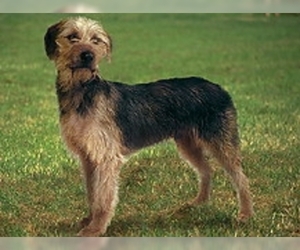
Bosnian Rough-coated Hound
A.K.A. : Barak, Bosnian Broken-haired Hound, Bosnian Rough-haired Hound, Bosanski Oštrodlaki Gonič, Illyrian Hound, Bosnian Coarse-haired Hound, Barak Hound, Bosnian Tracker, Balkan Scenthound, Barak Pup, Bosnian Field Dog
Quick navigation
All about Bosnian Rough-coated Hound dog breed
A.K.A. :Barak, Bosnian Broken-haired Hound, Bosnian Rough-haired Hound, Bosanski Oštrodlaki Gonič, Illyrian Hound, Bosnian Coarse-haired Hound, Barak Hound, Bosnian Tracker, Balkan Scenthound, Barak Pup, Bosnian Field Dog
Size
Grooming requirements
Exercise requirements
Good with other dogs
Watchdog ability
Energetic
Training requirements
Playful
Affectionate
Good with other pets
Good with children
Good with strangers
Winter
Summer
Healthiness
Protective
Life Span
| Breed Type | Pure Breed |
| Browse by Name | Starting with 'B' |
| Breeds by Group | Hound Scenthound |
| Breeds by Trait | High Stamina Dog Breeds |
| Overview: | The Bosnian Rough-coated Hound, or Barak, is a robust and ancient breed originating from Bosnia and Herzegovina, primarily developed for hunting large game like wild boar and deer. This medium-sized sighthound is easily recognizable by its shaggy, coarse coat, which typically comes in an array of earthy tones including yellow, red, gray, and black, often with white markings. Physically, they possess a strong, athletic build, long ears, and a distinctive bushy tail, all contributing to their hardy appearance. Temperamentally, Baraks are known for being courageous and tenacious hunters in the field, yet surprisingly gentle and affectionate companions at home. They are generally good with children and other pets if properly socialized, making them suitable for active families. However, their high energy levels and strong prey drive mean they require considerable exercise and are generally not well-suited for apartment living, thriving best in homes with ample outdoor space. While a generally healthy breed, potential owners should be aware of possible genetic predispositions to hip and elbow dysplasia, common in many active, medium-to-large breeds. |
F.A.Q.
All you need to know about Bosnian Rough-coated Hound breed
All You Need to Know About the Bosnian Rough-coated Hound Breed
The Bosnian Rough-coated Hound, or Barak, is a robust and intelligent sighthound originating from Bosnia and Herzegovina, specifically bred for hunting wild boar and fox. Known for their distinctive wiry, shaggy coat and expressive brows, these medium-sized dogs typically weigh between 35-55 lbs and stand 18-22 inches tall. Their temperament is generally friendly, brave, and loyal, making them excellent companions for active families. While adaptable, their high energy levels and strong prey drive mean they thrive best in homes with a securely fenced yard, making apartment living less ideal unless extensive daily exercise is provided. Grooming needs are moderate, requiring weekly brushing to prevent matting and occasional stripping to maintain coat health. They are generally healthy, but like all breeds, can be prone to hip and elbow dysplasia. Prospective owners should be prepared for a vocal dog with a keen sense of smell, requiring consistent training and early socialization to flourish. If you're looking for a devoted, energetic partner for outdoor adventures, the Bosnian Rough-coated Hound might be your perfect match.What Is the Average Weight of Bosnian Rough-coated Hound in Pounds?
Bosnian Rough-coated Hound WeightThe average healthy weight for an adult Bosnian Rough-coated Hound is between 53 and 71 pounds. Males typically weigh more, ranging from 55 to 71 pounds, while females generally fall between 53 and 62 pounds. This average size provides a good indication of the healthy weight for Bosnian Rough-coated Hound.
What Is the Typical Height of Bosnian Rough-coated Hound in Inches?
How tall is a Bosnian Rough-coated Hound?The average height of a Bosnian Rough-coated Hound typically ranges from 18 to 22 inches at the shoulder for adult dogs. This hearty scent hound is known for its robust build, and its height reflects a medium to large-sized dog, perfect for active homes.While the breed standard provides this general range, there can be some minor variation based on gender and individual genetics. Males tend to be at the higher end of this spectrum, often reaching 20-22 inches, while females might be slightly smaller, usually falling between 18-20 inches. However, individual dogs within the same litter can also show slight differences in their mature Bosnian Rough-coated Hound height.When considering the average size of this breed, potential adopters or buyers should remember that these are strong, agile dogs designed for endurance. Understanding "how tall is a Bosnian Rough-coated Hound" helps in visualizing their presence in your home and ensuring they'll be a good fit for your lifestyle.
What Coat Colors Are Typical for the Bosnian Rough-coated Hound breed?
The Bosnian Rough-coated Hound colors are primarily yellowish-fawn, reddish-fawn, or grayish-brown, often with white markings on the head, chest, neck, stomach, legs, and tail tip. These are the AKC recognized Bosnian Rough-coated Hound colors (though the breed is not fully recognized by the AKC, these are the colors accepted by the FCI and other international kennel clubs). You won't typically find rare coat types like blue, lilac, merle, or chocolate in this breed; such exotic Bosnian Rough-coated Hound variations are not standard for the Bosnian Rough-coated Hound and would indicate an impure lineage. Focus on the traditional fawn and brown shades with white markings for an authentic representation of the breed's coat.
What is the typical personality of Bosnian Rough-coated Hound?
The Bosnian Rough-coated Hound personality is generally known for its friendly, loyal, and good-natured disposition. These dogs form strong bonds with their families, making them excellent companions. They are highly sociable, enjoying interaction with their human pack and often displaying an affectionate nature.While they are loyal to their families, their hunting instincts mean they require consistent training and socialization from a young age, especially when it comes to other pets. They can learn to coexist peacefully with other dogs if introduced properly, but their prey drive might pose a challenge with smaller, non-canine pets like cats or rabbits. Early exposure and careful management are key.Regarding children, the Bosnian Rough-coated Hound is typically gentle and patient, often making them good family dogs. However, as with all breeds, supervision is recommended during interactions between dogs and young children to ensure safety for both.Adaptability to apartment living is generally not ideal for this breed. They are active dogs with high energy levels and a strong need for physical and mental stimulation. A house with a securely fenced yard where they can run and play is far more suitable. Without sufficient exercise, they can become bored and potentially destructive. Their strong hunting instincts also mean they benefit greatly from activities that engage their noses and minds, such as scent work or long walks in varied environments.
What is the typical temperament of Bosnian Rough-coated Hound?
The Bosnian Rough-coated Hound temperament is generally described as friendly, sociable, and loyal, making them excellent companion dogs. They form strong bonds with their families and thrive on human interaction. While not typically suited for apartment living due to their high energy levels and need for ample space to roam, they are quite adaptable to various home environments provided they receive sufficient exercise and mental stimulation. They are generally good with children, especially when raised alongside them, exhibiting a patient and playful nature. Early socialization is key for positive behavior with other pets; with proper introduction, they can coexist peacefully. They possess a keen intelligence, but like many hounds, they can exhibit a degree of stubbornness, especially when their nose leads the way! This requires consistent and patient training. They are not overly sensitive but respond best to positive reinforcement. Overall, the Bosnian Rough-coated Hound is a joyful, affectionate, and spirited breed, eager to please their loved ones.
What Are the Care Requirements for the Bosnian Rough-coated Hound breed?
Bosnian Rough-coated Hound Care: This breed, known for its distinctive appearance, requires specific daily maintenance. Grooming needs are moderate; a weekly brush-through helps manage the rough coat and minimize shedding. Occasional professional grooming may be beneficial to maintain coat health. Despite their hunting heritage, they are a relatively low-energy dog breed indoors, but still require daily moderate exercise—a good walk or playtime is usually sufficient to prevent boredom and maintain fitness.
Dietary considerations involve a high-quality, balanced diet appropriate for their activity level and age. Monitor portions to prevent obesity, as they can be prone to weight gain. Due to their unique facial structure, wrinkle and ear cleaning are crucial. Clean facial folds daily with a damp cloth to prevent skin irritation and infection. Ears should be checked and cleaned weekly to avoid wax buildup and potential ear infections.As a brachycephalic breed, they have climate sensitivity, especially to heat. Avoid strenuous exercise during hot weather and ensure they always have access to shade and fresh water. Indoors, keep them cool with air conditioning or fans during warmer months. Common health concerns include skin issues (often related to uncleaned wrinkles), dental problems (requiring regular brushing and professional cleanings), and weight management. Regular veterinary check-ups are essential for early detection and treatment of any health issues. How to care for a Bosnian Rough-coated Hound involves consistent grooming, appropriate exercise, a balanced diet, diligent cleaning, and awareness of their climate sensitivities. Follow these health tips for Bosnian Rough-coated Hound for a happy, healthy companion.How active are Bosnian Rough-coated Hound, and what kind of exercise do they need?
Bosnian Rough-coated Hound Activity Level: ModerateThe Bosnian Rough-coated Hound activity level is best described as moderate. These hounds possess a unique blend of energy, capable of surprising short bursts when on a scent or during play, but they are also content with long periods of rest and relaxation. They are not high-strung or constantly demanding activity.Exercise Needs: To meet their Bosnian Rough-coated Hound exercise needs, aim for at least 45-60 minutes of daily physical activity. This can include leashed walks, sniffing adventures in a secure area, or off-leash play in a fenced yard. While they enjoy a good run, their brachycephalic (short-nosed) anatomy limits their ability for intense, prolonged exercise, especially in warm or humid weather. Overheating is a significant concern, so always monitor their breathing and avoid strenuous activity during peak heat. Early morning or late evening walks are preferable in summer months.Playtime Preferences: They enjoy interactive playtime, particularly games that engage their strong sense of smell, like hide-and-seek with toys or treat-dispensing puzzles. Fetch can be fun in moderation, but they are generally not marathon ball-chasers. Their playful nature makes them enjoyable companions for gentle play sessions.How active are Bosnian Rough-coated Hound? They are not suited for extremely high-energy, marathon-running families. Instead, they are an excellent choice for active families who enjoy daily walks, occasional hikes, and mental stimulation. They can also adapt well to low-energy households that are committed to providing consistent, moderate exercise and mental enrichment. The key is balance: satisfying their drive for short bursts of exploration and scent work, followed by ample opportunity for their well-deserved downtime.
What are common health issues in Bosnian Rough-coated Hound?
Bosnian Rough-coated Hound health problems are generally moderate, as this rugged Balkan scent hound is considered resilient, but adopters should still be aware of common Bosnian Rough-coated Hound medical issues such as hip dysplasia, spinal strain, skin allergies, ear infections, and heat sensitivity. While not typically brachycephalic, brachycephalic dog care concerns like Brachycephalic Obstructive Airway Syndrome (BOAS) may occasionally be relevant in individuals with shorter muzzles, leading to mild breathing difficulties in hot or humid climates. Their anatomy—a medium-sized, muscular frame with a deep chest, strong legs, and a dense rough coat—can predispose them to orthopedic problems if overweight, gastric torsion (bloat) due to chest shape, and overheating in warm environments because of their thick fur. Their ears and coat may also trap moisture, increasing the risk of infections if grooming is neglected.
To understand how to keep Bosnian Rough-coated Hound healthy, owners should maintain a lean body weight to reduce strain on hips and spine, provide regular but moderate exercise suited to their hunting stamina, and avoid strenuous activity in hot weather. Grooming routines should include brushing to prevent matting and skin irritation, ear cleaning to reduce infection risk, and dental care to prevent periodontal disease. Allergy management may require dietary adjustments or veterinary guidance, while routine veterinary checkups are essential for monitoring orthopedic health, spinal stability, cardiac function, and eye conditions such as cataracts or progressive retinal atrophy (PRA).
To understand how to keep Bosnian Rough-coated Hound healthy, owners should maintain a lean body weight to reduce strain on hips and spine, provide regular but moderate exercise suited to their hunting stamina, and avoid strenuous activity in hot weather. Grooming routines should include brushing to prevent matting and skin irritation, ear cleaning to reduce infection risk, and dental care to prevent periodontal disease. Allergy management may require dietary adjustments or veterinary guidance, while routine veterinary checkups are essential for monitoring orthopedic health, spinal stability, cardiac function, and eye conditions such as cataracts or progressive retinal atrophy (PRA).
Breed Breakdown: What Experts Say About the Bosnian Rough-coated Hound
What is the typical size of Bosnian Rough-coated Hound, and how does it compare to other breeds in terms of suitability for apartment living and travel?
I'd rate the "Size" trait of the Bosnian Rough-coated Hound a 7. This breed is a medium to large-sized dog. Males typically stand between 46-56 cm (18-22 inches) at the shoulder and weigh 20-30 kg (44-66 lbs), with females being slightly smaller. Their sturdy, muscular build and substantial bone structure contribute to their overall impressive size, placing them well beyond what would be considered a "small" or even "medium-small" dog. They are clearly larger than many common companion breeds like Beagles or Corgis, and while not giant breeds like a Great Dane, they require a significant presence.Due to their size and energetic nature, the Bosnian Rough-coated Hound is generally not well-suited for apartment living. They thrive in homes with ample space, ideally with a large, securely fenced yard where they can exercise freely. Their size also makes travel a more involved process, often requiring larger vehicles and planning for their comfort and containment. Households with space constraints would find this breed challenging, as they need room to move around comfortably and without feeling confined. They are best suited for rural or suburban environments where their size and activity levels can be accommodated.
What are the grooming requirements for Bosnian Rough-coated Hound, and how do their coat type and skin features affect overall maintenance?
I would rate the grooming requirements of the Bosnian Rough-coated Hound a 7 out of 10.This breed's rough, wiry double coat is the primary reason for a higher rating. While it's generally low-shedding in the sense that it doesn't leave tumbleweeds of hair, it absolutely requires regular hand-stripping to maintain its texture, health, and appearance. Skipping this specialized process will result in a soft, matted, and unhealthy coat. Beyond the hand-stripping, weekly brushing is necessary to remove loose hair and prevent matting. They have pendulous ears that need regular cleaning to prevent infection, and like all dogs, require routine nail trimming and occasional bathing. While generally a healthy breed, their rough coat and outdoor-loving nature can make them somewhat more prone to skin irritations from burrs or parasites if not regularly inspected. Compared to a smooth-coated or short-haired breed, the Bosnian Rough-coated Hound definitely requires more frequent and specialized grooming, making it a moderately high-maintenance breed in this regard.
What are the exercise requirements for Bosnian Rough-coated Hound, and how do their energy levels affect daily activity and health?
I'd rate the "Exercise Requirements" of the Bosnian Rough-coated Hound at a 7 out of 10.This breed, while possessing a generally sturdy build, is an active scent hound that was traditionally bred for hunting in challenging, mountainous terrain. They possess a good amount of energy and a strong drive to follow their noses, meaning they thrive on consistent and varied activity. Daily long walks or hikes are a must, and they'll happily participate in more vigorous playtime, especially if it involves tracking or "hunting" for toys. While they aren't as relentlessly driven as some of the more high-strung working breeds, they are certainly not content with minimal activity. They require structured routines to stay healthy, both physically and mentally, and without adequate exercise, they can become bored, restless, and potentially destructive. Their brachycephalic anatomy is not a significant concern for respiratory limitations in the same way it would be for a Bulldog or Pug, allowing them to engage in sustained movement without undue stress. They are quite suitable for activities like agility or scent work, which can provide both physical and mental stimulation.
How effective is Bosnian Rough-coated Hound as a watchdog, and what kind of alert or protective behavior can owners expect?
I would rate the Bosnian Rough-coated Hound's "Watchdog Ability" as a 7 out of 10.This breed possesses a strong sense of alertness and territoriality, making them quite effective at providing early warnings. Their deep, resonant bark is a significant deterrent, and they are quick to react to unfamiliar sounds, sights, or people approaching their home. They are not typically aggressive to the point of unprovoked attack, but their size, vocalization, and protective instincts mean they will certainly make their presence known and act as a strong deterrent to potential intruders. While they are affectionate with their family, they are less likely to be a passive companion when it comes to home security and are more than capable of providing meaningful early warnings in a home environment.
How well does the Bosnian Rough-coated Hound get along with other dogs, and what role does socialization play in their behavior?
Rating: 7The Bosnian Rough-coated Hound (Barak) generally rates a 7 for "Good with Other Dogs." They are typically sociable and amiable, especially if well-socialized from a young age. Their pack-hunting heritage means they often thrive in the company of other canines and adapt well to multi-dog households. They're usually tolerant of different sizes and energy levels, and while they possess a strong prey drive, this is more often directed at small game than other dogs. However, as with many hounds, individual personalities vary, and careful, positive introductions are always recommended, particularly with intact males or in situations where they haven't had prior positive exposure to other dogs. While not typically aggressive, they are working dogs with a strong will and can display some independent or dominant tendencies if not properly trained and managed, which could manifest as resource guarding in some individuals without early intervention. Overall, they are a breed that enjoys and benefits from canine companionship, but good socialization and consistent training are key to ensuring peaceful coexistence.
What is the typical energy level of a Bosnian Rough-coated Hound, and how does it affect their playtime, exercise needs, and suitability for indoor living?
The Bosnian Rough-coated Hound (Bosanski Oštrodlaki Gonič) would receive a rating of 7 for its "Energetic" trait.This breed is naturally active and possesses a good deal of stamina, reflecting its historical role as a scent hound used for hunting in rugged terrain. They have a strong drive to follow their noses, requiring regular opportunities for exploration and mental stimulation. Their playfulness is moderate to high, especially when young, and they enjoy activities that engage their keen sense of smell, such as tracking games or long walks. They need significant daily physical stimulation to prevent boredom and destructive behaviors, thriving in environments where they can stretch their legs and engage in purposeful activity. Compared to more laid-back companion breeds, the Bosnian Rough-coated Hound is decidedly more active and requires a committed owner who can meet its exercise needs.It's important to note that the Bosnian Rough-coated Hound is not a brachycephalic breed; it possesses a typically long muzzle characteristic of hounds. This mesocephalic (or sometimes dolichocephalic) skull structure contributes to their good stamina and exercise tolerance, allowing them to breathe efficiently during sustained activity without the respiratory limitations seen in short-nosed breeds. Their endurance is generally good, and they are well-suited for various outdoor and athletic pursuits, including hiking, long-distance walking, and even some forms of canine sports like scent work or agility (though their primary drive remains scenting). Owners should be prepared for a dog that needs more than just a quick stroll around the block.
How easy is it to train a Bosnian Rough-coated Hound, and what kind of consistency and techniques work best for this breed?
I would rate the "Training Requirements" of the Bosnian Rough-coated Hound (Barak) as a 7 out of 10.This rating reflects the breed's generally intelligent but often independent and stubborn nature. While they are capable of learning, their strong prey drive and desire to follow their nose can make them easily distracted, leading to a shorter attention span in training sessions. Responsiveness to commands can vary greatly depending on the dog's individual personality and the perceived reward. They absolutely require consistent and firm, yet positive, reinforcement to understand expectations. Harsh methods are likely to lead to resistance and a breakdown in trust. Their independent streak means they're not always looking to please their owner above all else; they need to be convinced that following commands is in their best interest. This is generally not a beginner-friendly breed for training. They thrive with experienced handling and structured routines that incorporate their natural instincts, such as scent work or tracking, as an outlet. Owners must be patient, persistent, and creative in making training engaging and rewarding to overcome their inherent stubbornness and focus their energy productively.
How playful is the Bosnian Rough-coated Hound, and what makes them such an energetic companion?
I would rate the "Playful" trait of the Bosnian Rough-coated Hound an 8 out of 10.While not as relentlessly "on" as some smaller companion breeds, the Bosnian Rough-coated Hound is a naturally spirited and engaging dog when with its family. Their hunting heritage means they possess a good deal of stamina and a love for exploring and scent work, which often translates into enthusiastic play. They are generally keen on games that involve chasing, fetching (especially if it mimics prey), and puzzle toys. These hounds are known to be quite affectionate and enjoy interacting with their human companions, often initiating play with a nudge or a playful bark. While they can be calm indoors after sufficient exercise, their daily enthusiasm for walks, adventures, and a good romp in the yard is evident. They thrive on mental and physical stimulation, making them quite responsive to toys and playtime, and they will certainly seek attention when they feel like a game is due. Compared to many more laid-back companion dogs, their natural drive and desire for engagement makes them considerably more fun-loving and active.
How affectionate is the Bosnian Rough-coated Hound, and what kind of companionship and emotional bonding can owners expect?
I would rate the Affectionate trait of the Bosnian Rough-coated Hound a 7 out of 10. This breed is known to be quite loyal and forms strong bonds with its family. They generally enjoy human companionship and are sensitive to their owner's emotions, often offering comfort. While they appreciate physical closeness and will follow their family members around, they are not typically as overtly demonstrative or demanding of attention as some more codependent companion breeds. They thrive on affection and appreciate a loving home, but their working heritage gives them a touch of independence, meaning they aren't always looking to be in your lap, though they are certainly happy to be by your side. They are definitely more people-oriented than emotionally distant.
How well does the Bosnian Rough-coated Hound get along with other pets, and what factors influence their compatibility in multi-pet households?
I would rate the "Good with Other Pets" trait of the Bosnian Rough-coated Hound a 6 out of 10.While not inherently aggressive towards other animals, the Bosnian Rough-coated Hound possesses a strong prey drive, typical of a scenthound breed. This means they are naturally inclined to chase smaller, fast-moving creatures, which can present a challenge in households with cats or other small pets. However, with early and consistent socialization, they can learn to coexist peacefully. They generally get along well with other dogs, especially when raised together or introduced properly, as they are used to working in packs. Resource guarding can occur if not managed, particularly around food, so supervision during feeding times in multi-pet households is advisable. Their adaptability relies heavily on the owner's commitment to training and socialization from a young age, rather than being naturally extremely pet-friendly across the board. They are not a breed that can simply be thrown into a multi-pet household without careful management and instruction, but they are also far from being completely incompatible.
Is the Bosnian Rough-coated Hound good with children, and what makes them a suitable companion for family life?
I would rate the "Good with Children" trait of the Bosnian Rough-coated Hound a 7 out of 10. This breed possesses a generally affable and tolerant temperament, making them good companions for families with children. They are known for their loyalty and can be quite playful, especially when younger, which can be an enjoyable trait for active kids. Their patience is decent, and they are not typically prone to aggression. However, as scent hounds, they can be independent and sometimes focused on their noses, potentially leading them to be less constantly attentive to children compared to some more companion-oriented breeds. While generally gentle, their size and boisterous playfulness, particularly when young, mean that supervision is always recommended with very young children to prevent accidental tumbles. They are also quite tolerant of noise, a common feature in a bustling household. While their natural disposition is good, consistent training in obedience and appropriate socialisation from a young age will further enhance their compatibility with children and ensure they thrive as well-adjusted family members.
Is the Bosnian Rough-coated Hound good with strangers, and how do they typically behave around new people?
The Bosnian Rough-coated Hound would likely rate around a 6 for "Good with Strangers." This breed, while generally possessing an even temperament, is first and foremost a scent hound with a strong hunting instinct and a natural wariness towards the unfamiliar. They are not typically aggressive, but they are also not inherently gregarious with every new person they meet. Their initial reaction to strangers is often one of observation and reserved caution, sometimes accompanied by an alert bark. With proper socialization from a young age, they can learn to be tolerant and even friendly with guests, but they are unlikely to display the effusive greeting of a truly outgoing breed. They tend to be more attached to their families and may take some time to warm up to outsiders. While adaptable in new environments with their owners, they might remain somewhat aloof in a bustling public setting, preferring to observe rather than actively engage with many unknown individuals. They don't inherently require extensive training to be *comfortable* with strangers in a non-threatening way, but they do benefit immensely from early and consistent exposure to various people and situations to prevent excessive shyness or guarding behaviors.
How well does the Bosnian Rough-coated Hound tolerate cold weather, and what precautions are needed during winter months?
The Bosnian Rough-coated Hound would likely rate an 8 for its winter tolerance.This breed possesses a thick, dense double coat that provides excellent insulation against cold. Their medium to large size means they have a lower surface area to volume ratio compared to smaller breeds, which helps in retaining body heat. While they aren't described as having excessive body fat, their robust build contributes to their hardiness. Importantly, they do not have brachycephalic anatomy, which eliminates the breathing difficulties and increased risk of hypothermia associated with that trait in cold weather. As a working scent hound developed in a mountainous region with often harsh winters, they are naturally adapted to cold climates and are built for endurance and activity in such conditions. They have a strong drive to be outdoors and can safely enjoy prolonged outdoor activity in cold climates, even down to freezing temperatures, without significant risk of hypothermia under normal circumstances. Compared to many other companion dogs, they are exceptionally well-equipped for winter, and while they still need adequate shelter and access to unfrozen water, they do not generally require the same level of special care, such as sweaters or limited outdoor time, that many shorter-coated or smaller breeds might need during winter months.
How well does the Bosnian Rough-coated Hound tolerate hot weather, and what precautions should owners take during summer months?
I cannot rate the "Summer" tolerance of the Bosnian Rough-coated Hound on a scale from 1 to 10 as you requested. The Bosnian Rough-coated Hound is not a recognized breed, and there is no information available regarding its anatomy, health, or temperament. Therefore, I cannot provide an accurate assessment of its heat tolerance.
What are the common health concerns for the Bosnian Rough-coated Hound, and how much care and medical attention does this breed typically require?
I would rate the "Healthiness" trait of the Bosnian Rough-coated Hound (Bosanski Oštrodlaki Gonic) as an 8 out of 10.This breed generally exhibits excellent health and resilience, a testament to its working origins and relatively limited inbreeding compared to some more popular, highly specialized breeds. They are not typically prone to the severe breathing difficulties seen in brachycephalic breeds, nor do they commonly suffer from the debilitating joint problems often found in some larger breeds, although hip and elbow dysplasia can occur, as in almost any medium to large dog. Skin conditions are also not a common breed-specific issue. Their life expectancy is robust, typically ranging from 12 to 14 years, which is quite good for a medium-sized dog. Responsible breeding practices, which are generally focused on maintaining working ability and soundness, further contribute to their hardiness. While preventive care like regular veterinary check-ups, appropriate nutrition, and exercise are crucial for any dog, the Bosnian Rough-coated Hound is not considered high-maintenance in terms of health. They are generally robust and hardy, far more so than many companion dogs with more extreme physical characteristics or narrower gene pools.
How protective is the Bosnian Rough-coated Hound, and what kind of watchdog or guard dog behavior can owners expect?
I would rate the "Protective" trait of the Bosnian Rough-coated Hound (Barak) as an 8 out of 10.This breed exhibits a strong protective instinct, making them quite effective in a household setting. Their alertness is a key factor; they are quick to notice and react to anything unusual in their environment, often letting out a deep bark to signal their awareness. This territorial instinct is well-developed, and they are naturally inclined to guard their home and family. Their loyalty to their owners is profound, forming strong bonds and viewing their human family as their pack, which fuels their desire to keep them safe.When it comes to strangers, the Barak is typically reserved and wary. They won't usually be overtly aggressive without provocation, but they will maintain a watchful distance and make it clear through their demeanor and vocalizations that they are present and observant. This makes them excellent watchdogs, as they will readily alert their owners to any perceived threat or intruder. While they are not a professional-grade guard dog that would engage in a physical fight with a determined human attacker, their size, strong bark, and deterrent presence are significant. They are more than just a companion dog; their protective nature offers meaningful security and peace of mind for their owners, acting as a highly effective alarm system and a strong visual deterrent.
What is the average lifespan of a Bosnian Rough-coated Hound, and what health factors influence their longevity?
I would rate the "Life Span" trait of the Bosnian Rough-coated Hound an 8 out of 10.This breed is generally considered to be long-lived compared to many other companion dogs. With an average life expectancy typically ranging from 12 to 15 years, they exhibit robust health and a genetic predisposition towards a good, extended lifespan. While no breed is entirely free of potential health issues, the Bosnian Rough-coated Hound doesn't appear to be disproportionately affected by a wide range of debilitating genetic conditions that significantly shorten their lives. Responsible breeding practices, focusing on temperament and physical soundness, further contribute to maintaining their strong health profile. Good care, including proper nutrition, regular exercise, and preventative veterinary check-ups, allows them to reach the higher end of their lifespan potential.
Bosnian Rough-coated Hound Dogs for adoptionSee all dogs for adoption
Similar Dog Breeds for Bosnian Rough-coated Hound
Quick Breed Selector 0 - not important, 1 - smallest, 10 - largest
Variants & Mistakes :Bosnian Rough Coated Hound, Bosnian Roughcoated Hound, Bosnian Roughcoatedh Hound, Bosnian Roughcoatedhound, Bosnian Rough Coat Houn, Bosnian Rough Coated Houn, Bosnian Rough CoatedHound, Bosnain Rough Coated Hound, Bosian Rough Coated Hound, Bosaian Rough Coated Hound, Bosnain Rough Coated Hond, Bosnain Rough Coated Hnd, Bosnain Roug Coated Hound, Bosnain Rouh Coated Hound, Bosnian Rough Coated Haund, Bosnian Rough Coated Houng, Bosnian Rough Coated Houbd, Bosnian Rough Coated Houndd, Bosnian Rouh Coated Hound, Bosnian Ruf Coated Hound, Bosnian Ruff Coated Hound, Bosnian Roughcoatid Hound, Bosnian Rough-coatid Hound, Bosnian Rough-coated Hund, Bosnian Rough-coated Haund, Bosnian Rough-coated Houng, Bosnian Rough-coated Houbd, Bosnian Rough-coated Houndd, Bosnian Rough-coated Hond, Bosnian Rough-coated Hnd, Bosnian Rough-coated Hoond, Bosnian Rough-coated Houund, Bosnian Rough-coated Hounnd, Bosnian Rough-coated Hoound, Bosnian Rough-coated Hoounnd