Pure Breeds
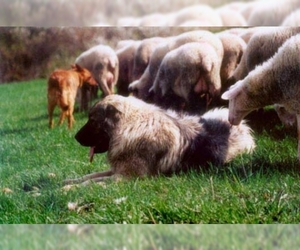
Caucasian Shepherd Dog
A.K.A. : Georgian Shepherd Dog, Russian Bear Dog, Caucasian Mountain Dog, Kavkazskaya Ovcharka, Kavkazets, CO, Caucasian Ovcharka, Kavkaz, Caucasian Ovtcharka, Nagazi, Caucasian Sheepdog, Kavkazskiy Volkodav, Kavkazskaya Sobaka, Russian Guard Dog
Quick navigation
All about Caucasian Shepherd Dog dog breed
A.K.A. :Georgian Shepherd Dog, Russian Bear Dog, Caucasian Mountain Dog, Kavkazskaya Ovcharka, Kavkazets, CO, Caucasian Ovcharka, Kavkaz, Caucasian Ovtcharka, Nagazi, Caucasian Sheepdog, Kavkazskiy Volkodav, Kavkazskaya Sobaka, Russian Guard Dog
Size
Grooming requirements
Exercise requirements
Good with other dogs
Watchdog ability
Energetic
Training requirements
Playful
Affectionate
Good with other pets
Good with children
Good with strangers
Winter
Summer
Healthiness
Protective
Life Span
| Breed Type | Pure Breed |
| Browse by Name | Starting with 'C' |
| Breeds by Group | Flock Guards & Mastiffs Working |
| Breeds by Trait | Good With Kids High Stamina Dog Breeds |
| Overview: | The Caucasian Shepherd Dog, often called the Caucasian Ovcharka, is a majestic and ancient breed originating from the Caucasus Mountains, primarily used for guarding livestock against predators. These impressive dogs are known for their immense size and powerful build, typically featuring a thick, weather-resistant double coat that can be long or medium in length, and come in various colors. Temperament-wise, they are fiercely loyal and protective of their families, displaying natural guarding instincts. While generally calm and confident, their independence and strong will necessitate experienced owners who can provide consistent training and socialization from a young age. Due to their formidable size and territorial nature, they are generally not suitable for apartment living and thrive in homes with ample secure outdoor space. Owners should be aware of potential health concerns common to large breeds, such as hip and elbow dysplasia, as well as cardiac issues, making regular veterinary check-ups important. |
F.A.Q.
All you need to know about Caucasian Shepherd Dog breed
All You Need to Know About the Caucasian Shepherd Dog BreedThe magnificent Caucasian Shepherd Dog, originating from the mountainous regions of the Caucasus, is a powerful and ancient guardian breed. Known for their formidable size and bear-like appearance, these dogs possess a naturally protective and courageous temperament. They are fiercely loyal to their families but can be reserved with strangers, making early socialization crucial. Physically, they boast a robust build with a thick double coat, typically in shades of grey, fawn, or brindle, requiring moderate grooming to prevent matting, especially during shedding seasons. Due to their large size and strong guarding instincts, they are generally not suited for apartment living or first-time dog owners. They thrive in homes with ample secure outdoor space and experienced handlers who can provide consistent training and meet their moderate exercise needs. Potential health concerns include hip and elbow dysplasia, common in large breeds. For families seeking a dedicated and imposing protector, the Caucasian Ovcharka can be an incredible companion.
What Is the Average Weight of Caucasian Shepherd Dog in Pounds?
Caucasian Shepherd Dog Weight GuideThe average weight for an adult Caucasian Shepherd Dog is between 110-170 pounds. Understanding the healthy weight for Caucasian Shepherd Dog is crucial, with variations typical between sexes:* Males: Typically weigh 130-170 pounds.* Females: Generally lighter, ranging from 110-140 pounds.This Caucasian Shepherd Dog weight information provides a good indicator of the average size for this magnificent breed.
What Is the Typical Height of Caucasian Shepherd Dog in Inches?
Wondering about the Caucasian Shepherd Dog height? You've come to the right place! These majestic guardians are known for their impressive size, and understanding their typical dimensions is key whether you're a prospective owner or simply curious.
The average height of a Caucasian Shepherd Dog is generally in the range of 25 to 30 inches (64 to 76 cm) when measured at the shoulder (withers) for an adult. This makes them one of the larger working breeds.However, it's important to note that there can be some variation:- Males typically fall on the higher end of this spectrum, often reaching 27 to 30 inches.
- Females are usually slightly smaller, generally ranging from 25 to 28 inches.
What Coat Colors Are Typical for the Caucasian Shepherd Dog breed?
The Caucasian Shepherd Dog colors are diverse, catering to a range of preferences. Officially recognized and accepted by major kennel clubs like the AKC are shades of brindle, fawn, cream, white, gray, tan, and sable. These are considered standard and you'll commonly find puppies in these classic hues.For those seeking rare coat types and exotic Caucasian Shepherd Dog variations, there are also non-standard colors that, while striking, are not recognized by the AKC or other major kennel clubs for show purposes. These include blue, lilac, merle, and chocolate. While visually appealing, potential adopters should be aware that these exotic Caucasian Shepherd Dog variations may sometimes be associated with health concerns due to the genetics responsible for their unique pigmentation. Pricing for puppies with these rare coat types can vary significantly, often reflecting their uncommonness. When searching for an AKC recognized Caucasian Shepherd Dog colors, stick to the brindle, fawn, cream, white, gray, tan, and sable options.
What is the typical personality of Caucasian Shepherd Dog?
The Caucasian Shepherd Dog personality is characterized by a strong, protective, and independent nature. Originally bred as livestock guardians, their temperament is inherently loyal and devoted to their family, but often wary of strangers. They are not typically friendly with everyone and require extensive socialization from a young age to develop appropriate behavior in varied situations. Loyalty to their family is paramount, and they form deep bonds with their chosen humans.Sociability with other dogs and pets can be challenging due to their dominant and territorial instincts. Early and consistent positive exposure to other animals is crucial, but they may always exhibit a desire to be the pack leader. Adaptability to apartment living is very poor; these are large, active dogs that require ample outdoor space and a job to do. They thrive in environments where they can patrol and protect their territory. With children, Caucasian Shepherd Dogs can be very gentle and protective of "their" children when properly socialized and raised with them. However, due to their size and protective instincts, supervision is always recommended, especially with unfamiliar children. They are not a breed for novice owners. Their strong will and powerful build demand an experienced handler committed to consistent training and socialization.
What is the typical temperament of Caucasian Shepherd Dog?
The Caucasian Shepherd Dog temperament is characterized by immense loyalty and protectiveness towards their family. They are not naturally friendly or sociable with strangers, exhibiting a reserved and watchful demeanor. This breed is highly loyal to its immediate family but generally not suitable for apartment living due to their large size, need for ample space, and strong guardian instincts. Regarding behavior with children, they can be very tolerant and protective of children within their own family, but proper socialization and supervision are crucial, especially with unfamiliar children. They are typically not good with other pets due to their strong prey drive and dominant nature, requiring careful introduction and constant supervision if integrating with existing animals.Caucasian Shepherds can be stubborn and possess an independent streak, making consistent training from an early age essential. They are also quite sensitive to harsh correction, responding best to positive reinforcement and a firm, confident leader. This breed is an excellent companion dog behavior for experienced owners seeking a dedicated protector, but their unique personality traits require understanding and commitment.
What Are the Care Requirements for the Caucasian Shepherd Dog breed?
Caucasian Shepherd Dog Care: Daily Maintenance and Health TipsCaring for a Caucasian Shepherd Dog requires understanding their unique needs. Despite their size, they are a low-energy dog breed indoors, making their exercise requirements moderate but consistent. Daily walks and secure yard access are essential.Grooming needs are significant. Their thick double coat requires weekly brushing to prevent matting and manage shedding. During shedding season, daily brushing is often necessary. Wrinkle and ear cleaning are crucial; their facial folds can trap moisture and debris, leading to infections. Clean and dry these areas regularly.Dietary considerations for a large breed like the Caucasian Shepherd are paramount. A high-quality, protein-rich diet formulated for large breeds is recommended, with careful attention to portion control to prevent obesity. Weight management is a key aspect of their long-term health.This breed has climate sensitivity due to brachycephalic anatomy, meaning they can overheat easily in warm weather. Provide ample shade and fresh water, and avoid strenuous exercise during hot periods.Common health concerns include skin issues due to their dense coat and facial folds. Regular cleaning and veterinary check-ups are vital. Dental care is also critical; daily brushing and professional cleanings can prevent periodontal disease. Owners should be aware of potential joint issues common in large breeds. Regular veterinary check-ups and a balanced diet are key for how to care for a Caucasian Shepherd Dog effectively.
How active are Caucasian Shepherd Dog, and what kind of exercise do they need?
The Caucasian Shepherd Dog activity level is moderate, balancing short bursts of energy with long periods of rest. Despite their large size, Caucasian Shepherd Dogs are not overly active. They typically have a calm demeanor indoors but require consistent daily exercise needs to maintain health and prevent boredom.Expect about 30-60 minutes of moderate activity each day. This can include leashed walks, supervised outdoor play in a securely fenced yard, or mental stimulation through training. They enjoy a good romp but are not suited for long-distance running or intense athletic activities. Their playtime preferences lean towards engaging with their owner or exploring their surroundings rather than constant, high-energy games.Due to their brachycephalic (short-nosed) anatomy, Caucasian Shepherd Dogs are sensitive to heat and humidity. Strenuous exercise in warm weather should be strictly avoided to prevent overheating and respiratory distress.How active are Caucasian Shepherd Dogs? They are more suited for households that appreciate a powerful but relatively low-to-moderate energy companion. While they can adapt to active families who provide consistent, appropriate exercise, they are generally not ideal for high-energy households seeking a dog for intense sports or very long runs. They are well-suited for families who understand their specific exercise needs and limitations, offering a balance of activity and ample downtime.
What are common health issues in Caucasian Shepherd Dog?
Caucasian Shepherd Dog health problems are generally moderate, as this giant guardian breed is considered robust, but adopters should still be aware of common Caucasian Shepherd Dog medical issues such as hip dysplasia, elbow dysplasia, spinal strain, heart conditions, eye disorders, skin infections, allergies, and heat sensitivity. While not typically brachycephalic, brachycephalic dog care concerns like Brachycephalic Obstructive Airway Syndrome (BOAS) may occasionally be relevant in individuals with shorter muzzles. Their anatomy—a massive, deep-chested frame with heavy bone structure and a thick double coat—can predispose them to orthopedic problems if overweight, gastric torsion (bloat) due to chest shape, and overheating in hot climates because of their dense fur. Their skin folds and ears may also trap moisture, leading to infections if grooming is neglected.
To understand how to keep Caucasian Shepherd Dog healthy, owners should maintain a lean body weight to reduce strain on hips and spine, provide regular but moderate exercise suited to their guarding stamina, and avoid strenuous activity in hot weather. Grooming routines should include brushing to manage shedding and prevent skin irritation, ear cleaning to reduce infection risk, and dental care to prevent periodontal disease. Allergy management may require dietary adjustments or veterinary guidance, while routine veterinary checkups are essential for monitoring orthopedic health, spinal stability, cardiac function, and eye conditions such as cataracts or progressive retinal atrophy (PRA).
In addition to these concerns, Caucasian Shepherd Dogs may inherit breed-specific risks such as epilepsy, hypothyroidism, and congenital heart disease. Preventive screenings, responsible breeding, and consistent veterinary monitoring are key to minimizing these risks and supporting long-term wellness. With proactive care, adopters and buyers can ensure this loyal, intelligent, and protective guardian dog remains strong, healthy, and happy throughout its life.
To understand how to keep Caucasian Shepherd Dog healthy, owners should maintain a lean body weight to reduce strain on hips and spine, provide regular but moderate exercise suited to their guarding stamina, and avoid strenuous activity in hot weather. Grooming routines should include brushing to manage shedding and prevent skin irritation, ear cleaning to reduce infection risk, and dental care to prevent periodontal disease. Allergy management may require dietary adjustments or veterinary guidance, while routine veterinary checkups are essential for monitoring orthopedic health, spinal stability, cardiac function, and eye conditions such as cataracts or progressive retinal atrophy (PRA).
In addition to these concerns, Caucasian Shepherd Dogs may inherit breed-specific risks such as epilepsy, hypothyroidism, and congenital heart disease. Preventive screenings, responsible breeding, and consistent veterinary monitoring are key to minimizing these risks and supporting long-term wellness. With proactive care, adopters and buyers can ensure this loyal, intelligent, and protective guardian dog remains strong, healthy, and happy throughout its life.
Breed Breakdown: What Experts Say About the Caucasian Shepherd Dog
What is the typical size of Caucasian Shepherd Dog, and how does it compare to other breeds in terms of suitability for apartment living and travel?
I'd rate the "Size" trait of the Caucasian Shepherd Dog a 9 out of 10. This breed is undeniably very large, easily making them one of the most massive companion dog breeds. Males typically stand between 28-30 inches tall and can weigh anywhere from 110 to over 170 pounds, with females slightly smaller but still substantial. Their robust, muscular body structure adds to their imposing presence, making them significantly larger than most other large breeds like German Shepherds or Golden Retrievers. Due to their immense size, the Caucasian Shepherd Dog is absolutely not suited for apartment living, travel (unless in a very specialized large vehicle), or households with space constraints. They require vast amounts of space, ideally a large yard or acreage, to move around comfortably and avoid feeling cramped.
What are the grooming requirements for Caucasian Shepherd Dog, and how do their coat type and skin features affect overall maintenance?
I would rate the grooming requirements of the Caucasian Shepherd Dog at a 7 out of 10.While not as demanding as some long-haired breeds that require daily professional grooming, the Caucasian Shepherd Dog's dense, double coat is a significant factor in its moderate to high maintenance. They are heavy seasonal shedder, particularly during spring and fall, which necessitates frequent brushing – at least 2-3 times a week, and daily during shedding season – to prevent matting and control the abundant loose fur. Their thick undercoat can easily tangle if neglected, potentially leading to painful skin irritation. While they don't typically have extensive skin folds requiring specialized care, their long fur around the ears and feet can trap dirt and moisture, making regular ear cleaning and nail trimming important to prevent infections and discomfort. Bathing is usually only needed a few times a year, unless they get particularly dirty, but their sheer size makes bathing and drying a considerable undertaking. Compared to many other companion dogs, the sheer volume of their coat and their shedding frequency means they are far from easy to care for and definitely require consistent, dedicated grooming efforts.
What are the exercise requirements for Caucasian Shepherd Dog, and how do their energy levels affect daily activity and health?
I would rate the "Exercise Requirements" of the Caucasian Shepherd Dog breed at a 6 out of 10.While not in the same league as a Border Collie or a Malinois requiring constant, intense stimulation, the Caucasian Shepherd Dog is far from a sedentary couch potato. Their history as livestock guardians means they are built for endurance and patrolling, rather than short bursts of speed. They possess a surprising amount of stamina and a desire to be "working," even if that work is just accompanying you on a long walk around the property. They thrive on having a purpose and structured routine, which often includes a significant amount of moderate daily activity.Daily activity recommendations typically involve at least an hour to two of moderate exercise, such as brisk walking, hiking, or off-leash exploration in a secure area. They can tolerate sustained movement well, especially in cooler weather. While their size and bone structure might make high-impact agility less ideal, they can enjoy activities that involve mental stimulation combined with physical exertion, like scent work or basic obedience drills during their walks. Their respiratory systems are generally robust and not hampered by brachycephalic anatomy, allowing for good endurance. They are not a breed that thrives with minimal activity; insufficient exercise can lead to boredom, destructive behaviors, and weight gain. They need structured routines to stay both physically healthy and mentally stimulated, preventing them from becoming restless or developing behavioral issues rooted in a lack of outlet for their natural drives.
How effective is Caucasian Shepherd Dog as a watchdog, and what kind of alert or protective behavior can owners expect?
I would rate the Caucasian Shepherd Dog's "Watchdog Ability" as a 9 out of 10.The Caucasian Shepherd Dog is far from a passive companion and excels in providing meaningful early warnings in a home environment. Their inherent purpose as livestock guardians has instilled in them an exceptional level of alertness and territorial instinct. They are quick to detect anything out of the ordinary, whether it's an unfamiliar sound on their property or the presence of a stranger. This breed is known for its deep, resonant bark, which they readily employ to announce potential threats, effectively serving as an early warning system. They possess a strong drive to protect their family and territory, making them highly vigilant. While not always overtly aggressive without cause, their sheer size and imposing presence, combined with their willingness to deter intruders through barking and a formidable stance, are significant deterrents. They are not easily fooled and will often scrutinize unfamiliar individuals with a wary eye, making it clear that they are on guard.
How well does the Caucasian Shepherd Dog get along with other dogs, and what role does socialization play in their behavior?
I would rate the "Good with Other Dogs" trait of the Caucasian Shepherd Dog breed a 3 out of 10.Caucasian Shepherd Dogs are generally not known for their innate sociability with unfamiliar dogs. Their strong protective instincts and inherent guarding nature often translate into a cautious, dominant, and sometimes aggressive stance towards other canines, particularly those perceived as encroaching on their territory or challenging their status. While early and consistent socialization from a very young age can significantly mitigate some of these tendencies, it rarely transforms them into truly "dog-friendly" animals in the typical sense. They tend to be highly selective, and even with extensive socialization, they often require careful, controlled introductions and constant supervision in multi-dog households, especially with dogs of the same sex or similar dominant personalities. Their size and power mean that even a minor disagreement can escalate quickly and have serious consequences. They are not a breed that generally thrives in canine company outside of a very carefully curated and managed home environment, and owners must be prepared for a lifetime of vigilance and training to ensure peaceful coexistence, rather than expecting them to be naturally adaptable or welcoming to other dogs.
What is the typical energy level of a Caucasian Shepherd Dog, and how does it affect their playtime, exercise needs, and suitability for indoor living?
I would rate the "Energetic" trait of the Caucasian Shepherd Dog as a 4.While impressive in size and possessing a powerful presence, the Caucasian Shepherd Dog is generally a lower-to-moderate energy breed compared to many other companion dogs. They are not naturally hyperactive or demanding of constant activity. Their typical activity level is more laid-back, preferring to observe and patrol rather than engage in relentless play. They do have surprising bursts of speed and can be agile when needed for their guarding duties, but their endurance for prolonged, high-intensity activities is not exceptionally high.They certainly need regular, moderate exercise to maintain health and muscle tone, including daily walks and opportunities to roam a secure yard, but they are not dogs that will happily jog for miles or endlessly retrieve a ball. Their playfulness tends to be more reserved, often involving a bit of chasing or wrestling rather than constant, high-energy games. The need for physical stimulation is present but focuses more on consistent, controlled exercise rather than intense, prolonged bursts.It's important to note that the Caucasian Shepherd Dog is not a brachycephalic breed. Brachycephalic breeds are those with shortened snouts, like Bulldogs or Pugs, which can indeed significantly affect stamina and exercise tolerance due to compromised breathing. The Caucasian Shepherd Dog has a long, strong muzzle, allowing for efficient respiration and good exercise tolerance within their naturally moderate energy level. Therefore, their anatomy does not inherently limit their stamina in the way a brachycephalic dog's would, but their temperament and natural build lean towards a more watchful and less frenetically energetic lifestyle.
How easy is it to train a Caucasian Shepherd Dog, and what kind of consistency and techniques work best for this breed?
I'd rate the "Training Requirements" of the Caucasian Shepherd Dog at a 9.This breed is far from easy to train and definitely not beginner-friendly. They possess a high degree of independent thought and a natural stubbornness that stems from their historical role as livestock guardians, where making their own decisions was crucial for survival. While intelligent, their attention span can be short if they perceive no immediate value in the command, and their responsiveness to commands is often conditional – they'll obey if they choose to, not necessarily because you've asked. Consistency is not just recommended; it's absolutely paramount, bordering on obsessive, and even then, you'll encounter pushback. Positive reinforcement is effective, but it needs to be paired with clear, firm boundaries and an understanding that you are the leader. They require experienced handling and a very structured routine with unwavering leadership from an owner who understands breed-specific traits and is prepared for a significant, long-term commitment to training and socialization.
How playful is the Caucasian Shepherd Dog, and what makes them such an energetic companion?
I would rate the "Playful" trait of the Caucasian Shepherd Dog as a 3 out of 10.While puppies are naturally more active, the adult Caucasian Shepherd Dog is a breed that is generally very laid-back and reserved, especially compared to many other companion dog breeds. Their typical activity level is moderate, preferring to observe their surroundings and guard rather than engage in boisterous games. They are not known for a strong love for highly energetic games or constant interaction. Attention-seeking behavior is usually minimal, and they often aren't intensely responsive to toys or long play sessions once out of puppyhood. Their overall enthusiasm in daily life leans more towards calm vigilance than spirited frolicking. While they will enjoy a good stretch of their legs or a short, interesting activity, they are far from the extremely energetic and fun-loving dogs that would rate higher on this scale.
How affectionate is the Caucasian Shepherd Dog, and what kind of companionship and emotional bonding can owners expect?
I would rate the "Affectionate" trait of the Caucasian Shepherd Dog at a 6. While deeply loyal and protective of their family, the Caucasian Shepherd is not typically a breed that thrives on constant overt affection in the way many other companion dogs do. Their desire for human companionship is strong, but often expressed through watchful presence rather than demanding attention. They are sensitive to their owner's emotions and will be there for you, but physical closeness like cuddling or lap-sitting is generally not their primary mode of interaction, especially as adults. They may follow family members around, but more out of their innate guarding instinct than a need for constant proximity. They are more independent compared to many other breeds, developing a strong bond built on trust and respect rather than being overly people-oriented or demonstrative.
How well does the Caucasian Shepherd Dog get along with other pets, and what factors influence their compatibility in multi-pet households?
I would rate the "Good with Other Pets" trait of the Caucasian Shepherd Dog breed a 3 out of 10.Caucasian Shepherds were bred for guarding livestock and property, which translates to a high degree of territoriality and a strong protective instinct. While they can, with intensive and very early socialization, be taught to tolerate other animals within *their* perceived territory, they are far from naturally pet-friendly. Their prey drive, particularly towards smaller, unfamiliar animals, can be significant. Resource guarding (food, toys, space, and even people) is a common breed characteristic and can escalate into aggression if not managed with extreme caution. Coexisting peacefully with other dogs, especially those of the same sex or of similar size and strength, often requires a very clear hierarchy established by the owner and constant supervision. Cats and other small pets are often viewed as potential prey unless raised alongside them from a very young age, and even then, their instincts can override learned behavior. To coexist with other animals, a Caucasian Shepherd requires extensive and consistent training, a very experienced owner who understands canine body language and conflict prevention, and a lifetime of management and supervision. They are generally not adaptable to multi-pet households without significant effort and a high risk of incompatibility.
Is the Caucasian Shepherd Dog good with children, and what makes them a suitable companion for family life?
The Caucasian Shepherd Dog (CSD) rates a 3 out of 10 for "Good with Children."While a well-socialized and properly trained CSD might tolerate older, respectful children, they are generally not suitable for families with young kids or those seeking an exceptionally child-friendly companion. Their temperament is primarily one of a fierce guardian – naturally independent, dominant, and highly protective of their territory and perceived pack. This inherent protectiveness, while desirable for guarding, can manifest as possessiveness or an intolerance of boisterous, unpredictable child’s play, which they might misinterpret as a threat or a challenge to their authority. They possess very little natural playfulness in the typical family pet sense and often lack the patience for the common noise, sudden movements, and sometimes clumsy handling of children. They are not naturally gentle or affectionate with strangers, and while they can bond deeply with their own family, they do not inherently possess the soft, forgiving nature required to navigate the complexities of a household with children of various ages. Extensive training, constant supervision, and a deep understanding of canine behavior are absolutely essential, and even then, their sheer size, powerful build, and strong prey drive with fast-moving objects present inherent risks that cannot be entirely mitigated, particularly with very young children. They thrive in environments where they have a clear job, often prefer the company of adults, and are not a breed that will joyfully engage in games or tolerate being a child’s plaything.
Is the Caucasian Shepherd Dog good with strangers, and how do they typically behave around new people?
Rating the "Good with Strangers" trait of the Caucasian Shepherd Dog breed on a scale from 1 to 10, I would give it a 2.Caucasian Shepherd Dogs are inherently wary and protective of their family and territory, making them naturally reserved, and often suspicious, of unfamiliar adults. Their guarding instincts are extremely strong, meaning they are far more likely to perceive strangers as potential threats rather than welcome guests. While proper socialization from a young age is crucial to ensure they are *tolerant* of strangers and not overtly aggressive, it rarely makes them genuinely "sociable and welcoming." Instead, socialization aims to teach them to assess situations calmly and accept the presence of non-threatening individuals when their owner is present and provides clear guidance. Barking and guarding behaviors are highly likely when strangers approach or are present, as this is their natural inclination. They are not a breed that readily adapts to public environments filled with many unfamiliar people and generally prefer a contained, predictable environment with their trusted circle. Their comfort with strangers is largely a matter of intense training and management to mitigate their guarding instincts, rather than an inherent outgoing personality.
How well does the Caucasian Shepherd Dog tolerate cold weather, and what precautions are needed during winter months?
I would rate the Caucasian Shepherd Dog's "Winter" tolerance at a 9.This breed boasts an exceptionally thick, dense double coat, a characteristic developed over centuries in the harsh, mountainous regions of the Caucasus. Their substantial size and considerable body fat further insulate them against the cold. They are not brachycephalic, so they don't have the respiratory challenges that can make extreme cold dangerous for some breeds. This combination of features makes them highly resistant to hypothermia and well-equipped to safely enjoy outdoor activity, even in very cold climates. They are bred for enduring severe winter conditions. Compared to most other companion dogs, Caucasian Shepherd Dogs generally require *less* special care during winter months in terms of cold protection; their primary needs will revolve around ensuring they have appropriate shelter from wind and snow, and access to unfrozen water, rather than needing sweaters or heated indoor spaces due to cold sensitivity. In fact, many owners find these dogs become even more active and playful in snowy conditions.
How well does the Caucasian Shepherd Dog tolerate hot weather, and what precautions should owners take during summer months?
I would rate the Caucasian Shepherd Dog's "Summer" tolerance at a 2.This breed possesses a thick, dense double coat, originally developed for the harsh, cold climates of the Caucasus mountains. Their sheer mass and dense fur are significant disadvantages in warm weather. They are not brachycephalic, which is a positive, but their large size and heavy coat make them highly susceptible to overheating. They struggle to regulate their body temperature effectively in anything beyond mild warmth. The risk of heatstroke is extremely high, even with moderate exercise. During summer months, Caucasian Shepherd Dogs absolutely require special care compared to most other companion dogs. They need significant climate control, preferably staying indoors in air conditioning during the hottest parts of the day. Outdoor activity should be limited to very early morning or late evening, and even then, only for short durations and with constant monitoring for signs of overheating. They are not a breed that can tolerate extended periods outdoors in summer, even in the shade.
What are the common health concerns for the Caucasian Shepherd Dog, and how much care and medical attention does this breed typically require?
I would rate the Caucasian Shepherd Dog's "Healthiness" trait as a 6 out of 10.While generally a robust and powerful breed, they are not without their specific health concerns, preventing a higher score. They are susceptible to hip and elbow dysplasia, common in many large and giant breeds, which can significantly impact their mobility and quality of life. Bloat (gastric torsion) is another serious and potentially fatal condition that owners must be vigilant about. Eye problems, though less frequent, can also occur. Their life expectancy typically ranges from 10 to 12 years, which is fairly standard for a dog of their size, neither exceptionally long nor unusually short. Responsible breeding practices, including health clearances for breeding stock, play a crucial role in mitigating these genetic predispositions. Preventive care, such as appropriate diet, exercise, and regular veterinary check-ups, is essential to manage their health. Compared to some other companion dogs, they are not high-maintenance in terms of needing constant grooming or specialized diets beyond what a large dog requires, but their potential for serious orthopedic and digestive issues means they aren't entirely "set it and forget it." They are more robust than many brachycephalic breeds prone to breathing difficulties, but less resilient than some primitive landrace dogs with fewer documented genetic issues.
How protective is the Caucasian Shepherd Dog, and what kind of watchdog or guard dog behavior can owners expect?
I would rate the "Protective" trait of the Caucasian Shepherd Dog at a 9.5 out of 10.This breed embodies the very essence of a protector. Their historical role as livestock guardians against predators like wolves and bears has deeply ingrained their protective instincts. They are incredibly alert, constantly surveying their surroundings, and possess exceptionally strong territorial instincts, viewing their home and family as their domain to defend. Their loyalty to their owners is unwavering, forming an incredibly strong bond. However, this intense loyalty often translates into a wary, if not outright suspicious, reaction to strangers. They are not a breed that readily welcomes unfamiliar faces without proper, careful introduction and owner approval. Caucasian Shepherds are absolutely capable of offering meaningful protection in a household setting; they are not merely companion dogs, but formidable deterrents and dedicated guardians. While they can be affectionate with their family, their primary function, even in a modern household, often revolves around their guardian role.
What is the average lifespan of a Caucasian Shepherd Dog, and what health factors influence their longevity?
I would rate the "Life Span" trait of the Caucasian Shepherd Dog at a 6.While Caucasian Shepherd Dogs are a large breed, which typically correlates with a shorter lifespan, they generally live for a respectable 10-12 years. This places them in the average to slightly above average range when compared to many other giant breeds, which often have lifespans closer to 8-10 years. They are not considered exceptionally long-lived, nor are they particularly short-lived.Responsible breeding practices, including screening for common health issues like hip and elbow dysplasia, can significantly contribute to their longevity and quality of life. Bloat is another concern in large breeds that owners need to be aware of. With proper nutrition, exercise, and preventative veterinary care, a Caucasian Shepherd Dog can enjoy a full lifespan within their expected range. Their working dog heritage and robust build contribute to their overall hardiness, but their size does inherently put some limitations on extreme longevity.
Caucasian Shepherd Dog Dogs for adoptionSee all dogs for adoption
Caucasian Shepherd Dog BreedersSee all breeders
Similar Dog Breeds for Caucasian Shepherd Dog
Quick Breed Selector 0 - not important, 1 - smallest, 10 - largest
Variants & Mistakes :Caucasion Shepherd Dog, Caucasin Shepherd Dog, Caucasien Shepherd Dog, Caucases Shepherd Dog, Caucasion Sheppard Dog, Caucasin Sheppard Dog, Caucasien Sheppard Dog, Caucases Sheppard Dog, Caucasin Sheperd Dog, Caucasien Sheperd Dog, Caucases Sheperd Dog, Caucasion Shephard Dog, Caucasin Shephard Dog, Caucasien Shephard Dog, Caucases Shephard Dog, Caucasian Sheperd Dog, Caucasian Sheppard Dog, Caucasian Shephard Dog, Caucasin Shepard Dog, Caucasien Shepard Dog, Caucases Shepard Dog, Caucain Shepherd Dog, Caucasion Shepherd, Caucasin Shepherd, Caucasian Shepard Dog, Caucasion Shepard Dog, Caucasin Shepard, Caucasien Shepard, Caucases Shepard, Caucasin Sheperd, Caucasien Sheperd, Caucases Sheperd, Caucasion Sheperd, Caucasin Shephard, Caucasien Shephard, Caucases Shephard, Caucasion Shephard