Pure Breeds
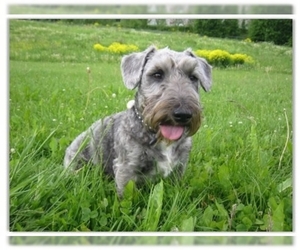
Cesky Terrier
A.K.A. : Bohemian Terrier, Czech Terrier, Cesky, CST, Bohemian
Quick navigation
All about Cesky Terrier dog breed
A.K.A. :Bohemian Terrier, Czech Terrier, Cesky, CST, Bohemian
Size
Grooming requirements
Exercise requirements
Good with other dogs
Watchdog ability
Energetic
Training requirements
Playful
Affectionate
Good with other pets
Good with children
Good with strangers
Winter
Summer
Healthiness
Protective
Life Span
| Breed Type | Pure Breed |
| Browse by Name | Starting with 'C' |
| Breeds by Group | Terrier |
| Breeds by Trait | Good With Kids Hypoallergenic Low Shedding |
| Overview: | The Cesky Terrier, often affectionately called the "Czech Terrier," is a charming and relatively rare breed originating in Czechoslovakia during the 1940s. Bred by František Horák for hunting vermin in forests, this compact dog boasts a distinctive, long, and silky coat that typically ranges in shades of grey-blue or brown. Physically, they are sturdy yet agile, with short legs, drop ears, and a medium-length tail. Temperamentally, Ceskys are known for being calm, intelligent, and friendly, making them excellent companions. They are generally good with children and other pets, provided they are properly socialized, and their adaptable nature means they can thrive in both spacious homes and apartment settings, as long as they receive adequate daily exercise. While generally a healthy breed with a lifespan of 12-15 years, potential owners should be aware of a few breed-specific health considerations, such as Scottish Cramp Syndrome, though it is rare. Their easy-going demeanor and relatively low-shedding coat make them a delightful choice for many families. |
F.A.Q.
All you need to know about Cesky Terrier breed
All You Need to Know About the Cesky Terrier BreedThe Cesky Terrier, originating from Czechoslovakia, is a charming and distinctive breed, known for its calm yet playful temperament. These loyal and intelligent dogs are generally good with children and other pets, making them excellent family companions. Physically, the Cesky Terrier is a small to medium-sized dog with a unique, soft, wavy coat and expressive eyes. Their moderate exercise needs can be met with daily walks and playtime, making them surprisingly suitable for apartment living, provided they receive adequate mental stimulation. Grooming requirements include regular brushing and occasional stripping to maintain their coat's texture and health. While generally robust, like all breeds, they can be prone to certain health considerations, so choosing a reputable breeder is key. For those seeking a unique, affectionate, and adaptable terrier, the Cesky Terrier is a truly wonderful choice.
What Is the Average Weight of Cesky Terrier in Pounds?
The average weight for an adult Cesky Terrier is generally between 14-24 pounds. Males typically weigh slightly more, ranging from 16-24 pounds, while females usually fall within 14-22 pounds. This makes them a medium-sized terrier breed. Maintaining a healthy weight for your Cesky Terrier is crucial for their well-being.
What Is the Typical Height of Cesky Terrier in Inches?
The average Cesky Terrier height typically ranges from 10 to 12.5 inches at the shoulder.When considering how tall is a Cesky Terrier, you'll find that these charming dogs are generally compact and sturdy. The ideal height for an adult Cesky Terrier, according to breed standards, is usually around 11.5 inches for males and 10.5 inches for females. However, slight variations within the 10 to 12.5-inch range are common and perfectly normal.While there isn't a significant difference in average size between genders, males often tend to be at the higher end of the spectrum, while females might be a little shorter. Individual genetics also play a role, so some Ceskies might be a touch taller or shorter than the average. This makes them a great choice for those looking for a small to medium-sized companion!
What Coat Colors Are Typical for the Cesky Terrier breed?
The Cesky Terrier breed primarily comes in two AKC recognized Cesky Terrier colors: * Grey (Brindle): This is the most common and widely accepted Cesky Terrier color, ranging from a light silvery grey to a dark charcoal. It's a form of brindle, though often appears as a solid grey.* Yellow (Brindle): This can range from a light cream to a deep fawn or caramel. Like the grey, it's a brindle pattern that often presents as a solid color.Both grey and yellow Cesky Terrier colors may lighten or change significantly as the dog matures. Puppies are often born darker and lighten over time.There are no rare coat types or exotic Cesky Terrier variations like blue, lilac, merle, or chocolate recognized for the Cesky Terrier by major kennel clubs such as the AKC. Any Cesky Terrier advertised with these colors would likely be a mixed breed or incorrectly represented. Focus on the standard grey or yellow brindle for an authentic Cesky Terrier. When comparing coat types and pricing, these two colors are the only accepted variations.
What is the typical personality of Cesky Terrier?
The Cesky Terrier personality is characterized by a calm yet lively disposition. These charming dogs are known for their loyal and friendly nature, forming strong bonds with their families. While generally sociable, they can be a bit reserved with strangers initially, but warm up quickly. Their adaptability makes them well-suited for apartment living, provided they receive adequate exercise and mental stimulation. With children, Ceskys are typically gentle and tolerant, making them good family pets, though supervision is always recommended. When it comes to other pets, their temperament of Cesky Terrier is generally agreeable, especially if socialized from a young age. They can live peacefully with other dogs and even cats, though their terrier instincts might lead to some playful chasing of smaller, scurrying animals. Overall, the Cesky Terrier is an intelligent, affectionate, and relatively easy-going companion for various households.
What is the typical temperament of Cesky Terrier?
The Cesky Terrier temperament is generally described as friendly, intelligent, and even-tempered, making them excellent companion dogs. They are highly loyal and affectionate with their families, thriving on human interaction.Sociability: Cesky Terriers are typically sociable and can adapt well to various living situations, including apartment living, as long as their exercise needs are met. They are known for being less boisterous than some other terrier breeds.Children & Pets: With proper socialization, Ceskys usually get along well with respectful children. Their interactions with other pets, especially smaller ones, should be supervised due to their terrier hunting instincts. They can live peacefully with other dogs if introduced carefully.Trainability & Stubbornness: While intelligent and eager to please, the Cesky Terrier can exhibit a typical terrier independent streak, which some owners might perceive as stubbornness. Consistent, positive reinforcement training is key. They are sensitive to harsh corrections, so a gentle yet firm approach is best.Overall, the Cesky Terrier is a charming and devoted breed, known for its calm demeanor and affectionate personality traits, making them a wonderful addition to many homes.
What Are the Care Requirements for the Cesky Terrier breed?
Cesky Terrier Care: Daily Maintenance & Health Tips
Caring for a Cesky Terrier is relatively straightforward, making them an excellent companion for many. Here's what you need to know about Cesky Terrier care:Grooming Needs: The Cesky Terrier has a unique coat that requires moderate attention. They need professional hand-stripping every 6-8 weeks to maintain their coat texture and color. In between stripping, weekly brushing is essential to prevent matting, especially around the furnishings (beard, eyebrows, and leg hair). Occasional trims may be necessary for hygiene areas. Regular nail trims are also crucial.Exercise Limitations & Needs: Cesky Terriers are a relatively low-energy dog breed compared to other terriers. They require daily moderate exercise, such as a brisk walk or playtime in a securely fenced yard, for 30-60 minutes. They enjoy mental stimulation through puzzle toys or training sessions. Due to their brachycephalic (short-nosed) anatomy, avoid strenuous exercise during hot or humid weather to prevent overheating. They are generally adaptable to apartment living with sufficient daily outings.Dietary Considerations: Feed a high-quality dog food appropriate for their age, size, and activity level. Monitor their weight closely to prevent obesity, a common issue in many breeds. Consult your veterinarian for specific dietary recommendations and portion control. Fresh water should always be available.Wrinkle & Ear Cleaning: While not as prone to deep wrinkles as some brachycephalic breeds, check any facial folds or wrinkles daily for moisture or debris and clean gently with a damp cloth if needed to prevent skin irritation. Their ears should be checked weekly for signs of infection (redness, odor, discharge) and cleaned as needed with a vet-approved ear cleaner. Excessive hair in the ear canal may need plucking by a groomer or vet.Climate Sensitivity: Due to their brachycephalic features, Cesky Terriers are sensitive to extreme temperatures. They do not tolerate heat or humidity well and are prone to overheating. Avoid outdoor activity during peak heat, ensure access to shade and water, and consider air-conditioned environments. They also need protection from cold weather with a coat or sweater.Common Health Concerns: While generally a healthy breed, Cesky Terriers can be prone to certain issues. Skin issues, including allergies, can manifest as itching or hot spots. Regular dental care, including brushing and professional cleanings, is vital to prevent periodontal disease. As mentioned, weight management is crucial to prevent obesity-related health problems. Reputable breeders screen for genetic conditions, but potential owners should be aware of common health concerns in the breed.How active are Cesky Terrier, and what kind of exercise do they need?
Cesky Terrier Activity Level: How Active Are Cesky Terriers?The Cesky Terrier, while a sturdy terrier, has a moderate Cesky Terrier activity level. They are not hyperactive dogs but do require consistent, appropriate exercise to remain healthy and well-behaved.Typical Energy Levels & Daily Exercise Needs:Cesky Terriers possess a unique balance, often described as having short bursts of energy followed by long periods of rest. They thrive on daily walks, typically 30-60 minutes spread across the day, which can include brisk walks around the neighborhood or exploring secure off-leash areas. Mental stimulation is also crucial; puzzle toys and training sessions help satisfy their intelligent terrier minds.Playtime Preferences:These terriers enjoy interactive playtime, especially with their families. Games of fetch, tug-of-war, and even scent work are highly engaging for them. They love to dig (it's in their terrier nature!), so providing a designated digging spot can be beneficial. While they appreciate outdoor adventures, they are equally content to cuddle on the couch after their exercise needs are met.Limitations Due to Brachycephalic Anatomy:It's important to note that Cesky Terriers are a brachycephalic breed (they have a short snout). This means they are more susceptible to overheating and respiratory distress, especially in hot or humid weather, or during strenuous exercise. Always monitor your Cesky for signs of overheating and ensure they have access to shade and fresh water during outdoor activities. Avoid exercising them during the hottest parts of the day.Suitability for Families:Due to their balanced nature, Cesky Terriers can be suitable for both active families who enjoy regular walks and playtime, as well as low-energy households as long as their daily exercise and mental stimulation needs are consistently met. They are adaptable and thrive on companionship, making them wonderful family pets for those who understand their unique activity profile.
What are common health issues in Cesky Terrier?
Cesky Terrier health problems are generally moderate, as this rare Czech breed is considered hardy, but adopters should still be aware of common Cesky Terrier medical issues such as hip dysplasia, patellar luxation, spinal strain, skin allergies, ear infections, dental disease, and heat sensitivity. While not typically brachycephalic, brachycephalic dog care concerns like Brachycephalic Obstructive Airway Syndrome (BOAS) may occasionally be relevant in individuals with shorter muzzles. Their anatomy—a small, muscular, short-legged frame with a long body and silky coat—can predispose them to orthopedic problems if overweight, spinal issues due to their elongated back, and overheating in hot climates because of their dense fur. Their ears and skin may also trap moisture, leading to infections if grooming is neglected.
To understand how to keep Cesky Terrier healthy, owners should maintain a lean body weight to reduce strain on hips and spine, provide regular but moderate exercise suited to their terrier stamina, and avoid strenuous activity in hot weather. Grooming routines should include brushing to prevent matting and skin irritation, ear cleaning to reduce infection risk, and dental care to prevent periodontal disease. Allergy management may require dietary adjustments or veterinary guidance, while routine veterinary checkups are essential for monitoring orthopedic health, spinal stability, thyroid balance, and eye conditions such as cataracts or progressive retinal atrophy (PRA).
In addition to these concerns, Cesky Terriers may inherit breed-specific risks such as congenital deafness, obesity, and certain cancers. Preventive screenings, responsible breeding, and consistent veterinary monitoring are key to minimizing these risks and supporting long-term wellness. With proactive care, adopters and buyers can ensure this loyal, intelligent, and affectionate terrier remains strong, healthy, and happy throughout its life.
To understand how to keep Cesky Terrier healthy, owners should maintain a lean body weight to reduce strain on hips and spine, provide regular but moderate exercise suited to their terrier stamina, and avoid strenuous activity in hot weather. Grooming routines should include brushing to prevent matting and skin irritation, ear cleaning to reduce infection risk, and dental care to prevent periodontal disease. Allergy management may require dietary adjustments or veterinary guidance, while routine veterinary checkups are essential for monitoring orthopedic health, spinal stability, thyroid balance, and eye conditions such as cataracts or progressive retinal atrophy (PRA).
In addition to these concerns, Cesky Terriers may inherit breed-specific risks such as congenital deafness, obesity, and certain cancers. Preventive screenings, responsible breeding, and consistent veterinary monitoring are key to minimizing these risks and supporting long-term wellness. With proactive care, adopters and buyers can ensure this loyal, intelligent, and affectionate terrier remains strong, healthy, and happy throughout its life.
Breed Breakdown: What Experts Say About the Cesky Terrier
What is the typical size of Cesky Terrier, and how does it compare to other breeds in terms of suitability for apartment living and travel?
I would rate the "Size" trait of the Cesky Terrier a 3.5.The Cesky Terrier is a relatively small to medium-sized dog, leaning more towards the smaller end of the spectrum for terriers. On average, they stand between 10 to 13 inches tall and weigh anywhere from 14 to 24 pounds. Their body structure is sturdy and well-muscled, but compact, giving them a slightly elongated appearance without being delicate. When compared to other companion dogs, they are noticeably smaller than breeds like Golden Retrievers or Boxers, and even many medium-sized terriers like the Airedale. While not as tiny as a Chihuahua or a Yorkshire Terrier, they are definitely not a large breed. This makes them exceptionally well-suited for apartment living, as they don't require vast amounts of space to move around comfortably. Their manageable size also makes them excellent travel companions, fitting easily into airline carriers (when permitted) or occupying less space in a car. For households with space constraints, the Cesky Terrier is an ideal choice, as their modest physical dimensions ensure they won't overwhelm a smaller living environment.
What are the grooming requirements for Cesky Terrier, and how do their coat type and skin features affect overall maintenance?
I would rate the grooming requirements of the Cesky Terrier as a 7/10. While not as demanding as some long-coated or curly breeds, the Cesky Terrier's distinctive wire coat definitely requires more than just a quick brush. They are a non-shedding, double-coated breed, which is great for minimizing hair around the house, but it means their coat needs regular attention to prevent matting and maintain its texture. The most significant factor is their need for hand stripping every few months to remove dead hair and preserve the coat's hard, wiry quality. If not hand-stripped, their coat can become soft and shed more, or even become prone to skin issues if left untended. In between stripping, weekly brushing is essential, especially around their furnishings (beard, eyebrows, and leg hair) which can tangle easily. They don't have excessive skin folds, but their ears do need regular cleaning to prevent wax buildup, and nails require frequent trimming as with most active breeds. Bathing is typically only needed when they're dirty, as over-bathing can soften their coat. Compared to other companion dogs, the Cesky Terrier isn't "easy care" due to the specialized hand-stripping requirement, which many owners either learn to do themselves or need to find a groomer skilled in the technique. This places them firmly in the higher maintenance category, requiring frequent and specific grooming attention beyond basic care.
What are the exercise requirements for Cesky Terrier, and how do their energy levels affect daily activity and health?
I would rate the Cesky Terrier's "Exercise Requirements" at a 6.The Cesky Terrier is an active and intelligent breed, but not a high-energy dynamo that needs hours of strenuous activity daily. They possess a good amount of terrier spirit and curiosity, meaning they definitely thrive on more than just a quick stroll around the block. They enjoy daily walks, and ideally, these should be moderate in length, perhaps 30-60 minutes, and varied in scenery to provide mental stimulation. Their energy levels are quite consistent, allowing for sustained movement during these walks or play sessions. While not brachycephalic, they are a relatively compact breed, so extreme endurance activities in hot weather might not be their forte, but they have good respiratory capacity for their size. They are quite suitable for various types of exercise; they love a good game of fetch or tug in the yard, and their intelligence and agility make them excellent candidates for dog sports like agility or obedience, which provide both physical and mental challenges. They require structured routines not so much to burn off excessive energy, but to stay healthy, well-muscled, and, crucially, mentally stimulated, preventing boredom-induced behaviors. They won't typically be satisfied with minimal activity and will benefit greatly from regular, engaging exercise to keep them happy and well-adjusted.
How effective is Cesky Terrier as a watchdog, and what kind of alert or protective behavior can owners expect?
I would rate the Cesky Terrier's "Watchdog Ability" as a 6.While not as intensely vocal or aggressively territorial as some other terrier breeds, the Cesky Terrier is far from a passive companion. They are generally alert and observant of their surroundings. You can expect them to bark to signal the presence of unfamiliar people approaching the home or unusual sounds. Their territorial instincts are present, and they will typically acknowledge and sometimes challenge perceived intrusions, though they are not usually prone to incessant, nuisance barking. They're more likely to offer meaningful early warnings – a series of barks and an attentive posture – rather than a full-blown, sustained attempt to deter a serious intruder. Their smaller size also limits their physical deterrent capability, but their sharp ears and willingness to vocalize make them capable of providing useful alerts in a home environment.
How well does the Cesky Terrier get along with other dogs, and what role does socialization play in their behavior?
I would rate the Cesky Terrier's "Good with Other Dogs" trait as a 7.Cesky Terriers, while generally good-natured, are still terriers at heart. This means they possess a certain level of independence and can have a confident, sometimes feisty, temperament. When properly socialized from a young age, they can be quite amiable with other dogs. They typically aren't aggressive, but they also aren't known for being overly effusive or submissive with new canine acquaintances. They are generally adaptable in multi-dog households, especially if they are introduced carefully and the other dogs have a similar play style or are tolerant of a terrier's spirited nature. However, their strong prey drive and terrier tenacity can sometimes lead to issues with smaller, more fragile dogs if not supervised, and they might stand their ground if challenged by a larger, more dominant dog. They thrive in canine company when the company is well-matched and respectful, and while they don't necessarily *require* careful introductions more than any other breed, they definitely benefit from them to ensure peaceful coexistence, especially with dogs of varying energy levels. They are unlikely to initiate conflict but will defend themselves if provoked, and their "game" nature can sometimes be misinterpreted as aggression by more sensitive breeds.
What is the typical energy level of a Cesky Terrier, and how does it affect their playtime, exercise needs, and suitability for indoor living?
I would rate the Cesky Terrier's "Energetic" trait as a 5. The Cesky Terrier, while a terrier, is notably more laid-back and less intensely energetic than many of its terrier cousins. They are not couch potatoes and do enjoy regular activity, but they don't typically demand the same level of constant stimulation and vigorous exercise as, for example, a Jack Russell Terrier. They are playful and enjoy engaging with their owners, and a good daily walk or two, coupled with some playtime in a secure yard, is usually sufficient to meet their physical stimulation needs. Their natural curiosity and love for digging also provide some outlets for their energy. Their brachycephalic (short-nosed) anatomy, while not as pronounced as in some other breeds like Bulldogs or Pugs, does mean they are more susceptible to overheating and respiratory difficulties, especially in warm weather or during strenuous exercise. This inherently limits their endurance and ability to participate in extremely high-impact or prolonged athletic activities. While they can enjoy hiking or other outdoor adventures, owners need to be mindful of the conditions and their dog's breathing, preventing them from becoming overtired or overheated. They are active enough for most companion dog activities but not so energetic as to require a highly athletic owner.
How easy is it to train a Cesky Terrier, and what kind of consistency and techniques work best for this breed?
I'd rate the "Training Requirements" of the Cesky Terrier at a 6.While intelligent, Cesky Terriers possess a strong, independent Terrier nature. This translates to a moderate degree of stubbornness and a shorter attention span, especially for repetitive tasks. They are certainly not a "push-button" breed that picks up commands instantly with minimal effort. Their responsiveness to commands will be good with a handler who understands their breed traits, but they aren't inherently eager-to-please like some retriever breeds. Consistency is absolutely crucial; any slack will be taken advantage of, and they'll quickly decide what they'd rather do. Positive reinforcement is highly effective and essential, as harsh methods will only make them shut down or become more resistant.This breed is not beginner-friendly when it comes to training. They require experienced handling or a committed, patient first-time owner who is willing to invest in structured routines, understand Terrier psychology, and maintain unwavering consistency. They need clear boundaries and engaging, varied training sessions to keep them motivated.
How playful is the Cesky Terrier, and what makes them such an energetic companion?
I'd rate the Playful trait of the Cesky Terrier a solid 7 out of 10.While not as relentlessly energetic as some other terriers, the Cesky possesses a charming and readily apparent playfulness. They have a good, moderate activity level, enjoying daily walks and opportunities to explore, but are not necessarily bouncing off the walls indoors. Their love for games and interaction is evident; they enjoy a good romp with their owners, especially when it involves chasing toys or engaging in a friendly tug-of-war. They are generally responsive to toys and playtime, often showing an enthusiastic tail wag and bright eyes when a game is initiated. While not overly attention-seeking to the point of being demanding, they do appreciate being included in family activities and will often bring a toy to solicit interaction. Their overall enthusiasm in daily life is a pleasant balance – they are happy to relax by your side, but equally ready to spring into action for an engaging game or an outdoor adventure. Compared to other companion dogs, they are naturally spirited and engaging, but possess an "off switch" that prevents them from being constantly "on" like some high-drive breeds.
How affectionate is the Cesky Terrier, and what kind of companionship and emotional bonding can owners expect?
I would rate the Cesky Terrier's "Affectionate" trait a 9 out of 10.The Cesky Terrier is renowned for its deep devotion to its family. They form strong bonds with their owners and have a significant desire for human companionship, often following family members from room to room. While not overly clingy, they definitely appreciate and seek out physical closeness, often enjoying a good cuddle session or a spot on their owner's lap. Their loyalty is unwavering, and they are quite sensitive to the moods and emotions of their human companions, often offering comfort or quiet presence when needed. This breed truly thrives on affection and being an integrated part of the family, making them incredibly loving and people-oriented, rather than independent, when compared to many other companion dogs.
How well does the Cesky Terrier get along with other pets, and what factors influence their compatibility in multi-pet households?
I would rate the "Good with Other Pets" trait of the Cesky Terrier a 7 out of 10.Cesky Terriers, while still terriers with an inherent prey drive, are generally known to be more amenable to other pets than many of their terrier cousins. They can coexist peacefully with other dogs, particularly when socialized from a young age. Their resource guarding tendencies are typically low to moderate, but individual differences exist. When it comes to cats, their prey drive does present a challenge, and early, positive introductions and careful supervision are crucial. A well-socialized Cesky with a cat they've grown up with can be fine, but a new adult Cesky introduced to an existing cat might require more work and may not be a perfect match. Their adaptability in multi-pet households is good, but they are not inherently "everyone's friend" like some retriever breeds. Therefore, while naturally sociable to a degree, they do require consistent training and supervision, especially regarding their prey drive with smaller animals, to ensure a peaceful multi-pet household. They are not highly incompatible, but not extremely pet-friendly without effort.
Is the Cesky Terrier good with children, and what makes them a suitable companion for family life?
The Cesky Terrier rates a solid 7 out of 10 for "Good with Children."This breed is generally described as gentle, affectionate, and patient, making them quite suitable for families with children. Their calm and somewhat reserved nature means they are less likely to be over excitable or reactive around kids, and they typically tolerate the noise and occasional boisterousness that comes with a busy household. Ceskys are known for forming strong bonds with their families and often enjoy playful interactions, though they aren't typically a breed that will endlessly chase a ball. They are sturdy enough to handle some unintentional roughhousing from older children, and their good-natured temperament means they are less prone to nipping or aggression when handled. While naturally gentle, like all dogs, early socialization and consistent, positive reinforcement training are crucial to ensure they thrive in a family setting, particularly regarding respectful interactions with children. Supervision is always recommended with any dog and child, but the Cesky Terrier's inherent disposition leans towards a harmonious relationship. They are perhaps best suited for families with slightly older, more considerate children who understand how to interact respectfully with a dog, rather than toddlers who might not yet grasp boundaries.
Is the Cesky Terrier good with strangers, and how do they typically behave around new people?
I would rate the Cesky Terrier's "Good with Strangers" trait as a 5.While not inherently aggressive or unfriendly, the Cesky Terrier is generally reserved and somewhat watchful around unfamiliar adults. They are not typically the type of dog to immediately bound up to a stranger for attention. Their terrier heritage instills a certain level of wariness and a desire to assess new situations. They are less likely to be overtly enthusiastic and more prone to observing before engaging. While they are adaptable in public settings and will usually tolerate guests respectfully, they are not naturally outgoing and welcoming in the way some other breeds are. They don't typically exhibit excessive barking or guarding behavior with strangers once they understand the situation is safe, but their initial reaction is more neutral to cautiously curious, rather than overtly friendly. With proper socialization from a young age, they can become comfortable and polite with strangers, but it's more about building tolerance and acceptance rather than cultivating an innate desire to be gregarious. They are not a breed that *requires* extensive training to be non-reactive to strangers, but they certainly benefit from it to be more at ease and polite.
How well does the Cesky Terrier tolerate cold weather, and what precautions are needed during winter months?
I would rate the Cesky Terrier's "Winter" tolerance at a 6.While the Cesky Terrier possesses a moderately thick, wiry double coat, offering a decent degree of insulation, it's important to consider other contributing factors. Their relatively small size means they have a larger surface area to volume ratio, making them more susceptible to heat loss compared to larger breeds. They are not known for significant body fat reserves, which would otherwise provide an additional layer of warmth. Thankfully, they do not suffer from brachycephalic anatomy, which would compromise their ability to regulate body temperature through panting in cold, dry air.However, despite their good coat, they are not built for extreme or prolonged exposure to very cold temperatures. They are at a moderate risk of hypothermia if left unsupervised or improperly protected in frigid conditions. They can safely enjoy outdoor activities in cold climates for reasonable periods, especially with a brisk pace, but extended stationary periods or sub-zero temperatures without protection would be ill-advised.Compared to other companion dogs, the Cesky Terrier *does* require some special care during winter months, particularly in colder regions. While not as delicate as a short-coated Chihuahua or toy breed, they would benefit from a warm dog coat or sweater for walks in freezing temperatures or during less active outdoor excursions. Monitoring for signs of cold, such as shivering or reluctance to move, is crucial. Their paws should also be checked for ice balls and treated with paw balm if exposed to salted roads. They are certainly more resilient than some breeds but less so than true northern breeds, sitting comfortably in the middle, requiring a mindful approach to winter weather.
How well does the Cesky Terrier tolerate hot weather, and what precautions should owners take during summer months?
I would rate the Cesky Terrier's "Summer" tolerance at a 5 out of 10.While not as severely brachycephalic as some breeds, the Cesky Terrier does possess a shorter muzzle than many, which can slightly impede their ability to efficiently cool themselves through panting. They are a robust, active breed with a dense, medium-length coat, which, while offering some sun protection, can also trap heat. They are generally energetic and enjoy outdoor activities, but their ability to regulate body temperature in warm or hot weather is moderate. They are at a moderate risk of heatstroke, particularly during strenuous exercise or prolonged exposure to high temperatures without shade or water. Therefore, compared to many other companion dogs, the Cesky Terrier requires some special care in summer months. Owners should be mindful of the temperature, avoiding peak heat for walks and play, providing ample shade and fresh water, and considering indoor activities during the hottest parts of the day. While not requiring constant climate control, air conditioning or a cool environment is highly recommended during heatwaves or if they are left alone for extended periods in warm weather.
What are the common health concerns for the Cesky Terrier, and how much care and medical attention does this breed typically require?
I would rate the Cesky Terrier's "Healthiness" trait as a 7 out of 10.The Cesky Terrier is generally considered a robust and healthy breed, particularly when compared to many other purebred dogs that suffer from widespread inherited conditions. They have a relatively long lifespan for a dog of their size, typically living 12 to 15 years, which speaks to their overall vitality. Responsible breeding has played a significant role in maintaining their health, with dedicated breeders screening for potential issues.However, they are not entirely without their breed-specific concerns, which prevent a higher rating. The most notable genetic predisposition is Scottie Cramp (also known as Cesky Cramp), a neurological condition that can cause muscle spasms or cramping, particularly during excitement or stress. While not life-threatening and often manageable, it is a significant breed-specific issue that needs to be acknowledged. They can also be prone to luxating patellas (slipping kneecaps), a common problem in many smaller breeds, and some eye conditions. They are generally not considered high-maintenance in terms of health, and breathing difficulties are not typically a concern due to their well-proportioned heads. With proper preventive care, regular veterinary check-ups, and a good diet, a Cesky Terrier is likely to lead a full and healthy life.
How protective is the Cesky Terrier, and what kind of watchdog or guard dog behavior can owners expect?
I would rate the "Protective" trait of the Cesky Terrier breed a 6 out of 10.The Cesky Terrier is a watchful and alert breed, making them excellent little watchdogs that will readily bark to signal the presence of strangers or unusual activity. They possess a good degree of loyalty to their owners and their household, and they can be quite territorial within their own space. While they might be reserved or wary of strangers initially, they are not typically aggressive and are more likely to observe than to confront. They are certainly capable of alerting their owners to potential threats and their persistent barking can be a deterrent to unwelcome visitors. However, their size and temperament make them more of a companion dog with strong watchdog capabilities rather than a true guard dog capable of offering meaningful physical protection in a household setting. They will certainly let you know if something is amiss, but they are unlikely to engage in a physical defense beyond their vocal alerts.
What is the average lifespan of a Cesky Terrier, and what health factors influence their longevity?
I would rate the Cesky Terrier's "Life Span" trait a 7 out of 10.The Cesky Terrier is generally considered a long-lived breed among companion dogs, with an average life expectancy typically ranging from 12 to 15 years. While not reaching the extreme upper echelons of some toy breeds that frequently hit 18 or even 20 years, their consistent ability to reach their mid-teens places them firmly in the "above average" to "long-lived" category. They are generally a robust breed with relatively few widespread or debilitating genetic predispositions that significantly shorten their lifespan. While they can be susceptible to conditions like Scottie Cramp (though often manageable and not typically life-threatening) and patellar luxation, responsible breeding efforts have aimed to minimize the incidence of these and other inherited issues. Good nutrition, regular exercise, and attentive veterinary care, as with any breed, play a significant role in helping individual Ceskies achieve their full longevity potential.
Cesky Terrier Dogs for adoptionSee all dogs for adoption
Similar Dog Breeds for Cesky Terrier
Quick Breed Selector 0 - not important, 1 - smallest, 10 - largest
Variants & Mistakes :Cesky Terror, Cesky Terrior, Chesky Terrier, Cesky Tarrier, Czechy Terrier, Cheshky Terrier, Chesky Terror, Ceskey Terrier, Cesky Terrer, Cesky Terriar, Cesky Terryer, Czecky Terrier, Cessky Terrier, Cesky Teryer, Ceski Terrier, Cesky Terier, Cesky Terrie, Cesky Terer, Cestky Terrier, Cesky Tirrier, Cesky Tyrrier, Cesky Terir, Cesky Terrir, Cesky Terriror, Cesky Turrier, Cesky Tierrier, Cesky Trrier, Cesky Terrerier, Cesky Terriour, Cesky Terrour, Cesky Terrirer, Cesky Tarrer, Cesky Teror, Cesky Terro, Cesky Terryr, Cesky Terryor, Cesky Terri, Cesky Ter, Cesky Tet, Cesky Trr, Cesky Terire, Cesky Terry, Cesky Terrye