Pure Breeds
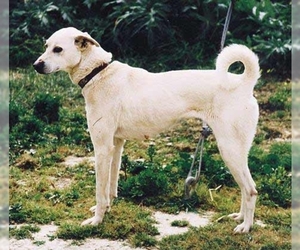
Cretan Hound
A.K.A. : Cretan Tracer, Kritikos Ichnilatis, Kritisky Hound, Crete Hound
Quick navigation
All about Cretan Hound dog breed
A.K.A. :Cretan Tracer, Kritikos Ichnilatis, Kritisky Hound, Crete Hound
Size
Grooming requirements
Exercise requirements
Good with other dogs
Watchdog ability
Energetic
Training requirements
Playful
Affectionate
Good with other pets
Good with children
Good with strangers
Winter
Summer
Healthiness
Protective
Life Span
| Breed Type | Pure Breed |
| Browse by Name | Starting with 'C' |
| Breeds by Group | Hound Sighthound & Pariah |
| Breeds by Trait | Fast Dog Breeds High Stamina Dog Breeds |
| Overview: | The Cretan Hound (Kritikos Lagonikos) is an ancient and noble breed, originating from the Greek island of Crete, where its lineage can be traced back thousands of years, making it one of Europe's oldest hunting dogs. Physically, they are medium-sized, lean, and athletic, possessing a distinctive tucked-up abdomen, a saber-like tail, and often have either prick or semi-prick ears. Their short, smooth coat is typically fawn, brindle, black, or bi-colored. Temperamentally, Cretan Hounds are intelligent, active, and possess a strong prey drive, yet are surprisingly gentle and affectionate with their families, thriving on companionship. While generally good with children, their high energy levels mean they are best suited for active families and homes with a secure yard, as apartment living is not ideal without significant exercise. They are generally robust and healthy, with no significant breed-specific health concerns beyond those common to active dogs, such as joint issues if not properly managed. Early socialization and consistent training are crucial for this naturally independent breed. |
F.A.Q.
All you need to know about Cretan Hound breed
All You Need to Know About the Cretan Hound Breed
The Cretan Hound, also known as the Kritikos Ichnilatis, is an ancient and noble hunting breed originating from the Greek island of Crete. Known for their exceptional agility and keen sense of smell, these sighthounds/scenthounds possess an independent yet affectionate temperament, making them loyal companions for active families. Physically, they are slender and athletic, with a short, dense coat that requires minimal grooming – a weekly brush is usually sufficient. Their high energy levels necessitate considerable daily exercise, including long walks or runs, and they thrive in homes with yards, making them less suitable for small apartment living unless exercise needs are rigorously met. Generally healthy, their lifespan averages 10-12 years. Potential owners should be aware of possible orthopedic issues common in active breeds, though specific breed-related ailments are rare. The Cretan Hound is a remarkable dog for those seeking an intelligent, active, and devoted partner.What Is the Average Weight of Cretan Hound in Pounds?
Cretan Hound Weight & Size Guide
The average weight of an adult Cretan Hound is typically between 44 to 55 pounds. This breed is known for its lean, athletic build.- Males: Generally weigh 48-55 pounds (22-25 kg).
- Females: Typically weigh 44-50 pounds (20-23 kg).
What Is the Typical Height of Cretan Hound in Inches?
Wondering, "how tall is a Cretan Hound?" On average, a Cretan Hound stands between 21 and 24 inches (54-62 cm) at the shoulder. This ancient and agile breed is known for its lean, athletic build, and its height reflects its ability to navigate varied terrain.
The typical adult Cretan Hound height range is:- Males: Generally measure between 22 to 24 inches (56-62 cm) at the shoulder.
- Females: Tend to be slightly smaller, ranging from 21 to 23 inches (54-60 cm) at the shoulder.
What Coat Colors Are Typical for the Cretan Hound breed?
Cretan Hound Colors: A Guide for AdoptersThe Cretan Hound exhibits a beautiful range of natural colors. Officially recognized Cretan Hound colors include fawn (ranging from light sand to a deep reddish-brown), brindle (distinct stripes of fawn or red on a darker background), black, and black and tan. White markings are also common, particularly on the chest, paws, and tail tip. These traditional colors are considered standard and are often seen in show lines.While the AKC does not currently recognize the Cretan Hound, other major international kennel clubs adhere to these classic color standards. When searching for AKC recognized Cretan Hound colors, it's important to note the breed's current status, though prospective owners can expect to find these common variations.Rare Coat Types & Exotic Cretan Hound VariationsProspective owners occasionally inquire about rare coat types or exotic Cretan Hound variations like blue, lilac, merle, or chocolate. It is crucial to understand that these colors are not naturally occurring in the Cretan Hound breed and are not officially recognized by any major kennel club. Claims of "blue Cretan Hounds" or "merle Cretan Hounds" often indicate crossbreeding with other breeds that carry these dilute or patterned genes. Such exotic Cretan Hound variations should be approached with caution as they may be associated with unforeseen health issues or temperament changes due to outcrossing. Focus on the recognized and natural color variations for a true representation of the breed.
What is the typical personality of Cretan Hound?
The Cretan Hound personality is generally described as independent yet devoted. They are loyal and form strong bonds with their families, often showing a reserved friendliness with strangers until they get to know them. Their high prey drive means sociability with other small pets can be challenging without early, careful socialization, though they can often coexist peacefully with other dogs if introduced properly. They are not typically recommended for apartment living due to their high energy levels and need for ample space to run; a secure yard is ideal. With children, they are generally tolerant and good-natured, especially if raised with them, but supervision is always advised. The temperament of Cretan Hound is intelligent and can be a bit stubborn, requiring consistent, positive training. They thrive on activity and mental stimulation, making them excellent companions for active individuals or families who understand the needs of a sighthound breed.
What is the typical temperament of Cretan Hound?
Cretan Hound Temperament: A Glimpse into the Ancient Hunter's HeartThe Cretan Hound temperament is a fascinating blend of independent hunter and devoted companion. Known for their intelligence and alertness, these dogs are generally affectionate with their families, forming strong bonds and displaying remarkable loyalty. While not overly demonstrative, their love is quiet and unwavering.As a sighthound, the Cretan Hound possesses a keen prey drive and an independent streak. This can manifest as a tendency toward stubbornness, particularly during training. Patience and consistent, positive reinforcement are key to success. They are intelligent and capable of learning, but their natural instincts often take precedence.Friendliness with strangers can vary. They are naturally watchful and may be reserved or cautious initially, but once they accept someone, they can be quite polite. Early socialization is crucial to ensure they develop into well-adjusted adults. Their sociability with other dogs is generally good, especially if raised with them from a young age. However, due to their strong prey drive, careful introductions and supervision are necessary with smaller pets.With children, the Cretan Hound can be a gentle and tolerant companion, particularly with older, respectful children who understand how to interact with dogs. As with all breeds, supervision during playtime is always recommended.Adaptability to apartment living is not ideal for this active breed. Cretan Hounds thrive in homes with secure yards where they can expend their energy. They need daily exercise, including opportunities to run and explore, to prevent boredom and destructive behaviors. While they enjoy comfort, their strong desire to be outdoors and their exercise requirements make them better suited for homes with ample space. They are not overly sensitive but do respond best to calm and consistent handling rather than harsh corrections. This breed’s unique personality traits make them a rewarding, albeit sometimes challenging, companion dog behavior for experienced owners.
What Are the Care Requirements for the Cretan Hound breed?
Cretan Hound Care: Daily Maintenance & Health TipsCretan Hounds are generally low-maintenance, but consistent care ensures their well-being. Grooming needs are minimal; their short, coarse coat requires weekly brushing to remove loose hair and stimulate natural oils. Exercise limitations are important to understand – despite being a hunting breed, they are generally low-energy dog breeds indoors. Daily moderate walks and opportunities for off-leash running in secure areas are sufficient. Avoid strenuous exercise in hot weather due to their climate sensitivity. Dietary considerations involve a high-quality dog food appropriate for their activity level and age, with careful portion control to prevent obesity.Specific care for the Cretan Hound includes regular inspection and cleaning of their ears to prevent infections. While they don't have excessive wrinkles, occasional cleaning of any folds around the mouth or eyes with a damp cloth can prevent skin irritation. Climate sensitivity is a key concern; they are prone to overheating in warm climates and prefer temperate environments. Provide ample shade and fresh water during hot periods, and avoid walks during the hottest parts of the day.Common health concerns for Cretan Hounds include skin issues like allergies or hot spots, which can be managed with proper grooming and veterinary care. Dental care is crucial; regular brushing and professional cleanings can prevent periodontal disease. Weight management is vital as excess weight can exacerbate joint problems and other health issues. Regular veterinary check-ups are recommended to monitor overall health and address any concerns early. Following these health tips for Cretan Hound will help ensure a long and happy life for your companion.
How active are Cretan Hound, and what kind of exercise do they need?
The Cretan Hound activity level is moderate, balancing short bursts of high energy with long periods of rest. These ancient sighthounds possess a surprising endurance for their build, requiring consistent Cretan Hound exercise needs to stay healthy and happy. They thrive on daily walks, jogs, or opportunities to run in a securely fenced area. Unlike many brachycephalic breeds, the Cretan Hound is NOT brachycephalic; their long, lean muzzles actually allow for excellent airflow, meaning they do not suffer from the same respiratory limitations during exercise that brachycephalic breeds do. This allows them to enjoy more vigorous activity without concern for overheating or breathing difficulties typically associated with flat-faced dogs. They enjoy engaging playtime, often involving chasing games or exploring scents. While they appreciate a good run, they are equally content to relax at home after their exercise. They are suitable for active families who can provide their daily exercise requirements and enjoy outdoor activities, but can also adapt to households that appreciate a dog who balances activity with calm companionship. For those wondering how active are Cretan Hound, they are not hyperactive but definitely not couch potatoes, requiring a dedicated owner to meet their physical and mental stimulation needs.
What are common health issues in Cretan Hound?
Cretan Hound health problems are generally minimal, as this ancient Greek hunting breed is considered hardy, but adopters should still be aware of common Cretan Hound medical issues such as hip dysplasia, spinal strain, eye problems, skin allergies, and heat sensitivity. While not typically brachycephalic, brachycephalic dog care concerns like Brachycephalic Obstructive Airway Syndrome (BOAS) may occasionally be relevant in individuals with shorter muzzles. Their anatomy—a lean, muscular frame with a deep chest, long legs, and short smooth coat—can predispose them to orthopedic problems if overweight, gastric torsion (bloat) due to chest shape, and overheating in hot climates because of their stamina-driven hunting style. Their ears and skin may also trap moisture, leading to infections if grooming is neglected.
To understand how to keep Cretan Hound healthy, owners should maintain a lean body weight to reduce strain on hips and spine, provide regular but moderate exercise suited to their scent and sight-tracking stamina, and avoid strenuous activity in hot weather. Grooming routines should include brushing to prevent skin irritation, ear cleaning to reduce infection risk, and dental care to prevent periodontal disease. Allergy management may require dietary adjustments or veterinary guidance, while routine veterinary checkups are essential for monitoring orthopedic health, spinal stability, and eye conditions such as cataracts or progressive retinal atrophy (PRA).
In addition to these concerns, Cretan Hounds may inherit breed-specific risks such as hypothyroidism and congenital eye disorders. Preventive screenings, responsible breeding, and consistent veterinary monitoring are key to minimizing these risks and supporting long-term wellness. With proactive care, adopters and buyers can ensure this loyal, intelligent, and energetic hunting dog remains strong, healthy, and happy throughout its life.
To understand how to keep Cretan Hound healthy, owners should maintain a lean body weight to reduce strain on hips and spine, provide regular but moderate exercise suited to their scent and sight-tracking stamina, and avoid strenuous activity in hot weather. Grooming routines should include brushing to prevent skin irritation, ear cleaning to reduce infection risk, and dental care to prevent periodontal disease. Allergy management may require dietary adjustments or veterinary guidance, while routine veterinary checkups are essential for monitoring orthopedic health, spinal stability, and eye conditions such as cataracts or progressive retinal atrophy (PRA).
In addition to these concerns, Cretan Hounds may inherit breed-specific risks such as hypothyroidism and congenital eye disorders. Preventive screenings, responsible breeding, and consistent veterinary monitoring are key to minimizing these risks and supporting long-term wellness. With proactive care, adopters and buyers can ensure this loyal, intelligent, and energetic hunting dog remains strong, healthy, and happy throughout its life.
Breed Breakdown: What Experts Say About the Cretan Hound
What is the typical size of Cretan Hound, and how does it compare to other breeds in terms of suitability for apartment living and travel?
I would rate the "Size" trait of the Cretan Hound a 6 out of 10.The Cretan Hound is a medium-to-large sized dog, standing typically between 20 to 24 inches (52-60 cm) at the shoulder and weighing 44 to 55 pounds (20-25 kg). While not a giant breed, their lean, athletic build gives them a substantial presence. They are larger than many popular companion breeds like Beagles, Cocker Spaniels, or French Bulldogs, but smaller than Great Danes or Mastiffs. Their body structure is slender and muscular, built for speed and endurance, not bulk.This rating suggests that while not excessively large, the Cretan Hound is generally not ideally suited for apartment living or households with severe space constraints. Their active nature and need for exercise further necessitate more room than a typical apartment can provide. They would be challenging for frequent air travel in a carry-on and likely require crating in the cargo hold due to their size. They are best suited for households with a yard and access to open spaces where they can run and expend energy.
What are the grooming requirements for Cretan Hound, and how do their coat type and skin features affect overall maintenance?
I would rate the Cretan Hound's "Grooming Requirements" as a 2.This breed is remarkably low-maintenance in terms of grooming. Their short, smooth coat sheds minimally and requires little more than an occasional brush to remove loose hairs and keep it looking tidy. They don't have skin folds that require special cleaning, and their ears, while needing routine checks for cleanliness, are not prone to excessive wax buildup or infections more than other breeds. Nail trimming, like any dog, is necessary but not unusually frequent or difficult. They are generally a healthy breed with no particular susceptibility to skin issues or allergies that would necessitate specialized bathing or skin care products. Compared to many other companion dogs, the Cretan Hound is incredibly easy to care for, requiring very little in the way of frequent or specialized grooming sessions.
What are the exercise requirements for Cretan Hound, and how do their energy levels affect daily activity and health?
I'd rate the Exercise Requirements of the Cretan Hound at a 9. This breed possesses exceptionally high physical demands. Being an ancient sighthound and scenthound, they were bred for endurance, speed, and the ability to track over vast, rugged terrain. They have boundless energy and a remarkable tolerance for sustained movement, thriving on long, vigorous runs and extensive periods of activity. Daily activity recommendations far exceed simple walks; they require substantial, structured exercise routines to remain healthy and mentally stimulated. Their lean, athletic build and deep chests are perfectly suited for running, and they excel in activities like canicross, lure coursing, long-distance hiking, and even agility, though their primary drive is for free-running. While they can enjoy playtime, it's typically a prelude to, or incorporated into, more substantial exercise. Neglecting their exercise needs can lead to frustration, destructive behaviors, and overall unhappiness for the dog. They are not a breed that thrives with minimal activity; rather, they demand a lifestyle that actively engages their powerful prey drive and impressive stamina.
How effective is Cretan Hound as a watchdog, and what kind of alert or protective behavior can owners expect?
I would rate the Cretan Hound's "Watchdog Ability" as a 6.While not overtly aggressive or a true "guard dog" in the sense of a Rottweiler or German Shepherd, the Cretan Hound possesses a good level of natural alertness and territorial awareness that makes them capable of providing meaningful early warnings. They are perceptive to their surroundings and will typically bark to signal the arrival of strangers or unusual sounds. Their lean, athletic build and deep bark can be an effective deterrent to casual intruders, and they aren't prone to letting just anyone waltz onto their property unnoticed. However, their primary instinct is to hunt and track, not to actively engage in a fight to protect their territory beyond an initial warning. They are more likely to alert their owners and then observe, rather than confronting an intruder head-on. They are not generally considered a passive companion, as their awareness makes them a good set of "eyes and ears" for the household, but their protective instincts are more geared towards warning than active intervention.
How well does the Cretan Hound get along with other dogs, and what role does socialization play in their behavior?
I would rate the "Good with Other Dogs" trait of the Cretan Hound a 6 out of 10.The Cretan Hound is generally not inherently aggressive towards other dogs, but they are also not the type of breed that universally thrives in every canine social situation without careful management. Their ancient roots as a primitive hunting breed mean they possess a strong prey drive and a certain level of independence. While they are not typically dominant, their focus on the hunt can translate into less interest in playful interactions with other dogs compared to some other breeds. They can coexist peacefully in multi-dog households, especially if raised with other dogs from a young age, but new introductions, particularly with unfamiliar dogs, require careful supervision. They may not be as tolerant of high-energy, boisterous play from all dogs, and their chase instinct might be triggered by smaller, faster dogs. With proper socialization from a young age, consistent training, and owner guidance, they can be perfectly well-behaved around other dogs, but they aren't instinctively the most "dog-friendly" breed that can be thrown into any dog park scenario without a second thought. They require thoughtful introductions and a keen eye to ensure peaceful coexistence, rather than naturally embracing every canine encounter with open paws.
What is the typical energy level of a Cretan Hound, and how does it affect their playtime, exercise needs, and suitability for indoor living?
I'd rate the "Energetic" trait of the Cretan Hound an 8 out of 10.The Cretan Hound is a naturally very active and high-energy breed, especially compared to many other companion dogs. They possess remarkable endurance and a strong drive to run and explore, stemming from their heritage as hunting dogs in rugged terrain. Their typical activity level is high, requiring significant daily exercise to be content. They are highly playful and thrive on physical stimulation, eager to participate in long walks, runs, hikes, and even more strenuous athletic activities like lure coursing or agility.Their sighthound ancestry dictates a need for a good sprint and a sustained pace. Unlike some brachycephalic breeds, the Cretan Hound is *not* brachycephalic; they have a long, lean muzzle and an athletic build. This anatomical advantage is crucial to their high energy rating, as it means they do not suffer from the respiratory issues that can severely limit stamina and exercise tolerance in flat-faced breeds. They are built for sustained physical exertion and will become bored and potentially destructive without an adequate outlet for their considerable energy.
How easy is it to train a Cretan Hound, and what kind of consistency and techniques work best for this breed?
I would rate the training requirements of the Cretan Hound at a 7 out of 10.While intelligent and capable of learning, the Cretan Hound is a primitive breed with a strong independent streak and a formidable prey drive, characteristic of scent hounds. Their primary focus is often on the intriguing scents of their environment, making their attention span for human-directed tasks relatively short, especially in distracting outdoor settings. This independence can translate into stubbornness, as they will often prioritize their own instincts and interests over immediate compliance with commands.Responsiveness to commands will require significant effort and consistency. They are not a breed that thrives on repetitive drills or aims to please purely for the sake of it. Positive reinforcement is crucial and effective, but it needs to be high-value and delivered precisely to capture their attention and motivate them. You'll need to make training more engaging and rewarding than the allure of a scent trail.This breed is not beginner-friendly and absolutely requires experienced handling. A novice owner might quickly become frustrated by their independent nature and perceived "stubbornness." They demand a highly structured routine, consistent boundaries, and an owner who understands hound behavior and is patient, persistent, and creative in their training approach. Early and extensive socialization is also paramount to help them navigate the modern world.
How playful is the Cretan Hound, and what makes them such an energetic companion?
I would rate the "Playful" trait of the Cretan Hound a 6 out of 10.While not as overtly "bouncy" or attention-demanding as some traditionally playful companion breeds, the Cretan Hound is far from inactive. Their high intelligence and Sighthound heritage mean they possess a good deal of latent energy and enjoy engaging in activities that stimulate their minds and bodies. They have a definite appreciation for games, especially those involving chasing or "hunting" for toys, and will happily participate in playtime with their family. They aren't typically excessive in their attention-seeking, but they do enjoy interactive sessions and will respond enthusiastically to an invitation to play, particularly with toys that cater to their prey drive. Compared to some more sedate breeds, they are naturally spirited, but their playfulness is often expressed in bursts rather than constant, high-octane energy, and they appreciate downtime just as much. They are more laid-back than many "fun-loving" companion dogs, but certainly not dull or unresponsive to playtime.
How affectionate is the Cretan Hound, and what kind of companionship and emotional bonding can owners expect?
I would rate the "Affectionate" trait of the Cretan Hound at a 6.While loyal and dedicated to their families, Cretan Hounds are not typically described as overtly demonstrative or "cuddly" in the same way many companion breeds are. They form strong bonds and appreciate their human companionship, often showing their affection through a quiet presence and a desire to be near their family members. They are sensitive to owner emotions and are certainly loyal, but their history as a hunting dog suggests an inherent independence. They aren't prone to excessive lap-sitting or constant physical closeness, and while they enjoy being part of the family unit, they are not a breed that constantly demands or thrives on overwhelming physical affection. They are affectionate in a more dignified and respectful manner, valuing companionship over constant fawning.
How well does the Cretan Hound get along with other pets, and what factors influence their compatibility in multi-pet households?
I would rate the "Good with Other Pets" trait of the Cretan Hound at a 6 out of 10.While not inherently aggressive, the Cretan Hound possesses a strong prey drive, a hallmark of sighthound breeds. This means that while they can, with proper early and consistent socialization, learn to coexist peacefully with other dogs, their instincts around smaller, fast-moving pets like cats or small rodents will always lean towards the chase. They are intelligent and generally not prone to severe resource guarding, but their independent nature means they value their space. To achieve a harmonious multi-pet household, early and continuous positive exposure to other animals is crucial, along with firm boundaries and consistent training to manage their prey drive. Without this dedicated effort, particularly with cats, supervision will always be necessary. They are generally more adaptable to living with other dogs, especially if raised together, but their independent spirit means they may not always be seeking intense social interaction with canine companions.
Is the Cretan Hound good with children, and what makes them a suitable companion for family life?
The Cretan Hound would rate a 6 out of 10 for "Good with Children."While generally gentle and not prone to aggression, the Cretan Hound isn't naturally suited to the boisterous and unpredictable nature of young children without considerable guidance. Their independent, somewhat reserved, and high-energy nature means they might tolerate children but aren't inherently patient or playful in the way many other breeds are. They are highly active and require significant exercise, which can be challenging to manage alongside small children. While they can be affectionate with their family, they aren't typically "cuddly" and might prefer their space, which young children often don't understand. They are generally tolerant of noise, but their keen prey drive means that supervision is always crucial, especially with smaller, fast-moving children who might inadvertently trigger this instinct. They thrive in a family setting with older, respectful children who understand how to interact with a more independent and active breed and can participate in their exercise, rather than with toddlers who require a constantly patient and highly interactive companion. Proper training and early socialization are essential to ensure a harmonious household with children, as their natural instincts need to be managed and guided.
Is the Cretan Hound good with strangers, and how do they typically behave around new people?
The Cretan Hound would be rated a 6 for "Good with Strangers."While generally not aggressive, they are inherently reserved and watchful around unfamiliar adults. They are a primitive, intelligent breed with a strong pack instinct, and this often translates into a discerning nature rather than immediate effusiveness with outsiders. They will typically observe a stranger before engaging, and while they can be polite, they aren't usually described as overtly welcoming or "everyone's friend" like some retriever breeds. Their guardedness can manifest as a watchful stillness or, in some cases, a territorial bark, especially if not well-socialized. They are adaptable in public or guest-filled environments if properly introduced and accustomed, but they require consistent, early socialization to be comfortable and confident rather than just tolerant. Without this, their natural cautiousness can become more pronounced. They are not naturally outgoing with strangers and benefit significantly from training and positive experiences to develop a more relaxed and accepting demeanor.
How well does the Cretan Hound tolerate cold weather, and what precautions are needed during winter months?
I would rate the Cretan Hound's "winter" tolerance as a 3.The Cretan Hound, originating from the warm Mediterranean island of Crete, is not built for cold climates. They possess a short, fine coat with minimal undercoat, offering very little insulation. Their lean, athletic build, while efficient for hunting in mild weather, means they lack significant body fat for thermal regulation. They are a medium-sized breed, which generally makes them more susceptible to cold than very large breeds, and thankfully do not have brachycephalic anatomy, which would exacerbate breathing issues in cold, dry air. However, their overall physiology points to a high risk of hypothermia in anything more than chilly conditions.They are not equipped to safely enjoy prolonged outdoor activity in cold climates without significant protection. They would undoubtedly require special care during winter months, far more than most companion dogs. This would include insulated coats or sweaters for outdoor excursions, and ideally, their outdoor time should be limited and supervised to prevent frostbite on ears or paw pads, and to avoid the rapid onset of hypothermia. They are best suited to living indoors in a warm environment when temperatures drop.
How well does the Cretan Hound tolerate hot weather, and what precautions should owners take during summer months?
I would rate the Cretan Hound's "Summer" tolerance as an 8. This breed is remarkably well-suited to warm climates. Unlike brachycephalic breeds, they possess a long muzzle, which is highly efficient for cooling through panting. Their lean, athletic build and short coat further contribute to their ability to regulate body temperature effectively, making them less prone to overheating than many other companion dogs. While no dog should be left without shade and fresh water during hot weather, and intense exercise during the hottest parts of the day should always be avoided, the Cretan Hound typically manages summer conditions with relative ease. They generally don't require the same level of climate control or constant vigilance against heatstroke that breeds with inherent thermal regulation challenges do, and their recommended outdoor activity levels, while needing to be adjusted for extreme heat, remain higher than many breeds during summer. They generally do not require special care beyond what would be considered responsible for any dog in hot weather.
What are the common health concerns for the Cretan Hound, and how much care and medical attention does this breed typically require?
I would rate the Cretan Hound's "Healthiness" trait as a 9 out of 10.This breed is generally considered exceptionally robust and healthy. They are an ancient, primitive breed, meaning they have largely been shaped by natural selection rather than selective breeding for specific aesthetic traits. This has resulted in a strong genetic makeup with a low incidence of inherited diseases common in many other breeds. They are not prone to breathing difficulties, significant joint problems, or a plethora of skin conditions. Their life expectancy is typically long, often reaching 12-15 years. While responsible breeding and preventive care are always beneficial for any dog, the Cretan Hound's inherent hardiness means they are not a high-maintenance breed in terms of health concerns. They are remarkably resilient and have maintained excellent health due to their working background and limited human intervention in their genetic development, making them generally more robust compared to most modern companion dogs.
How protective is the Cretan Hound, and what kind of watchdog or guard dog behavior can owners expect?
I'd rate the "Protective" trait of the Cretan Hound at a 6.While the Cretan Hound is an alert and intelligent breed, and highly loyal to its owners, its protective instincts are not in the same league as traditional guard dog breeds. They possess good territorial awareness and will certainly alert their owners to the presence of strangers or unusual activity with their bark, making them excellent watchdogs. However, their primary instinct as a sighthound is to observe and, if necessary, pursue prey, rather than directly confront a perceived threat to their household. They are generally reserved with strangers, not overtly aggressive, but may take time to warm up. Their loyalty ensures they would likely place themselves between their owner and a perceived threat in a dire situation, but their physical build and temperament aren't geared for physical deterrence or attack in the way a Rottweiler or German Shepherd might be. They are much more suited as a companion dog that also provides an excellent early warning system, rather than a dog capable of offering meaningful physical protection against an intruder.
What is the average lifespan of a Cretan Hound, and what health factors influence their longevity?
I would rate the "Life Span" trait of the Cretan Hound a 7 out of 10.This rating places them in the average to slightly above-average longevity range for companion dogs. While specific large-scale studies on the Cretan Hound's lifespan are limited due to their rarity, anecdotal evidence and general knowledge about primitive dog breeds suggest a robust constitution. They typically live between 10 to 14 years, which is a respectable age for a medium-to-large breed.The Cretan Hound benefits from being an ancient, naturally developed breed with a strong genetic pool that has not been heavily manipulated for specific aesthetic traits, which can often introduce health vulnerabilities. They are generally considered healthy and hardy, with relatively few breed-specific health issues. Common ailments seen in many dog breeds, such as hip or elbow dysplasia, can occur, but they don't appear to be disproportionately prevalent in the Cretan Hound. Their active lifestyle and generally lean build also contribute to better overall health. Responsible breeding practices, focusing on maintaining the breed's natural vigor and avoiding inbreeding, further support their healthy lifespans. Good nutrition, regular exercise, and preventative veterinary care naturally play a significant role in helping individual Cretan Hounds reach the higher end of their life expectancy.
Cretan Hound Dogs for adoptionSee all dogs for adoption
Similar Dog Breeds for Cretan Hound
Quick Breed Selector 0 - not important, 1 - smallest, 10 - largest
Variants & Mistakes :Cretan Houns, Cretan Hoound, Cretan Houund, Cretan Houng, Cretan Houne, Cretan Hounf, Cretan Houngd, Cretan Hounnd, Cretan Honud, Cretan Houn, Cretan Hnd, Cretan Houndd, Cretan Honnd, Cretan Houbd, Cretan Hodun, Cretan Hosund