Pure Breeds
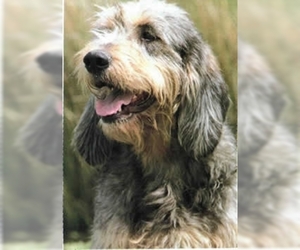
Griffon Nivernais
A.K.A. : Nivernais Griffon, Chien de Pays, Country Dog, Griffon du Nivernais
Quick navigation
All about Griffon Nivernais dog breed
A.K.A. :Nivernais Griffon, Chien de Pays, Country Dog, Griffon du Nivernais
Size
Grooming requirements
Exercise requirements
Good with other dogs
Watchdog ability
Energetic
Training requirements
Playful
Affectionate
Good with other pets
Good with children
Good with strangers
Winter
Summer
Healthiness
Protective
Life Span
| Breed Type | Pure Breed |
| Browse by Name | Starting with 'G' |
| Breeds by Group | Hound Hunting |
| Breeds by Trait | High Stamina Dog Breeds |
| Overview: | The Griffon Nivernais is a rustic and robust scenthound, originating from the Nivernais region of France in the 16th century, primarily bred for hunting wild boar. Physically, they are medium-sized dogs, typically weighing between 50-55 pounds, with a distinctive shaggy, coarse coat that comes in various shades of grey, fawn, or black overlay. Their expressive, intelligent eyes and long, dropped ears complete their unkempt yet charming appearance. In terms of temperament, Griffon Nivernais are known for being courageous, independent, and persistent hunters, yet surprisingly gentle and affectionate companions at home. They possess a keen intelligence and a strong desire to please their owners, making them trainable but also prone to following their nose if not properly leashed. Due to their high energy levels and need for regular exercise, they are best suited for active families with a spacious yard, rather than apartment living. While generally healthy, like many breeds, they can be predisposed to certain conditions such as hip and elbow dysplasia, and occasional ear infections due to their long ears. With proper care and training, the Griffon Nivernais makes a loyal and engaging family member. |
F.A.Q.
All you need to know about Griffon Nivernais breed
All You Need to Know About the Griffon Nivernais Breed
The Griffon Nivernais is a rustic, French scent hound, originally bred for hunting wild boar. Known for their courageous and independent spirit, these dogs are also affectionate and loyal companions, making them suitable for active families. Their distinctive shaggy, wiry coat, typically grey or grizzled, requires moderate grooming – weekly brushing prevents matting and helps manage shedding. With a medium build and expressive eyes, they exude an intelligent and alert demeanor. Due to their hunting background, Griffon Nivernais have significant exercise needs, thriving in environments with ample space for exploration; they are generally not well-suited for apartment living without substantial outdoor activity. Early socialization and consistent training are crucial given their strong prey drive. They are generally a robust breed, with a lifespan of 10-12 years, and few common genetic health issues beyond those typical for medium-to-large breeds, such as hip or elbow dysplasia, making them a relatively low-maintenance health-wise choice for experienced dog owners.What Is the Average Weight of Griffon Nivernais in Pounds?
The average weight for an adult Griffon Nivernais is approximately 55 pounds. Generally, the healthy weight for Griffon Nivernais ranges from 50 to 60 pounds. While there isn't a significant weight difference, males may occasionally be slightly heavier than females within this typical Griffon Nivernais weight range.
What Is the Typical Height of Griffon Nivernais in Inches?
Here's what you need to know about the Griffon Nivernais height and average size:The average height of a Griffon Nivernais typically ranges from 21.5 to 23.5 inches (measured at the shoulder) for an adult dog. This makes them a medium-sized breed.While there isn't a significant or commonly noted height difference between male and female Griffon Nivernais, males might occasionally be at the higher end of this range. However, how tall is a Griffon Nivernais can also vary slightly due to individual genetics and overall bone structure, even within the same litter. Always refer to the breed standard for the most accurate and consistent measurements.
What Coat Colors Are Typical for the Griffon Nivernais breed?
The Griffon Nivernais colors are primarily dark wolf grey or grey-fawn with a coarse, shaggy coat. This traditional coloring is the AKC recognized Griffon Nivernais color and the standard for the breed. While there aren't officially recognized "rare" or "exotic" variations in the same way as some other breeds, some individuals may have slight variations in the depth and shading of the grey or fawn. Breeders focus on maintaining the characteristic wild boar-like texture and "barbed wire" appearance, rather than a wide range of colors. Therefore, you won't find Griffon Nivernais in colors like blue, lilac, merle, or chocolate, as these are not part of the breed's genetic makeup or acceptable standard. Potential adopters can expect a dog with the distinctive and rugged dark wolf grey or grey-fawn coat, reflecting its ancient hunting heritage.
What is the typical personality of Griffon Nivernais?
The Griffon Nivernais personality is characterized by a strong, independent hunting drive combined with a surprisingly affectionate and devoted nature towards its family. This breed is known for its loyalty and forms deep bonds with its owners, often seeking their companionship. They are generally friendly and sociable, especially if well-socialized from a young age, and typically display a calm demeanor indoors after sufficient exercise.Regarding adaptability to apartment living, the Griffon Nivernais is not ideal. Their high energy levels and need for ample outdoor space and mental stimulation mean they thrive best in homes with a yard or access to open country. Without sufficient exercise, they can become restless or destructive.When it comes to behavior with children, the Griffon Nivernais can be wonderful companions. They are often patient and playful, especially with respectful children. However, as with any breed, supervision is recommended, especially with very young children, to ensure proper interaction.Their temperament of Griffon Nivernais with other pets can vary. While they generally get along well with other dogs, their strong prey drive means they may view smaller, non-canine pets (like cats, rabbits, or guinea pigs) as prey. Early and consistent socialization is crucial if they are to live peacefully with such animals. Their inherent pack mentality often makes them enjoy the company of other dogs.
What is the typical temperament of Griffon Nivernais?
Griffon Nivernais Temperament & Personality TraitsThe Griffon Nivernais possesses a delightful and generally well-balanced temperament, making them a charming companion dog behavior. These hounds are known for their affectionate and loyal nature towards their families. They are typically friendly and sociable, enjoying the company of people and often extending a warm welcome to visitors once accustomed.Their hunting heritage means they are intelligent and can be stubborn at times, particularly if a captivating scent is involved. However, they are also sensitive and respond best to positive reinforcement training methods rather than harsh corrections. They thrive on clear, consistent guidance.Adaptability to Apartment Living: Due to their energy levels and need for regular exercise, the Griffon Nivernais is generally not ideal for apartment living unless their owners are committed to providing ample daily walks, runs, or secure off-leash play. A house with a secure yard is much more suitable.Behavior with Children and Other Pets: With proper socialization from a young age, Griffon Nivernais typically do very well with children. Their gentle and patient nature makes them good playmates, but as with all breeds, supervision with very young children is always recommended. They generally get along well with other dogs, especially if introduced carefully. However, due to their strong prey drive, living with smaller pets like cats or rodents may be challenging and requires careful management and extensive early socialization.
What Are the Care Requirements for the Griffon Nivernais breed?
Griffon Nivernais Care: Daily Maintenance & Health TipsCaring for a Griffon Nivernais involves consistent attention to their unique needs. Grooming needs are moderate; their harsh, wiry coat requires weekly brushing to remove loose hair and prevent matting. Occasional hand-stripping (every few months) is recommended to maintain coat texture. Regarding exercise limitations, the Griffon Nivernais is a relatively low-energy dog breed for a scent hound, needing a moderate amount of daily activity – around 30-60 minutes of walking or supervised yard play is usually sufficient to keep them content and prevent boredom.Dietary considerations are crucial for maintaining a healthy weight. Feed a high-quality dog food appropriate for their age, activity level, and size. Monitor portion sizes closely to avoid obesity, a common issue in many breeds. Due to their breed characteristics, wrinkle and ear cleaning are essential. Regularly check and clean their ears to prevent infections, and if they have any facial folds, wipe them clean daily to prevent skin irritation and infection.Climate sensitivity due to brachycephalic anatomy is a critical point. While not extremely brachycephalic, their slightly shorter snout means they can be more susceptible to overheating in hot, humid weather. Avoid strenuous exercise during peak heat and ensure they always have access to shade and fresh water.Common health tips for Griffon Nivernais include proactively addressing potential issues. Skin issues can arise due to their coat type or any folds, so regular inspection is key. Dental care is paramount; daily brushing or dental chews can help prevent periodontal disease. Weight management is a lifelong commitment; regular exercise and controlled feeding are vital to prevent joint problems and other obesity-related health concerns. Understanding how to care for a Griffon Nivernais means being prepared for these routine maintenance tasks and staying vigilant about their health.
How active are Griffon Nivernais, and what kind of exercise do they need?
Griffon Nivernais Activity Level: How Active Are Griffon Nivernais?The Griffon Nivernais activity level is moderate, striking a balance between their historical working dog instincts and a surprisingly calm demeanor indoors. They are not perpetually "on" but require consistent physical and mental stimulation to thrive.Typical Energy Levels: Griffon Nivernais possess a good amount of stamina for outdoor activities, capable of sustained effort during walks or hikes. However, once their exercise needs are met, they are generally calm and enjoy relaxing with their family. They are not a high-strung breed but can become bored and destructive if under-exercised.Daily Exercise Needs: To maintain their physical and mental well-being, Griffon Nivernais exercise needs include at least 60-90 minutes of moderate-to-vigorous activity daily. This can be broken into several sessions and might include:* Long walks: Brisk walks or hikes are ideal, allowing them to explore and use their excellent sense of smell.* Off-leash playtime in a secure area: They enjoy running and chasing.* Scent work or tracking games: These engage their natural hunting instincts and provide mental stimulation.* Interactive play: Fetch, tug-of-war, and other games that involve their human companions.Playtime Preferences: Griffon Nivernais enjoy a variety of play. They are particularly fond of activities that involve their nose, such as sniffing out hidden treats or following a scent trail. They also enjoy chasing balls and engaging in playful wrestling with their family members.Limitations Due to Brachycephalic Anatomy: It's important to note that while the Griffon Nivernais has a distinct muzzle, they are not a brachycephalic breed in the same way as a Pug or Bulldog. Their "rough-coated" appearance might sometimes be mistaken for a very short muzzle, but they typically have a sufficiently long nose for effective breathing. Therefore, the significant limitations often associated with brachycephalic breeds regarding exercise in heat or humidity are generally less pronounced with the Griffon Nivernais. However, like any dog, they can overheat in extreme conditions, so always exercise caution during hot weather and ensure access to water and shade.Balance of Energy and Rest: Griffon Nivernais excel at balancing short bursts of energy during outdoor adventures with long periods of rest indoors. They are not content to be couch potatoes all day but are equally happy to curl up for a nap after a good walk.Suitability for Families: They are suitable for active families who enjoy spending time outdoors and can provide consistent daily exercise. They are also adaptable enough for low-energy households, provided their daily exercise requirements are met through dedicated walks and play. They are not a breed that can simply be let out into the backyard for exercise; they thrive on interaction and purposeful activity.
What are common health issues in Griffon Nivernais?
Griffon Nivernais health problems are generally moderate, as this French scent hound is considered hardy, but adopters should still be aware of common Griffon Nivernais medical issues such as hip dysplasia, spinal strain, skin fold infections, allergies, and heat sensitivity. While not typically brachycephalic, brachycephalic dog care concerns like Brachycephalic Obstructive Airway Syndrome (BOAS) may occasionally be relevant in individuals with shorter muzzles, leading to mild breathing difficulties in hot or humid climates. Their anatomy—a medium-to-large, rugged frame with a deep chest, strong legs, long ears, and a rough, wiry coat—can predispose them to orthopedic problems if overweight, gastric torsion (bloat) due to chest shape, and overheating in warm environments because of their dense fur. Loose skin and ears may also trap moisture, increasing the risk of infections if grooming is neglected.
To understand how to keep Griffon Nivernais healthy, owners should maintain a lean body weight to reduce strain on hips and spine, provide regular but moderate exercise suited to their hunting stamina, and avoid strenuous activity in hot weather. Grooming routines should include brushing to prevent matting and skin irritation, cleaning and drying skin folds and ears to reduce infection risk, and dental care to prevent periodontal disease. Allergy management may require dietary adjustments or veterinary guidance, while routine veterinary checkups are essential for monitoring orthopedic health, spinal stability, and eye conditions such as cataracts or progressive retinal atrophy (PRA).
To understand how to keep Griffon Nivernais healthy, owners should maintain a lean body weight to reduce strain on hips and spine, provide regular but moderate exercise suited to their hunting stamina, and avoid strenuous activity in hot weather. Grooming routines should include brushing to prevent matting and skin irritation, cleaning and drying skin folds and ears to reduce infection risk, and dental care to prevent periodontal disease. Allergy management may require dietary adjustments or veterinary guidance, while routine veterinary checkups are essential for monitoring orthopedic health, spinal stability, and eye conditions such as cataracts or progressive retinal atrophy (PRA).
Breed Breakdown: What Experts Say About the Griffon Nivernais
What is the typical size of Griffon Nivernais, and how does it compare to other breeds in terms of suitability for apartment living and travel?
I would rate the "Size" trait of the Griffon Nivernais as a 7.This breed is definitely on the larger side of the companion dog spectrum, leaning towards the medium-to-large category. While not a giant breed, their average height of 20-24 inches and weight of 50-55 pounds places them significantly above smaller or even most medium-sized dogs. Their robust and hardy body structure further contributes to their substantial presence, making them feel quite substantial. They are notably larger than breeds typically considered suitable for apartment living or constant travel. Therefore, the Griffon Nivernais is not ideally suited for apartment living or households with significant space constraints, and their size can make frequent travel a logistical challenge. They thrive best in homes with ample indoor and outdoor space where they can move freely.
What are the grooming requirements for Griffon Nivernais, and how do their coat type and skin features affect overall maintenance?
Rating: 3Explanation: The Griffon Nivernais is a relatively low-maintenance breed when it comes to grooming. Their rough, wiry coat sheds minimally and primarily requires weekly brushing to remove loose hair and prevent matting. Occasional hand-stripping, perhaps a couple of times a year, can help maintain the coat's texture and health, though it's not strictly necessary for a non-show dog. They don't have prominent skin folds that require special attention, and their ears, while needing regular checks for cleanliness to prevent infections, aren't overly prone to issues. Nail trimming should be done as needed, typically every few weeks. Bathing is only required when they're truly dirty, as frequent bathing can strip their coat of its natural oils. They are not particularly susceptible to skin issues or allergies, making their grooming needs straightforward and infrequent compared to many other companion dogs.
What are the exercise requirements for Griffon Nivernais, and how do their energy levels affect daily activity and health?
I would rate the Exercise Requirements of the Griffon Nivernais a 7 out of 10.This breed, while not brachycephalic and therefore without the respiratory limitations that might lower a score for some breeds, is a dedicated scent hound originally bred for hunting wild boar. This heritage dictates a significant need for physical activity and mental stimulation. They possess high energy levels and a remarkable tolerance for sustained movement, capable of covering considerable ground. Daily activity recommendations go far beyond a simple walk around the block; they thrive with long, vigorous walks, hikes, or runs. Without sufficient exercise, their innate drive to explore and follow scents can lead to boredom, destructive behaviors, and restlessness. They are not a breed that thrives with minimal activity; rather, they require structured routines that allow them to expend their energy and engage their keen sense of smell. While they enjoy playtime, it's the purposeful exercise that truly satisfies their needs, making them excellent candidates for activities like tracking, canicross, or even agility, though their primary strength lies in endurance and scent work rather than explosive speed.
How effective is Griffon Nivernais as a watchdog, and what kind of alert or protective behavior can owners expect?
The Griffon Nivernais, while a dedicated and courageous hunter, would likely rate around a 6 out of 10 for watchdog ability in a typical household. They possess a good degree of alertness and are certainly not oblivious to their surroundings. Their hunting instincts mean they are attuned to unusual sounds and movements, and they are prone to barking, which can serve as a useful early warning system. They have a loyal nature and would likely respond to unfamiliar people or sounds with a vocal alert. However, their primary instinct is that of a cooperative hunter, not a territorial guardian. While they would undoubtedly bark and bring attention to an intruder, they are generally not known for an aggressive or highly protective demeanor towards people. They are more likely to provide meaningful early warnings through their barks rather than actively deterring an intruder through confrontational behavior. They are more of a vocal alarm than a physical deterrent, making them a good choice for someone wanting an alert companion who will signal the presence of strangers, but perhaps not for someone seeking a fiercely protective guardian.
How well does the Griffon Nivernais get along with other dogs, and what role does socialization play in their behavior?
I would rate the "Good with Other Dogs" trait of the Griffon Nivernais as a 9.The Griffon Nivernais generally exhibits excellent sociability with other dogs, a characteristic deeply ingrained in their historical role as pack hunters. They typically thrive in canine company, enjoying the camaraderie and interaction that comes with being part of a group. You'll often find them to be quite amicable with unfamiliar dogs, showing curiosity and a playful demeanor rather than immediate suspicion or aggression. Their robust yet good-natured temperament tends to make them adaptable to dogs of various sizes and energy levels, often adjusting their play style accordingly. While early socialization is beneficial for any breed, the Griffon Nivernais often takes to it naturally, and they are not typically prone to dominance or aggression issues when properly raised and introduced. They are an excellent choice for multi-dog households and generally require minimal careful introductions beyond the usual common sense when bringing new dogs together, making them a very dog-friendly breed.
What is the typical energy level of a Griffon Nivernais, and how does it affect their playtime, exercise needs, and suitability for indoor living?
I would rate the "Energetic" trait of the Griffon Nivernais breed as an 8 out of 10.The Griffon Nivernais is a true working hound, bred for hunting wild boar, and this heritage is reflected in its robust energy levels. They possess significant endurance and a natural drive to be active, making them far from laid-back compared to most companion dogs. These dogs thrive on strenuous activity, long walks, and opportunities to explore and use their keen sense of smell. Their playfulness is high, and they require a substantial amount of physical stimulation to prevent boredom and destructive behaviors. They are excellent candidates for hiking, tracking, and other outdoor athletic pursuits. While they are a brachycephalic breed, their specific facial structure is not as exaggerated as some other brachycephalic dogs, which means their stamina and exercise tolerance, while still needing mindful management in extreme heat or humidity, are generally better than breeds with more severe brachycephaly. They are built for sustained effort, not short bursts, and would quickly become frustrated without adequate outlets for their inherent energy.
How easy is it to train a Griffon Nivernais, and what kind of consistency and techniques work best for this breed?
I would rate the training requirements of the Griffon Nivernais a 7 out of 10.This breed, while intelligent and capable of learning, possesses a notable degree of independence and a strong prey drive, making them more challenging than many other breeds. Their "nose-first" mentality means they can easily become distracted by scents, requiring a significant amount of consistency and patience to maintain their attention. While responsive to commands when engaged, their stubborn streak can emerge if they don't see the immediate benefit or if their instincts pull them in another direction. Positive reinforcement is highly effective, but it needs to be delivered with enthusiasm and persistence to keep them motivated. This is generally not a beginner-friendly breed and requires an owner with experience in structured routines, consistent training, and a firm yet gentle hand to guide their natural hunting instincts into desired behaviors. Without clear leadership and ongoing mental stimulation, they can become unruly or develop undesirable habits.
How playful is the Griffon Nivernais, and what makes them such an energetic companion?
I'd rate the Playful trait of the Griffon Nivernais a 7 out of 10. While not as overtly boisterous as some terrier breeds, the Griffon Nivernais possesses a natural enthusiasm and a strong desire to interact with their human companions. They typically have a good activity level, enjoying long walks and opportunities to explore, which translates into a readiness for games like fetch or hide-and-seek. Their hunting heritage often gives them a keen interest in toys that mimic prey, and they respond well to playtime, viewing it as an extension of their bond with their family. They aren't excessively attention-seeking in an demanding way, but they certainly enjoy being involved in activities and will happily engage when offered the chance. Compared to more laid-back companion dogs, they are definitely more spirited and less inclined to simply lounge all day, preferring to be active participants in their daily lives.
How affectionate is the Griffon Nivernais, and what kind of companionship and emotional bonding can owners expect?
I would rate the Affectionate trait of the Griffon Nivernais breed a 7 out of 10.While not as overtly demonstrative as some more traditional lapdog breeds, the Griffon Nivernais is a loyal and devoted companion who forms strong bonds with their family. They certainly desire human companionship and will typically follow their family members around the house, preferring to be in the same room. They show their affection through a quiet presence and a willingness to be near, often leaning against you or settling at your feet rather than demanding constant physical contact. While they appreciate a good pet and are generally sensitive to their owner's emotions, they are not typically intense cuddlers or lap-sitters once fully grown. This breed thrives on affection in the form of inclusion in family activities and consistent interaction, valuing their independence somewhat more than other companion dogs who might constantly seek physical closeness. They are not emotionally distant, but their affection is often expressed in a more understated and steadfast manner.
How well does the Griffon Nivernais get along with other pets, and what factors influence their compatibility in multi-pet households?
I would rate the "Good with Other Pets" trait of the Griffon Nivernais a 6 out of 10.While generally amiable and known for their pack mentality, which translates well to living with other dogs, their strong hunting instincts are a significant factor. They were bred to work in a pack, so they usually get along well with other canines, often enjoying their company. However, their prey drive is substantial, and this can present a challenge with smaller, non-canine pets like cats, rabbits, or birds. Without early and consistent socialization, along with careful supervision, a Griffon Nivernais may view these smaller animals as prey rather than companions. They are not typically prone to high resource guarding, especially with other dogs, but like any breed, individual personalities and early training play a crucial role. To coexist peacefully with other pets, especially cats, extensive socialization from a young age and ongoing, vigilant supervision are essential. They are not naturally "cat-friendly" in the way some companion breeds might be; their compatibility is largely dependent on the owner's commitment to training and managing their inherent instincts.
Is the Griffon Nivernais good with children, and what makes them a suitable companion for family life?
I'd rate the "Good with Children" trait of the Griffon Nivernais a 6 out of 10.While not inherently aggressive, the Griffon Nivernais is a dedicated hunting breed with a strong prey drive and independent nature. Their high energy levels and enthusiasm for tracking can sometimes translate into boisterous play, which might be overwhelming for very young or timid children. They are generally patient and tolerant of handling, but their instinct to follow scents can make them less attentive to a child's direct commands, requiring consistent training and supervision to ensure safe interactions. They aren't typically a naturally gentle, affectionate lapdog, preferring to be on the go, but with proper socialization from a young age and an understanding of their working dog temperament, they can learn to coexist happily with respectful children who understand boundaries. They are not naturally prone to snapping or aggression, but their size and energy mean accidental bumps are a possibility with toddlers. Therefore, while not unsuitable, they do require committed training and ongoing supervision to thrive in a family with children, rather than being inherently child-friendly.
Is the Griffon Nivernais good with strangers, and how do they typically behave around new people?
I'd rate the "Good with Strangers" trait of the Griffon Nivernais a 6 out of 10. While generally not aggressive, they tend to be reserved and somewhat cautious around unfamiliar adults. They aren't typically the type to immediately greet strangers with exuberant enthusiasm. Their hunting dog heritage means they are observant and can be a bit wary until they assess a new person. They are less prone to excessive barking or guarding compared to some other breeds, but they will certainly alert to new arrivals. With proper early socialization, they can become quite adaptable and tolerant in public or guest-filled environments, but this comfort isn't usually their default setting; rather, it's a result of deliberate exposure and positive experiences. They require this training to be truly comfortable and friendly, as they aren't naturally extremely outgoing towards all strangers.
How well does the Griffon Nivernais tolerate cold weather, and what precautions are needed during winter months?
Rating: 7/10The Griffon Nivernais is a generally hardy breed, possessing a good level of winter tolerance. Their rough, shaggy double coat offers a decent degree of insulation, and their medium to large size contributes to better heat retention compared to smaller breeds. While not possessing the extreme cold resilience of breeds like the Siberian Husky, they are well-equipped to handle typical cold weather. Their lean but muscular build, developed for hunting in varied terrain, suggests a moderate level of body fat, sufficient for warmth without being excessive. The breed does not exhibit brachycephalic anatomy, meaning they do not face the respiratory challenges that can exacerbate cold sensitivity in breeds with shortened muzzles. They are active dogs that generally enjoy outdoor activity, and in cold climates, they can safely enjoy walks and playtime. However, in very extreme cold, prolonged exposure without shelter or activity should be avoided due to the general risk of hypothermia for any dog. Compared to many companion dogs, the Griffon Nivernais requires less special care in winter. They will appreciate a warm, dry place to rest and may benefit from a coat during very frigid conditions or for extended periods outdoors, especially if they are not actively exercising. They are not as delicate as short-coated or toy breeds, nor are they as inherently resistant as arctic breeds, placing them firmly in the "good" category for winter tolerance.
How well does the Griffon Nivernais tolerate hot weather, and what precautions should owners take during summer months?
I would rate the Summer tolerance of the Griffon Nivernais breed at a 6.The Griffon Nivernais is not brachycephalic, which is a significant advantage in heat regulation. Their medium-length, somewhat wiry coat offers some protection from the sun but can also trap heat. They are an active hunting breed, naturally inclined to be outdoors, which means they possess a degree of stamina. However, like many scenthounds, they can become deeply engrossed in a scent, potentially ignoring early signs of overheating if not monitored. While not as susceptible as a breed with a thick double coat or a flat face, they are still at risk of heatstroke, especially during vigorous activity in hot, humid conditions.Compared to other companion dogs, the Griffon Nivernais does require special care in summer months, primarily due to their drive and activity levels. They aren't inherently fragile in the heat, but their working dog nature means they *want* to be active. Owners must be vigilant about scheduling walks and training sessions during cooler parts of the day, providing constant access to fresh water, and offering plenty of shade or indoor climate control during peak heat. They can tolerate moderate summer temperatures with proper precautions, but extended periods of intense heat or strenuous exercise will require careful management and likely necessitate keeping them indoors or in air-conditioned spaces to prevent overheating. They are not a breed that can simply be left to their own devices in hot weather.
What are the common health concerns for the Griffon Nivernais, and how much care and medical attention does this breed typically require?
Rating: 8/10The Griffon Nivernais is generally considered a robust and healthy breed, earning it a high rating. They are not prone to the multitude of debilitating genetic conditions that plague some other breeds, and their athletic build contributes to their overall resilience. While no breed is entirely free from health concerns, the Griffon Nivernais typically enjoys a good life expectancy and a relatively low incidence of severe breed-specific health issues. Responsible breeding practices further enhance their health, with breeders focusing on maintaining the breed's natural vigor and avoiding the perpetuation of known problems. They are not considered high-maintenance in terms of health, often requiring standard veterinary care and preventative measures rather than extensive specialized treatments. Compared to many companion dogs that have been selectively bred for extreme physical traits, the Griffon Nivernais retains a more natural and durable constitution.
How protective is the Griffon Nivernais, and what kind of watchdog or guard dog behavior can owners expect?
I'd rate the "Protective" trait of the Griffon Nivernais breed a 6 out of 10.While inherently a scent hound bred for hunting, the Griffon Nivernais does possess a degree of protective instinct, primarily stemming from its alertness and loyalty. They are generally vigilant and will certainly bark to alert their owners to anything unusual, making them good watchdogs in terms of noise. Their territorial instincts are present but not aggressive; they'll certainly let you know if someone is on their property. They form strong bonds with their families and are very loyal, which translates into a desire to keep their loved ones safe.However, their protective nature is more about alertness and deterrence through noise rather than active confrontation. Their primary drive is to follow a scent and hunt, not to guard. While they might appear imposing due to their shaggy coat and medium-to-large size, they are not typically aggressive or prone to biting strangers unless truly provoked or feeling their family is in direct, imminent danger. They are generally friendly once they've assessed a new person isn't a threat, especially if properly socialized. Therefore, while they make an excellent alarm system and a very devoted companion, they are more of a companion dog with watchdog capabilities than a breed capable of offering meaningful physical protection against an intruder beyond barking and potentially deterring a less determined individual. They are not a true guard dog in the sense of actively engaging or subduing a threat.
What is the average lifespan of a Griffon Nivernais, and what health factors influence their longevity?
I'd rate the "Life Span" trait of the Griffon Nivernais breed at a 7.This rating places them in the average to slightly above average category compared to other companion dogs. Griffon Nivernais typically enjoy a lifespan of 10 to 14 years, which is a solid range for a medium-sized breed. They are generally considered a hardy breed with fewer genetic predispositions to severe, life-shortening conditions compared to some other purebreds. While responsible breeding and care, including a healthy diet, regular exercise, and preventative veterinary check-ups, undoubtedly contribute to their longevity, they aren't inherently prone to the widespread health issues that plague breeds with significantly shorter lifespans. They are not considered exceptionally long-lived like some toy breeds, but they are certainly not short-lived either.
Griffon Nivernais Dogs for adoptionSee all dogs for adoption
Similar Dog Breeds for Griffon Nivernais
Quick Breed Selector 0 - not important, 1 - smallest, 10 - largest
Variants & Mistakes :Grifon Nivernais, Griffon Nivernaise, Griffon Nivernes, Grifon Nivernaise, Grifon Nivernes, Griffon Niverne, Grifon Niverne, Griffon Nivernase, Grifon Nivernase, Griffon Nevernais, Grifon Nevernais, Griffon Nevernaise, Grifon Nevernaise, Griffon Nevernes, Grifon Nevernes, Griffon Neverne, Grifon Neverne, Griffon Nivernays, Grifon Nivernays, Griffon Nivernaiss, Grifon Nivernaiss, Griffon Nivernaice, Grifon Nivernaice, Griffon Nivernaize, Grifon Nivernaize, Griffon Nivernaisss, Grifon Nivernaisss, Griffon Nivernaiz, Grifon Nivernaiz, Griffon Nivernases, Grifon Nivernases, Griffon Nivernese, Grifon Nivernese, Griffon Nevernays, Grifon Nevernays, Griffon Nevernaiss, Grifon Nevernaiss, Griffon Nevernaice, Grifon Nevernaice, Griffon Nevernaize, Grifon Nevernaize, Griffon Nevernaisss, Grifon Nevernaisss, Griffon Nevernaiz, Grifon Nevernaiz, Griffon Nivernaie, Grifon Nivernaie