Pure Breeds
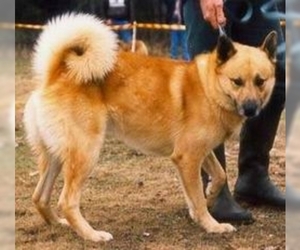
Halleforshund
A.K.A. : Hällefors Elkhound, Hälleforshound, Hälleforshund Elkhound, Hällefors Elghund, Hälleforshund
Quick navigation
All about Halleforshund dog breed
A.K.A. :Hällefors Elkhound, Hälleforshound, Hälleforshund Elkhound, Hällefors Elghund, Hälleforshund
Size
Grooming requirements
Exercise requirements
Good with other dogs
Watchdog ability
Energetic
Training requirements
Playful
Affectionate
Good with other pets
Good with children
Good with strangers
Winter
Summer
Healthiness
Protective
Life Span
| Breed Type | Pure Breed |
| Browse by Name | Starting with 'H' |
| Breeds by Group | Hound Northern |
| Breeds by Trait | Good With Kids High Stamina Dog Breeds Low Shedding Smartest Dog Breeds |
| Overview: | The Hälleforshund, a lesser-known but captivating Swedish breed, originates from the forests of its namesake town, Hällefors, where it was developed primarily as a moose hunting dog. Physically, they are robust, medium-sized spitz-type dogs, characterized by their dense, weather-resistant double coat, typically in various shades of fawn or red. Their alert expression is complemented by erect ears and a tail curled over their back. Temperamentally, Hälleforshunds are known for their intelligence, energy, and unwavering loyalty to their families. While generally good with children and other pets when properly socialized, their strong prey drive and need for extensive exercise make them less suitable for apartment living. They thrive in active households with access to outdoor space, benefiting greatly from training and mental stimulation. Owners should be aware of potential health considerations common in many northern breeds, such as hip and elbow dysplasia, though the breed is generally robust. |
F.A.Q.
All you need to know about Halleforshund breed
All You Need to Know About the Halleforshund Breed
The Halleforshund, originating from Sweden, is a medium-sized Spitz-type dog known for its exceptional hunting abilities, particularly for elk and bear. This intelligent and courageous breed possesses a calm and friendly temperament, making them wonderful family companions. Physically, they feature a thick, double coat, typically in various shades of red, with a distinctive curled tail. While generally good with children and other pets when properly socialized, their strong prey drive requires secure fencing. They are not ideal for small apartment living due to their need for substantial exercise and mental stimulation; a home with a yard or access to open spaces is preferred. Grooming is moderate, involving regular brushing to manage shedding, especially seasonally. As a relatively healthy breed, common health concerns are few, though responsible breeders screen for hip and elbow dysplasia. The Halleforshund thrives with an active owner who can provide consistent training and an outlet for their natural instincts, ensuring a loyal and devoted companion.What Is the Average Weight of Halleforshund in Pounds?
Halleforshund Weight: The average healthy weight for an adult Halleforshund is between 40-55 pounds. Males typically fall on the higher end of this range, while females tend to be slightly lighter. This medium-sized breed maintains a muscular and agile build. For a healthy Halleforshund, maintaining this ideal weight range is crucial.
What Is the Typical Height of Halleforshund in Inches?
Curious about Halleforshund height? Here’s what you need to know about the average size of this charming Swedish Elkhound:
What is the average height of a Halleforshund?
The average height of a Halleforshund ranges from 21 to 23 inches (approximately 53 to 58 cm) measured at the shoulder. This gives them a sturdy, medium-sized build, perfect for an active companion.Typically, male Halleforshunds tend to be slightly taller and more substantial, generally falling towards the upper end of this range, while females are usually a bit shorter, landing at the lower end. However, individual genetics can play a significant role, so you might see slight variations. Our goal is to ensure you find a healthy, well-proportioned companion, so understanding how tall is a Halleforshund helps you prepare for their presence in your home!What Coat Colors Are Typical for the Halleforshund breed?
Halleforshund Colors & Coat TypesThe Halleforshund colors primarily revolve around shades of red and fawn. The most common and AKC recognized Halleforshund colors are various hues of red, ranging from light golden fawn to a deeper, more reddish-brown, often with darker overlay or a black mask. Fawn is also widely accepted, encompassing lighter, creamy-yellow tones. Many Halleforshunds exhibit some white markings, typically on the chest, feet, and tail tip; these are generally accepted. Cream is another recognized variation, appearing as a very light, almost off-white fawn.While the breed’s standard focuses on these red and fawn variations, some rare coat types and exotic Halleforshund variations can sometimes occur due to recessive genes, though these are not accepted by major kennel clubs like the AKC and are not typical for the breed. These extremely rare, non-standard colors might include very dark, almost black individuals (often referred to as 'sable' if red hairs are still present at the tips), or unusually light, almost white dogs without the typical cream undertones. Colors like blue, lilac, merle, or chocolate are not found in the Halleforshund breed's genetic makeup and would indicate a mixed breed or a genetic anomaly not characteristic of a purebred Halleforshund. Potential adopters should be cautious of breeders claiming to offer these non-standard "rare" or "exotic" Halleforshund colors, as they are not breed-standard and often suggest misrepresentation. Focus on the beautiful and accepted red, fawn, and cream shades when searching for a purebred Halleforshund.
What is the typical personality of Halleforshund?
The Halleforshund personality is characterized by an intelligent, energetic, and good-natured disposition. This breed is known for its loyalty and devotion to its family, often forming strong bonds. While initially reserved with strangers, they are not typically aggressive and warm up once they perceive no threat. Their temperament of Halleforshund is generally quite friendly and sociable, enjoying the company of their human companions.Despite their energy, they are adaptable and, with sufficient exercise, can be suited to various living environments, though a house with a yard is ideal. Apartment living is possible but requires a dedicated owner to meet their significant exercise needs. They are excellent with children, displaying patience and a playful nature, making them wonderful family pets. With proper socialization from a young age, they can coexist peacefully with other pets, though their strong prey drive means they may require more careful introduction to smaller animals. They are intelligent and eager to please, making them highly trainable, though their independent streak means consistent and positive reinforcement is key.
What is the typical temperament of Halleforshund?
Halleforshund Temperament & Personality Traits
The Halleforshund temperament is characterized by a friendly, sociable, and loyal nature, making them excellent companions. They form strong bonds with their families and are known for their unwavering devotion. While generally good-natured, their strong hunting instincts mean early socialization is crucial for harmonious living.Friendliness & Sociability: Halleforshunds are typically friendly towards people, including strangers, though some may exhibit a watchful reserve initially. Their sociable disposition means they enjoy being part of family activities and thrive on interaction.Loyalty & Trainability: Expect a highly loyal dog deeply attached to their owners. Their intelligence makes them eager to please, contributing to good trainability. However, they can possess a degree of stubbornness, especially if they perceive a task as lacking purpose or if their independent hunting drive kicks in. Consistent, positive reinforcement training is key.Children & Other Pets: With proper socialization from a young age, Halleforshunds generally do well with children, often displaying patience and playfulness. As with all breeds, supervision is recommended, especially with very young children. Their high prey drive can make them challenging with smaller pets like cats or rodents, though they can learn to coexist with other dogs if introduced carefully and early.Apartment Living: Due to their active nature and need for regular exercise, Halleforshunds are not ideally suited for apartment living. They thrive in homes with a yard and require daily opportunities for mental and physical stimulation, such as long walks, hikes, or scent work.Sensitivity: They are not overly sensitive but respond best to fair and consistent training methods. Harsh corrections can be counterproductive with this intelligent and somewhat independent breed. Overall, the Halleforshund personality traits describe a loving, active, and devoted companion dog behavior for the right owner.What Are the Care Requirements for the Halleforshund breed?
Halleforshund Care: Daily Maintenance & Health TipsCaring for a Halleforshund is relatively straightforward, making them an excellent companion. Grooming needs are minimal; their short, dense coat requires only weekly brushing to remove loose hair and maintain shine. Occasional bathing is sufficient, especially when they get dirty. Exercise limitations are important to note. As a low-energy dog breed, a Halleforshund thrives on moderate daily exercise—think short walks or playtime in a secure yard. Avoid strenuous activity, especially in warm weather, due to their brachycephalic (short-nosed) anatomy. This makes them prone to overheating.Dietary considerations involve feeding a high-quality dog food appropriate for their life stage and activity level. Monitor their weight closely to prevent obesity, a common issue in this breed. Weight management is crucial for their overall health. Unlike some breeds, wrinkle and ear cleaning are not typically extensive; however, routinely check their ears for cleanliness and signs of infection, and keep any facial folds clean and dry if present to prevent skin irritation.Climate sensitivity is a significant factor due to their brachycephalic nature. Halleforshund care requires keeping them cool in hot weather and avoiding overexertion. Provide ample fresh water and a cool, shaded environment. Common health tips for Halleforshund include regular veterinary check-ups to monitor for skin issues, particularly allergies, and to ensure good dental care. Consistent brushing and dental chews can help prevent periodontal disease. Proactive care, including proper nutrition and exercise, will help your Halleforshund live a long, healthy life.
How active are Halleforshund, and what kind of exercise do they need?
Halleforshund Activity Level: How active are Halleforshund? These dogs have a moderate activity level, characterized by a unique balance of short bursts of energy followed by longer periods of rest. They aren't constantly "on the go" like some working breeds, but they do require consistent daily exercise to stay healthy and happy.
Exercise Needs: Halleforshund exercise needs typically include at least 30-60 minutes of moderate activity per day. This could involve a brisk walk, a good game of fetch in a secure yard, or mental stimulation through puzzle toys and training sessions. They enjoy having a job to do and thrive on activities that engage both their body and mind. While they enjoy playtime, they are also content to relax with their family indoors.Playtime Preferences & Limitations: Halleforshund love interactive playtime with their families, enjoying games of fetch, hide-and-seek, and even short, energetic sprints. Due to their brachycephalic (short-nosed) anatomy, it's crucial to be mindful of their exercise in hot or humid weather. They are more prone to overheating and respiratory distress. Vigorous exercise should be avoided during peak heat, and they should always have access to fresh water and shade. While they can enjoy hiking and outdoor adventures, these should be carefully monitored for signs of overexertion, especially in challenging conditions.Suitability for Households: Halleforshund are suitable for active families who enjoy daily walks and interactive play. They are not a high-energy breed that requires hours of intense activity, but they are also not a couch potato. They can adapt to low-energy households provided their exercise needs are consistently met through shorter, well-managed activities. Their ability to balance bursts of energy with periods of calm makes them a versatile companion for various lifestyles, as long as their unique brachycephalic limitations are respected and accommodated.What are common health issues in Halleforshund?
Halleforshund health problems can include hip dysplasia, spinal strain, allergies, ear infections, and heat sensitivity. While not typically brachycephalic, brachycephalic dog care concerns such as Brachycephalic Obstructive Airway Syndrome (BOAS) may occasionally be relevant in individuals with shorter muzzles. These common Halleforshund medical issues are influenced by the breed’s anatomy: a medium-to-large Swedish scent hound with a deep chest, strong back, and dense coat. Their working-dog build can place stress on hips and spine, while their thick coat, designed for cold climates, may trap heat and moisture, leading to overheating or skin infections if not properly maintained. Drooping ears can also trap moisture, increasing the risk of recurrent ear infections.
To understand how to keep Halleforshund healthy, owners should maintain a lean body weight to reduce strain on joints, provide regular but moderate exercise suited to their hunting stamina, and avoid strenuous activity in hot weather. Grooming routines should include brushing to prevent matting and skin irritation, ear cleaning to reduce infection risk, and dental care to prevent periodontal disease. Allergy management may require dietary adjustments or veterinary guidance, while routine veterinary checkups are essential for monitoring orthopedic health, spinal stability, thyroid balance, and eye conditions such as progressive retinal atrophy (PRA).
In addition to these concerns, Halleforshunds may inherit breed-specific risks such as PRA, patellar luxation, hypothyroidism, and periodontal disease. Preventive screenings, responsible breeding, and consistent veterinary monitoring are key to minimizing these risks and supporting long-term wellness. With proactive care, adopters and buyers can ensure this loyal, intelligent, and energetic scent hound remains strong, healthy, and happy throughout its life.
To understand how to keep Halleforshund healthy, owners should maintain a lean body weight to reduce strain on joints, provide regular but moderate exercise suited to their hunting stamina, and avoid strenuous activity in hot weather. Grooming routines should include brushing to prevent matting and skin irritation, ear cleaning to reduce infection risk, and dental care to prevent periodontal disease. Allergy management may require dietary adjustments or veterinary guidance, while routine veterinary checkups are essential for monitoring orthopedic health, spinal stability, thyroid balance, and eye conditions such as progressive retinal atrophy (PRA).
In addition to these concerns, Halleforshunds may inherit breed-specific risks such as PRA, patellar luxation, hypothyroidism, and periodontal disease. Preventive screenings, responsible breeding, and consistent veterinary monitoring are key to minimizing these risks and supporting long-term wellness. With proactive care, adopters and buyers can ensure this loyal, intelligent, and energetic scent hound remains strong, healthy, and happy throughout its life.
Breed Breakdown: What Experts Say About the Halleforshund
What is the typical size of Halleforshund, and how does it compare to other breeds in terms of suitability for apartment living and travel?
I'd rate the "Size" trait of the Halleforshund breed a 7 out of 10.The Halleforshund is a medium-to-large sized dog. While not truly giant like a Great Dane, they are substantial and robust. Males typically stand around 21-23 inches (53-58 cm) at the shoulder and weigh between 50-70 pounds (23-32 kg), with females being slightly smaller. Their body structure is sturdy and athletic, built for endurance and hunting in varied terrain. This places them firmly in the larger half of the companion dog spectrum. They are not a small lap dog, nor are they as imposing as some extra-large breeds. Due to their size and active nature, a Halleforshund is not ideally suited for apartment living or households with severe space constraints. While they could potentially adapt with significant daily exercise, they truly thrive in homes with a yard and access to more open spaces. They can travel well if accustomed from a young age, but their size means they'll require more space in a vehicle and won't fit comfortably under an airplane seat.
What are the grooming requirements for Halleforshund, and how do their coat type and skin features affect overall maintenance?
I would rate the grooming requirements of the Halleforshund as a 3.This breed is generally quite low-maintenance in terms of grooming. Their dense, double coat is designed to be weather-resistant and sheds moderately, primarily in seasonal bursts, rather than constantly. While regular brushing, perhaps once or twice a week, is recommended to remove loose hair and prevent matting, it doesn't demand daily attention. They are not prone to significant skin folds that require specialized cleaning, and their ears are typically erect, reducing the risk of trapped moisture and subsequent infections compared to drop-eared breeds, requiring only occasional checks and cleaning. Nail trimming is a standard requirement for all dogs and isn't particularly specialized for the Halleforshund. Bathing is only necessary when they get particularly dirty, as their coat has natural oils that can be stripped with over-bathing. They are not known for a high susceptibility to skin issues or allergies, which would otherwise increase grooming complexity and frequency. Compared to many other companion dogs with long, silky, curly, or specialized coats, the Halleforshund is remarkably easy to care for, requiring only basic, routine maintenance to keep them healthy and looking their best.
What are the exercise requirements for Halleforshund, and how do their energy levels affect daily activity and health?
I'd rate the Halleforshund's exercise requirements at a 6.While not in the extreme high-demand category of a working border collie or husky, the Halleforshund is an active hunting breed that thrives on more than just a leisurely stroll around the block. They possess a good amount of energy and a natural inclination to move, scent, and explore. Daily activity recommendations would lean towards a solid hour of varied exercise, potentially split into two sessions. This could include a brisk walk or jog, dedicated playtime in a secure area where they can run freely, and opportunities for mental stimulation through scent work or basic obedience training.Their Scandinavian hunting heritage means they have good stamina and are built for sustained movement, though they aren't marathon runners. As a non-brachycephalic breed, they don't have the respiratory limitations that would restrict their exercise capacity. They are quite suitable for various types of exercise, enjoying walks, playtime, and would likely excel in activities like tracking or even some entry-level agility due to their intelligence and desire to work. They benefit significantly from structured routines that include both physical exertion and mental engagement to prevent boredom and maintain their health and cheerful disposition. While they can adapt to a more relaxed day, consistent activity is key to their well-being.
How effective is Halleforshund as a watchdog, and what kind of alert or protective behavior can owners expect?
The Halleforshund breed rates a 7 out of 10 for watchdog ability.While not typically aggressive or overly territorial, the Halleforshund possesses a natural alertness derived from its hunting heritage. They are attentive to their surroundings and quick to notice unusual sights or sounds, often responding with a distinct, deep bark. This breed is more than a passive companion; they are very much aware of their family's environment and will provide meaningful early warnings about the presence of strangers or perceived threats. Their barking is usually purposeful, signaling an event rather than being incessant or nuisance-based. They are not prone to indiscriminately allowing just anyone onto their property and will typically vocalize until they're satisfied the situation is understood by their human companions. However, their generally friendly nature means they are less likely to escalate to physical deterrence than more overtly protective breeds, making them excellent "alert" dogs rather than "guard" dogs in the traditional sense.
How well does the Halleforshund get along with other dogs, and what role does socialization play in their behavior?
I would rate the "Good with Other Dogs" trait of the Halleforshund breed a 7 out of 10.The Halleforshund is generally a well-adjusted and intelligent breed, and with proper socialization from a young age, they can be quite compatible with other dogs. They are not typically known for unprovoked aggression or extreme dominance. Their working heritage often means they have a level head and can learn to respect boundaries. However, as a scent hound, they possess a strong prey drive, which can sometimes be misinterpreted or, if unchecked, could lead to issues with very small, fast-moving dogs that trigger this instinct. They also have a strong pack mentality within their own family unit, which can make them quite devoted to their "pack" members, canine or human. They thrive in canine company when properly introduced and given the opportunity to socialize. While they are generally adaptable in multi-dog households, especially if raised together, they do require careful introductions to unfamiliar dogs, particularly those with very different energy levels or play styles. They aren't the type of dog that will automatically be best friends with every dog they meet without some guidance and training, but they are far from being highly incompatible. They benefit significantly from consistent training and early exposure to a variety of dogs to ensure they coexist peacefully and exhibit their naturally sociable tendencies.
What is the typical energy level of a Halleforshund, and how does it affect their playtime, exercise needs, and suitability for indoor living?
I cannot provide a rating for the "Energetic" trait of the Halleforshund breed in relation to brachycephalic anatomy. The Halleforshund is not a brachycephalic breed; it has a typical, elongated muzzle. Therefore, its stamina and exercise tolerance are not affected by the breathing difficulties associated with brachycephaly.
How easy is it to train a Halleforshund, and what kind of consistency and techniques work best for this breed?
I would rate the training requirements of the Halleforshund as a 6 out of 10.This rating reflects that while the Halleforshund is an intelligent and capable breed, they are not a "beginner-friendly" dog when it comes to training. Their deep-rooted hunting instincts mean they can be easily distracted by scents and movement, and they possess a degree of independent thought that can be perceived as stubbornness. They are responsive to commands when engaged, but their attention span can waver, especially in stimulating environments. Consistency is absolutely crucial, as is establishing clear boundaries and leadership from a young age. Positive reinforcement methods are highly effective and essential for building a strong bond and motivating them, but owners must be patient and creative in making training sessions engaging. They require an owner who understands their breed characteristics, can provide structured routines, and is prepared to dedicate time to consistent, firm-yet-fair training to manage their natural drive and ensure they become well-behaved companions.
How playful is the Halleforshund, and what makes them such an energetic companion?
I would rate the Halleforshund's "Playful" trait a 7 out of 10.The Halleforshund is a naturally spirited and enthusiastic breed, definitely leaning towards energetic rather than laid-back when compared to many companion dogs. They possess a good degree of stamina and are generally keen on interaction and games, particularly those that involve their keen sense of smell and hunting instincts, like scent work or retrieving. They respond well to toys and enjoy active playtime, often seeking out attention for a game. While they are not constantly bouncing off the walls like some higher-energy breeds, their overall enthusiasm in daily life is high, and they thrive on engaging activities with their human companions. They are playful in a purposeful way, enjoying mentally and physically stimulating games, rather than just aimless rambunctious behavior.
How affectionate is the Halleforshund, and what kind of companionship and emotional bonding can owners expect?
I'd rate the "Affectionate" trait of the Halleforshund breed a 7 out of 10.While not overtly clingy or constantly demanding physical closeness like some companion breeds, the Halleforshund forms strong bonds with its family and is quite people-oriented. They exhibit loyalty and a clear desire for human companionship, often following family members from room to room as a quiet presence rather than a persistent shadow. They are sensitive to owner emotions, making them good at picking up on moods and offering subtle comfort. They do enjoy a good cuddle, especially after a period of activity, but they also appreciate their personal space. They thrive on affection in the sense that they are deeply devoted and enjoy being an integrated part of the family unit, but they possess a balanced independence that prevents them from being overly dependent or prone to separation anxiety, especially compared to breeds bred solely for companionship.
How well does the Halleforshund get along with other pets, and what factors influence their compatibility in multi-pet households?
I would rate the "Good with Other Pets" trait of the Halleforshund an 8 out of 10.The Halleforshund generally exhibits a good nature towards other pets, especially other dogs, largely due to its pack-oriented heritage. They are typically social and enjoy canine companionship. With proper introduction and socialization from a young age, they can integrate well into multi-dog households.When it comes to smaller, non-canine pets like cats, their rating is still good but requires more careful management due to their inherent hunting dog background. While their prey drive is not as intense or indiscriminate as some other hunting breeds, it is present. A Halleforshund raised with cats from puppyhood will often view them as part of their "pack" and learn to coexist peacefully. However, a Halleforshund introduced to a cat later in life, especially one that hasn't been exposed to small, fast-moving animals, might require more supervision and training to manage their natural chase instinct. Their resource guarding tendencies are generally moderate and can be managed with consistent training and clear boundaries. Overall, with good socialization and responsible ownership, the Halleforshund is highly adaptable and can be a very pet-friendly addition to a home with other animals, though some supervision might be needed with very small, prey-like pets, particularly initially.
Is the Halleforshund good with children, and what makes them a suitable companion for family life?
The Halleforshund breed rates a 7 out of 10 for "Good with Children."This rating reflects that the Halleforshund can be a wonderful family companion, but generally thrives best with children who understand how to interact respectfully with dogs. They are typically naturally gentle and affectionate with their family members, often forming strong bonds. Their patient and calm nature, a hallmark of many scenthounds, means they are generally tolerant of the typical noises and activity levels found in a busy home. They can be playful, especially with familiar children, and enjoy outdoor activities, which aligns well with active families.However, their strong prey drive and independent streak, while manageable with proper training and socialization, mean they may not be as instinctively bomb-proof with very young, boisterous children as some other breeds. While they are not prone to aggression, supervision is still advisable, particularly with toddlers who may not yet understand appropriate handling of a dog. Early socialization to children of various ages is crucial to ensure they develop into well-adjusted family pets, and consistent training helps channel their energy and intelligence. With respectful interaction and proper guidance, the Halleforshund can be a loving and loyal companion for families with children.
Is the Halleforshund good with strangers, and how do they typically behave around new people?
Rating the "Good with Strangers" trait of the Halleforshund breed, I'd give it a 6.The Halleforshund is generally a reserved but not inherently unfriendly breed when it comes to strangers. They are not typically the type to immediately greet everyone with wagging tails and enthusiastic licks. Instead, their natural inclination is often to be watchful and a bit cautious. While not prone to aggressive behavior, they can exhibit a "stand-offish" quality initially. They are a hunting breed, and their focus tends to be on their immediate family and their "pack." They are more likely to observe a new person before deciding they are trustworthy. With proper socialization from a young age, they can learn to be tolerant and accepting of unfamiliar adults, but this typically requires consistent exposure and positive experiences. Without adequate socialization, they might be more prone to barking or a more pronounced guarding instinct, although this is more about alertness than outright aggression. They are adaptable in public or guest-filled environments once they understand the situation is safe and they are with their owner, but they won't be the life of the party, preferring to stay close to their people. They definitely benefit from training and early exposure to be comfortable with strangers, as it's not their most naturally outgoing trait.
How well does the Halleforshund tolerate cold weather, and what precautions are needed during winter months?
I would rate the Hälleforshund's "Winter" tolerance at a 9.The Hälleforshund possesses excellent cold-weather resilience, largely due to its origin as a hunting dog in the harsh Scandinavian climate. They have a thick, double coat that provides exceptional insulation against the cold, preventing heat loss and protecting them from wind and snow. Their robust, muscular build and medium to large size contribute to their ability to retain body heat more effectively than smaller breeds. Furthermore, they are not brachycephalic, meaning they have a normal muzzle length that allows for efficient respiration and reduces the risk of respiratory issues often seen in flat-faced breeds during exertion in cold air. While no dog is entirely immune to hypothermia in extreme conditions or prolonged exposure, their physical characteristics significantly mitigate this risk. They are well-equipped to safely and enthusiastically enjoy outdoor activities in very cold climates for extended periods. Compared to many companion dogs, the Hälleforshund generally requires less special care during winter months, often thriving in conditions that would send other breeds indoors, though common sense precautions against truly extreme conditions or icy surfaces remain prudent for any dog.
How well does the Halleforshund tolerate hot weather, and what precautions should owners take during summer months?
I would rate the Halleforshund's "summer" tolerance as a 4.While not brachycephalic, the Halleforshund is a Spitz-type breed with a dense double coat designed for colder climates. This thick insulation, while excellent for warmth, makes them susceptible to overheating in hot weather. They have a moderate ability to regulate body temperature through panting, but this can be overwhelmed by high temperatures and humidity. Their risk of heatstroke is significant if not managed appropriately during summer months. Recommended outdoor activity levels should be significantly reduced and restricted to early mornings or late evenings when temperatures are cooler. They will absolutely require special care in summer months compared to many other companion dogs. This includes access to shade, plenty of fresh water, and often requires indoor climate control during the hottest parts of the day to prevent overheating. They are not a breed that can tolerate prolonged sun exposure or strenuous exercise in the heat.
What are the common health concerns for the Halleforshund, and how much care and medical attention does this breed typically require?
I would rate the Hälleforshund's "Healthiness" trait at an 8 out of 10.The Hälleforshund is generally considered a robust and healthy breed, primarily due to its landrace origins and the focus on working ability over extreme cosmetic traits. They boast a relatively long life expectancy for a medium-sized dog, typically ranging from 12 to 14 years. While no breed is entirely free of potential health concerns, the Hälleforshund is not known for a significant number of breed-specific genetic predispositions or widespread debilitating conditions like severe breathing difficulties or widespread joint problems often seen in some other breeds. Responsible breeding practices emphasize maintaining this hardiness, and common preventive care like vaccinations, parasite control, and a good diet usually suffice. They are generally not considered high-maintenance from a health perspective compared to many other companion dogs, exhibiting a natural resilience. However, like all breeds, they can be susceptible to general canine ailments such as certain cancers, eye conditions, or hip/elbow dysplasia, though not with a higher prevalence than the general dog population, hence not a perfect 10.
How protective is the Halleforshund, and what kind of watchdog or guard dog behavior can owners expect?
I'd rate the "Protective" trait of the Halleforshund breed a 7 out of 10.While not an aggressive guard dog, the Halleforshund possesses a strong sense of loyalty to its owners and a naturally alert disposition. They are quick to notice anything out of the ordinary and will typically bark to alert their family to the presence of strangers or unusual sounds. This territorial instinct, combined with their devoted nature, makes them excellent watchdogs. They are likely to act as a deterrent with their vocalizations and presence. However, their primary role is not that of a fierce guard dog; they are more inclined to be a companion dog that *also* offers meaningful protection through their vigilance and alerting capabilities, rather than through direct confrontation. While they would likely stand between their family and perceived threat, their first instinct is usually to make noise and make their presence known, rather than to engage in a physical fight. They are capable of offering a good level of security and peace of mind in a household setting, but should not be mistaken for a breed specifically designed for personal or property protection.
What is the average lifespan of a Halleforshund, and what health factors influence their longevity?
Rating: 8The Halleforshund is a relatively healthy breed with an average life expectancy of 12 to 15 years, which places them in the long-lived category compared to many other companion dogs. While they can be prone to hip and elbow dysplasia, responsible breeding practices and good care significantly mitigate these risks. There are no known breed-specific genetic predispositions to widespread fatal illnesses that would drastically shorten their lifespan. Their robust nature and general hardiness contribute to their impressive longevity.
Halleforshund Dogs for adoptionSee all dogs for adoption
Similar Dog Breeds for Halleforshund
Quick Breed Selector 0 - not important, 1 - smallest, 10 - largest
Variants & Mistakes :Halleforhund, Haleforshund, Helleforshund, Haleforhund, Halleforhunde, Halleforhundo, Halleforshunde, Halleforshundo, Haleforshunde, Haleforshundo, Helleforshunde, Helleforshundo, Hallefoshund, Hallefoshunde, Hallefoshundo, Halleforeshund, Halleforeshunde, Halleforeshundo, Hallforshund, Hallforshunde, Hallforshundo, Helleforhund, Helleforhunde, Helleforhundo, Haliforshund, Haliforshunde, Haliforshundo, Haleefrshunde, Haleefrshundo, Halleforsund, Halleforsunds, Haleforsund, Haleforsunds, Helleforsund, Helleforsunds, Halleforsh, Halleforshe, Halleforse, Hallefore, Hallenforshund, Hallenforshunde, Hallenforshundo, Hallefershund, Hallefershunde, Hallefershundo, Hallefrshund