Pure Breeds
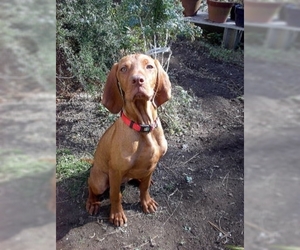
Hungarian Pointer
A.K.A. : Vizsla, Magyar Vizsla, Smooth-Haired Hungarian Vizsla, Hungarian Shorthaired Pointer, Hungarian Pointing Dog, Russet Pointer, Vizsla Dog, Vizsla Pointer, Shorthaired Vizsla, Hungarian Vizsla Dog, Hungarian Vizsla Pointer
Quick navigation
All about Hungarian Pointer dog breed
A.K.A. :Vizsla, Magyar Vizsla, Smooth-Haired Hungarian Vizsla, Hungarian Shorthaired Pointer, Hungarian Pointing Dog, Russet Pointer, Vizsla Dog, Vizsla Pointer, Shorthaired Vizsla, Hungarian Vizsla Dog, Hungarian Vizsla Pointer
Size
Grooming requirements
Exercise requirements
Good with other dogs
Watchdog ability
Energetic
Training requirements
Playful
Affectionate
Good with other pets
Good with children
Good with strangers
Winter
Summer
Healthiness
Protective
Life Span
| Breed Type | Pure Breed |
| Browse by Name | Starting with 'H' |
| Breeds by Group | Gun Dog Sporting |
| Breeds by Trait | Good With Kids High Stamina Dog Breeds Smartest Dog Breeds |
| Overview: | The Hungarian Pointer, more commonly known as the Vizsla, is a truly striking and versatile breed originating from Hungary, where they were historically prized hunting companions. Physically, they are medium-sized dogs renowned for their elegant, lean musculature and a short, dense coat in a distinctive "russet gold" or "golden rust" color. Their temperament is often described as affectionate, intelligent, and highly energetic, making them wonderful companions for active individuals or families. Vizslas thrive on human interaction and can be prone to separation anxiety if left alone for extended periods, making them less suitable for constant apartment living unless provided with significant daily exercise and mental stimulation. They are generally good with children and other pets when properly socialized, but their high prey drive means small, uncaged animals might be a challenge. Regarding health, they are a relatively healthy breed, but potential owners should be aware of conditions like hip and elbow dysplasia, certain eye conditions, and epilepsy. |
F.A.Q.
All you need to know about Hungarian Pointer breed
All You Need to Know About the Hungarian Pointer Breed
The Hungarian Pointer, or Vizsla, is a beloved medium-sized hunting dog originating from Hungary, renowned for its striking golden-rust coat and elegant physique. Known for their affectionate and gentle nature, Vizslas are incredibly loyal companions and excellent family dogs, thriving on human interaction. They are generally good with children and other pets, making them a superb addition to active households. While their adaptable size might suggest apartment living is possible, their high energy levels and need for consistent exercise mean they fare best in homes with yards or owners committed to daily outdoor activities like running, hiking, or field work. Minimal drooling and a short coat make grooming relatively easy, requiring only weekly brushing. However, they are prone to certain health conditions like hip dysplasia, epilepsy, and certain cancers, making responsible breeding and regular vet check-ups crucial. Expect a devoted, energetic, and intelligent companion who excels in both the field and on the couch.What Is the Average Weight of Hungarian Pointer in Pounds?
Average Hungarian Pointer WeightThe average healthy weight for an adult Hungarian Pointer is between 45-65 pounds.Typical Weight Range:* Males: Generally range from 55-65 pounds.* Females: Typically weigh between 45-55 pounds.This provides a good indication of the healthy weight for a Hungarian Pointer and their average size. Individual weight can vary based on genetics, diet, and activity level.
What Is the Typical Height of Hungarian Pointer in Inches?
Wondering, "how tall is a Hungarian Pointer?" You've come to the right place! We're often asked about the average size of a Hungarian Pointer, and it's a great question for anyone considering this elegant and energetic breed.
The average Hungarian Pointer height, measured at the shoulder (the highest point of the shoulder blade, excluding the head and neck), typically ranges from 21 to 25 inches.Here's a breakdown for clarity:- Males (Dogs): Generally stand between 22 to 25 inches at the shoulder.
- Females (Bitches): Tend to be slightly smaller, ranging from 21 to 23 inches at the shoulder.
What Coat Colors Are Typical for the Hungarian Pointer breed?
For those researching Hungarian Pointer colors, the breed's coat is typically a distinctive golden-rust or sandy yellow. This warm, rich color is the AKC recognized Hungarian Pointer color and the most common. While not officially recognized by major kennel clubs like the AKC, some breeders may occasionally produce rare coat types or exotic Hungarian Pointer variations. These are not standard and may indicate mixed lineage or unusual genetic expressions. Prospective owners should be aware that such non-standard colors, like blue, lilac, merle, or chocolate, are not accepted in the show ring for the Hungarian Pointer and are generally considered highly unusual, often suggesting a crossbreed rather than a purebred Hungarian Pointer. When seeking a purebred Hungarian Pointer, expect to find the classic golden-rust or sandy yellow coat.
What is the typical personality of Hungarian Pointer?
What is the character of the Hungarian Pointer breed?The Hungarian Pointer personality is characterized by a wonderfully affectionate, intelligent, and eager-to-please nature. Known for their strong bond with their families, they are incredibly loyal companions, thriving on human interaction and often described as "Velcro dogs" due to their desire to be close. Their friendliness extends to almost everyone, making them poor guard dogs but excellent greeters. They are highly sociable and generally get along very well with respectful children, often forming strong, playful bonds. When properly socialized, their temperament of Hungarian Pointer is also good with other pets, especially if raised together. While intelligent and adaptable, they are not ideally suited for apartment living unless their significant exercise and mental stimulation needs are consistently met. Without sufficient activity, they can become bored and destructive. They possess a gentle spirit, but also a playful and energetic side, requiring an owner who can commit to their training, exercise, and strong need for companionship.
What is the typical temperament of Hungarian Pointer?
The Hungarian Pointer temperament is generally described as affectionate, intelligent, and eager to please, making them wonderful companion dog behavior. They are known for their friendly and outgoing nature, typically sociable with strangers once they've had a proper introduction. Loyalty is a hallmark trait, forming strong bonds with their families.While adaptable, their energetic nature means apartment living isn't ideal without significant daily exercise; they thrive in homes with space to run. They are excellent with children, often playful and patient, and generally get along well with other pets when properly socialized from a young age, though their strong prey drive might require careful introductions with very small animals.They are intelligent and generally responsive to training, but can exhibit a touch of stubbornness if not motivated effectively. They are also quite sensitive and respond best to positive reinforcement and gentle guidance rather than harsh corrections. Early socialization and consistent training are key to nurturing their best qualities.
What Are the Care Requirements for the Hungarian Pointer breed?
Hungarian Pointer Care: Daily Maintenance & Health Tips
Hungarian Pointer care is relatively straightforward for this low-energy dog breed. They require daily maintenance that's consistent but not overly demanding.Grooming Needs: Their short coat is low-maintenance, requiring only weekly brushing to remove loose hair and promote a healthy shine. Occasional baths are sufficient unless they get particularly dirty.Exercise Limitations: Despite their hunting heritage, Hungarian Pointers are surprisingly adaptable and generally have moderate exercise needs. Short, daily walks and some playtime in a secure yard are usually enough to keep them happy and prevent weight gain. Avoid strenuous exercise during hot weather due to their brachycephalic (short-nosed) anatomy.Dietary Considerations: A high-quality dog food appropriate for their age and activity level is crucial. Weight management is important as they can be prone to obesity if overfed and under-exercised. Consult your vet for specific portion recommendations.Wrinkle and Ear Cleaning: Due to their facial folds and floppy ears, wrinkle and ear cleaning are essential. Gently wipe facial folds daily with a damp cloth to prevent skin irritation and infection. Clean their ears weekly with a vet-approved solution to prevent wax buildup and ear infections.Climate Sensitivity: Their brachycephalic anatomy makes them susceptible to overheating. They are climate sensitive and should be kept in air-conditioned environments during hot weather. Avoid outdoor activity during peak heat hours.Common Health Concerns: Be vigilant for skin issues within their facial folds. Regular dental care is vital; brush their teeth several times a week and provide dental chews to prevent plaque and tartar buildup. As mentioned, weight management is a key aspect of how to care for a Hungarian Pointer to prevent joint problems and other health complications. Regular veterinary check-ups are important for early detection and prevention of potential health issues.How active are Hungarian Pointer, and what kind of exercise do they need?
Hungarian Pointer Activity Level: Energetic and EngagingThe Hungarian Pointer activity level is generally high, making them a fantastic fit for active individuals and families. These dogs are intelligent, athletic, and possess a strong desire to work and play.How active are Hungarian Pointer? Expect a Hungarian Pointer to have a good amount of energy that needs regular outlets. They are known for their ability to balance short, intense bursts of energy with long periods of rest, especially when they feel their exercise needs have been met. This doesn't mean they're couch potatoes; rather, they appreciate a good stretch of time to relax after a fulfilling activity.Exercise Needs: Daily, a Hungarian Pointer will require a minimum of 60-90 minutes of vigorous exercise. This isn't just a leisurely stroll; think brisk walks, jogging, hiking, or off-leash play in a secure area. They excel in activities like fetch, agility, and scent work, which engage both their physical and mental capabilities. Their strong hunting instincts mean they love to explore and follow scents, so secure environments are crucial for off-leash activities.Playtime Preferences: Hungarian Pointers thrive on interactive playtime with their humans. They love games of fetch, tug-of-war, and anything that simulates a "hunt." They are highly trainable and enjoy learning new commands and tricks, which can also be a great way to channel their energy. Mental stimulation is just as important as physical exercise for this breed to prevent boredom and destructive behaviors.Brachycephalic Limitations: It's important to note that the Hungarian Pointer, being a brachycephalic (short-nosed) breed, does have limitations regarding strenuous exercise, especially in hot or humid weather. Their unique anatomy can make them prone to overheating and respiratory difficulties. Always exercise them during cooler parts of the day, provide plenty of fresh water, and watch for any signs of distress like excessive panting or labored breathing. Air conditioning and shaded areas are essential for their comfort and safety.Suitability: Hungarian Pointers are absolutely suitable for active families who are committed to providing consistent exercise and mental stimulation. They are not ideal for low-energy households or individuals who cannot dedicate ample time to their needs. With proper exercise and training, they are loyal, affectionate, and well-behaved companions.
What are common health issues in Hungarian Pointer?
Hungarian Pointer health problems often include hip dysplasia, elbow dysplasia, spinal strain, allergies, eye conditions, and heat sensitivity. While not typically brachycephalic, brachycephalic dog care concerns such as Brachycephalic Obstructive Airway Syndrome (BOAS) may occasionally be relevant in individuals with shorter muzzles. These common Hungarian Pointer medical issues are influenced by the breed’s anatomy: a medium-to-large, athletic hunting dog with a deep chest, lean frame, and short coat. Their chest shape can predispose them to gastric torsion (bloat), their active lifestyle places stress on hips and spine, and their short coat offers little insulation, making them prone to overheating in hot climates. Sensitive skin and ears may also lead to infections or irritation if grooming and hygiene are neglected.
To understand how to keep Hungarian Pointer healthy, owners should maintain a lean body weight to reduce strain on joints, provide regular but moderate exercise suited to their stamina, and avoid strenuous activity in hot weather. Grooming routines should include brushing to prevent skin irritation, ear cleaning to reduce infection risk, and dental care to prevent periodontal disease. Allergy management may require dietary adjustments or veterinary guidance, while routine veterinary checkups are essential for monitoring orthopedic health, spinal stability, thyroid balance, and eye conditions such as progressive retinal atrophy (PRA).
In addition to these concerns, Hungarian Pointers may inherit breed-specific risks such as epilepsy, PRA, and hypothyroidism. Preventive screenings, responsible breeding, and consistent veterinary monitoring are key to minimizing these risks and supporting long-term wellness. With proactive care, adopters and buyers can ensure this loyal, intelligent, and energetic hunting dog remains strong, healthy, and happy throughout its life.
To understand how to keep Hungarian Pointer healthy, owners should maintain a lean body weight to reduce strain on joints, provide regular but moderate exercise suited to their stamina, and avoid strenuous activity in hot weather. Grooming routines should include brushing to prevent skin irritation, ear cleaning to reduce infection risk, and dental care to prevent periodontal disease. Allergy management may require dietary adjustments or veterinary guidance, while routine veterinary checkups are essential for monitoring orthopedic health, spinal stability, thyroid balance, and eye conditions such as progressive retinal atrophy (PRA).
In addition to these concerns, Hungarian Pointers may inherit breed-specific risks such as epilepsy, PRA, and hypothyroidism. Preventive screenings, responsible breeding, and consistent veterinary monitoring are key to minimizing these risks and supporting long-term wellness. With proactive care, adopters and buyers can ensure this loyal, intelligent, and energetic hunting dog remains strong, healthy, and happy throughout its life.
Breed Breakdown: What Experts Say About the Hungarian Pointer
What is the typical size of Hungarian Pointer, and how does it compare to other breeds in terms of suitability for apartment living and travel?
I would rate the "Size" trait of the Hungarian Pointer (Vizsla) as a 6.The Vizsla is considered a medium-sized breed. Males typically stand 22-24 inches at the shoulder and weigh 55-60 pounds, while females are slightly smaller at 21-23 inches and 45-55 pounds. Their body structure is lean and athletic, built for speed and endurance rather than bulk. Compared to toy breeds or even smaller terriers, they are significantly larger, but they don't reach the imposing stature of a Great Dane or a Mastiff. Their elegant build keeps them from feeling overly massive.This medium size means they can adapt to various living situations, but they are not ideal for extremely small apartments without a dedicated owner committed to significant daily exercise. Their size makes them generally suitable for travel in larger cars or SUVs, though they will take up a good amount of space. For households with space constraints, they are manageable, but a backyard is definitely a plus due to their active nature. They aren't so big that they'll constantly knock things over, but they're not small enough to disappear underfoot either.
What are the grooming requirements for Hungarian Pointer, and how do their coat type and skin features affect overall maintenance?
I would rate the grooming requirements of the Hungarian Pointer (Vizsla) as a 3. This breed is relatively low-maintenance due to its short, dense, and sleek coat. They are moderate, rather than heavy, shedder, which can be managed with weekly brushing using a rubber curry brush or a shedding blade to remove loose hair and keep their coat healthy. They don't have skin folds that require special cleaning. Their ears should be checked weekly for cleanliness and signs of infection, and cleaned as needed with a veterinarian-approved solution, especially since they are prone to ear infections like many drop-eared breeds. Nail trimming should be done every 2-4 weeks, or as needed, to prevent overgrowth. Bathing is only necessary when they are visibly dirty or have an odor, usually every 1-3 months. While generally a healthy breed, they can be susceptible to some skin allergies like any dog, but it's not a defining characteristic that demands frequent specialized grooming. Overall, they are an easy-to-care-for breed that doesn't require frequent, specialized grooming compared to many other companion dogs.
What are the exercise requirements for Hungarian Pointer, and how do their energy levels affect daily activity and health?
I would rate the Exercise Requirements of the Hungarian Pointer (Vizsla) as a 9 out of 10.Vizslas are incredibly energetic and athletic dogs that were bred for hunting and retrieving. They possess a high level of stamina and an innate drive to move. Daily activity recommendations are substantial, typically requiring at least 1-2 hours of vigorous exercise, often more, to keep them physically fit and mentally content. Their energy levels are consistently high, and they tolerate sustained movement exceptionally well, thriving on long runs, hikes, and swimming. Unlike brachycephalic breeds, their lean, athletic build and well-proportioned muzzle mean they have no respiratory limitations related to their anatomy, allowing them to engage in prolonged, intense activity without issue. They are highly suitable for a wide variety of exercises, excelling in activities like running, cycling alongside their owner, advanced obedience, agility, flyball, and, of course, field work or hunting simulations. Without adequate structured routines and outlets for their energy, Vizslas are highly prone to developing behavioral problems such as destructive chewing, excessive barking, and anxiety. They truly thrive when they have a job to do and ample opportunities to burn off their boundless energy, making them unsuitable for sedentary lifestyles or owners who cannot commit to their significant exercise needs.
How effective is Hungarian Pointer as a watchdog, and what kind of alert or protective behavior can owners expect?
I would rate the Hungarian Pointer's watchdog ability as a 5 out of 10.While not their primary function, Hungarian Pointers are generally alert and aware of their surroundings. They are intelligent and will typically notice unfamiliar sounds or people approaching their territory. Their barking behavior tends to be moderate; they will often bark to signal something unusual, providing a valuable early warning system. This isn't usually excessive or nuisance barking, but rather an informative alert. They possess a degree of territorial instinct, enough to make them notice and react to perceived threats to their home and family. However, their response to actual intruders is more likely to be an enthusiastic bark and a general alert rather than an aggressive or physically deterring stance. They are inherently friendly and people-oriented dogs, and while they might be wary of strangers initially, their natural inclination isn't to be a guard dog. They are much more of a passive companion who will faithfully provide meaningful early warnings in a home environment, letting you know when something is amiss, but not necessarily stepping up as a fierce protector. They are excellent at signaling a potential issue, but lack the inherent aggression or formidable presence required for a truly effective deterrent.
How well does the Hungarian Pointer get along with other dogs, and what role does socialization play in their behavior?
I would rate the "Good with Other Dogs" trait of the Hungarian Pointer a 7 out of 10.Hungarian Pointers are generally considered sociable and good-natured dogs, and this extends to their interactions with other canines. They typically exhibit a friendly curiosity around unfamiliar dogs rather than immediate aggression or fear. Their inherent desire to be part of a "pack," often stemming from their history as collaborative hunting dogs, makes them adaptable to living with other dogs. They tend to do well with dogs of various sizes and energy levels, especially if they are well-socialized from a young age. While not inherently dominant or aggressive, like any breed, individual temperaments can vary, and proper socialization is crucial to ensure they develop into well-adjusted canine citizens. They thrive in multi-dog households where they can have companionship and often enjoy play. However, like many breeds with a strong prey drive, careful introductions and supervision are always recommended, particularly with very small, fast-moving dogs, and training to reinforce calm greetings is beneficial. They generally require careful introductions and consistent training to coexist peacefully, but with proper guidance, they genuinely enjoy and benefit from canine companionship.
What is the typical energy level of a Hungarian Pointer, and how does it affect their playtime, exercise needs, and suitability for indoor living?
I would rate the "Energetic" trait of the Hungarian Pointer (Vizsla) as a 9 out of 10.The Vizsla is a naturally highly active and athletic breed, bred for hunting in diverse terrain, which demands significant stamina and drive. They possess an exceptional activity level, requiring ample daily exercise to prevent boredom and destructive behaviors. Their endurance is impressive, allowing them to participate in long hikes, runs, and field activities with enthusiasm. Vizslas are incredibly playful, often maintaining a puppy-like exuberance well into adulthood. They have a very high need for physical stimulation, thriving on opportunities to run, chase, and explore. Their lean, muscular build and deep chest are indicative of a breed built for sustained movement, making them excellent partners for a wide range of outdoor and athletic pursuits, including canine sports like agility and dock diving.Compared to many other companion dogs, the Vizsla is far from laid-back; they are known for their "velcro" nature and constant desire to be involved in their owner's activities, particularly if those activities involve moving.It's important to note that the Hungarian Pointer, or Vizsla, is not a brachycephalic breed. They have a well-proportioned, lean head with a moderate stop and a strong, unconstricted muzzle, allowing for efficient breathing. This mesocephalic (medium-headed) anatomy is crucial to their high stamina and excellent exercise tolerance, enabling them to exert themselves for extended periods without the respiratory difficulties that can plague brachycephalic breeds. Therefore, their natural anatomy supports, rather than hinders, their energetic nature.
How easy is it to train a Hungarian Pointer, and what kind of consistency and techniques work best for this breed?
I would rate the training requirements for the Hungarian Pointer (Vizsla) at a 6 out of 10.While highly intelligent and eager to please, Vizslas are also incredibly energetic and sensitive. Their intelligence means they pick up commands quickly, but their high energy and sometimes short attention span, especially as puppies and young adults, can make maintaining focus challenging. They are very responsive to positive reinforcement and bond strongly with their handlers, which aids in training. However, their sensitivity means harsh corrections are counterproductive and can lead to a withdrawn or anxious dog. They are not particularly stubborn in a defiant way, but their independent hunting instincts can sometimes override commands if not thoroughly proofed in various environments. Consistency is absolutely crucial; without it, they can develop bad habits quickly. They thrive on structured routines and early socialization.Vizslas are generally not recommended for first-time dog owners unless those individuals are committed to investing significant time and effort into their training and exercise needs. They require experienced handling to guide their energy and sensitivity into productive channels, establishing clear boundaries and consistent expectations from a young age. While rewarding to train, their demanding nature means they are best suited for owners who understand active breeds and are prepared for a highly engaged training journey.
How playful is the Hungarian Pointer, and what makes them such an energetic companion?
I would rate the "Playful" trait of the Hungarian Pointer (Vizsla) as a 9.Vizslas are renowned for their incredibly active and fun-loving nature. They are far from laid-back; in fact, they are a naturally spirited breed with an almost boundless enthusiasm for life. Their typical activity level is very high, requiring significant daily exercise to be content. They absolutely adore games, especially those involving retrieving or scent work, which tap into their strong hunting instincts. They are highly interactive and can be quite attention-seeking, often nudging or "talking" to their owners to initiate play or cuddles. Their response to toys and playtime is enthusiastic and immediate, and they possess a cheerful, wagging-tail demeanor throughout their daily lives. Compared to many other companion dogs, they are among the most energetic and playful, maintaining their puppy-like exuberance well into adulthood.
How affectionate is the Hungarian Pointer, and what kind of companionship and emotional bonding can owners expect?
I would rate the Affectionate trait of the Hungarian Pointer (Vizsla) a 9 out of 10.Vizslas are renowned for their incredibly loving and people-oriented nature. They possess an intense desire for human companionship and are often described as "Velcro dogs" due to their strong tendency to follow their family members around the house. Physical closeness is paramount to them; they are notorious for their love of cuddling, often attempting to be lap dogs regardless of their size, and will seek out any opportunity for a snuggle. Their loyalty is unwavering, and they are highly attuned to their owner's emotions, often offering comfort when sensing distress. This breed truly thrives on affection and is far from independent, preferring to be an integral part of their human's daily life rather than existing on the periphery.
How well does the Hungarian Pointer get along with other pets, and what factors influence their compatibility in multi-pet households?
I would rate the "Good with Other Pets" trait of the Hungarian Pointer breed a 7 out of 10.Hungarian Pointers, while generally good-natured and eager to please, are still a gundog breed with a moderate to high prey drive. This means their natural instinct is to chase and retrieve small, fast-moving animals. With other dogs, particularly those within their own household, they tend to be quite sociable and playful, often enjoying the companionship of other canines. Their resource guarding tendencies are typically low, especially with proper socialization and training. However, the presence of a strong prey drive can make interactions with cats and other small, non-canine pets more challenging. While a well-socialized and trained Hungarian Pointer can absolutely coexist peacefully with cats, it often requires consistent supervision, early exposure, and ongoing training to manage their natural instincts. They are adaptable in multi-pet households, provided their owners are committed to responsible introductions, continued training, and understanding their breed-specific drives. They are not naturally completely "cat-friendly" in the way some companion breeds might be, but with dedicated effort, they can be excellent housemates for a variety of pets.
Is the Hungarian Pointer good with children, and what makes them a suitable companion for family life?
Rating: 8/10The Hungarian Pointer, while possessing a strong hunting drive, is generally a very good fit for families with children. Their temperament is typically even-keeled and affectionate, making them naturally gentle companions. They are known for their patience, a crucial trait when dealing with the unpredictable energy of children, and are quite tolerant of noise and the often-clumsy handling that comes with young ones. Their playful nature means they'll readily engage in games, becoming a fun and active playmate as children get older.While naturally good-natured, like any breed, early socialization and consistent training are beneficial to ensure they understand boundaries and to help them channel their energy appropriately in a family setting. Supervision is always recommended with any dog and child, especially younger children, but the Hungarian Pointer's inherent gentleness and desire to please make them a strong candidate for thriving in a child-filled home. They form strong bonds with their families and often display a protective yet gentle instinct towards their younger human pack members.
Is the Hungarian Pointer good with strangers, and how do they typically behave around new people?
The Hungarian Pointer, also known as the Vizsla, rates a solid 9 for "Good with Strangers." They are renowned for their incredibly sociable and welcoming nature, particularly towards unfamiliar adults. Their typical behavior is one of enthusiastic, yet generally gentle, greeting. Vizslas are not known for being reserved; instead, they often approach new people with wagging tails and a desire for attention and affection.Their socialization tendencies are naturally high; they crave interaction and tend to see everyone as a potential friend. While they might initially offer a soft bark of greeting or excitement, they are not prone to excessive barking or guarding behavior with strangers, especially when their owners are present and calm. They are remarkably adaptable in public or guest-filled environments, often thriving on the attention and new sensory experiences. While early socialization is always beneficial for any dog, a Vizsla is naturally outgoing and usually requires very little specific training to be comfortable and friendly with strangers; it's often an inherent part of their charming personality.
How well does the Hungarian Pointer tolerate cold weather, and what precautions are needed during winter months?
I would rate the Hungarian Pointer's "Winter" tolerance at a 3 out of 10.The Hungarian Pointer, also known as the Vizsla, possesses a short, dense, but very fine coat that offers minimal insulation against cold. Their lean, muscular build means they have very little body fat to act as a thermal buffer, and their medium size, while not miniature, doesn't inherently grant them superior cold tolerance. Crucially, they are not brachycephalic, so breathing in cold air isn't an anatomical issue in that regard. However, their low body fat and thin coat make them highly susceptible to hypothermia in cold, especially wet or windy, conditions. They are naturally active and enjoy being outdoors, but their ability to safely enjoy extended outdoor activity in cold climates is severely limited without significant protection.Compared to many other companion dogs, the Vizsla absolutely requires special care during winter months. They are not a "set and forget" breed in the cold. Without a well-fitting, insulated coat, booties (especially on icy or salted surfaces), and strictly limited exposure times, they can quickly become dangerously cold. They should not be left outdoors unsupervised in cold weather for anything more than very brief potty breaks, and even then, monitoring for shivering is essential. Their desire to please and retrieve can often override their discomfort, making it crucial for owners to be proactive in protecting them from the cold.
How well does the Hungarian Pointer tolerate hot weather, and what precautions should owners take during summer months?
I would rate the Hungarian Pointer's summer tolerance at a 7.The Hungarian Pointer, also known as the Vizsla, is a short-coated, athletic breed with a well-proportioned, lean body. Unlike brachycephalic breeds, they do not have anatomical features that obstruct their airways, allowing for efficient breathing and better temperature regulation through panting. They are energetic and built for activity, which in moderate temperatures, means they can tolerate sustained exercise. However, their short coat offers little insulation against the sun and their drive to work can sometimes lead them to overexert themselves if not monitored. While they don't have the extreme sensitivity of, for instance, a Bulldog, they are not impervious to heatstroke, especially during peak summer temperatures or strenuous activity. They can participate in outdoor activities during the summer, but their activity levels need to be significantly curtailed during the hottest parts of the day. They will require access to shade, plenty of fresh water, and ideally a cool indoor environment during midday heat. Compared to other companion dogs, they don't require the same level of extreme climate control as brachycephalic breeds, but their active nature means owners must be more vigilant about preventing overexertion and ensuring proper hydration and cooling than with less energetic breeds. Special care in summer months primarily involves adjusting exercise schedules, providing constant access to cooling measures, and being highly aware of heatstroke symptoms.
What are the common health concerns for the Hungarian Pointer, and how much care and medical attention does this breed typically require?
I would rate the "Healthiness" trait of the Hungarian Pointer (Vizsla) breed a 7 out of 10.Vizslas are generally considered a robust and healthy breed compared to many other companion dogs, known for their athleticism and vitality. They boast a good life expectancy of 12 to 14 years. Responsible breeding practices have historically focused on maintaining their working abilities, which often correlates with good physical health. However, like all breeds, they do have some genetic predispositions that prevent a higher score. Common breed-specific health issues, while not as prevalent or debilitating as in some other breeds, can include hip and elbow dysplasia, certain eye conditions like progressive retinal atrophy, epilepsy, and some food allergies or sensitivities. They can also be prone to certain cancers like lymphoma, and bloat (gastric dilation-volvulus) is a serious concern for deep-chested breeds like the Vizsla. While not typically high-maintenance in terms of needing constant vet visits, their energetic nature demands appropriate exercise and mental stimulation to prevent behavioral issues that can indirectly impact their well-being. Overall, with responsible breeding, a balanced diet, regular exercise, and preventive veterinary care, a Vizsla can enjoy a long and very healthy life.
How protective is the Hungarian Pointer, and what kind of watchdog or guard dog behavior can owners expect?
I'd rate the "Protective" trait of the Hungarian Pointer at a 6 out of 10.While the Hungarian Pointer is an alert and attentive breed, their protective instincts are more nuanced than those of a dedicated guard dog. Their strong loyalty to their owners means they will certainly be aware of and react to strangers approaching their home. They possess good territorial instincts and will often vocalize with barks to signal the presence of an unknown person or unusual activity. This makes them excellent watchdogs, reliably alerting their household to potential threats.However, their reaction to strangers typically leans more towards cautious observation and vocalization rather than aggressive confrontation. They are not generally a breed that will readily engage in a physical defense unless they perceive a direct and immediate threat to their beloved family. While their size and bark can be a deterrent, they are ultimately bred for companionship and hunting, valuing their bond with humans. They are more likely to seek their owner's guidance in such situations rather than taking matters entirely into their own paws. Therefore, while they offer meaningful "protection" in terms of early warning and deterring minor intrusions, they are not suitable as a dedicated guard dog capable of offering robust physical defense in a high-stakes scenario. They are fundamentally a companion dog with a strong sense of family loyalty that manifests as vigilance.
What is the average lifespan of a Hungarian Pointer, and what health factors influence their longevity?
I would rate the "Life Span" trait of the Hungarian Pointer (Vizsla) breed a 7 out of 10.Vizslas are generally considered to be an average to slightly above-average long-lived breed compared to other companion dogs. Their average life expectancy typically ranges from 12 to 15 years, which is quite good for a medium to large-sized dog. While they are prone to certain health issues like epilepsy, hip and elbow dysplasia, and some cancers, these are not overwhelmingly prevalent to significantly shorten their lifespan across the entire breed. Responsible breeding practices play a crucial role in mitigating genetic predispositions to these conditions, and good nutrition, regular exercise, and preventative veterinary care contribute significantly to a long and healthy life for individual Vizslas. They aren't exceptionally long-lived like some toy breeds, but they are far from short-lived.
Hungarian Pointer Dogs for adoptionSee all dogs for adoption
Similar Dog Breeds for Hungarian Pointer
Quick Breed Selector 0 - not important, 1 - smallest, 10 - largest
Variants & Mistakes :Hungairan Pointer, Hungarina Pointer, Hngarian Pointer, Hunganian Pointer, Hungarain Pointer, Hungaria Pointer, Hungarian Poitner, Hungarian Pointerr, Hungarian Pionter, Hungarian Poiner, Hungarian Pointar, Hungarian Pontier, Hungarian Pointe, Hungarean Pointer, Hunerian Pointer, Hungarain Pointr, Hungarian Pinter, Hungarin Pointer, Hungaryan Pointer, Hugarian Pointer, Hungan Pointer, Hungearian Pointer, Hungarn Pointer, Hungarain Pintar, Hungarian Pintor, Hungarian Pointter, Hungarian Pointera, Hungarian Pointre, Ungarian Pointer, Hungarion Pointer, Hungarisn Pointer, Hungarain Poitr, Hungarion Pintar, Hungariann Pointer