Mixed Breeds
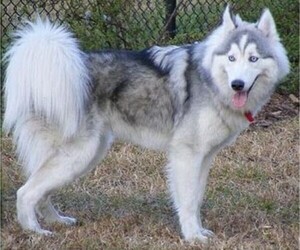
Huskimo
A.K.A. : Eskimo Husky, Siberian Eskimo, Husky Eskimo, Huskyimo, Esky Husky
Quick navigation
All about Huskimo dog breed
A.K.A. :Eskimo Husky, Siberian Eskimo, Husky Eskimo, Huskyimo, Esky Husky
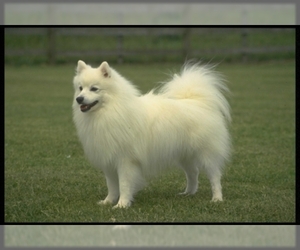
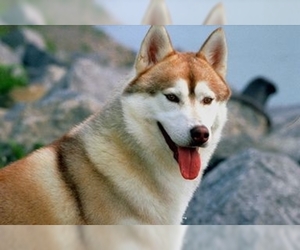
Huskimo is a mix of
Size
Grooming requirements
Exercise requirements
Good with other dogs
Watchdog ability
Energetic
Training requirements
Playful
Affectionate
Good with other pets
Good with children
Good with strangers
Winter
Summer
Healthiness
Protective
Life Span
| Breed Type | Mixed Breed |
| Browse by Name | Starting with 'H' |
| Breeds by Group | Non-Sporting Northern |
| Breeds by Trait | Fast Dog Breeds Good With Kids High Stamina Dog Breeds Smartest Dog Breeds |
| Overview: | The Huskimo is a captivating crossbreed, combining the alert intelligence of the American Eskimo Dog with the adventurous spirit of the Siberian Husky. Originating from designer breed efforts to blend desirable traits, Huskimos typically present a striking appearance with a thick, double coat that can vary in color from white and cream to black and grey, often inheriting the Husky’s piercing blue or bi-colored eyes. Physically, they are medium-sized dogs, generally weighing between 30-60 pounds, showcasing a sturdy build. Temperamentally, they are known for being intelligent, energetic, and often quite playful, making them good companions for active families. However, their high energy levels and need for mental stimulation mean they are generally not well-suited for apartment living unless sufficient exercise and engagement are provided. While generally healthy, potential health considerations include hip and elbow dysplasia, eye conditions like cataracts, and thyroid issues, inherited from their parent breeds. Early socialization and consistent training are crucial to developing a well-adjusted Huskimo. |
F.A.Q.
All you need to know about Huskimo breed
All You Need to Know About the "Huskimo" Breed
The Huskimo, a captivating cross between the American Eskimo Dog and the Siberian Husky, inherits a wonderful blend of traits. Originating from these two popular breeds, the Huskimo is known for its intelligent, playful, and often affectionate temperament, making them excellent family companions. Physically, they typically boast a beautiful double coat (requiring moderate to high grooming) that can come in various colors, often with striking blue or bi-colored eyes, and a medium build. While they love to be involved in family activities, their energetic nature means they require daily exercise and stimulation to prevent boredom. Due to their energy and potential for vocalization, apartment living can be challenging without dedicated outdoor time and training. Common health considerations include those found in their parent breeds, such as hip and elbow dysplasia and eye conditions. For active families seeking a loyal and engaging canine friend, the Huskimo offers a delightful combination of beauty and brains.What Is the Average Weight of Huskimo in Pounds?
The average weight for an adult Huskimo is typically between 30 and 60 pounds. This can vary, with male Huskimo generally weighing 40-60 pounds and female Huskimo usually falling into the 30-50 pound range. Maintaining a healthy weight for Huskimo is crucial for their well-being, reflecting their parent breeds' sturdy build.
What Is the Typical Height of Huskimo in Inches?
Wondering about the Huskimo height and how tall these beautiful hybrids typically grow? When considering a "Huskimo" (a charming cross between an American Eskimo Dog and a Siberian Husky), their adult height can vary, but we can give you a good average range to expect!
The average height of a Huskimo at the shoulder is generally between 17 to 23 inches. This makes them a medium-sized dog, perfect for active families looking for a companion that isn't too small or overly large.As with many breeds, there can be some variation:- Gender Differences: Typically, male Huskimos may be on the slightly taller end of the spectrum, while females might fall into the lower to mid-range.
- Parental Influence: The exact size of the parent dogs plays a significant role. A Huskimo with a larger Siberian Husky parent and a larger American Eskimo Dog parent is likely to be taller than one with smaller parents.
- Individual Genetics: Even within the same litter, individual genetics can lead to slight differences in growth.
What Coat Colors Are Typical for the Huskimo breed?
Huskimo Colors: A Comprehensive Guide to Coat TypesThe Huskimo, a captivating cross between the American Eskimo Dog and Siberian Husky, exhibits a stunning array of coat colors. Understanding these Huskimo colors is crucial for potential owners, as they can influence appearance, rarity, and even pricing.The most common and AKC recognized Huskimo colors (based on parent breed standards) are:* White: A pure, bright white is highly sought after, often inheriting the pristine coat of the American Eskimo Dog.* Black: Ranging from deep charcoal to jet black, this color often comes with striking white markings.* Gray: A wide spectrum of grays is seen, from light silver to a dark, wolf-like gray, frequently combined with white.* Sable: This beautiful variation features individual hairs that are tipped with black, creating a shaded appearance, usually over a red or tan base.* Red: Seen in various shades from light cream-red to a deep, rich mahogany.Rare Coat Types & Exotic Huskimo Variations:While not officially recognized for the Huskimo as a hybrid breed by major kennel clubs, these colors can appear due to the genetic diversity of the parent breeds. They are considered rare Huskimo colors and can command higher prices:* Cream: A softer, warmer off-white, distinct from pure white.* Fawn: A light, yellowish-tan color.* Agouti: A wild-type pattern where individual hairs have bands of different colors, creating a mottled, almost "dirty" look, often seen in Siberian Huskies.* Piebald/Pinto: A pattern of large, unpigmented (white) areas with patches of any other color.Exotic Huskimo variations that are much rarer and often indicative of specific genetic lines within the Husky lineage include:* Blue: A dilute black, appearing as a soft, slate gray or bluish-gray. This is a very rare Huskimo coat type.* Lilac/Isabella: A dilute of chocolate, appearing as a warm, grayish-tan. Extremely rare in Huskimos.* Merle: A stunning, patchy pattern of diluted pigment and full pigment. Merle Huskimo coats are highly sought after but require careful breeding, as the merle gene can be associated with health issues if inherited incorrectly.* Chocolate/Brown: A rich, warm brown color. While common in some breeds, it's less common in the parent breeds, making it a rarer Huskimo color.When searching for a Huskimo, be aware that pricing can vary significantly based on Huskimo colors, especially for rare coat types and exotic Huskimo variations like blue or merle. Always inquire about the parentage and any genetic health clearances, regardless of coat color.
What is the typical personality of Huskimo?
The Huskimo personality blends the intelligent, outgoing nature of the American Eskimo Dog with the friendly, independent spirit of the Siberian Husky. These are generally friendly and loyal companions, often forming strong bonds with their families. They tend to be sociable, enjoying interaction and being part of the action.Regarding adaptability to apartment living, Huskimos are typically not well-suited. Their parent breeds are active, and the Huskimo inherits a need for significant exercise and mental stimulation. Without it, they can become bored and destructive. A home with a yard and an active lifestyle for their owners is much more appropriate.With children, Huskimos can be wonderful family pets, often playful and tolerant, especially when raised with them and properly socialized. However, due to their energy levels, supervision with very young children is always recommended. For other pets, early socialization is key. While many Huskimos get along well with other dogs, their Husky lineage can sometimes bring a prey drive, so introductions to smaller pets like cats or rabbits should be done carefully and with caution. Consistent training and socialization are crucial to nurturing the best temperament of Huskimo.
What is the typical temperament of Huskimo?
The Huskimo temperament blends the best of its parent breeds, resulting in a generally friendly, energetic, and intelligent companion. They are often described as loyal and affectionate with their families, thriving on interaction and becoming very attached. This breed typically exhibits high sociability, enjoying the company of people and often other dogs. They are not ideal for apartment living due to their high energy levels and need for regular exercise and mental stimulation; a home with a yard is preferred.
Huskimos are typically good with children, especially if raised together and socialized early, showing a playful and patient demeanor. When it comes to other pets, early socialization is key, as their Husky heritage can sometimes bring a prey drive, though many coexist peacefully with cats and smaller animals with proper introduction. While intelligent, they can inherit a degree of stubbornness from both parents, making consistent, positive reinforcement training essential. They are generally not overly sensitive but do respond best to gentle handling and thrive in an environment where they feel part of the family. Expect a dog with a strong will and a charming personality, ready for adventure and devoted companionship.What Are the Care Requirements for the Huskimo breed?
Huskimo Care: Daily Maintenance & Health Tips for Your Huskimo
Caring for a Huskimo, a mix of American Eskimo Dog and Siberian Husky, requires attention to their unique needs. Here’s a concise guide on how to care for a Huskimo:Grooming Needs: Huskimos are moderate to high-shedders with dense double coats. Expect significant shedding, especially seasonally. Weekly brushing is essential to prevent matting and manage loose hair; daily brushing may be needed during shedding seasons. Regular nail trims (every 3-4 weeks) and occasional ear cleaning are also crucial. Bathe only as needed, using a dog-specific shampoo, to avoid stripping natural oils.Exercise Limitations: Despite their Husky lineage, Huskimos are generally not a low-energy dog breed. They require moderate to high exercise to stay healthy and happy. Aim for at least 60-90 minutes of vigorous activity daily, which can include brisk walks, jogging, hiking, or active play. Mental stimulation through puzzle toys and training sessions is equally important to prevent boredom and destructive behaviors. They are not suited for apartment living unless sufficient outdoor activity is consistently provided.Dietary Considerations: Feed a high-quality dog food formulated for medium to large breeds with moderate to high energy levels. Consult your veterinarian for specific portion sizes based on your Huskimo's age, weight, and activity level. Avoid overfeeding to prevent obesity, a common issue. Fresh water should always be available.Wrinkle and Ear Cleaning: While Huskimos typically don't have deep facial wrinkles, regular ear cleaning is important, especially for those with floppier or thicker-haired ears. Use a vet-approved ear cleaner to prevent infections. Check ears weekly for redness, odor, or discharge.Climate Sensitivity: Huskimos are generally well-adapted to cooler climates due to their double coat. However, they can overheat in warm or humid weather. Brachycephalic anatomy is NOT typically a concern for Huskimos, as neither parent breed is brachycephalic. Still, always provide shade and fresh water, and avoid strenuous exercise during the hottest parts of the day to prevent heatstroke.Common Health Concerns & Health Tips for Huskimo: Be vigilant for potential health issues. Common concerns include hip and elbow dysplasia, progressive retinal atrophy (PRA), cataracts, and thyroid issues, inherited from their parent breeds. Skin issues, such as allergies or hot spots, can occur, especially if their coat isn't properly maintained. Regular dental care (daily brushing, dental chews) is crucial to prevent periodontal disease. Weight management is paramount; obesity can exacerbate joint problems and lead to other health complications. Regular veterinary check-ups are essential for early detection and preventative care.How active are Huskimo, and what kind of exercise do they need?
Huskimo Activity Level: Balancing Energy and RestHow active are Huskimo? The Huskimo, a dynamic cross between the American Eskimo Dog and Siberian Husky, possesses a moderately high to high activity level. These intelligent and social dogs thrive on engagement and mental stimulation.Typical Energy Levels & Exercise Needs: Huskimo are not couch potatoes; they need regular, structured exercise to prevent boredom and destructive behaviors. Expect to provide at least 60-90 minutes of vigorous activity daily, ideally split into multiple sessions. This can include long walks, runs, hiking, and interactive playtime. Due to their Siberian Husky lineage, they often have a strong desire to pull, making activities like sledding or canicross appealing for some.Playtime Preferences: Huskimo enjoy a variety of activities. They love to play fetch, chase toys, and engage in games that challenge their minds, such as puzzle toys or scent work. Social interaction with their human family is paramount, and they relish being involved in family activities.Limitations & Brachycephalic Considerations: While the American Eskimo Dog is not brachycephalic, some Huskimo may inherit a slightly shorter snout than a typical Husky. It's crucial to be mindful of this potential if your Huskimo exhibits any signs of a shortened muzzle. For all Huskimo, regardless of snout length, overheating is a significant concern, especially during warm weather or intense exercise. They are prone to heatstroke due to their thick double coat. Always exercise your Huskimo during cooler parts of the day and provide ample water and shade. Avoid strenuous activity during peak heat. Huskimo balance short bursts of high-energy play with long periods of rest, and will enjoy lounging after a good workout.Suitability for Families: Due to their significant energy requirements, Huskimo are best suited for active families or individuals who can dedicate ample time to their exercise and training. They are not ideal for low-energy households or apartment living unless their owners are committed to daily outdoor adventures. A bored Huskimo can become destructive or vocal. Providing consistent training and socialization from a young age is also crucial for managing their energy and independent streak.
What are common health issues in Huskimo?
Huskimo health problems reflect the mix of their Siberian Husky and American Eskimo Dog parent breeds, combining the Husky’s athletic, working-dog frame with the Eskimo’s compact build and dense coat. While generally robust and energetic, adopters should be aware of common Huskimo medical issues that may affect long-term care.
Most Huskimos inherit longer muzzles, so they are less prone to Brachycephalic Obstructive Airway Syndrome (BOAS) than flat-faced breeds. However, some individuals with shorter facial structure may still show mild breathing difficulties. Applying general brachycephalic dog care practices—such as avoiding overexertion in hot weather, using a harness instead of a collar, and monitoring breathing during play—can help reduce airway strain.
Because of their medium-to-large, muscular build, Huskimos may be at risk for hip dysplasia and elbow dysplasia, which can cause stiffness, arthritis, or mobility issues over time. Their active lifestyle also means they may occasionally suffer from spinal problems or injuries if they jump excessively or are overweight.
The breed’s thick double coat and occasional skin folds can make them vulnerable to skin fold infections and allergies. These often present as itching, hot spots, or recurring ear infections, so regular grooming, ear cleaning, and skin checks are essential to prevent irritation and infection.
Most Huskimos inherit longer muzzles, so they are less prone to Brachycephalic Obstructive Airway Syndrome (BOAS) than flat-faced breeds. However, some individuals with shorter facial structure may still show mild breathing difficulties. Applying general brachycephalic dog care practices—such as avoiding overexertion in hot weather, using a harness instead of a collar, and monitoring breathing during play—can help reduce airway strain.
Because of their medium-to-large, muscular build, Huskimos may be at risk for hip dysplasia and elbow dysplasia, which can cause stiffness, arthritis, or mobility issues over time. Their active lifestyle also means they may occasionally suffer from spinal problems or injuries if they jump excessively or are overweight.
The breed’s thick double coat and occasional skin folds can make them vulnerable to skin fold infections and allergies. These often present as itching, hot spots, or recurring ear infections, so regular grooming, ear cleaning, and skin checks are essential to prevent irritation and infection.
Breed Breakdown: What Experts Say About the Huskimo
What is the typical size of Huskimo, and how does it compare to other breeds in terms of suitability for apartment living and travel?
I would rate the "Size" trait of the "Huskimo" a 7 out of 10.Huskimos are a medium to large-sized dog breed, inheriting a considerable build from both parent breeds. While the American Eskimo Dog can be on the smaller side of medium, the Siberian Husky is a robust, athletic, and distinctly medium-large dog. Consequently, a Huskimo typically falls into this range, often weighing anywhere from 30 to 60 pounds and standing 18 to 24 inches tall at the shoulder. They possess a muscular and substantial body structure, often with the Husky's power and an Eskimo's plush coat adding to their perceived bulk.Compared to many other companion dogs, especially smaller breeds like Chihuahuas or even Beagles, the Huskimo is notably larger. While not reaching the giant proportions of a Great Dane or a Mastiff, they are certainly not a petite or "small" dog by most standards.Due to their size and often high energy levels (inherited from both parents), Huskimos are not ideally suited for apartment living unless the apartment is very spacious and the owner is committed to providing extensive daily exercise outside. They can be good for travel if the vehicle is large enough to accommodate them comfortably and safely, but their size can make air travel more complicated and expensive. Households with space constraints would likely find a Huskimo challenging; they thrive in homes with a yard or ample room to move around indoors, and benefit greatly from a more active lifestyle and environment.
What are the grooming requirements for Huskimo, and how do their coat type and skin features affect overall maintenance?
I would rate the Grooming Requirements of the Huskimo at a 7 out of 10.This rating places them in the higher-maintenance category, primarily due to their dense double coat inherited from both parent breeds. Huskimos are prolific shedders, especially during seasonal changes, requiring frequent brushing, often daily, to manage loose fur, prevent mats, and distribute natural oils. While they don't typically have skin folds, their thick coats can be prone to matting if neglected, particularly behind the ears and on the legs. Regular bathing is necessary, perhaps every 4-6 weeks, to keep their coat clean, though over-bathing can strip essential oils. Their ears, like most dogs, will need routine cleaning to prevent wax buildup and infections, and nail trimming should be done every few weeks to prevent overgrowth. While not exceptionally prone to unique skin issues or allergies, the density of their coat means any skin problems could be harder to spot initially. Compared to many companion dogs, their shedding volume and the effort needed to maintain a healthy, mat-free coat means they require more frequent and dedicated grooming.
What are the exercise requirements for Huskimo, and how do their energy levels affect daily activity and health?
The Huskimo rates a 7 out of 10 for exercise requirements.This breed inherits a significant drive from both parent breeds, though the American Eskimo Dog's influence slightly tempers the Siberian Husky's extreme endurance. Huskimos possess high energy levels and a strong desire for activity. They thrive on structured daily routines that include more than just a casual walk. Expect a need for at least 60-90 minutes of moderate to vigorous exercise daily, which could be split into multiple sessions. This could involve brisk walks, jogging, extended playtime in a secure yard, or engaging in dog sports like agility. They tolerate sustained movement well and generally do not have the respiratory limitations seen in brachycephalic breeds, allowing for more intense physical exertion. Without adequate exercise and mental stimulation, Huskimos are prone to boredom, which can manifest as destructive behaviors, excessive barking, or anxiety. They require regular opportunities to burn off energy and engage their intelligent minds to remain healthy and well-adjusted.
How effective is Huskimo as a watchdog, and what kind of alert or protective behavior can owners expect?
I would rate the Huskimo's "Watchdog Ability" at a 7 out of 10.The Huskimo inherits a blend of traits that make it a surprisingly capable, though not overtly aggressive, watchdog. From the American Eskimo Dog, it gains significant alertness and a tendency to be vocal. Eskies are known for their keen senses and their readiness to bark at anything out of the ordinary, making them excellent early warning systems. This contributes strongly to the Huskimo's vigilance. On the Siberian Husky side, while Huskies aren't typically known for being protective guard dogs, they are highly intelligent, aware of their surroundings, and can have a strong sense of pack (family). They are also vocal, often expressing themselves with howls and "woo-woos," which, when combined with the Eskimo's bark, creates a formidable sound deterrent.Huskimos are generally not inherently territorial to the point of aggression towards strangers, but they are certainly not aloof. They will be very aware of unfamiliar sounds or people approaching their home. Their barking behavior will likely be consistent and attention-grabbing, serving as a clear alert to their owners. While they are unlikely to physically deter an intruder with aggression, their persistent barking and noticeable presence are usually enough to make someone think twice. They excel at providing meaningful early warnings, making them far more than just passive companions. They will definitely let you know when someone or something is amiss in their environment.
How well does the Huskimo get along with other dogs, and what role does socialization play in their behavior?
Rating: 6/10The Huskimo's "Good with Other Dogs" trait generally lands in the middle, leaning towards positive with proper management. Both parent breeds, the American Eskimo Dog and the Siberian Husky, can be quite social, but they also possess traits that require careful consideration. Huskies, while often friendly, have a strong prey drive that can sometimes manifest as dominance or intensity around smaller, more vulnerable dogs. American Eskimo Dogs can be a bit more reserved and may prefer the company of their human family, sometimes showing a tendency to be possessive of resources or hesitant with overly boisterous dogs.Therefore, a Huskimo's compatibility with other dogs is highly dependent on early and consistent socialization. They will likely thrive in canine company if exposed to a variety of dogs (different sizes, energy levels, and personalities) from a young age. Without this, they might display some aloofness, possessiveness, or a tendency to be bossy. While outright aggression is not a defining trait, their high energy and potential for dominance or strong prey drive mean that careful introductions are crucial, especially with smaller dogs or those with very low energy levels. They can certainly coexist peacefully in multi-dog households, but owners should be prepared to invest in ongoing training to reinforce polite interactions and manage any potential resource guarding or overly boisterous play. They generally don't instantly welcome every dog with open paws and will benefit from structured introductions and supervision, particularly initially.
What is the typical energy level of a Huskimo, and how does it affect their playtime, exercise needs, and suitability for indoor living?
I would rate the Energetic trait of a Huskimo as an 8 out of 10.Huskimos inherit a significant amount of their activity level from both parent breeds, particularly the Siberian Husky. They are naturally active and possess considerable endurance, a hallmark of their sled dog heritage. These dogs typically have a high need for physical stimulation and thrive on regular, vigorous exercise. Their playfulness is often boundless, and they excel at participating in outdoor and athletic activities such as hiking, running, and even dog sports like agility. They are far from laid-back and will likely develop destructive behaviors if their energy isn't adequately channeled.The brachycephalic anatomy is not a factor for the Huskimo as neither the American Eskimo Dog nor the Siberian Husky are brachycephalic breeds. Therefore, there are no inherent respiratory issues or exercise tolerance limitations due to a shortened snout. This allows them to maintain their high energy levels and enjoy prolonged physical activity without the breathing difficulties that brachycephalic breeds might experience.
How easy is it to train a Huskimo, and what kind of consistency and techniques work best for this breed?
I'd rate the "Training Requirements" of a Huskimo as a 7 out of 10.Huskies contribute a strong sense of independence and occasional stubbornness, while Eskies bring intelligence and a desire to please. This combination can make for a bright and capable dog, but one that is also prone to a "what's in it for me?" attitude. Their intelligence means they pick up commands quickly, but their attention span can waver, especially if something more interesting catches their eye. Consistency is absolutely paramount; a single lapse in rules can be seen as an invitation to challenge boundaries. They respond very well to positive reinforcement, especially high-value treats and praise, but can become bored or defiant if training becomes repetitive or overly harsh. They are generally not recommended for first-time dog owners due to their potential for stubbornness and high energy; experienced handling, a structured routine, and a commitment to ongoing training and socialization are usually needed to channel their intelligence and energy effectively.
How playful is the Huskimo, and what makes them such an energetic companion?
I would rate the Huskimo's "Playful" trait a 9 out of 10.Huskimos inherit a significant amount of playful energy from both of their parent breeds. American Eskimo Dogs are known for their lively and engaging personalities, often enjoying games and being the center of attention. Siberian Huskies are legendary for their boundless energy, love for running, and sometimes mischievous, but always fun-loving, nature. This combination results in a dog that is typically very spirited and enthusiastic about life.A Huskimo will likely be a highly interactive companion, readily engaging in games of fetch, tug-of-war, or chase. They often thrive on mental stimulation as much as physical activity, enjoying puzzle toys and training sessions that feel like a game. Their attention-seeking behavior is usually expressed through playful nudges, bringing toys, or initiating interaction. While not always "go-go-go" every second, their overall enthusiasm for daily activities, from walks to simply spending time with their family, is quite high. They are definitely more naturally spirited than laid-back compared to many other companion dogs, requiring regular opportunities to burn off energy and satisfy their playful inclinations to prevent boredom and potential destructive behaviors.
How affectionate is the Huskimo, and what kind of companionship and emotional bonding can owners expect?
The Huskimo's "Affectionate" trait rates a 7/10. This hybrid inherits a strong desire for human companionship from both parent breeds, and while not typically a "lap dog," they will seek out proximity and enjoy being part of family activities. They are generally loyal and can be sensitive to their owner's moods, often following family members around the house to stay involved. However, the Siberian Husky's independent streak can surface, meaning they may appreciate affection but won't always demand constant physical closeness or excessive cuddling like some other companion breeds. They thrive on attention and interaction, forming strong bonds, but their expression of affection is often more through shared activities and being present rather than overt physical displays. They are loving and enjoy their people, but they also appreciate having their own space and aren't typically "velcro dogs."
How well does the Huskimo get along with other pets, and what factors influence their compatibility in multi-pet households?
I would rate the "Good with Other Pets" trait of the Huskimo a 6 out of 10.While not inherently aggressive, the Huskimo is a blend of two breeds with varying and sometimes conflicting predispositions when it comes to other animals. The American Eskimo Dog generally possesses a more moderate prey drive and can be quite sociable, but the Siberian Husky brings a stronger and often more pronounced prey drive, particularly towards smaller, fleeing animals like cats or rabbits. This husky influence also means they can be quite boisterous and playful, which can be overwhelming for some smaller or more timid pets. Resource guarding, while not universal, can emerge if not properly managed, especially regarding food or favored toys, again, with a potential lean from the Husky side.To coexist peacefully in a multi-pet household, Huskimos absolutely require early and consistent socialization from puppyhood. They need to be taught appropriate boundaries and have their prey drive managed through training and supervision, especially around smaller, non-canine pets. Introducing them to other dogs at a young age and continuing positive interactions throughout their lives is crucial for developing good canine social skills. While a well-socialized Huskimo can certainly live harmoniously with other pets, it's not a trait that comes naturally for all individuals and often demands dedication from the owner to ensure a peaceful environment. Without this training and supervision, the inherent prey drive and strong personalities of the parent breeds can lead to incompatibility.
Is the Huskimo good with children, and what makes them a suitable companion for family life?
The Huskimo, a charming mix of the American Eskimo Dog and Siberian Husky, generally rates a 7/10 for "Good with Children." They tend to be a playful and energetic breed, inheriting the Eskie's affectionate nature and the Husky's robust, often boisterous enthusiasm. This combination usually makes them quite tolerant of the high energy and noise associated with children, and they often enjoy participating in games and outdoor activities. Their intelligence means they can be trained to be gentle, but their strong prey drive from the Husky side sometimes requires careful management, especially with very young children or smaller pets. While generally good-natured, they can be independent and may not always be as instinctively gentle or patient as some other breeds; therefore, training and proper socialization from a young age are crucial to ensure they thrive in a family setting. Supervision is always recommended, particularly with toddlers who may not understand boundaries, and children should be taught how to interact respectfully with the dog. With consistent training and early exposure to various sights and sounds, the Huskimo can be a loving and loyal companion for families with children, offering plenty of fun and adventure.
Is the Huskimo good with strangers, and how do they typically behave around new people?
The Huskimo rates a 7 out of 10 for "Good with Strangers." This hybrid inherits a fascinating blend of traits from its parent breeds. The American Eskimo Dog is known for its outgoing and friendly nature, often eager to greet new people, while the Siberian Husky, though generally friendly, can also be somewhat independent and, in some cases, a bit aloof or reserved with unfamiliar individuals. This combination typically results in a dog that is generally welcoming and curious towards strangers, rather than overtly aggressive or fearful. They are not usually guard dogs and are unlikely to bark excessively at new people, though their Husky lineage might mean they're not immediately showering everyone with affection. They adapt reasonably well in public and guest-filled environments, often enjoying the attention, but might not be as universally effusive as, say, a Golden Retriever. While naturally amiable, early socialization is still crucial to ensure their positive tendencies are reinforced and to prevent any potential shyness from their Husky side from developing. They generally enjoy meeting new people and respond well to friendly overtures, often seeking attention once they've assessed the situation.
How well does the Huskimo tolerate cold weather, and what precautions are needed during winter months?
I would rate the Huskimo's winter tolerance at an 8 out of 10. This high rating is primarily due to the influence of both parent breeds. The Siberian Husky is renowned for its thick double coat, which provides exceptional insulation against frigid temperatures, and the American Eskimo Dog also boasts a dense, fluffy double coat. This combined genetic heritage generally results in a Huskimo with a substantial and protective double layer of fur, making them well-suited for cold weather. They typically have a lean yet muscular build, and while they aren't heavily fat-insulated like some arctic breeds, their active nature helps generate body heat. Their moderate to large size further contributes to their ability to retain warmth. Neither parent breed is brachycephalic, meaning the Huskimo will likely have a normal snout, reducing any breathing difficulties that might be exacerbated by cold air. While an 8 indicates excellent resilience, it's not a 10 because individual coat density can vary, and extreme, prolonged exposure to sub-zero temperatures without proper shelter can still pose a risk of hypothermia for any dog, even very tolerant ones. Compared to many other companion dogs, the Huskimo generally requires less special care during winter months and often thrives in colder temperatures, enjoying outdoor activities without significant concern. However, common sense precautions such as providing warm shelter, fresh water, and not leaving them unsupervised for excessive periods in extreme conditions still apply, just as they would for any pet.
How well does the Huskimo tolerate hot weather, and what precautions should owners take during summer months?
I would rate the Huskimo's summer tolerance at a 3 out of 10.While the American Eskimo Dog parent breed offers slightly better heat tolerance than the Siberian Husky, both are double-coated breeds primarily adapted to colder climates. The Siberian Husky, in particular, is notorious for its poor heat tolerance due to its dense undercoat and high energy levels. The Huskimo inherits this double coat, which acts as excellent insulation in winter but traps heat in summer. They are not brachycephalic, which is a positive, but their heavy coat significantly hinders their ability to regulate body temperature effectively through panting alone. This puts them at a high risk of heatstroke, even during moderate summer temperatures. They will require significant special care in summer months compared to many other companion dogs, including limited outdoor activity to early morning or late evening, access to air conditioning, cooling mats, and constant access to fresh water, along with vigilant monitoring for any signs of overheating. They absolutely cannot be left unsupervised outdoors for extended periods in warm weather.
What are the common health concerns for the Huskimo, and how much care and medical attention does this breed typically require?
I would rate the Huskimo's "Healthiness" trait as a 7 out of 10.The Huskimo generally benefits from the hybrid vigor often seen in crossbreeds, which can mitigate some of the specific genetic predispositions found in its parent breeds. Both the American Eskimo Dog and the Siberian Husky are relatively robust breeds on their own, known for their resilience and often decent lifespans. However, the Huskimo can still inherit a mix of health concerns from both sides.From the American Eskimo Dog, potential issues like luxating patellas, hip dysplasia, and progressive retinal atrophy could be present, though less common in Eskies than some other breeds. From the Siberian Husky, concerns such as hip and elbow dysplasia, eye conditions like cataracts and glaucoma, and hypothyroidism are possibilities. While the crossbreeding can reduce the *incidence* of these individual issues compared to a purebred lineage with a narrower gene pool, it doesn't eliminate the *possibility*. Breathing difficulties are generally not a concern for Huskimos, as both parent breeds have open airways. Skin conditions are also not particularly prevalent.With responsible breeding that includes health clearances for the parent dogs, and consistent preventive care including a balanced diet, regular exercise, and routine veterinary check-ups, a Huskimo can enjoy a healthy life with a typical lifespan of 12-15 years. They are generally considered robust compared to many other companion dogs, though they are not entirely maintenance-free. Their double coat requires regular grooming, which, while not a direct health issue, is an aspect of care. Overall, they are a fairly healthy breed, but not without their potential inherited quirks.
How protective is the Huskimo, and what kind of watchdog or guard dog behavior can owners expect?
I would rate the "Protective" trait of the Huskimo a 7 out of 10.The Huskimo, being a blend of the American Eskimo Dog and the Siberian Husky, inherits a mix of protective instincts. The American Eskimo Dog contributes a strong sense of alertness, a natural suspicion of strangers, and a keen ear for unusual sounds, making them excellent watchdogs that will readily bark to signal a perceived threat. They are fiercely loyal to their families and can be quite territorial. On the other hand, the Siberian Husky, while loyal and loving to their own family, is generally more friendly and less territorial with strangers, often lacking the strong guard dog instincts of many other breeds. They are also known for being more independent and less focused on "people pleasing."The Huskimo often lands somewhere in the middle. You can expect a highly alert and vocal dog, similar to the Eskimo Dog, that will certainly let you know if someone is approaching your home or if something is amiss. Their loyalty to their owners is typically very strong, and they may exhibit a protective stance when they perceive their family is in danger. However, due to the Husky influence, their reaction to strangers can vary. While some may maintain a cautious distance and bark, others might eventually warm up with proper introduction, rather than maintaining an aggressive or truly guarding posture. They are generally not suited to be true guard dogs in the sense of physically detaining an intruder, as the strong prey drive and independent nature of the Husky might override true protection in a high-stress scenario. However, their size and persistent barking can certainly act as a deterrent. Overall, the Huskimo is more of a dedicated companion dog with excellent watchdog capabilities and a decent level of protective instinct for their family, but not a full-fledged guard dog.
What is the average lifespan of a Huskimo, and what health factors influence their longevity?
I would rate the "Life Span" trait of the Huskimo at a 7.This rating reflects an average to slightly above-average lifespan compared to other companion dog breeds. Both parent breeds, the American Eskimo Dog and the Siberian Husky, generally enjoy good health and a decent life expectancy. American Eskimo Dogs typically live for 12-15 years, while Siberian Huskies often live 12-14 years. The Huskimo, being a hybrid, often benefits from hybrid vigor, which can sometimes lead to fewer genetic health issues than either purebred parent, potentially contributing to a robust lifespan.While there aren't specific long-term health studies exclusively on the Huskimo, they are generally hardy dogs. Responsible breeding practices, including health screening of parent dogs for conditions like hip and elbow dysplasia, eye conditions (common in both parent breeds), and other genetic predispositions, significantly impact their longevity. With proper nutrition, regular exercise, routine veterinary care, and a loving environment, a Huskimo can be expected to live a full and healthy life well into its early to mid-teens, making it a moderately long-lived breed. They are not considered exceptionally long-lived, nor are they particularly short-lived; they fall comfortably in the average to good range for canine companionship.
Huskimo Dogs for adoptionSee all dogs for adoption
Huskimo BreedersSee all breeders
Similar Dog Breeds for Huskimo
Quick Breed Selector 0 - not important, 1 - smallest, 10 - largest
Variants & Mistakes :Huskymo, Husksimo, Huskimoo, Huskimoes, Huskymoes, Huskmos, Huscimo, Huscymo, Huskeemo, Huskimos, Huskymos, Huscmos, Huskeemos, Huksmo, Huksimo, Hoskimo, Huskmo, Huskima, Huskymoe, Huskmoe, Huskimoe, Huschimo, Huschymo, Huscimoe, Huscymoe