Pure Breeds
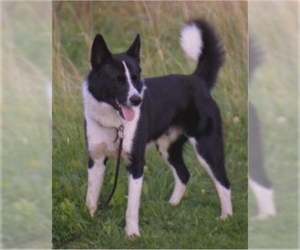
Karelian Bear Dog
A.K.A. : Karjalankarhukoira, KBD, Karelian, Karjalainen, Karhu, Karjalainen Karhukoira
Quick navigation
All about Karelian Bear Dog dog breed
A.K.A. :Karjalankarhukoira, KBD, Karelian, Karjalainen, Karhu, Karjalainen Karhukoira
Size
Grooming requirements
Exercise requirements
Good with other dogs
Watchdog ability
Energetic
Training requirements
Playful
Affectionate
Good with other pets
Good with children
Good with strangers
Winter
Summer
Healthiness
Protective
Life Span
| Breed Type | Pure Breed |
| Browse by Name | Starting with 'K' |
| Breeds by Group | Northern Working |
| Breeds by Trait | High Stamina Dog Breeds Smartest Dog Breeds |
| Overview: | The Karelian Bear Dog is a bold and ancient breed, originating from the northern regions of Karelia, a historical province now divided between Finland and Russia. Primarily developed for hunting large game like bears and moose, their striking appearance includes a dense, straight black coat often with distinctive white markings, a muscular build, and a medium size, typically weighing between 45-65 pounds. Known for their courageous and independent temperament, Karelians are intelligent but can be strong-willed, requiring consistent training and early socialization to thrive. They are generally not recommended for apartment living due to their high energy levels and need for ample exercise and mental stimulation. While loyal to their families, their natural hunting instincts mean they may not be ideal for homes with small children or other pets without careful introduction and supervision. Good health is characteristic of the breed, though like many active dogs, they can occasionally be prone to hip or elbow dysplasia. |
F.A.Q.
All you need to know about Karelian Bear Dog breed
All You Need to Know About the Karelian Bear Dog Breed
The Karelian Bear Dog (KBD) is a powerful, fearless breed originating from Karelia, a region split between Finland and Russia, historically bred for hunting large game like bears and moose. Known for their striking black and white coats and erect ears, KBDs are medium-sized, muscular dogs. While intelligent and loyal, their strong prey drive and independent nature make them best suited for experienced owners. They thrive in active homes with secure, spacious yards, and are generally not recommended for apartment living or first-time dog owners. Early socialization and consistent training are crucial. Grooming is minimal, requiring occasional brushing, but their high energy demands daily vigorous exercise. Generally healthy, some common concerns include hip and elbow dysplasia. With proper guidance, a KBD can be a devoted, protective family member, though their instinctual guarding can make them wary of strangers.What Is the Average Weight of Karelian Bear Dog in Pounds?
The average weight for a Karelian Bear Dog is typically between 44-79 pounds. This healthy weight for Karelian Bear Dog varies by sex:
- Males: Generally weigh 55-79 pounds (25-36 kg).
- Females: Usually weigh 44-62 pounds (20-28 kg).
What Is the Typical Height of Karelian Bear Dog in Inches?
Wondering about the Karelian Bear Dog height and how tall these impressive dogs typically grow? Here’s a clear breakdown of their average size:
The average height of a Karelian Bear Dog, measured at the shoulder, is generally between 20 to 23.5 inches.- Males: Typically stand a bit taller, ranging from 22 to 23.5 inches (approx. 56-60 cm).
- Females: Are usually slightly smaller, with an average height of 20 to 22 inches (approx. 51-56 cm).
What Coat Colors Are Typical for the Karelian Bear Dog breed?
The Karelian Bear Dog colors are predominantly black and white. This is the AKC recognized Karelian Bear Dog colors standard, featuring a jet black coat with clear, often sharply defined, white markings on the head, neck, chest, belly, and legs. While the classic black and white is the hallmark of the breed, rare coat types or exotic Karelian Bear Dog variations are not officially recognized or encouraged. Reputable breeders focus on preserving the traditional black and white for health and temperament. Any claims of "blue," "lilac," "merle," "chocolate," "brindle," "fawn," or "cream" Karelian Bear Dogs are misrepresentations and not accepted by major kennel clubs like the AKC. Potential adopters should be aware that such variations are not true to the breed standard and may indicate mixed breeding or unethical breeding practices, which can impact health and temperament, often leading to higher prices for non-standard or unhealthy animals.
What is the typical personality of Karelian Bear Dog?
The Karelian Bear Dog is a bold, independent, and tenacious breed with a loyal and protective nature towards its family. Their strong prey drive and historical role as hunting dogs mean they are not typically "friendly" in a conventional, overtly social sense with strangers, often being reserved or aloof. However, they form incredibly deep bonds with their human family, demonstrating fierce loyalty and a watchful, courageous disposition.Sociability: They are generally not recommended for apartment living due to their need for extensive exercise and mental stimulation; a secure, large yard is essential.Behavior with Children and Other Pets: While generally good with children within their own family, especially when raised together, their dominant nature and high prey drive can make them challenging with other dogs and small, non-canine pets. Careful, early socialization and consistent training are paramount. Their independent spirit means they require an experienced owner capable of firm, consistent, and positive reinforcement training. The Karelian Bear Dog personality is best suited for active individuals or families who understand and can accommodate their unique needs and temperament of Karelian Bear Dog.
What is the typical temperament of Karelian Bear Dog?
Karelian Bear Dog Temperament & Personality TraitsThe Karelian Bear Dog is known for its bold, independent, and courageous nature. They are primarily a working breed and their temperament reflects this heritage. While they are extremely loyal and devoted to their family, they are not typically an overtly affectionate or "cuddly" dog. Their independence means they can be stubborn and require consistent, firm training from a young age.Regarding friendliness and sociability, Karelian Bear Dogs are generally reserved with strangers. They are naturally protective and make excellent watchdogs, often alerting their owners to anything unusual. Early and extensive socialization is crucial to help them develop appropriate responses to new people and situations, preventing excessive suspicion.When it comes to behavior with children and other pets, caution is advised. Due to their strong prey drive, they are generally not recommended for homes with cats or other small, furry pets unless raised with them from puppyhood and carefully managed. With children, their size and independent nature mean supervision is essential, especially with very young children who may not understand how to interact appropriately with a large dog. They are not naturally playful in the same way as some retriever breeds and may prefer to observe rather than engage in boisterous play.Adaptability to apartment living is not ideal for the Karelian Bear Dog. They require a lot of physical and mental stimulation and thrive in environments with ample space to roam and a job to do. A large, securely fenced yard is essential. They are highly energetic and can become destructive or vocal if bored or under-exercised.Karelian Bear Dogs are not overly sensitive but do respond best to positive reinforcement and clear, consistent boundaries. Their independent streak means they are not eager to please in the way some breeds are, making patience and understanding key to successful training. Potential adopters should understand that while incredibly loyal, this breed requires experienced ownership and a lifestyle that accommodates their strong working dog instincts.
What Are the Care Requirements for the Karelian Bear Dog breed?
Karelian Bear Dog Care: Your Daily Maintenance GuideKarelian Bear Dog care is generally straightforward, but consistent attention ensures a happy, healthy companion. These powerful dogs have a double coat that requires regular grooming to minimize shedding and prevent matting. Brush them at least once or twice a week, more frequently during shedding season (typically twice a year). While not a low-energy dog breed, Karelian Bear Dogs are not hyperactive. They need moderate exercise, including daily walks or the opportunity to run in a securely fenced area. Mental stimulation through training and puzzle toys is also crucial for their well-being.Dietary considerations for a Karelian Bear Dog involve a high-quality, protein-rich kibble appropriate for large, active breeds. Monitor their weight closely to prevent obesity, a common issue in many dogs. Unlike some breeds, Karelian Bear Dogs do not possess brachycephalic anatomy, so they do not have the associated climate sensitivity or specific wrinkle and ear cleaning requirements. However, routine ear checks for cleanliness and any signs of infection are still recommended.Health tips for Karelian Bear Dog owners include being aware of common health concerns. Skin issues can arise, often related to allergies or poor grooming, so observe for redness, itching, or hot spots. Regular dental care, including brushing their teeth a few times a week, is vital to prevent periodontal disease. Finally, consistent weight management through proper diet and exercise is key to preventing joint problems and other health complications. Understanding how to care for a Karelian Bear Dog involves a commitment to these essential daily maintenance practices.
How active are Karelian Bear Dog, and what kind of exercise do they need?
The Karelian Bear Dog activity level is moderately high, requiring consistent exercise to stay happy and healthy. These powerful dogs are built for endurance and have bursts of energy balanced with a strong desire for long periods of rest.Typical Energy Levels: Karelians possess a sturdy energy level that demands a good outlet. They aren't hyperactive but have a deep well of stamina when engaged.Daily Exercise Needs: Expect to provide at least 60-90 minutes of vigorous Karelian Bear Dog exercise needs daily. This isn't just a leisurely walk; it needs to be mentally and physically stimulating. Long hikes, vigorous play sessions in a securely fenced yard, or even dog sports like tracking or obedience are ideal. They thrive on having a "job" to do.Playtime Preferences: They enjoy interactive play, especially activities that mimic hunting or problem-solving. Fetch, tug-of-war, and exploring new environments are excellent choices. They are not typically content to entertain themselves indoors.Limitations due to Brachycephalic Anatomy: It's important to note that the Karelian Bear Dog, while having a broader skull, is not a brachycephalic breed in the way a Pug or Bulldog is. Their slightly shorter muzzle (relative to some long-nosed breeds) means they can be more susceptible to overheating during intense exercise in hot or humid weather. Always monitor them closely in such conditions and provide plenty of water and shade. Avoid strenuous activity during the hottest parts of the day.Suitability for Families: So, how active are Karelian Bear Dog? They are suitable for active families who enjoy outdoor activities and are committed to providing consistent daily exercise and mental stimulation. They are not a good fit for low-energy households or apartment living without significant dedication to outdoor adventures. Without proper outlets, their energy can manifest as destructive behaviors.
What are common health issues in Karelian Bear Dog?
Karelian Bear Dog health problems are generally moderate, as this hardy Finnish hunting breed is considered robust, but adopters should still be aware of common Karelian Bear Dog medical issues such as hip dysplasia, spinal strain, skin fold infections, allergies, and heat sensitivity. While not typically brachycephalic, brachycephalic dog care concerns like Brachycephalic Obstructive Airway Syndrome (BOAS) may occasionally be relevant in individuals with shorter muzzles, leading to mild breathing difficulties in hot or humid climates. Their anatomy—a medium-sized, muscular frame with a deep chest, curled tail, and dense double coat—can predispose them to orthopedic problems if overweight, gastric torsion (bloat) due to chest shape, and overheating in warm environments because of their thick fur. Facial folds and ears may also trap moisture, increasing the risk of infections if grooming is neglected.
To understand how to keep Karelian Bear Dog healthy, owners should maintain a lean body weight to reduce strain on hips and spine, provide regular but moderate exercise suited to their hunting stamina, and avoid strenuous activity in hot weather. Grooming routines should include brushing to prevent matting and skin irritation, cleaning and drying ears and skin folds to reduce infection risk, and dental care to prevent periodontal disease. Allergy management may require dietary adjustments or veterinary guidance, while routine veterinary checkups are essential for monitoring orthopedic health, spinal stability, and eye conditions such as cataracts or progressive retinal atrophy (PRA).
To understand how to keep Karelian Bear Dog healthy, owners should maintain a lean body weight to reduce strain on hips and spine, provide regular but moderate exercise suited to their hunting stamina, and avoid strenuous activity in hot weather. Grooming routines should include brushing to prevent matting and skin irritation, cleaning and drying ears and skin folds to reduce infection risk, and dental care to prevent periodontal disease. Allergy management may require dietary adjustments or veterinary guidance, while routine veterinary checkups are essential for monitoring orthopedic health, spinal stability, and eye conditions such as cataracts or progressive retinal atrophy (PRA).
Breed Breakdown: What Experts Say About the Karelian Bear Dog
What is the typical size of Karelian Bear Dog, and how does it compare to other breeds in terms of suitability for apartment living and travel?
I would rate the Karelian Bear Dog's "Size" trait as a 7 out of 10.This rating reflects that the Karelian Bear Dog is a medium to large-sized breed. Males typically stand around 22-24 inches at the shoulder and weigh between 50-60 pounds, while females are slightly smaller. They possess a robust and muscular body structure, built for endurance and power. When compared to other companion dogs, they are significantly larger than breeds like Chihuahuas or French Bulldogs, and generally larger than most Spaniels or Terriers. While not giant breeds like Great Danes or Mastiffs, they are certainly substantial. Due to their size, energy levels, and need for space, Karelian Bear Dogs are not well-suited for apartment living or households with significant space constraints. They require ample room to move, both indoors and outdoors, and would benefit from a home with a yard. Travel can be manageable for short distances, but their size makes them less convenient for frequent or long-haul travel compared to smaller breeds.
What are the grooming requirements for Karelian Bear Dog, and how do their coat type and skin features affect overall maintenance?
I would rate the Karelian Bear Dog's "Grooming Requirements" at a 4.While they have a dense double coat, it's surprisingly low-maintenance in terms of needing professional grooming or elaborate styling. Their harsh outer coat is generally dirt-repellent, and they aren't prone to matting like some long-haired breeds. Shedding is moderate but seasonal, requiring more frequent brushing during those times. They don't have skin folds, nor are they particularly susceptible to skin issues or allergies that demand specialized care. Basic ear cleaning, nail trimming, and occasional bathing are all standard requirements for any dog breed, and the Karelian Bear Dog doesn't present any unusual challenges in these areas. Compared to many other companion dogs with elaborate coats or sensitive skin, they are relatively easy to care for, needing consistent but not overly time-consuming or specialized grooming.
What are the exercise requirements for Karelian Bear Dog, and how do their energy levels affect daily activity and health?
I would rate the Karelian Bear Dog's exercise requirements at an 8 out of 10.This breed possesses extremely high energy levels and was originally bred for hunting large game, demanding significant stamina and physical prowess. They are not suited for minimal activity and will quickly become bored, destructive, and potentially aggressive without a rigorous exercise routine. Daily, they require several hours of structured, high-intensity exercise that goes beyond a simple walk around the block. This includes long, brisk runs, demanding hikes, extended play sessions involving fetch or similar activities, and participation in canine sports like agility, tracking, or even weight pulling. Their tolerance for sustained movement is excellent, and they thrive on challenging activities that allow them to utilize their natural instincts and athletic capabilities. Unlike brachycephalic breeds, they do not have respiratory limitations that hinder their physical output. To stay healthy and mentally stimulated, Karelian Bear Dogs absolutely require consistent, challenging exercise that taps into their working dog heritage, otherwise, they are prone to developing behavioral issues stemming from pent-up energy and a lack of purpose.
How effective is Karelian Bear Dog as a watchdog, and what kind of alert or protective behavior can owners expect?
I would rate the Karelian Bear Dog's "Watchdog Ability" at a 7 out of 10.Karelian Bear Dogs are naturally alert and possess strong territorial instincts, making them excellent at detecting anything out of the ordinary. They are known for their deep, authoritative bark, which they readily employ to announce the presence of strangers or unusual sounds. This makes them highly effective at providing meaningful early warnings in a home environment. While they are not inherently aggressive towards humans, their imposing presence, watchful demeanor, and persistent barking are usually enough to deter most potential intruders. They are more than just a passive companion; they are actively aware of their surroundings and will make their presence known if they perceive a threat to their territory or family. Their historical role as a bear hunter has instilled in them a fearless and assertive nature that translates well into a protective watchdog role, but they are not typically prone to unprovoked aggression, making them more of a vigilant alarm system than an attack dog.
How well does the Karelian Bear Dog get along with other dogs, and what role does socialization play in their behavior?
Rating: 3Explanation: The Karelian Bear Dog is an independent and territorial breed primarily developed for hunting large game. This strong prey drive and protective instinct often translate into a reserved, and sometimes even aggressive, demeanor towards other dogs, especially those they perceive as intruders or rivals. While early and consistent socialization can mitigate some of these tendencies, they are generally not naturally inclined to be highly sociable with unfamiliar canines. They can be dominant and possessive, particularly with resources like food or toys. In multi-dog households, they may tolerate familiar companions, but careful management, supervision, and ongoing training are crucial to ensure peaceful coexistence, and even then, issues can arise. They are not a breed that typically "thrives" in general canine company, and their compatibility often depends heavily on the individual dog's temperament and the owner's commitment to extensive training and controlled introductions.
What is the typical energy level of a Karelian Bear Dog, and how does it affect their playtime, exercise needs, and suitability for indoor living?
I would rate the Karelian Bear Dog's "Energetic" trait as a 9 out of 10.The Karelian Bear Dog is a naturally active and incredibly robust breed. They possess remarkable endurance, a high prey drive, and a strong work ethic, all stemming from their historical role as big-game hunters. They thrive on physical activity and mental stimulation, requiring daily vigorous exercise to prevent boredom and destructive behaviors. Their playfulness is high, especially when engaged in activities that mimic hunting or tracking. They are definitely not a laid-back companion dog and will not be content with short walks around the block. Their well-proportioned, athletic build allows them to participate in a wide range of outdoor and athletic activities, from long hikes and runs to dog sports like agility or obedience.It's important to note that the Karelian Bear Dog is not a brachycephalic breed. This is a common misconception, perhaps due to their powerful head and strong bite. However, they have a normal-length muzzle, which means they do not suffer from the respiratory issues or reduced stamina often associated with brachycephalic dogs. Their excellent respiratory function contributes to their impressive endurance and ability to sustain prolonged physical exertion, even in varying weather conditions.
How easy is it to train a Karelian Bear Dog, and what kind of consistency and techniques work best for this breed?
I would rate the Karelian Bear Dog's "Training Requirements" a 9 out of 10.Karelian Bear Dogs are highly intelligent and capable, but their strong will, independent nature, and deeply ingrained prey drive make them exceptionally challenging to train, even for experienced owners. They are not naturally eager to please and will question commands, often choosing to follow their instincts over human direction. Their attention span can be fleeting if they're not engaged, and they bore easily with repetitive drills. Responsiveness to commands requires immense consistency, firm but fair leadership, and continuous reinforcement. Positive reinforcement is effective, but it needs to be carefully timed and highly motivating to compete with their natural urges. This breed is absolutely not beginner-friendly and requires highly experienced handling, a deep understanding of canine behavior, and extremely structured routines from day one to develop a well-behaved and manageable companion. Owners must be prepared for a lifelong commitment to training and socialization.
How playful is the Karelian Bear Dog, and what makes them such an energetic companion?
I would rate the Karelian Bear Dog's "Playful" trait as a 6 out of 10.While not as overtly effusive and constantly demanding of attention as some more typically "companion" breeds, the Karelian Bear Dog is far from inactive. Their high intelligence and hunting drive translate into a keen interest in engaging activities. They enjoy games, especially those that involve scent work, "hunting" for toys, or problem-solving. They respond well to toys and will enthusiastically participate in playtime, particularly with their trusted owner. However, their playfulness is often a means to an end – a way to expend energy, fulfill their natural instincts, or strengthen their bond, rather than simply for the sake of being "silly." They can be spirited and enjoy a good romp, but they also have an independent streak and are capable of entertaining themselves or observing their surroundings calmly. Compared to many companion dogs, they are more self-sufficient and their playfulness isn't always overt, but when stimulated appropriately, they show genuine enthusiasm and can be very fun-loving in their own unique, and often quite intense, way. They are more naturally spirited than laid-back, but their play isn't always demonstrative or attention-seeking; it's often purposeful and engaging.
How affectionate is the Karelian Bear Dog, and what kind of companionship and emotional bonding can owners expect?
I would rate the Karelian Bear Dog's "Affectionate" trait a 4 out of 10.While intensely loyal and protective of their family, the Karelian Bear Dog is an independent and tenacious hunting breed, not typically known for overt displays of affection or a strong desire for constant physical closeness. They form deep bonds with their owners and are sensitive to their emotions, but their affection is more expressed through their unwavering dedication to their "pack" and their protective instincts rather than through constant cuddling or lap-sitting. They are likely to follow family members around as part of their guarding nature, but not necessarily out of a need for constant companionship. Compared to many companion dog breeds, the Karelian Bear Dog is much more independent and while they appreciate their family, they don't thrive on the same level of overt affection as, say, a Golden Retriever or a Cavalier King Charles Spaniel. They are more likely to prefer a job to do rather than endless snuggles.
How well does the Karelian Bear Dog get along with other pets, and what factors influence their compatibility in multi-pet households?
I would rate the Karelian Bear Dog's "Good with Other Pets" trait a 4 out of 10.While not inherently aggressive towards other animals, the Karelian Bear Dog's extremely high prey drive is a significant factor. They were bred to hunt large, dangerous game, and this instinct translates to a strong chase and kill drive towards smaller, fast-moving creatures like cats, rabbits, and even some smaller dog breeds. Coexistence with cats is particularly challenging and often requires extensive, early socialization from puppyhood and constant supervision. Even with dedicated training, their natural inclination to hunt can be difficult to override. They can also exhibit resource guarding, especially around food or toys, and their independent nature means they may not always be eager to share. While they can generally get along with other dogs of a similar size and temperament, especially if raised together, their powerful nature means they need careful introductions and continued management to prevent conflicts. They are not naturally sociable in the way many retriever or companion breeds are; instead, they require significant training, consistent boundaries, and constant supervision to coexist peacefully in a multi-pet household, particularly with non-canine pets. Their strong will and focus on their own perceived "job" (which often involves chasing) make them less adaptable to a relaxed, free-ranging multi-pet environment.
Is the Karelian Bear Dog good with children, and what makes them a suitable companion for family life?
The Karelian Bear Dog rates a 3 out of 10 for "Good with Children."This breed is not naturally suited for families with young children due to its strong prey drive, independent nature, and powerful physique. While intelligent, they are not typically gentle or overtly affectionate. Their high energy levels can make them boisterous, and their guarding instincts can be misinterpreted, potentially leading to a lack of tolerance for the unpredictable movements and noises of children. They require significant training, socialization from a very young age, and constant supervision to coexist safely with children, especially younger ones. Even with extensive effort, their inherent traits often make them a challenging fit for a typical family environment with kids.
Is the Karelian Bear Dog good with strangers, and how do they typically behave around new people?
I'd rate the "Good with Strangers" trait of the Karelian Bear Dog a 3.Karelian Bear Dogs are naturally wary and reserved with unfamiliar people. Their strong protective instincts and independent nature mean they are typically not outwardly friendly or welcoming to strangers. While they are usually not aggressive without provocation, their initial reaction is often one of suspicion, manifested through watchful silence, a lack of engagement, or even a low growl if they feel a threat. They are excellent guardians, and this translates to a natural disinclination to be highly sociable with those outside their immediate "pack." Extensive and consistent socialization from a young age is crucial to ensure they are polite and tolerant in public or guest-filled environments, but even with this, they rarely become truly outgoing or openly affectionate with people they don't know well. They are more likely to ignore strangers or keep a watchful distance rather than seek interaction, and barking or guarding is a strong possibility if they perceive a threat or if someone enters their perceived territory uninvited.
How well does the Karelian Bear Dog tolerate cold weather, and what precautions are needed during winter months?
I would rate the Karelian Bear Dog's winter tolerance at a 9.This breed possesses an excellent cold-weather resilience, thanks to its very thick, dense double coat, which provides exceptional insulation. Their moderate to large size and typically athletic build contribute to their ability to generate and retain body heat. Unlike brachycephalic breeds, their normal muzzle length doesn't impede their ability to warm inhaled air, reducing the risk of respiratory issues in cold temperatures. They have a natural predisposition for outdoor activity and are bred for working in harsh Nordic climates, making them highly resistant to hypothermia under most winter conditions. While no dog should be left indefinitely in sub-zero temperatures without shelter, Karelian Bear Dogs are generally unfazed by prolonged exposure to cold and snow and actively enjoy outdoor activities in winter. Compared to many other companion dogs, they require significantly less special care during winter months, often thriving in conditions that would cause discomfort or health risks to breeds with thinner coats or less robust constitutions. However, like all dogs, they still need access to shelter, fresh water, and appropriate nutrition, especially if engaging in strenuous activity in extreme cold.
How well does the Karelian Bear Dog tolerate hot weather, and what precautions should owners take during summer months?
Summer Tolerance Rating: 3/10The Karelian Bear Dog, with its dense double coat and origins in the colder climates of Finland and Karelia, possesses a very low tolerance for summer heat. While not brachycephalic, their robust build and thick insulation designed for warmth make them highly susceptible to overheating. They struggle to efficiently regulate body temperature in hot weather, placing them at a significant risk of heatstroke, even during moderate activity. Outdoor activity levels should be severely curtailed during warm months, limited to early mornings or late evenings when temperatures are cooler, and even then, only for short durations. They absolutely require special care in summer months compared to many other companion dogs, including access to air conditioning or other forms of climate control during hot periods. Prolonged exposure to heat, even just being left outside on a warm day, can be dangerous and potentially fatal for this breed.
What are the common health concerns for the Karelian Bear Dog, and how much care and medical attention does this breed typically require?
I would rate the Karelian Bear Dog's "Healthiness" trait as a 7.This breed is generally considered robust and healthy, not typically high-maintenance in terms of health issues compared to many other companion dogs. They boast a relatively long life expectancy of 10-12 years, and often beyond, which is a good indicator of their overall hardiness. They are not prone to the severe breathing difficulties seen in brachycephalic breeds or the widespread joint problems that plague some large breeds. Responsible breeding practices, which are generally prevalent within the dedicated Karelian Bear Dog community, focus on maintaining these sound genetics. While not entirely without potential issues, like any purebred dog, concerns such as hip and elbow dysplasia, eye conditions (though less common), and certain autoimmune disorders can occur. However, these are not considered rampant or debilitating for the breed as a whole, and diligent breeders screen for them to minimize their incidence. Preventive care, including a good diet and appropriate exercise, goes a long way in ensuring their continued well-being.
How protective is the Karelian Bear Dog, and what kind of watchdog or guard dog behavior can owners expect?
I would rate the Karelian Bear Dog's "Protective" trait at an 8 out of 10.Karelian Bear Dogs are inherently protective, a trait deeply rooted in their history as big game hunters and guardians. They possess an exceptional level of alertness, constantly scanning their surroundings for anything unusual. Their territorial instincts are strong; they quickly identify their home and property as their domain and are likely to bark at, and potentially confront, perceived threats. Their loyalty to their owners is unwavering, and they will readily put themselves between their human family and danger. When it comes to strangers, they are typically wary and reserved, not quick to accept new people. This makes them excellent watchdogs, as they will undoubtedly alert you to any presence. While they are certainly companion dogs to their families, their size, strength, powerful bark, and willingness to engage with threats mean they are very capable of offering meaningful protection in a household setting, deterring most intruders and potentially confronting those who persist. However, their protective nature can be intense and requires consistent socialization and firm, experienced handling to ensure they are protective *of* the family and not *overly aggressive* towards everyone else.
What is the average lifespan of a Karelian Bear Dog, and what health factors influence their longevity?
I would rate the Karelian Bear Dog's "Life Span" trait a 7 out of 10.Karelian Bear Dogs are generally considered a long-lived breed compared to many other companion dogs. Their average life expectancy typically ranges from 10 to 12 years, with many individuals living to 13 or even 14 years with good care. They are known for being a robust and hardy breed with relatively few widespread genetic health issues that significantly impact their lifespan. While they can be prone to common large breed issues like hip and elbow dysplasia, responsible breeding practices help to minimize the incidence of severe forms. Bloat is another concern for deep-chested breeds, but it's not a uniquely prevalent issue for Karelians compared to other similar dogs. Their historical role as working dogs has likely contributed to a resilient genetic makeup, and responsible breeders continue to prioritize health and longevity, further supporting their extended lifespan.
Karelian Bear Dog Dogs for adoptionSee all dogs for adoption
Karelian Bear Dog BreedersSee all breeders
Similar Dog Breeds for Karelian Bear Dog
Quick Breed Selector 0 - not important, 1 - smallest, 10 - largest
Variants & Mistakes :Karelian Bearbog, Karalian Bear Dog, Karrelian Bear Dog, Karelian Beardog, Keralian Bear Dog, Karelian Ber Dog, Karelian Baer Dog, Karelian Bear Ddog, Karelian Bear God, Karelian Bear Dug, Karelian Bar Dog, Karelian Brad Dog, Karelian Bearodg, Karelian Beare Dog, Karelian Brar Dog, Karelian Beor Dog, Keralin Bear Dog, Kerelian Bear Dog, Karalian Bare Dog, Karelian Bear Doge, Karelian Bear Dpg, Karelian Bearfog, Karelian Bear Doggo, Karelian Beer Dog, Karelian Beardogge, Karelian Bear Dogg, Karelian Bead Dog, Karelian Bear Dof, Karelian Baar Dog, Karelian Bear Dig, Karelian Bear Dod, Karelian Bear Dgo, Karelian Bear Dofg, Karelian Bear Dogf, Karelian Bear Doggy, Karelian Bear Dorg, Karelian Bear Doggie, Karelian Bear Doag, Karelian Bear Doog, Karelian Bear Doogg, Karelian Bear Doogf, Karelian Bear Doff, Karelian Bear Dohg, Karelian Bear Doga, Karelian Bear Dodg, Karelian Bear Dag