Quick navigation
All about Lucas Terrier dog breed
A.K.A. :Lucas, Lucas T, L.T.
Size
Grooming requirements
Exercise requirements
Good with other dogs
Watchdog ability
Energetic
Training requirements
Playful
Affectionate
Good with other pets
Good with children
Good with strangers
Winter
Summer
Healthiness
Protective
Life Span
| Breed Type | Pure Breed |
| Browse by Name | Starting with 'L' |
| Breeds by Group | Sporting Terrier |
| Breeds by Trait | Hypoallergenic Low Shedding |
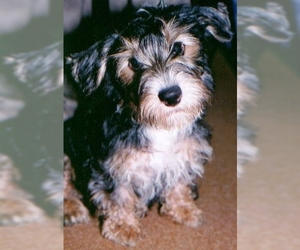
| Overview: | The Lucas Terrier is a charming, relatively rare breed originating in the UK during the mid-20th century, a delightful cross between the Sealyham and Norfolk Terriers. Physically, they are small to medium-sized dogs, typically weighing between 10-18 pounds, with a distinctive wiry or broken coat that can be various shades of tan, black and tan, or grizzle. Their intelligent, expressive eyes and alert posture reflect their lively nature. Temperamentally, Lucas Terriers are known for being affectionate, loyal, and playful companions, making them excellent additions to active families. While they possess the typical terrier drive and may enjoy digging, their relatively moderate exercise requirements make them adaptable to both houses with yards and, with sufficient walks, even apartment living. They generally get along well with children and other pets when properly socialized. As a generally robust breed, they are known for their longevity, though potential owners should be aware of a predisposition to certain genetic conditions common in their parent breeds, such as luxating patella and some eye conditions. Overall, the Lucas Terrier is a delightful, hardy dog offering a wonderful blend of terrier spunk and loving devotion. |
F.A.Q.
All you need to know about Lucas Terrier breed
All You Need to Know About the Lucas Terrier Breed
The delightful Lucas Terrier, originating in England during the 1940s, is a charming and intelligent companion. Bred for its friendly disposition, this small yet sturdy terrier boasts a balanced temperament, making it an excellent choice for a variety of households. Physically, Lucas Terriers are characterized by their wiry, weather-resistant coat, usually in shades of black and tan, or grizzle. They typically weigh between 10-14 pounds. Their compact size makes them surprisingly adaptable to apartment living, provided they receive adequate daily exercise—a couple of brisk walks will suffice. They are known to be good with children and other pets, though early socialization is always recommended. Grooming needs are relatively low; a weekly brush and occasional hand-stripping will keep their coat in top condition. Generally a healthy breed, common considerations are minimal, focusing on good dental hygiene. The Lucas Terrier is a loyal, affectionate, and spirited breed, eager to please and a joy to have in any family.What Is the Average Weight of Lucas Terrier in Pounds?
Lucas Terrier Weight: On average, a healthy adult Lucas Terrier weighs between 14-20 pounds. While there can be slight variations, both male and female Lucas Terriers typically fall within this range. This average size makes them a manageable and sturdy companion. When considering the ideal Lucas Terrier weight, always prioritize a healthy, active dog within this general guideline.
What Is the Typical Height of Lucas Terrier in Inches?
Lucas Terrier Height: How Tall Is a Lucas Terrier?
If you're wondering about the average size of a Lucas Terrier, you've come to the right place! These charming terriers are known for their compact yet sturdy build.The typical Lucas Terrier height, measured at the shoulder, ranges from 10 to 12 inches. This makes them a delightful medium-small breed, perfect for many living situations.While this range is quite consistent, you might observe slight variations based on individual genetics and, to a lesser extent, gender. Generally, males and females fall within this same height bracket, without significant differences. A well-bred Lucas Terrier will consistently fit within these dimensions, ensuring a balanced and proportionate appearance.So, when considering a Lucas Terrier, expect a loyal companion that's about a foot tall at the shoulder!What Coat Colors Are Typical for the Lucas Terrier breed?
The Lucas Terrier breed primarily comes in a range of earth tones and broken colors. AKC recognized Lucas Terrier colors include black and tan, saddle and tan, tan and grizzle, grizzle, cream, fawn, and wheaten. These classic colors are widely accepted by the Lucas Terrier Club of America (LTCA) and are indicative of a well-bred Lucas Terrier.Rare coat types and exotic Lucas Terrier variations are not officially recognized by major kennel clubs like the AKC for this breed. This means you will not find "blue," "lilac," "merle," "chocolate," or "brindle" Lucas Terriers from reputable breeders adhering to breed standards. While some backyard breeders may advertise these as rare Lucas Terrier colors, they typically indicate cross-breeding or genetic mutations not considered standard for the breed. Potential adopters should be cautious of breeders offering these non-standard colors, as they may come with unforeseen health issues or are not true Lucas Terriers. Focus on the recognized Lucas Terrier colors for a purebred and healthy companion.
What is the typical personality of Lucas Terrier?
Lucas Terrier Personality & TemperamentThe Lucas Terrier embodies a charming and lively personality, making them excellent companions. They are typically friendly and affectionate, forming strong bonds with their families and exhibiting deep loyalty. Their sociable nature means they generally enjoy the company of people and often adapt well to various household environments. While they possess a typical terrier zest, they are also known for being more *laid-back* than some other terrier breeds, contributing to their adaptability to apartment living provided they receive regular walks and mental stimulation.With children, Lucas Terriers are generally good-natured and playful, often enjoying supervised interactions. However, like with any breed, early socialization and teaching children how to interact respectfully with a dog are crucial. Regarding other pets, they can coexist peacefully, especially if introduced early and properly socialized. While they retain a natural terrier prey drive, many Lucas Terriers live harmoniously with cats and other dogs when raised with them. Their temperament of Lucas Terrier is often described as balanced – energetic enough for outdoor adventures but content to cuddle indoors.
What is the typical temperament of Lucas Terrier?
The Lucas Terrier temperament is generally delightful, making them excellent companion dogs. They are known for being exceptionally friendly and sociable, typically welcoming strangers and fitting well into various household dynamics. Loyalty is a hallmark trait; they bond deeply with their families, offering constant affection.While adaptable, their energetic nature means apartment living can be suitable provided they receive sufficient daily exercise and mental stimulation. They are generally good with children, displaying a patient and playful demeanor, though supervision is always recommended with very young children. Their disposition with other pets is usually amiable, especially if socialized from a young age.Lucas Terriers are intelligent but can exhibit a charming degree of stubbornness, a typical terrier trait. Consistent, positive reinforcement training is key. They are not overly sensitive but do thrive on positive interaction and can be prone to attention-seeking if ignored. Overall, they are cheerful, engaging, and make wonderful family additions.
What Are the Care Requirements for the Lucas Terrier breed?
Lucas Terrier Care: Daily Maintenance & Health Tips
Lucas Terrier care is relatively straightforward, making them excellent companions for many. Grooming needs are moderate; their short, dense coat requires weekly brushing to minimize shedding and maintain skin health. While generally a low-energy dog breed, daily short walks and playtime are essential for their physical and mental well-being, but exercise limitations mean they aren't suited for long-distance running. Dietary considerations involve high-quality kibble appropriate for their size and activity level, with portion control crucial for weight management. Due to their brachycephalic anatomy, wrinkle and ear cleaning are vital to prevent skin fold dermatitis and ear infections; use a damp cloth or pet-specific wipes regularly. Climate sensitivity is a significant concern; Lucas Terriers are prone to overheating in warm weather due to their short snouts. Always provide shade and fresh water, and avoid strenuous exercise during hot periods. Common health concerns include skin issues (allergies, infections), which can often be managed with good hygiene and diet. Dental care is paramount; regular brushing and dental chews can prevent periodontal disease. Always consult your veterinarian for specific health tips for Lucas Terrier and preventative care. How to care for a Lucas Terrier involves a commitment to regular grooming, moderate exercise, a balanced diet, and attentive hygiene, particularly for their facial folds and ears.How active are Lucas Terrier, and what kind of exercise do they need?
The Lucas Terrier activity level is moderately active, balancing bursts of energy with periods of rest. They thrive on daily activity but aren't excessively high-strung. Exercise needs typically include a good 30-60 minutes of varied activity daily, such as walks, playtime in a secure yard, or interactive games. They love to chase and play with toys, demonstrating their terrier zest for life. Due to their brachycephalic (short-nosed) anatomy, it's crucial to be mindful of exercise in hot or humid weather to prevent overheating. While they enjoy their active periods, they are equally content to cuddle on the couch. This makes them suitable for both moderately active families who enjoy outdoor activities and those in slightly lower-energy households looking for a playful companion. They are not a sedentary breed but aren't constantly on the go. If you're wondering how active are Lucas Terrier, they are playful and energetic without being demanding, making them adaptable to various lifestyles.
What are common health issues in Lucas Terrier?
Lucas Terrier health problems are generally moderate, as this small British terrier is considered a sturdy companion breed, but adopters should still be aware of common Lucas Terrier medical issues such as hip dysplasia, spinal strain, skin fold infections, allergies, and heat sensitivity. While not typically brachycephalic, brachycephalic dog care concerns like Brachycephalic Obstructive Airway Syndrome (BOAS) may occasionally be relevant in individuals with shorter muzzles, leading to mild breathing difficulties in hot or humid climates. Their anatomy—a compact, muscular frame with a deep chest, short legs, and a dense coat—can predispose them to orthopedic problems if overweight, gastric torsion (bloat) due to chest shape, and overheating in warm environments because of their thick fur. Facial folds and ears may also trap moisture, increasing the risk of infections if grooming is neglected.
To understand how to keep Lucas Terrier healthy, owners should maintain a lean body weight to reduce strain on hips and spine, provide regular but moderate exercise suited to their energetic temperament, and avoid strenuous activity in hot weather. Grooming routines should include brushing to prevent matting and skin irritation, cleaning and drying ears and skin folds to reduce infection risk, and dental care to prevent periodontal disease. Allergy management may require dietary adjustments or veterinary guidance, while routine veterinary checkups are essential for monitoring orthopedic health, spinal stability, and eye conditions such as cataracts or progressive retinal atrophy (PRA).
To understand how to keep Lucas Terrier healthy, owners should maintain a lean body weight to reduce strain on hips and spine, provide regular but moderate exercise suited to their energetic temperament, and avoid strenuous activity in hot weather. Grooming routines should include brushing to prevent matting and skin irritation, cleaning and drying ears and skin folds to reduce infection risk, and dental care to prevent periodontal disease. Allergy management may require dietary adjustments or veterinary guidance, while routine veterinary checkups are essential for monitoring orthopedic health, spinal stability, and eye conditions such as cataracts or progressive retinal atrophy (PRA).
Breed Breakdown: What Experts Say About the Lucas Terrier
What is the typical size of Lucas Terrier, and how does it compare to other breeds in terms of suitability for apartment living and travel?
I'd rate the "Size" trait of the Lucas Terrier breed at a 3.Lucas Terriers are definitively on the smaller side of the canine spectrum. With an average height typically ranging from 10-12 inches at the shoulder and a weight of 10-14 pounds, they are compact and sturdy but far from miniature. Their body structure is proportionate and athletic for their size, not overly delicate or bulky. When compared to other companion dogs, they are significantly smaller than breeds like Golden Retrievers or Boxers, and even noticeably smaller than medium-sized terriers such as Airedales. While they have more presence than a tiny Chihuahua or a Yorkshire Terrier, they are well within the "small dog" category.This modest size makes the Lucas Terrier an excellent candidate for apartment living as they don't require vast amounts of space. Their portability also makes them very well-suited for travel, easily fitting into airline-approved carriers or occupying minimal space in a car. For households with space constraints, they are an ideal choice, as they won't feel cramped and can comfortably navigate smaller living areas without feeling overwhelmed or underfoot.
What are the grooming requirements for Lucas Terrier, and how do their coat type and skin features affect overall maintenance?
I would rate the Lucas Terrier's grooming requirements as a 3.This rating reflects that the breed is relatively low-maintenance, especially compared to many other terrier breeds and companion dogs. Their wiry, broken coat is designed to be protective and shed dirt easily, minimizing the need for frequent bathing. While they do shed, it's generally light and seasonal, rather than constant and heavy. Regular brushing, perhaps two to three times a week, is usually sufficient to remove loose hair and prevent matting. Occasional hand-stripping (every few months) is ideal to maintain the coat's texture and color, but if not shown, a professional groomer can also clip, though this will soften the coat over time. They don't typically have skin folds that require special attention, nor are they particularly prone to skin issues or allergies, assuming they are fed a good diet. Basic ear cleaning, nail trimming every few weeks, and occasional bathing as needed (perhaps monthly or when dirty) complete their grooming needs. They are an easy breed to keep looking tidy without extensive or specialized daily care.
What are the exercise requirements for Lucas Terrier, and how do their energy levels affect daily activity and health?
I'd rate the Lucas Terrier's exercise requirements at a 6.While not a marathon runner, the Lucas Terrier possesses a typical terrier enthusiasm and a good level of energy that requires more than just a quick trot around the block. They are lively and curious, thriving on daily walks of moderate length, perhaps 30-45 minutes, ideally incorporating some off-leash exploration in a safe area to satisfy their instinct to sniff and investigate. Their compact size and lack of brachycephalic issues mean they can tolerate sustained movement well, and they genuinely enjoy interactive playtime, such as fetch or chasing toys, which helps to burn off their excess energy and provides mental stimulation. Without regular activity and engagement, they can become bored and potentially develop undesirable behaviors. While they aren't built for extreme endurance, they are certainly capable of and benefit from structured routines that include both physical exercise and opportunities for mental engagement to keep them happy and healthy.
How effective is Lucas Terrier as a watchdog, and what kind of alert or protective behavior can owners expect?
I would rate the Lucas Terrier's "Watchdog Ability" at a 7 out of 10.The Lucas Terrier, while not a true guard dog intended to physically deter a serious threat, possesses many admirable qualities that make them excellent alarm systems for a home. They are naturally alert and observant, quick to pick up on unusual sounds or the presence of unfamiliar people approaching their territory. Their barking behavior is typically not excessive or yappy for no reason, but rather a focused and assertive "alert bark" that effectively signals a potential issue to their human companions. They have a decent dose of territorial instinct, not in an aggressive way, but in a manner that makes them aware of what belongs to them and their family. While they won't physically engage an intruder, their persistent and surprisingly loud bark can certainly act as a deterrent, making enough noise to potentially scare off a casual trespasser or at the very least, provide meaningful early warnings that allow their owners to investigate or take appropriate action. They are far more than passive companions; they are active participants in monitoring their surroundings and will definitely let you know when something is amiss.
How well does the Lucas Terrier get along with other dogs, and what role does socialization play in their behavior?
I would rate the "Good with Other Dogs" trait of the Lucas Terrier breed a 6 out of 10.Lucas Terriers are generally good-natured and can coexist peacefully with other dogs, especially if properly socialized from a young age. They aren't typically dog-aggressive and often enjoy the company of other canines. However, like many terriers, they possess a strong prey drive and a confident, sometimes assertive, personality. This means that while they might not actively seek conflict, they can stand their ground and may not back down if challenged by a more dominant or aggressive dog. Introductions to unfamiliar dogs, particularly those with a very different energy level or temperament, should be done carefully and under supervision. They can adapt well to multi-dog households, but the other dogs should ideally be well-adjusted and able to tolerate a confident companion. While they don't generally thrive solely on canine company (they love their human families), they certainly appreciate and can enjoy it. They require careful introductions and ongoing positive reinforcement training to ensure peaceful coexistence, rather than being inherently extremely sociable and dog-friendly without any effort.
What is the typical energy level of a Lucas Terrier, and how does it affect their playtime, exercise needs, and suitability for indoor living?
I would rate the Energetic trait of the Lucas Terrier breed a 6 out of 10.Lucas Terriers are generally lively and active dogs, fitting the typical terrier mold of being intelligent, curious, and always ready for an adventure. They have good endurance and enjoy being outdoors, participating in various activities with their human companions. Their playfulness is high, and they thrive on physical and mental stimulation, which prevents boredom and destructive behaviors. They are certainly not a "couch potato" breed and require daily exercise to remain happy and well-adjusted.Compared to many companion dogs, they are naturally more active and need more engagement than, for instance, a Basset Hound. However, they are not hyperactive to the extent of a Jack Russell Terrier or some working breeds that can go for hours without tiring. They have an "on/off" switch and are generally capable of settling down indoors after sufficient exercise.It's crucial to address the brachycephalic anatomy. While the Lucas Terrier is considered a "moderately" brachycephalic breed, meaning their snouts are somewhat shortened but not as severely as a Pug or Bulldog, this still has an impact. Their somewhat foreshortened muzzle can make them more susceptible to overheating and respiratory difficulties during intense or prolonged exercise, especially in warm weather. This means that while they enjoy and need activity, their stamina and exercise tolerance are not limitless and need to be carefully monitored to prevent overexertion. Owners must be mindful of the conditions and intensity of their exercise to ensure their well-being. Therefore, while their spirit is energetic, their physical limitations due to their facial structure prevent them from reaching the highest echelons of energy and endurance seen in breeds with more functional respiratory systems.
How easy is it to train a Lucas Terrier, and what kind of consistency and techniques work best for this breed?
I would rate the "Training Requirements" of the Lucas Terrier breed at a 6 out of 10.While intelligent and eager to please their owners, Lucas Terriers retain a strong independent streak characteristic of their terrier heritage. They can be quite stubborn, especially if they perceive an opportunity to do something more interesting than the task at hand. Their attention span, while good for short bursts, can be challenged by distractions, requiring owners to keep training sessions engaging and concise. They respond very well to positive reinforcement, but inconsistent handling will quickly lead to them pushing boundaries. This breed is not ideal for a complete beginner without a strong commitment to consistent training. While an experienced owner will find them a joy to train with structured routines, a first-time dog owner willing to invest time in understanding terrier temperament and employing consistent, positive methods can certainly succeed, but it will require dedicated effort. They need clear boundaries and an understanding of who is in charge, otherwise, they will happily take on the role themselves.
How playful is the Lucas Terrier, and what makes them such an energetic companion?
I would rate the Lucas Terrier's "Playful" trait a 9 out of 10.The Lucas Terrier is a naturally spirited and delightfully energetic breed, absolutely bursting with enthusiasm for life and interaction. They possess a high typical activity level, always ready for a game of fetch, a brisk walk, or a romp in the yard. Their love for games and interaction is profound; they thrive on being involved with their human family and are excellent at initiating playtime, often bringing toys to solicit engagement. While not overly demanding, they do enjoy being the center of attention during play sessions, showcasing a charming level of attention-seeking behavior in this context. Their response to toys and playtime is incredibly enthusiastic – they pounce, chase, and tug with unbridled joy. Overall, their daily life is characterized by an infectious enthusiasm and a perpetual readiness for fun, making them significantly more spirited than laid-back compared to many other companion dogs.
How affectionate is the Lucas Terrier, and what kind of companionship and emotional bonding can owners expect?
I would rate the Affectionate trait of the Lucas Terrier a 9 out of 10.Lucas Terriers are incredibly people-oriented and thrive on human companionship, making them highly affectionate. They display a strong desire to be near their family members, often following them from room to room. While not always the most overt "lap dogs" in the traditional sense, they certainly enjoy physical closeness and will readily lean against you, sit nearby, or nudge for attention. Their loyalty is unwavering, and they are quite sensitive to their owner's moods, often offering comfort or seeking to engage when they sense a need. Compared to many other terriers, the Lucas Terrier is far less independent when it comes to emotional connection; they truly blossom when they feel loved and included in family activities, actively seeking out interaction and affection rather than being aloof.
How well does the Lucas Terrier get along with other pets, and what factors influence their compatibility in multi-pet households?
I'd rate the "Good with Other Pets" trait of the Lucas Terrier a 6 out of 10.Lucas Terriers generally fall into the typical terrier archetype when it comes to other animals. While they can absolutely be trained and socialized to live peacefully in multi-pet households, it's not always their natural inclination, particularly with smaller, furry creatures. Their moderate prey drive is a significant factor, stemming from their historical role as vermin hunters. This means a cat, rabbit, or even a smaller breed of dog can sometimes trigger their chase instinct. They are often good with other dogs, especially those they've grown up with or been properly introduced to, but their independent and sometimes assertive terrier personality means they might not always back down from a challenge. Resource guarding can occur, especially if not addressed through early training and consistent management. Therefore, while they can be integrated successfully, it typically requires a committed owner who prioritizes early and ongoing socialization, consistent training, and careful supervision, particularly in the initial stages of a multi-pet living arrangement, rather than being naturally sociable with all other species without effort.
Is the Lucas Terrier good with children, and what makes them a suitable companion for family life?
The Lucas Terrier, while generally good-natured, earns a "Good with Children" rating of 6 out of 10.They are an affectionate and playful breed, which can be delightful for older, respectful children. Their moderate energy levels mean they enjoy a good game but aren't constantly bouncing off the walls, making them suitable companions for a family that wants an active dog without an overwhelming demand for exercise. They are generally tolerant of noise and the hustle and bustle of a family home.However, their terrier instincts mean they can be a bit sensitive to rough handling or unexpected pokes and prods from very young children. They might also have a lower tolerance for persistent teasing or being treated like a toy. While not inherently aggressive, they are not a naturally "bomb-proof" breed that will simply endure anything a toddler throws at them. They require proper socialization from a young age and ongoing supervision, particularly with younger children, to ensure positive interactions. Training for both the dog and the children on how to respectfully interact is crucial for this breed to thrive in a family setting. They are not as inherently gentle as some other breeds often recommended for young families and benefit significantly from careful management.
Is the Lucas Terrier good with strangers, and how do they typically behave around new people?
The Lucas Terrier's "Good with Strangers" trait rates a 7 out of 10.Lucas Terriers are generally friendly and can be quite amiable with unfamiliar adults, often approaching them with a wagging tail and an eagerness for attention. They are naturally curious and not typically shy, which contributes to their welcoming demeanor. While they possess a degree of terrier confidence and may alert to new arrivals with a bark, this is more of a "hello, who are you?" rather than an aggressive or overly guarded warning. With proper early socialization, they adapt well to various public or guest-filled environments, enjoying the hustle and bustle rather than being overwhelmed. They are not a breed that inherently requires extensive training to be comfortable with strangers, as their outgoing nature is a significant factor, but positive experiences with diverse people during puppyhood will always enhance their natural sociability.
How well does the Lucas Terrier tolerate cold weather, and what precautions are needed during winter months?
Rating: 6The Lucas Terrier possesses a wiry, dense double coat which offers a fair degree of insulation against the cold, preventing it from being overly sensitive. Their compact, sturdy build and relatively low body fat percentage are typical of terriers and contribute to a moderate resilience. They are not brachycephalic, so breathing difficulties in cold air are not a concern. While they are small, making them more susceptible to cold than larger breeds, their active nature and hardy terrier temperament mean they can generally enjoy outdoor activity in moderately cold climates without immediate risk of hypothermia. However, their size still makes them vulnerable to very low temperatures, and prolonged exposure without activity would be unwise. Compared to other companion dogs, they don't require drastically different special care, but owners should be mindful of extreme cold. They would benefit from a coat in very frigid conditions and should not be left outdoors unsupervised for extended periods when temperatures drop significantly below freezing, particularly in windy conditions.
How well does the Lucas Terrier tolerate hot weather, and what precautions should owners take during summer months?
The Lucas Terrier would likely receive a 6 for "Summer" tolerance. While not extremely sensitive like a brachycephalic breed, they are not exceptionally tolerant either. Their wire coat provides some insulation, but can also trap heat if not properly groomed. They are not brachycephalic, which significantly reduces their risk of respiratory distress in heat compared to breeds like Pugs or Bulldogs. However, like all dogs, they are susceptible to heatstroke if overexerted or left in hot environments. They can regulate their body temperature reasonably well, but their recommended outdoor activity levels should be reduced during the hottest parts of the day. Compared to other companion dogs, Lucas Terriers do require some special care in summer months, primarily ensuring access to shade and fresh water, avoiding strenuous exercise during peak heat, and never being left in a car. They don't typically need intense climate control beyond what a human would find comfortable, but a cool environment is always beneficial.
What are the common health concerns for the Lucas Terrier, and how much care and medical attention does this breed typically require?
I would rate the Lucas Terrier's "Healthiness" trait as an 8.This breed is generally considered robust and enjoys a relatively long life expectancy, often into their mid-teens. They are not known for a significant number of breed-specific genetic predispositions to debilitating conditions. While all dogs can experience health issues, Lucas Terriers typically don't suffer from the widespread breathing difficulties, severe joint problems, or extensive skin conditions seen in some other breeds. Responsible breeding practices play a crucial role in maintaining this health, with breeders often screening for common canine ailments to minimize their occurrence. They are generally considered a low-maintenance breed in terms of health compared to many other companion dogs.
How protective is the Lucas Terrier, and what kind of watchdog or guard dog behavior can owners expect?
I would rate the "Protective" trait of the Lucas Terrier breed a 6 out of 10.While Lucas Terriers are loyal and devoted to their families, and possess the typical terrier alertness and vocal nature that makes them excellent watchdogs, they are not inherently guard dogs. Their small size and generally friendly disposition mean they are more likely to bark enthusiastically at strangers to alert their owners rather than pose a physical threat. They have territorial instincts like most terriers, but their protective nature stems more from their loyalty and desire to warn their "pack" of perceived intruders. They are certainly capable of offering meaningful "warning" protection in a household setting, making a lot of noise and alerting you to anything amiss, but they are primarily companion dogs whose protection comes in the form of vigilant alarm, not physical deterrence or aggression.
What is the average lifespan of a Lucas Terrier, and what health factors influence their longevity?
I would rate the "Life Span" trait of the Lucas Terrier a 7 out of 10.Lucas Terriers are generally considered a long-lived breed compared to many other companion dogs. Their average life expectancy typically ranges from 12 to 15 years, with many individuals living even longer. This longevity is supported by a relatively robust health profile, as they are not widely known for a significant number of breed-specific genetic predispositions to debilitating health issues. While, like all breeds, they can be susceptible to common canine ailments such as luxating patellas or dental issues, these are often manageable and do not drastically shorten their lifespan when addressed. Responsible breeding practices, focusing on health screening and maintaining genetic diversity, further contribute to their overall vitality and extended lifespan, allowing well-cared-for Lucas Terriers to enjoy many years with their families.
Lucas Terrier Dogs for adoptionSee all dogs for adoption
Similar Dog Breeds for Lucas Terrier
Quick Breed Selector 0 - not important, 1 - smallest, 10 - largest
Variants & Mistakes :Lucus Terrier, Licas Terrier, Luas Terrier, Lucis Terrier, Lucus Terriar, Lucas Terier, Lucas Terrir, Lucas Terrer, Lucas Terryer, Lucas Teria, Lucas Terria, Lucas Terri, Lucas Terriar, Lucus Terrar, Luecas Terrier, Laucas Terrier, Lycas Terrier, Lokas Terrier, Lcas Terrier, Luccas Terrier, Lucass Terrier, Lucasr Terrier, Lucas Terrie, Lucas Terry, Lucas Teryer, Lucuas Terrier, Luacs Terrier, Locas Terrier, Lucs Terrier, Luces Terrier, Lukus Terrier, Lukis Terrier, Leucas Terrier, Luecas Terier, Lucas Terrar, Lucas Terra