Pure Breeds
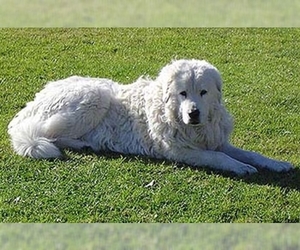
Maremma Sheepdog
A.K.A. : Maremmano-Abruzzese Sheepdog, Pastore Maremmano-Abruzzese, Cane da Pastore Maremmano-Abruzzese, Italian Maremma Sheepdog, Maremmano, Pastore Maremmano, Abruzzese Sheepdog, Pastore Abruzzese, Abruzzese, Cane da Pastore Maremmano, Maremma, Maremmas, Great Italian White Dog, Maremma Livestock Guardian Dog, Maremmese, Maremma LGD, Maremmano-Abruzzese, Itallian Maremma
Quick navigation
All about Maremma Sheepdog dog breed
A.K.A. :Maremmano-Abruzzese Sheepdog, Pastore Maremmano-Abruzzese, Cane da Pastore Maremmano-Abruzzese, Italian Maremma Sheepdog, Maremmano, Pastore Maremmano, Abruzzese Sheepdog, Pastore Abruzzese, Abruzzese, Cane da Pastore Maremmano, Maremma, Maremmas, Great Italian White Dog, Maremma Livestock Guardian Dog, Maremmese, Maremma LGD, Maremmano-Abruzzese, Itallian Maremma
Size
Grooming requirements
Exercise requirements
Good with other dogs
Watchdog ability
Energetic
Training requirements
Playful
Affectionate
Good with other pets
Good with children
Good with strangers
Winter
Summer
Healthiness
Protective
Life Span
| Breed Type | Pure Breed |
| Browse by Name | Starting with 'M' |
| Breeds by Group | Flock Guards & Mastiffs Working |
| Breeds by Trait | Good With Kids High Stamina Dog Breeds Low Shedding Smartest Dog Breeds |
| Overview: | The Maremma Sheepdog, a majestic and ancient breed, hails from the Maremma region of Tuscany and Lazio in Italy, where it has traditionally served as a dedicated livestock guardian. Physically, they are large, powerful dogs, easily recognizable by their thick, pure white double coat, which provides excellent insulation against harsh weather, and their strong, muscular build. Despite their imposing size, Maremmas possess a remarkably gentle and independent temperament, making them fiercely protective yet calm companions. While their affectionate nature can extend to families, they are not typically suited for apartment living due to their need for ample space and a clear sense of purpose. Their innate guarding instincts require early socialization and consistent training. Generally robust, the breed can be prone to certain health issues like hip and elbow dysplasia, making responsible breeding and regular veterinary check-ups important for their long-term well-being. |
F.A.Q.
All you need to know about Maremma Sheepdog breed
All You Need to Know About the Maremma Sheepdog Breed
The Maremma Sheepdog, hailing from Italy, is a majestic guardian breed known for its impressive size and independent spirit. Traditionally used to protect livestock, their temperament is loyal and protective, making them excellent family guardians, though they may be reserved with strangers. Physically, they boast a thick, white double coat, a strong build, and a watchful gaze. While devoted to their families, their independent nature means they thrive with experienced owners who can provide consistent training and early socialization. Due to their size and need for space, Maremma Sheepdogs are not suited for apartment living; a home with a large, secure yard is essential. Their thick coat requires regular brushing, especially during shedding seasons, but is relatively low-maintenance otherwise. They need moderate exercise, including daily walks and opportunities to roam. Common health considerations include hip and elbow dysplasia. For a dedicated owner seeking a steadfast, protective companion, the Maremma Sheepdog is a rewarding choice.What Is the Average Weight of Maremma Sheepdog in Pounds?
Maremma Sheepdog WeightThe average Maremma Sheepdog weight is between 80-100 pounds. A healthy weight for Maremma Sheepdog males typically ranges from 77-110 pounds (35-50 kg), while females are slightly smaller, usually weighing 66-88 pounds (30-40 kg). This average size provides a good indication of the breed's substantial build.
What Is the Typical Height of Maremma Sheepdog in Inches?
Maremma Sheepdog Height: How Tall is a Maremma Sheepdog?
Curious about the average height of a Maremma Sheepdog? These magnificent guardians are known for their impressive size, and understanding their typical dimensions can help potential owners prepare for such a large breed. When measuring a Maremma, we always refer to their height at the shoulder (withers).The average size of a Maremma Sheepdog generally falls within a specific range, with some natural variation:- Males: Typically stand between 25.5 to 28.5 inches (approximately 65-72 cm) at the shoulder.
- Females: Are slightly smaller, usually measuring between 23.5 to 26.5 inches (approximately 60-67 cm) at the shoulder.
What Coat Colors Are Typical for the Maremma Sheepdog breed?
The Maremma Sheepdog colors are predominantly white. This AKC recognized Maremma Sheepdog color is the standard and most common, ranging from a pure, snow-white to an ivory or cream shade. While minor yellow or orange shading is sometimes seen on the ears or body, a solid white coat is preferred for show.Rare Maremma Sheepdog coat types and exotic Maremma Sheepdog variations such as brindle, fawn, blue, lilac, merle, or chocolate are not accepted by major kennel clubs like the AKC or FCI. These colors are considered disqualifications in the breed standard and are not characteristic of the Maremma Sheepdog. Potential adopters should be aware that claims of "rare" colored Maremma Sheepdogs often indicate a mixed breed or a genetic anomaly not typical of the purebred Maremma. Pricing for such variations should be approached with caution as they do not represent the breed's recognized appearance or lineage.
What is the typical personality of Maremma Sheepdog?
The Maremma Sheepdog, known for its independent and protective nature, is a loyal and devoted guardian. They possess a calm and gentle demeanor, particularly with their family. While friendly and affectionate towards those they know, they can be reserved and wary with strangers, a natural extension of their guarding instincts. They are intelligent but also independent thinkers, meaning early and consistent training is crucial.Regarding other aspects of the Maremma Sheepdog personality:* Sociality: Maremmas are generally sociable with their own human family and can form strong bonds. They are not typically pack dogs in the same way some other breeds are, preferring to observe and protect.* Adaptability to Apartment Living: Due to their size, need for exercise, and guarding instincts, Maremmas are not well-suited for apartment living. They thrive in environments with ample space, ideally a secure yard or property.* Behavior with Children: When raised with children, Maremmas can be patient and protective, often seeing the children as part of their "flock." However, due to their size, supervision with very young children is always recommended.* Behavior with Other Pets: Maremmas can get along well with other pets, especially if introduced and socialized from a young age. Their protective instincts can extend to other animals within their perceived territory, making them excellent guardians of livestock. However, their natural prey drive can sometimes be an issue with very small, quick-moving animals if not properly managed.Understanding the temperament of Maremma Sheepdog is key to providing them with a suitable home. Their inherent guarding traits are deeply ingrained and require an owner who appreciates and can manage these qualities.
What is the typical temperament of Maremma Sheepdog?
The Maremma Sheepdog temperament is generally calm, independent, and incredibly protective. They are fiercely loyal to their family and flock (human or animal) but are not typically known for being overly demonstrative or needing constant attention. While they can be friendly and sociable with their immediate family, they are naturally reserved and wary of strangers, making them excellent guardians.As for adaptability to apartment living, the Maremma is not suited for it. They are a large, active breed with a strong need for space and a job to do, ideally a large yard or property where they can patrol and feel useful.Their behavior with children and other pets is generally good, especially if raised with them. Maremmas are often gentle and patient with children in their family, viewing them as part of their flock to be protected. They can coexist peacefully with other pets, often adopting them into their protective sphere, but early socialization is key.Maremmas do have a tendency toward stubbornness and independence, as they were bred to work autonomously. They are intelligent but require consistent, patient training based on trust and respect, not harshness. They can also be quite sensitive to their owner's tone and will shut down if treated too harshly. Overall, they are a majestic, devoted, and highly capable companion dog for the right owner who understands their guardian instincts and provides appropriate space and training.
What Are the Care Requirements for the Maremma Sheepdog breed?
Maremma Sheepdog care involves managing their unique traits. They are generally a low-energy dog breed indoors, but require a large, secure yard and daily outdoor time for mental stimulation and exercise. While they don't demand intense exercise, they thrive with purposeful activities like "patrolling" their territory.
Grooming needs are moderate. Their thick double coat requires weekly brushing to prevent matting and manage shedding, which is heavier seasonally. Regular nail trims are essential.Dietary considerations should focus on a high-quality, balanced diet appropriate for a large breed. Portion control is crucial for weight management, as they can be prone to obesity, which exacerbates joint issues. Avoid overfeeding treats.There's a misunderstanding regarding brachycephalic anatomy – the Maremma Sheepdog is NOT a brachycephalic breed and does not have the associated wrinkle or ear cleaning needs, nor the same level of climate sensitivity in that regard. However, their dense coat means they are well-suited for colder climates and can overheat in extreme summer heat; provide ample shade and fresh water. Regular ear checks and cleaning are part of general hygiene, not a specific brachycephalic concern for this breed.Common health concerns include hip and elbow dysplasia, patellar luxation, and certain eye conditions. Skin issues can arise from allergies or poor grooming, making regular brushing vital. Dental care is paramount; brush teeth regularly to prevent periodontal disease. Regular veterinary check-ups are essential for early detection and management of potential health problems. This daily maintenance and proactive approach are key to how to care for a Maremma Sheepdog and ensure a long, healthy life. For more health tips for Maremma Sheepdog, consult your veterinarian.How active are Maremma Sheepdog, and what kind of exercise do they need?
The Maremma Sheepdog activity level is moderate. They are not a high-energy breed requiring constant stimulation, but they do have specific exercise needs. Maremmas are known for balancing short bursts of energy with long periods of rest, a trait stemming from their guardian dog heritage where vigilance, not constant movement, was key.Typically, Maremmas need at least 30-60 minutes of moderate daily exercise, which can include a long walk, exploring a securely fenced yard, or engaging in supervised playtime. Their playtime preferences often involve patrolling their territory, observing their surroundings, and interacting with their family. They are not generally suited for high-impact activities like jogging partners or intense fetch sessions for extended periods.It's crucial to note a significant limitation: Maremma Sheepdogs are not brachycephalic. Therefore, the typical limitations due to brachycephalic anatomy (like extreme heat sensitivity or breathing difficulties during strenuous exercise) do not apply to them. They have a long, healthy muzzle.How active are Maremma Sheepdog truly? They are more suited for households that understand their need for a "job" (even if it's just supervising the family or yard) and can provide consistent, moderate exercise. They are generally not ideal for highly active families seeking a dog for intense sports, nor are they suitable for extremely low-energy households where they would receive minimal engagement. They thrive in environments where they have space to move and can feel useful.
What are common health issues in Maremma Sheepdog?
Maremma Sheepdog health problems are generally moderate, as this Italian livestock guardian breed is considered hardy, but adopters should still be aware of common Maremma Sheepdog medical issues such as hip dysplasia, spinal strain, skin fold infections, allergies, and heat sensitivity. While not typically brachycephalic, brachycephalic dog care concerns like Brachycephalic Obstructive Airway Syndrome (BOAS) may occasionally be relevant in individuals with shorter muzzles, leading to mild breathing difficulties in hot or humid climates. Their anatomy—a large, muscular frame with a deep chest, heavy bone structure, and thick double coat—can predispose them to orthopedic problems if overweight, gastric torsion (bloat) due to chest shape, and overheating in warm environments because of their dense fur. Facial folds and ears may also trap moisture, increasing the risk of infections if grooming is neglected.
To understand how to keep Maremma Sheepdog healthy, owners should maintain a lean body weight to reduce strain on hips and spine, provide regular but moderate exercise suited to their guarding stamina, and avoid strenuous activity in hot weather. Grooming routines should include brushing to prevent matting and skin irritation, cleaning and drying ears and folds to reduce infection risk, and dental care to prevent periodontal disease. Allergy management may require dietary adjustments or veterinary guidance, while routine veterinary checkups are essential for monitoring orthopedic health, spinal stability, and eye conditions such as cataracts or progressive retinal atrophy (PRA).
To understand how to keep Maremma Sheepdog healthy, owners should maintain a lean body weight to reduce strain on hips and spine, provide regular but moderate exercise suited to their guarding stamina, and avoid strenuous activity in hot weather. Grooming routines should include brushing to prevent matting and skin irritation, cleaning and drying ears and folds to reduce infection risk, and dental care to prevent periodontal disease. Allergy management may require dietary adjustments or veterinary guidance, while routine veterinary checkups are essential for monitoring orthopedic health, spinal stability, and eye conditions such as cataracts or progressive retinal atrophy (PRA).
Breed Breakdown: What Experts Say About the Maremma Sheepdog
What is the typical size of Maremma Sheepdog, and how does it compare to other breeds in terms of suitability for apartment living and travel?
I would rate the "Size" trait of the Maremma Sheepdog a 9 out of 10.This breed is undeniably large. Males typically stand between 25.5 and 28.5 inches at the shoulder and can weigh anywhere from 77 to 100 pounds, while females are slightly smaller, usually 23.5 to 26.5 inches and 66 to 88 pounds. Their body structure is robust and well-muscled, built for strength and endurance rather than agility in tight spaces. When compared to the vast majority of companion dog breeds, the Maremma Sheepdog is on the higher end of the size spectrum, often dwarfing popular breeds like Labradors, Golden Retrievers, and German Shepherds. Given their substantial size and need for personal space, they are absolutely not suited for apartment living, frequent travel (unless in a very large vehicle), or households with significant space constraints. They thrive in environments with ample outdoor room to roam and fulfill their natural guarding instincts.
What are the grooming requirements for Maremma Sheepdog, and how do their coat type and skin features affect overall maintenance?
I would rate the Maremma Sheepdog's grooming requirements as a 5 out of 10.While their thick, weather-resistant double coat might initially suggest high maintenance, it's surprisingly easy to care for compared to some other long-haired breeds. They are moderate to heavy shedders, especially seasonally, so regular brushing (2-3 times a week, more during shedding season) is essential to remove loose hair and prevent matting. However, their coat doesn't tend to knot easily or require frequent professional stripping or intricate styling. They don't have problematic skin folds requiring special care. Ear cleaning is standard for any dog with drop ears, and nail trimming is needed as with all breeds. Bathing is only necessary when they get particularly dirty, as their natural oils help keep their coat healthy and waterproof. They are generally a robust breed with no particular susceptibility to skin issues or allergies that would necessitate specialized grooming, making them relatively easy to care for in terms of basic needs, but not entirely hands-off due to their shedding and the need for consistent brushing to maintain coat health.
What are the exercise requirements for Maremma Sheepdog, and how do their energy levels affect daily activity and health?
I would rate the Maremma Sheepdog's exercise requirements as a 5.While they are a large, working breed, their energy levels are surprisingly moderate. They are not built for constant, high-intensity activity like a Border Collie. Their historical role of guarding livestock involved a lot of watchful waiting and patrolling their territory, not high-speed chases. Daily walks of a moderate length (45-60 minutes), perhaps a couple of times a day, are generally sufficient to keep them physically fit. They also enjoy having a secure, decent-sized yard to patrol, which satisfies some of their innate drive. They have good stamina for sustained movement within their comfort zone, but they are not the kind of dog you'd take on a 10-mile run every day. Being a non-brachycephalic breed, they don't have respiratory limitations. While they can enjoy playtime with their owners, they aren't typically a "fetch-obsessed" breed. They are intelligent and do require mental stimulation, which can come from their daily "guarding" of their home, but also through training and puzzle toys. Structured routines are beneficial to keep them healthy and prevent boredom, but these routines lean more towards consistency and purpose rather than extreme physical exertion. They thrive with a balance of purposeful activity and opportunities for quiet observation, rather than requiring intense, athletic demands.
How effective is Maremma Sheepdog as a watchdog, and what kind of alert or protective behavior can owners expect?
The Maremma Sheepdog rates a solid 9 out of 10 for watchdog ability.This breed is far from a passive companion when it comes to home security. They are inherently vigilant and possess strong territorial instincts, deeply wired to protect their flock (which, in a household setting, includes their human family and property). Maremmas are highly alert to their surroundings, quickly picking up on unfamiliar sounds, sights, or scents. Their barking behavior is purposeful – a deep, resonant bark that serves as an effective early warning system and a clear deterrent to potential intruders. They are not excessive barkers but will certainly vocalize when something is amiss. Their response to unfamiliar people is typically reserved and watchful, not immediately aggressive but clearly conveying a message of "I see you, and I am in charge here." While they might not be overtly confrontational without a direct threat, their sheer size, imposing presence, and unwavering focus are usually enough to make an unwelcome visitor think twice. They are more than capable of providing meaningful early warnings and acting as a significant deterrent in a home environment.
How well does the Maremma Sheepdog get along with other dogs, and what role does socialization play in their behavior?
I would rate the "Good with Other Dogs" trait of the Maremma Sheepdog a 6 out of 10.Maremmas are generally not overtly aggressive towards other dogs, but their deeply ingrained guarding instincts can make them more reserved and particular in canine company. They are bred to protect their flock, and while they can be tolerant of other dogs within their "flock" (i.e., their household companions), they often view unfamiliar dogs with suspicion. This isn't usually expressed as an immediate attack, but rather a watchful, sometimes challenging, presence. They prefer to be in charge and may display dominant behaviors, especially towards dogs they perceive as encroaching on their territory or family. While they can coexist peacefully in multi-dog households, particularly if raised with other dogs from a young age, careful introductions are always necessary for new additions, and constant supervision may be required with unfamiliar dogs in shared spaces. They tend to do best with dogs that respect their boundaries and aren't overly boisterous or challenging. Their lower energy levels compared to some breeds mean they might tolerate playful dogs but aren't always keen to join in boisterous games. Early and consistent socialization is crucial to help them develop appropriate responses to other dogs, but even then, their inherent guarding nature means they'll likely never be the type of dog to enthusiastically greet every canine they meet at the dog park. They thrive more on a stable social structure within their own household rather than seeking extensive canine companionship outside of it.
What is the typical energy level of a Maremma Sheepdog, and how does it affect their playtime, exercise needs, and suitability for indoor living?
Rating: 3Explanation: The Maremma Sheepdog is a majestic and robust breed, but its "energetic" trait would be rated as a 3 on a scale of 1 to 10. This rating reflects their naturally laid-back and reserved temperament. While they possess good endurance for their traditional role of guarding livestock over long periods, their typical activity level is not high-intensity. They prefer to conserve energy and are more content with patrolling their territory or observing rather than engaging in constant play or demanding athletic activities. Their playfulness tends to be moderate and often self-initiated, rather than seeking constant engagement from their owners.Maremmas have a relatively low need for *intense* physical stimulation, preferring purposeful walks or opportunities to roam a secure yard over vigorous games of fetch or long runs. Their guarding instincts mean they need a job, and that job often involves a steady, patrolling pace rather than bursts of speed. While they are certainly capable of participating in outdoor activities, they are not a breed that thrives on high-impact sports or extreme endurance challenges.It's also important to note that the Maremma Sheepdog is *not* a brachycephalic breed. They have a well-proportioned muzzle and a scissor bite, which means their anatomy does not inherently affect their stamina or exercise tolerance in the way it would for a flat-faced dog. Their lower energy level is a characteristic of their working role and breed temperament, not a consequence of respiratory compromise. They are built for resilience and sustained effort, but at a more measured pace than many other companion dogs.
How easy is it to train a Maremma Sheepdog, and what kind of consistency and techniques work best for this breed?
I would rate the training requirements of the Maremma Sheepdog at a 7 out of 10.While intelligent, Maremmas are inherently independent and stubborn, bred for centuries to make their own decisions in the field without human intervention. This translates to a lower responsiveness to commands compared to breeds eager to please. Their attention span can be fleeting if the task isn't inherently motivating to them, and they possess a strong will to do things their way. Consistency is paramount; any lapse in boundaries or commands will be exploited. Positive reinforcement is effective, but it needs to be clear, consistent, and delivered with confidence to overcome their natural skepticism and strong will.This breed is not beginner-friendly. Maremmas require experienced handling, a deep understanding of canine psychology, and a highly structured routine from a young age. Owners need to be patient, firm, and persistent, establishing themselves as a clear and respected leader to guide this independent and powerful guardian breed effectively. Without consistent and knowledgeable training, they can become difficult to manage.
How playful is the Maremma Sheepdog, and what makes them such an energetic companion?
I'd rate the Maremma Sheepdog's "Playful" trait a 4 out of 10.While not entirely devoid of play, the Maremma is naturally more laid-back and independent compared to many other companion breeds. Their historical role as a livestock guardian means they are typically more focused on observation and protection, rather than boisterous games. They appreciate interaction and a good romp, especially when young, but their typical activity level leans towards calm vigilance. They might engage in short bursts of play with toys or show enthusiasm for a walk, but they aren't usually attention-seeking for prolonged games. Their enthusiasm in daily life is more about quiet companionship and a watchful presence than constant fun-loving energy.
How affectionate is the Maremma Sheepdog, and what kind of companionship and emotional bonding can owners expect?
I would rate the Affectionate trait of the Maremma Sheepdog as a 6.Maremmas are deeply loyal and devoted to their families, exhibiting a strong desire for human companionship and a protective instinct. They are sensitive to owner emotions and will often follow family members around the house, preferring to be in the same room. However, they are not typically "cuddly" in the same way a golden retriever or labrador might be. While they appreciate proximity and a gentle pet, they are not usually lap dogs and may not seek intense physical closeness like extended snuggling. Their affection is more an expression of their watchful devotion and deep bond, rather than an overwhelming need for constant physical contact. They thrive on the trust and connection with their family but are also independent by nature, bred to work autonomously, meaning they are content to observe and guard from a close distance rather than being constantly underfoot or on your lap. They are not emotionally distant, but their expression of love is often more reserved and dignified compared to other companion breeds, valuing their role as guardian and companion equally.
How well does the Maremma Sheepdog get along with other pets, and what factors influence their compatibility in multi-pet households?
I would rate the "Good with Other Pets" trait of the Maremma Sheepdog a 7 out of 10.Maremmas are generally quite good with other pets, particularly when raised with them from a young age. Their primary role is to guard livestock, and this protective instinct often extends to other animals within their perceived "flock," including household pets. They tend to be calm and tolerant around other dogs and even cats, especially once they understand these animals are part of their territory. Their prey drive is typically low towards animals they consider part of their household, though proper introductions and supervision are always wise, especially with smaller, unfamiliar animals. Resource guarding is not a dominant trait in the breed, but as with any dog, early training and management can prevent issues. They are naturally more independent than overtly sociable, but this doesn't equate to unfriendliness; rather, they are observant and often take on a watchful, almost paternal role with other pets. However, their strong guarding instincts mean they may not be as immediately accepting of *new* pets introduced later in life without careful, patient socialization. They thrive best when other pets are introduced early and are seen as part of their established domain, and while generally good-natured, their sheer size and powerful presence necessitate supervision around very small or delicate pets.
Is the Maremma Sheepdog good with children, and what makes them a suitable companion for family life?
The Maremma Sheepdog rates a solid 6 out of 10 for "Good with Children." While generally calm and protective, their inherent guarding instincts can sometimes translate to a more reserved and less overtly playful demeanor with children compared to breeds specifically bred for companionship. They are typically tolerant of noise and handling, particularly from children within their perceived "flock," but their patience has limits, and they aren't naturally inclined to engage in boisterous play. They possess a natural gentleness, especially with familiar children, but their large size means supervision is always necessary to prevent accidental bumps or knocks. They thrive in a family setting where children understand and respect the dog's personal space and protective nature, and early socialization and training are crucial to ensure they differentiate between playful child's behavior and perceived threats, preventing over-guarding. They are not a breed that will readily engage in prolonged games of fetch or rough-and-tumble play.
Is the Maremma Sheepdog good with strangers, and how do they typically behave around new people?
The Maremma Sheepdog rates a 3 out of 10 for "Good with Strangers." This breed's inherent nature is that of a dedicated guardian, making them naturally reserved and often aloof with unfamiliar adults. Their primary instinct is to protect their flock (or family), and strangers are viewed with suspicion until proven otherwise. While they are not typically aggressive without provocation, their friendliness is not freely given and must be earned. They are highly observant and will often bark as a warning or to alert their family to the presence of an unknown person.Socialization is crucial from a young age to ensure they are comfortable and tolerant in public or guest-filled environments, but even with extensive training, they are unlikely to become overly sociable or welcoming. They are designed to be independent and watchful, not to greet every passerby with enthusiasm. Their adaptability in new environments revolves around assessing potential threats rather than seeking interaction. They require consistent and firm handling to understand that guests are not a danger, but their underlying protective instincts will always be present, making them generally polite but distant with strangers.
How well does the Maremma Sheepdog tolerate cold weather, and what precautions are needed during winter months?
I would rate the Maremma Sheepdog's "Winter" tolerance at a 9.This breed possesses an excellent natural resilience to cold weather, primarily due to their dense, double coat. The thick undercoat provides superior insulation, while the coarse outer coat is water-resistant, protecting them from snow and rain. Their large size and substantial body fat also contribute to their ability to maintain body temperature in chilly conditions. Maremmas are not brachycephalic, meaning they have a normal muzzle length that doesn't hinder their ability to warm incoming air, reducing the risk of respiratory issues often seen in short-nosed breeds in cold weather. They are inherently bred for outdoor living in mountainous regions, making them well-suited for safely enjoying extended periods of outdoor activity even in very cold climates. Compared to many companion dogs, Maremmas require significantly less special care during winter months, often thriving in conditions that would send other breeds indoors. While extremely harsh, prolonged blizzards might warrant extra shelter or supervision, for typical winter conditions, they are remarkably self-sufficient.
How well does the Maremma Sheepdog tolerate hot weather, and what precautions should owners take during summer months?
The Maremma Sheepdog breed rates a 4 for "Summer" tolerance.While not brachycephalic, the Maremma Sheepdog's thick, dense double coat, developed for protection against severe cold and predators, significantly impedes their ability to regulate body temperature in warm or hot weather. They are at a heightened risk of heatstroke, and even moderate outdoor activity can quickly become dangerous. Their natural instinct to be outdoors and guard can put them in peril if left unsupervised in the heat. During summer months, they absolutely require special care compared to many other companion dogs. This includes providing constant access to shade and fresh water, limiting outdoor exercise to the coolest parts of the day (early morning or late evening), and often requiring access to air-conditioned indoor spaces to prevent overheating. They are not a breed that thrives in prolonged high temperatures.
What are the common health concerns for the Maremma Sheepdog, and how much care and medical attention does this breed typically require?
I would rate the Maremma Sheepdog's "Healthiness" trait as an 8 out of 10.The Maremma Sheepdog is generally considered a very robust and healthy breed. They boast an impressive life expectancy, often living 10-13 years, and sometimes even longer, which is excellent for a large breed. While no breed is entirely free from genetic predispositions, Maremmas are not plagued by a multitude of severe, widespread health issues that significantly impact their quality of life or shorten their lifespan. They are not prone to the extreme breathing difficulties seen in brachycephalic breeds, nor do they typically suffer from the severe joint problems common in some other giant breeds, though hip and elbow dysplasia can occur, as in almost any large dog. Skin conditions are also not particularly prevalent.Responsible breeding plays a crucial role in maintaining their health, with reputable breeders screening for common orthopedic issues. Their strong working dog lineage has helped them retain a natural hardiness and resilience. While they are large and require appropriate care in terms of nutrition and exercise, they are generally not considered high-maintenance from a medical perspective compared to many other companion dogs. They are far more robust than delicate, and while preventive care like regular vet check-ups and a healthy lifestyle are essential, they are less likely to require frequent, specialized medical interventions.
How protective is the Maremma Sheepdog, and what kind of watchdog or guard dog behavior can owners expect?
I would rate the "Protective" trait of the Maremma Sheepdog a 9 out of 10.The Maremma Sheepdog is exceptionally protective, a quality bred into them over centuries for guarding livestock. They possess a high degree of alertness, constantly surveying their territory and surroundings for potential threats. Their territorial instincts are profound, leading them to actively patrol and defend their designated space, whether that's a field of sheep or a family's backyard. Their loyalty to their owners is unwavering, forming a strong bond and instinctively viewing their human family as part of their "flock" to be defended. Their reaction to strangers is typically reserved and watchful; they are not inherently aggressive but will place themselves between their family/territory and perceived threats, often employing a deep, resonant bark as a primary deterrent. They are highly suitable as a watchdog due to their vigilance and vocalization, and they are very capable of offering meaningful protection in a household setting due to their size, courage, and inherent drive to defend. While they can be loving companions, their protective nature is far beyond that of a typical companion dog, firmly placing them in the category of a serious guardian breed.
What is the average lifespan of a Maremma Sheepdog, and what health factors influence their longevity?
I would rate the "Life Span" trait of the Maremma Sheepdog a 7 out of 10.Maremma Sheepdogs are generally considered a long-lived breed for their size, with an average life expectancy ranging from 10 to 13 years, and many individuals living longer. This places them firmly in the "long-lived" category when compared to many other large and giant companion dog breeds, which often have shorter lifespans. They are a robust and hardy breed, less prone to some of the serious hereditary conditions that plague other large breeds, such as severe hip and elbow dysplasia to the same extent, or a high incidence of certain cancers. While they can still experience common canine ailments like bloat (gastric torsion), which is a risk for deep-chested breeds, and some orthopedic issues, these are not disproportionately high compared to other large breeds. Responsible breeding practices further contribute to their longevity by screening for known issues and maintaining genetic diversity. Proper nutrition, regular exercise, and good veterinary care are, of course, crucial for maximizing their lifespan, as with any breed.
Maremma Sheepdog Dogs for adoptionSee all dogs for adoption
Maremma Sheepdog BreedersSee all breeders
Similar Dog Breeds for Maremma Sheepdog
Quick Breed Selector 0 - not important, 1 - smallest, 10 - largest
Variants & Mistakes :Maremma Sheep Dog, Mareema Sheepdog, Marremma Sheepdog, Maremna Sheepdog, Maremma Shepdog, Maremma Sheepdod, Maremma Sheepdpog, Maremma Sheedog, Maremma Sheepgog, Maremma Sheedpog, Maremma Sheepdpod, Maremma Sheepdof, Maremma Sheepdov, Maremma Sheppdog, Maremma Sheapdog, Maremma Sheapdpog, Marema Sheepdog, Maremma Sheepdgog, Maremma Sheepddog, Maremma Sheeepdog, Maremma Sheepdfog, Maremma Sheepdoog, Maremma Sheepdohg, Maremma Sheepdovg, Maremma Sheepdogr, Maremma Sheepdogg, Maremma Sheepdowg, Maremma Sheepdoh, Maremma Sheepdosg, Maremma Sheepdodg, Maremma Sheepdoy, Maremma Sheepdoi, Maremma Sheepdoe, Maremma Sheepdoig