Pure Breeds
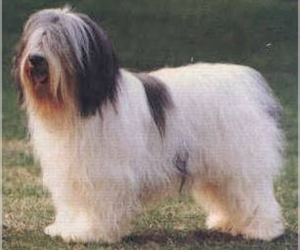
Polish Lowland Sheepdog
A.K.A. : Polski Owczarek Nizinny, PON, Polish Plains Dog, Lowland Herding Dog, Shaggy Polish, Polish Field Dog
Quick navigation
All about Polish Lowland Sheepdog dog breed
A.K.A. :Polski Owczarek Nizinny, PON, Polish Plains Dog, Lowland Herding Dog, Shaggy Polish, Polish Field Dog
Size
Grooming requirements
Exercise requirements
Good with other dogs
Watchdog ability
Energetic
Training requirements
Playful
Affectionate
Good with other pets
Good with children
Good with strangers
Winter
Summer
Healthiness
Protective
Life Span
| Breed Type | Pure Breed |
| Browse by Name | Starting with 'P' |
| Breeds by Group | Herding |
| Breeds by Trait | Good With Kids High Stamina Dog Breeds Hypoallergenic Low Shedding Smartest Dog Breeds |
| Overview: | The Polish Lowland Sheepdog (PON), a charming and robust breed, hails from Poland where it was traditionally used for herding and guarding. Physically, they are medium-sized dogs with a distinctive shaggy, double coat that comes in various colors, often requiring regular grooming to prevent matting. Beneath their tousled exterior lies a surprisingly agile and muscular build. In terms of temperament, PONs are known for being intelligent, lively, and incredibly loyal, forming strong bonds with their families. They possess a keen watchfulness, making them excellent alert dogs, though early socialization is crucial to temper their natural caution with strangers. While adaptable, their moderate exercise needs and preference for outdoor activity make them more suitable for active families with a yard rather than confined apartment living. Generally healthy, prospective owners should be aware of potential breed-specific concerns like hip dysplasia and eye conditions. Overall, a well-trained and socialized Polish Lowland Sheepdog can be a wonderful, affectionate companion. |
F.A.Q.
All you need to know about Polish Lowland Sheepdog breed
All You Need to Know About the Polish Lowland Sheepdog Breed
The Polish Lowland Sheepdog, or PON (Polski Owczarek Nizinny), is a captivating, medium-sized breed originating from Poland, renowned for its shaggy double coat and lively personality. These intelligent and often comical dogs possess a loyal temperament, making them excellent family pets for those seeking an active companion. Physically, they're sturdy with a distinctive, long, flowing coat that covers their eyes, giving them a unique charm. While adaptable, their moderate exercise needs mean they thrive with daily walks and playtime; they are generally not ideal for apartment living unless given ample outdoor access. Their beautiful coat requires regular grooming to prevent matting, including weekly brushing. Typically a healthy breed, potential owners should be aware of common health considerations like hip dysplasia and eye conditions. A well-socialized Polish Lowland Sheepdog is a joyful, engaging, and loving addition to the right home.What Is the Average Weight of Polish Lowland Sheepdog in Pounds?
Polish Lowland Sheepdog Weight: Average Size & Healthy RangeThe average weight for an adult Polish Lowland Sheepdog is typically between 30-50 pounds.* Males: Generally weigh between 40-50 pounds.* Females: Typically weigh between 30-45 pounds.This range represents a healthy weight for a Polish Lowland Sheepdog, reflecting their sturdy, medium-sized build. Individual Polish Lowland Sheepdog weight can vary based on genetics, diet, and activity level.
What Is the Typical Height of Polish Lowland Sheepdog in Inches?
Polish Lowland Sheepdog Height: What's the Average Size?
If you're wondering, "how tall is a Polish Lowland Sheepdog?", you've come to the right place! These shaggy, lovable dogs have a consistent average height that's great for potential owners to know.The typical adult height range for a Polish Lowland Sheepdog, measured at the shoulder, is generally between 18 to 20 inches. This makes them a medium-sized breed, substantial enough to be sturdy but not overly large.While there isn't a dramatic difference in height between genders, you might find that males tend to be at the higher end of the range, sometimes reaching the full 20 inches, while females might be closer to the 18-inch mark. However, individual genetics play a significant role, so you could have a slightly smaller male or a slightly larger female. This consistent Polish Lowland Sheepdog height makes them a manageable size for many homes and lifestyles.What Coat Colors Are Typical for the Polish Lowland Sheepdog breed?
For Polish Lowland Sheepdog colors, a wide variety exists, though some are more common and AKC recognized Polish Lowland Sheepdog colors are specific. Typically, you'll find them in white with patches of black, gray, or brown. Solid white and solid black are also common. Gray and white, brown and white, and biscuit with white markings are popular variations.Less common, but still accepted, are grizzle and white, sable and white, and various shades of cream. These Polish Lowland Sheepdog colors often carry a premium due to their distinct appearance.When considering rare coat types and exotic Polish Lowland Sheepdog variations, be aware that colors like blue, lilac, merle, or chocolate are not officially recognized by major kennel clubs like the AKC for the Polish Lowland Sheepdog breed. While these rare Polish Lowland Sheepdog colors may appear in some lineages, they are considered disqualifying faults for show purposes and may indicate crossbreeding. Always prioritize the health and temperament of a puppy regardless of its coat color. For AKC recognized Polish Lowland Sheepdog colors, focus on the traditional white, black, gray, and brown combinations.
What is the typical personality of Polish Lowland Sheepdog?
The Polish Lowland Sheepdog personality is a delightful blend of intelligence and affection, making them wonderful companions. These dogs are generally very friendly and loyal to their families, often forming strong bonds. Their sociability extends beyond their immediate pack; they are typically good with strangers once introduced and are known for their gentle nature with children, often becoming patient and playful guardians. When it comes to other pets, with proper socialization, Polish Lowland Sheepdogs usually coexist peacefully.While adaptable, their activity needs mean they are generally not ideal for apartment living unless given ample opportunities for exercise and mental stimulation. They thrive in homes with secure yards where they can explore and play. As a herding breed, they are intelligent and can be independent thinkers, requiring consistent and positive training. Potential owners should be prepared for a dog that is alert and can be a good watchdog, often barking to signal new arrivals. Overall, the temperament of Polish Lowland Sheepdog is characterized by their loving, smart, and somewhat spirited nature, requiring an owner who understands their need for engagement and activity.
What is the typical temperament of Polish Lowland Sheepdog?
The Polish Lowland Sheepdog temperament is a delightful blend of playful energy and unwavering loyalty. Known for their cheerful and affectionate nature, they make excellent companion dogs for active families. They are generally very friendly and sociable, enjoying interaction with their human companions. This breed is highly intelligent, eager to please, and deeply devoted to their family, often forming strong bonds. Their alert and watchful nature, a remnant of their herding past, makes them good natural guardians, though not aggressive.
With proper socialization from a young age, they typically get along well with children, often showing a gentle and patient demeanor. They can also coexist peacefully with other pets, especially if raised together. While adaptable, their energy levels mean they thrive with regular exercise and mental stimulation. They are not ideally suited for sedentary apartment living without dedicated daily walks and playtime. Like many intelligent breeds, they can exhibit a touch of stubbornness if not given consistent and positive training. They are also quite sensitive and respond best to gentle, reward-based methods rather than harsh correction. Their desire to please combined with their intelligence makes them highly trainable, but patience and consistency are key to unlocking their full potential and ensuring a well-behaved, happy companion.What Are the Care Requirements for the Polish Lowland Sheepdog breed?
Polish Lowland Sheepdog Care: Daily Maintenance & Health TipsPolish Lowland Sheepdog care involves a moderate commitment to grooming and attention to their unique needs. Despite their long coat, they are not high-energy and thrive with consistent, gentle care.Grooming Needs: This breed requires regular brushing, ideally 2-3 times a week, to prevent matting of their dense double coat. Professional grooming every 6-8 weeks for a trim and bath can also be beneficial. Occasional trimming around the eyes for visibility and around the paws to prevent slipping is important.Exercise Limitations: The Polish Lowland Sheepdog is a low-energy dog breed that doesn't require extensive exercise. Daily walks and playtime in a secure yard are usually sufficient. They enjoy mental stimulation, so incorporating training or puzzle toys is helpful. Over-exercising in warm weather should be avoided due to their brachycephalic nature.Dietary Considerations: Feed a high-quality dog food appropriate for their age, activity level, and size. Monitor calorie intake closely as they can be prone to weight gain. Consult your vet for specific dietary recommendations and portion control for weight management.Wrinkle and Ear Cleaning: Due to their facial folds and floppy ears, wrinkle and ear cleaning are crucial to prevent infections. Clean facial folds daily with a damp cloth and dry thoroughly. Check and clean ears weekly with a vet-approved ear cleaner to remove wax and debris.Climate Sensitivity (Brachycephalic Anatomy): Like other brachycephalic breeds, Polish Lowland Sheepdogs are sensitive to heat and humidity. They can overheat easily, so keep them indoors in air-conditioning during hot weather and provide plenty of fresh water. Avoid strenuous exercise during peak heat.Common Health Concerns: Be aware of common issues like skin issues (hot spots, allergies) due to their dense coat and facial folds. Regular dental care is essential for dental health, including brushing their teeth several times a week. Regular vet check-ups are key for early detection and prevention of other potential health problems. This guide offers practical advice on how to care for a Polish Lowland Sheepdog and ensure a happy, healthy life.
How active are Polish Lowland Sheepdog, and what kind of exercise do they need?
The Polish Lowland Sheepdog activity level is moderate. They are an intelligent, adaptable breed that enjoys activity but also values relaxation.Typical Energy Levels: How active are Polish Lowland Sheepdog? They have a good amount of energy for their daily needs, often described as a balance between playful bursts and calm observation. They aren't hyperactive, nor are they strictly couch potatoes.Daily Exercise Needs: Polish Lowland Sheepdog exercise needs include at least 30-60 minutes of moderate activity daily. This can be broken into two shorter walks or one longer outing. Leash walks, interactive playtime in a secure yard, or short training sessions are ideal. They benefit from mental stimulation as much as physical, so puzzle toys or obedience work can supplement their exercise.Playtime Preferences: They enjoy playing fetch, chasing a ball, and engaging in games with their family. Their herding instincts may lead them to "herd" toys or even family members playfully. They are generally not endless energy dogs that require marathon running sessions.Limitations Due to Brachycephalic Anatomy: Important note: While the Polish Lowland Sheepdog does not have an extremely flattened face like some brachycephalic breeds, they can still be susceptible to heat stroke and breathing difficulties during strenuous exercise, especially in hot or humid weather. Their longer coat also contributes to heat retention. It's crucial to avoid over-exertion and ensure they have access to shade and water. Monitor their breathing during activity.Balancing Energy with Rest: They are known for their ability to balance short bursts of energy with long periods of rest. After a good walk or play session, they are typically content to relax by your side.Suitability for Households: The Polish Lowland Sheepdog is suitable for both active families who enjoy daily walks and engagement, as well as low-energy households that can commit to consistent, moderate daily exercise. Their adaptability means they can thrive in various environments as long as their basic needs for activity, mental stimulation, and companionship are met. They are not typically suitable for extremely sedentary lifestyles where exercise is minimal.
What are common health issues in Polish Lowland Sheepdog?
Polish Lowland Sheepdog health problems are generally moderate, as this shaggy herding breed is considered hardy, but adopters should still be aware of common Polish Lowland Sheepdog medical issues such as hip dysplasia, elbow dysplasia, spinal strain, skin fold infections, allergies, and heat sensitivity. While not typically brachycephalic, brachycephalic dog care concerns like Brachycephalic Obstructive Airway Syndrome (BOAS) may occasionally be relevant in individuals with shorter muzzles, leading to mild breathing difficulties. Their anatomy—a medium-sized, muscular frame with a deep chest, heavy coat, and strong back—can predispose them to orthopedic problems if overweight, gastric torsion (bloat) due to chest shape, and overheating in warm climates because of their dense fur. Their shaggy coat and ears may also trap moisture, increasing the risk of infections if grooming is neglected.
To understand how to keep Polish Lowland Sheepdog healthy, owners should maintain a lean body weight to reduce strain on hips and spine, provide regular but moderate exercise suited to their herding stamina, and avoid strenuous activity in hot weather. Grooming routines should include brushing to prevent matting and skin irritation, cleaning and drying skin folds to reduce infection risk, ear cleaning to prevent ear problems, and dental care to prevent periodontal disease. Allergy management may require dietary adjustments or veterinary guidance, while routine veterinary checkups are essential for monitoring orthopedic health, spinal stability, cardiac function, and eye conditions such as progressive retinal atrophy (PRA) or cataracts.
In addition to these concerns, Polish Lowland Sheepdogs may inherit breed-specific risks such as hypothyroidism, degenerative myelopathy, and epilepsy. Preventive screenings, responsible breeding, and consistent veterinary monitoring are key to minimizing these risks and supporting long-term wellness. With proactive care, adopters and buyers can ensure this loyal, intelligent, and energetic herding dog remains strong, healthy, and happy throughout its life.
To understand how to keep Polish Lowland Sheepdog healthy, owners should maintain a lean body weight to reduce strain on hips and spine, provide regular but moderate exercise suited to their herding stamina, and avoid strenuous activity in hot weather. Grooming routines should include brushing to prevent matting and skin irritation, cleaning and drying skin folds to reduce infection risk, ear cleaning to prevent ear problems, and dental care to prevent periodontal disease. Allergy management may require dietary adjustments or veterinary guidance, while routine veterinary checkups are essential for monitoring orthopedic health, spinal stability, cardiac function, and eye conditions such as progressive retinal atrophy (PRA) or cataracts.
In addition to these concerns, Polish Lowland Sheepdogs may inherit breed-specific risks such as hypothyroidism, degenerative myelopathy, and epilepsy. Preventive screenings, responsible breeding, and consistent veterinary monitoring are key to minimizing these risks and supporting long-term wellness. With proactive care, adopters and buyers can ensure this loyal, intelligent, and energetic herding dog remains strong, healthy, and happy throughout its life.
Breed Breakdown: What Experts Say About the Polish Lowland Sheepdog
What is the typical size of Polish Lowland Sheepdog, and how does it compare to other breeds in terms of suitability for apartment living and travel?
I would rate the "Size" trait of the Polish Lowland Sheepdog a 6.The Polish Lowland Sheepdog is a medium-sized breed. On average, they stand around 18-20 inches (46-50 cm) tall and weigh between 30-50 pounds (14-23 kg). They possess a sturdy, well-muscled body structure, giving them a substantial feel without being overwhelmingly large. Compared to very small companion dogs like Chihuahuas (1) or extremely large breeds like Great Danes (10), they fall squarely in the middle to upper-middle range. Their size generally makes them adaptable to various living situations, though they are probably best suited for households with a bit of space rather than very small apartments. While they can travel, their moderate size means they require more dedicated space in vehicles than truly small breeds. They are not so large as to be cumbersome, but definitely not compact.
What are the grooming requirements for Polish Lowland Sheepdog, and how do their coat type and skin features affect overall maintenance?
I would rate the grooming requirements of the Polish Lowland Sheepdog (PON) a 9 out of 10. This breed is definitely on the very high-maintenance end of the spectrum when it comes to grooming. Their dense, double coat is the primary reason for this high rating. It's long, shaggy, and prone to matting if not brushed thoroughly and regularly, ideally daily or every other day, down to the skin. They shed moderately, but their dead hair tends to get caught in their coat, which can quickly lead to painful mats if not brushed out. While they don't have excessive skin folds, their ears, with their long hair, need regular cleaning and hair trimming to prevent infections. Nail trimming is essential, like with any dog, but needs to be done consistently. Bathing, when done, is a significant undertaking due to the sheer volume of their coat and the drying time required. Compared to most companion dogs, the PON requires frequent and specialized attention to their coat to maintain its health and prevent discomfort, making them far from an easy-care breed in terms of grooming.
What are the exercise requirements for Polish Lowland Sheepdog, and how do their energy levels affect daily activity and health?
I would rate the exercise requirements of the Polish Lowland Sheepdog (PON) as a 7 out of 10.While not a hyperactive breed like some working collies, the PON is a robust and intelligent dog with a history of herding, which means they are built for activity and mental engagement. They have a good amount of energy and thrive on daily exercise that goes beyond a simple potty break. They can tolerate sustained movement and enjoy longer walks, hikes, and active playtime. While they are not brachycephalic, so respiratory limitations aren't a concern, their dense coat does mean they can overheat in very hot weather, so exercise needs to be managed appropriately. To stay healthy and mentally stimulated, they definitely require structured routines that include not just physical exercise but also opportunities for mental challenges like training, puzzle toys, or even dog sports like agility or herding. Without sufficient activity and mental stimulation, a PON can become bored, destructive, or even develop behavioral issues. They are not a breed that thrives with minimal activity; they need a committed owner who can provide consistent and varied exercise to keep them happy and well-adjusted.
How effective is Polish Lowland Sheepdog as a watchdog, and what kind of alert or protective behavior can owners expect?
I'd rate the Polish Lowland Sheepdog's watchdog ability at a 7 out of 10.They are quite an alert breed, possessing a strong sense of their territory and a keen ear for unusual sounds or approaching strangers. Their barking behavior is a significant part of their watchdog repertoire; they are quick to vocalize when something is amiss, providing excellent early warnings. This isn't just a nervous yip; it's often a persistent and determined bark aimed at alerting their humans. While they aren't inherently aggressive in the way some guard breeds are, their size, distinctive bark, and natural wariness around unfamiliar individuals can certainly act as a deterrent. They are more than just passive companions; they are capable of providing meaningful and consistent early warnings in a home environment, making them effective at letting you know someone or something is there, even if they aren't typically a breed that would engage in a physical confrontation.
How well does the Polish Lowland Sheepdog get along with other dogs, and what role does socialization play in their behavior?
I would rate the "Good with Other Dogs" trait of the Polish Lowland Sheepdog a 7 out of 10. This breed generally possesses a calm and even temperament, which contributes to their typically good interactions with other canines. With proper socialization from a young age, they can be quite sociable and enjoy the company of other dogs, often adapting well to multi-dog households. They are not typically prone to aggression or dominance, and their herding instincts can sometimes manifest as a desire to "gather" or gently supervise other dogs, rather than to control them forcefully. However, their intelligence and independent nature mean that careful introductions are still beneficial, especially with unfamiliar dogs, to ensure a smooth transition. While generally tolerant, they may not always appreciate overly boisterous or pushy behavior from other dogs and might retreat rather than engage in conflict. They thrive when given the opportunity to interact positively with a variety of dogs and can coexist peacefully with dogs of different sizes and energy levels, provided everyone's boundaries are respected.
What is the typical energy level of a Polish Lowland Sheepdog, and how does it affect their playtime, exercise needs, and suitability for indoor living?
I would rate the Polish Lowland Sheepdog's "Energetic" trait a 7 out of 10.The PON, as it's often called, is a naturally active and intelligent breed, requiring a good amount of physical and mental stimulation to prevent boredom and destructive behaviors. They possess good endurance and a playful nature, often enjoying games of fetch, agility, and long walks. Compared to many companion dogs, they are definitely more on the active side, needing more than just a quick stroll around the block. Their herding background instills a drive to move and work, making them well-suited for various outdoor and athletic pursuits. While not quite as boundless as some extreme working breeds, they are far from being couch potatoes.It's important to note, however, that their brachycephalic anatomy, while not as pronounced as in some other breeds, can affect their stamina and exercise tolerance, especially in hot weather or during intense, prolonged activity. Their shorter muzzle can make it harder for them to cool themselves effectively through panting. Owners need to be mindful of this and avoid overexertion during warmer months, providing plenty of water and shade, and being attentive to signs of overheating. Therefore, while they have the spirit and desire for activity, their physical limitations due to their head structure prevent them from reaching the highest levels of sustained, intense energy output without careful management.
How easy is it to train a Polish Lowland Sheepdog, and what kind of consistency and techniques work best for this breed?
I would rate the training requirements of the Polish Lowland Sheepdog (PON) a 7 out of 10.While intelligent and capable of learning a great deal, the PON is not a "plug and play" kind of dog. Their intelligence often comes with a strong independent streak and a tendency towards stubbornness, which can make training challenging for the unprepared. They can have a good attention span when engaged, but boredom or a perceived lack of purpose can quickly lead to disinterest. Responsiveness to commands will vary greatly depending on the handler's experience and the consistency of the training. They absolutely thrive on consistency and structured routines; without them, their herding instincts can manifest in undesirable ways. Positive reinforcement is highly effective, as harsh methods will often lead to them shutting down or becoming more resistant.This breed is generally not recommended for first-time dog owners unless they are fully committed to seeking professional guidance and dedicating significant time and effort to training. They require experienced handling that understands how to channel their drive and intelligence effectively, employing patience, firmness, and creativity to keep them engaged. Their need for both mental stimulation and physical activity means that training is an ongoing process that extends beyond basic obedience to include more complex tasks and activities.
How playful is the Polish Lowland Sheepdog, and what makes them such an energetic companion?
I'd rate the Playful trait of the Polish Lowland Sheepdog a 7 out of 10.While not as relentlessly boisterous as some terrier breeds, the PON is far from a couch potato. They possess a delightful, often mischievous spirit that manifests as a genuine love for games and interaction. Their typical activity level is moderate to high; they thrive on walks, playtime, and mental stimulation. They are often quite responsive to toys, especially those that involve a good "chase" or "find it" game, and can show surprising bursts of enthusiasm during playtime. They can be attention-seeking in a charming way, often nudging or "herding" their owners towards an activity. Compared to some companion dogs, they are naturally spirited and enjoy being an active participant in family life, though they also appreciate a good snuggle session after a vigorous play. They possess a cleverness that often leads to inventive ways of initiating play, making them a consistently engaging and fun-loving companion.
How affectionate is the Polish Lowland Sheepdog, and what kind of companionship and emotional bonding can owners expect?
I would rate the "Affectionate" trait of the Polish Lowland Sheepdog (PON) at a strong 8. They are deeply devoted and loving companions, scoring high on almost all factors. PONs typically have a strong desire for human companionship and are known for their loyalty to their families, often forming strong bonds with every member. While they aren't always extreme lap-sitters, they definitely enjoy physical closeness and will readily accept cuddles and pets, especially from their chosen people. They are quite sensitive to their owners' emotions, often mirroring moods and offering comfort. It's very common for a PON to follow their family members from room to room, wanting to be involved in whatever is happening. They thrive on affection and praise, seeing themselves as an integral part of the family unit, though they retain a touch of the independent spirit characteristic of herding breeds, meaning they aren't usually clingy to the point of anxiety if left alone for reasonable periods. Compared to some "velcro" companion breeds, they might offer a bit more personal space, but their underlying love and dedication are undeniable.
How well does the Polish Lowland Sheepdog get along with other pets, and what factors influence their compatibility in multi-pet households?
I would rate the "Good with Other Pets" trait of the Polish Lowland Sheepdog an 8 out of 10.Polish Lowland Sheepdogs are generally known for their adaptable and good-natured temperament, which extends to their interactions with other pets. They are not typically a breed with an extremely high prey drive, especially if raised with smaller animals. While they might show initial curiosity or a playful chase instinct, they are not usually driven by an urge to harm. Resource guarding tendencies are generally moderate and can be effectively managed with proper training and early socialization. They are intelligent and eager to please, which makes them responsive to learning appropriate boundaries around other animals. However, like any breed, early and consistent socialization is crucial. A well-socialized PON will likely be a calm and accepting member of a multi-pet household, often forming strong bonds with other dogs and even cats. While naturally sociable, they benefit immensely from structured introductions and supervision, especially during the puppy stage, to ensure peaceful coexistence and to reinforce good manners with all household members. They are adaptable and thrive on being part of the family, which includes accepting other pets as part of their "flock."
Is the Polish Lowland Sheepdog good with children, and what makes them a suitable companion for family life?
I'd rate the Polish Lowland Sheepdog (PON) a solid 7 out of 10 for "Good with Children."The PON is a generally good-natured and intelligent breed, and with proper socialization and training from a young age, they can be wonderful family companions. They are often affectionate with their own families and possess a playful streak, enjoying activities with children. Their herding instincts can manifest as a watchful eye over children, which some families appreciate. They also tend to be tolerant of noise and the general commotion that comes with a lively household.However, the "7" rather than a higher score acknowledges a few considerations. While generally patient, they are a herding breed, and their instinct to "manage" can occasionally translate to nipping at heels, especially with very young or boisterous children if not properly directed. They are also intelligent and can be a bit independent, meaning consistent training and clear boundaries are crucial to ensure they understand their place in the family hierarchy and respect children. They aren't inherently "bomb-proof" gentle like some retriever breeds and will thrive best in families where children are taught how to respectfully interact with a dog, and where the dog receives adequate mental and physical exercise to prevent boredom-related behaviors. Supervision is particularly important with very young children to ensure both the dog and child learn appropriate interactions. They are not a breed that can be left entirely to their own devices with kids without proper guidance.
Is the Polish Lowland Sheepdog good with strangers, and how do they typically behave around new people?
I would rate the Polish Lowland Sheepdog's "Good with Strangers" trait a 6 out of 10.While not inherently aggressive or unfriendly, the PON is a traditional herding dog with a natural instinct to be watchful and protective of its family and territory. This translates to a general reservedness around unfamiliar individuals. They are not typically the type to immediately bound up to a stranger for pets and attention. Instead, they will observe and assess, often keeping a polite distance. Their "stranger danger" radar is usually on, and they may bark to alert their owners to new arrivals. With proper socialization from a young age, they can become accepting and even pleasantly tolerant of guests, and some individuals may even be quite friendly once they've had a chance to "vet" the person. However, they are not naturally outgoing in the way some breeds are; they require consistent exposure and positive experiences with new people to be comfortable and relaxed in public or guest-filled environments. Without this, their guarding instincts can make them appear aloof or even wary.
How well does the Polish Lowland Sheepdog tolerate cold weather, and what precautions are needed during winter months?
I would rate the Polish Lowland Sheepdog's winter tolerance at an 8 out of 10.This breed possesses an excellent natural defense against cold. Their dense, shaggy double coat, consisting of a soft, insulating undercoat and a long, coarse topcoat, provides exceptional insulation against low temperatures, wind, and snow. They are a medium-sized, sturdy breed with a good amount of body fat, which further contributes to their ability to maintain core body temperature. Unlike brachycephalic breeds, their mesocephalic (medium-length) muzzle doesn't present a respiratory disadvantage in cold air. This combination of features makes them well-suited for extended outdoor activity in cold climates, and the risk of hypothermia is relatively low for a healthy, well-fed individual.Compared to many other companion dogs, Polish Lowland Sheepdogs generally do *not* require special care during winter months beyond what would be considered common sense for any dog (e.g., ensuring adequate shelter, fresh water, and not leaving them unsupervised for excessive periods in extreme conditions). Their natural coat is so effective that owners should actually be more concerned about them overheating indoors or during vigorous exercise in milder winter conditions than about them getting too cold outdoors. While they certainly enjoy indoor comforts, their heritage as herding dogs means they thrive on activity and are well-equipped to handle winter weather.
How well does the Polish Lowland Sheepdog tolerate hot weather, and what precautions should owners take during summer months?
I would rate the Polish Lowland Sheepdog's "summer" tolerance as a 3.This breed possesses a very thick, dense double coat, which, while excellent for cold, damp climates, acts as significant insulation against heat. They are not brachycephalic, which is a positive, but their ability to regulate body temperature is severely hampered by their coat in warm weather. This puts them at a high risk of heatstroke, even during moderate temperatures or with minimal activity. They absolutely require special care in summer months compared to many other companion dogs. Outdoor activity must be severely limited to early mornings or late evenings on cooler days, and they will need access to air conditioning or other forms of climate control during hot weather to prevent overheating. They are not a breed that can tolerate extended periods outdoors in summer.
What are the common health concerns for the Polish Lowland Sheepdog, and how much care and medical attention does this breed typically require?
I would rate the Polish Lowland Sheepdog (PON) at a 7 out of 10 for healthiness.The PON is generally considered a robust and healthy breed, particularly when compared to many other purebred dogs. Their genetic diversity, originating from a working dog background, has helped them avoid some of the extreme health issues seen in breeds with more intensive or less responsible breeding practices. Their life expectancy is a respectable 12-14 years, which is a good indicator of overall health.While not plagued by significant breed-specific ailments, they are not entirely without concern. Like many medium-to-large breeds, they can be prone to hip and elbow dysplasia, though the incidence is not as high as in some other large breeds. Eye conditions such as Progressive Retinal Atrophy (PRA) have been identified, and responsible breeders actively screen for this to minimize its prevalence. Some individuals may experience certain allergies or skin issues, but these are not widespread enough to significantly lower their overall health rating. They do not typically suffer from the breathing difficulties common in brachycephalic breeds.Responsible breeding practices, including health screening for hips, elbows, and eyes, play a crucial role in maintaining the breed's health. With good genetics and proper preventive care, including a balanced diet and regular exercise, PONs are generally low-maintenance in terms of health concerns compared to many companion dogs, requiring standard veterinary check-ups rather than frequent interventions for chronic issues. They are more robust than delicate, but still require diligence from owners and breeders to maintain their strong health profile.
How protective is the Polish Lowland Sheepdog, and what kind of watchdog or guard dog behavior can owners expect?
I would rate the "Protective" trait of the Polish Lowland Sheepdog (PON) a 7 out of 10.The PON is a very alert and intelligent breed with strong territorial instincts, stemming from their original purpose as herding and farm dogs. They are highly loyal to their owners and their "flock" (family) and are quick to notice anything out of the ordinary in their environment. This makes them excellent watchdogs; they will bark to alert their family to the presence of strangers or unusual activity, and their watchful nature can certainly be a deterrent to potential intruders. They tend to be reserved and observant around strangers, not immediately friendly, and will typically keep a watchful eye.However, while they are protective in the sense of alerting and guarding their territory and family, they are generally not considered a "guard dog" in the aggressive sense. They are more likely to deter with their presence and barking rather than engage in a physical confrontation. Their protectiveness is rooted in their herding instincts and loyalty, making them capable of offering meaningful protection in a household setting primarily through their vigilant watchdog abilities and the strong bond they form with their family, rather than through overt aggression. They are very much a companion dog that will fiercely protect their home and people with their voice and watchful demeanor.
What is the average lifespan of a Polish Lowland Sheepdog, and what health factors influence their longevity?
I would rate the "Life Span" trait of the Polish Lowland Sheepdog an 8 out of 10.This breed is generally considered long-lived compared to many other companion dogs. Their average life expectancy typically ranges from 12 to 14 years, with many individuals living even longer with proper care. While they can be prone to certain health issues like hip dysplasia and eye conditions, these are not usually life-threatening and responsible breeding practices aim to minimize their prevalence. Their robust constitution and moderate size contribute to their longevity, as larger breeds often have shorter lifespans. With good nutrition, regular exercise, and preventative veterinary care, Polish Lowland Sheepdogs tend to enjoy healthy and extended lives.
Polish Lowland Sheepdog Dogs for adoptionSee all dogs for adoption
Similar Dog Breeds for Polish Lowland Sheepdog
Quick Breed Selector 0 - not important, 1 - smallest, 10 - largest
Variants & Mistakes :Pollsh Lowland Sheepdog, Pollish Lowland Sheepdog, Polisch Lowland Sheepdog, Polich Lowland Sheepdog, Polih Lowland Sheepdog, Polihs Lowland Sheepdog, Polihs Lowlnd Sheepdog, Polihs Lowlan Sheepdog, Polihs Lowlandd Sheepdog, Polihs Lowland Sheepdoog, Polihs Lowland Sheepdogh, Polihs Lowland Sheepdod, Polihs Lowland Sheepdodg, Polihs Lowland Shepdgo, Polihs Lowland Shepdog, Polihs Lowland Shcepdog, Polihs Lowland Shepeog, Polihs Lowland Sheepdg, Polihs Lowland Sheeepdog, Polihs Lowland Sheepdgo, Polihs Lowland Sheepdogg