Pure Breeds
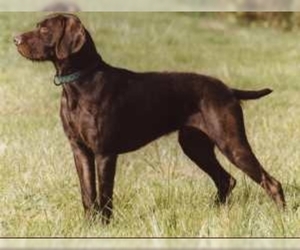
Pudel Pointer
A.K.A. : German Water Dog, Pudelpointer, Water Pointer
Quick navigation
All about Pudel Pointer dog breed
A.K.A. :German Water Dog, Pudelpointer, Water Pointer
Size
Grooming requirements
Exercise requirements
Good with other dogs
Watchdog ability
Energetic
Training requirements
Playful
Affectionate
Good with other pets
Good with children
Good with strangers
Winter
Summer
Healthiness
Protective
Life Span
| Breed Type | Pure Breed |
| Browse by Name | Starting with 'P' |
| Breeds by Group | Gun Dog Sporting |
| Breeds by Trait | Fast Dog Breeds Good With Kids High Stamina Dog Breeds |
| Overview: | The Pudel Pointer is a versatile and intelligent hunting dog, originating in Germany during the late 19th century through the careful cross-breeding of English Pointers and various Poodles. This medium-to-large breed boasts a distinctive dense, wiry, and water-resistant coat, typically in liver, black, or roan, which offers excellent protection in diverse terrains. Physically, they are robust and athletic, with a keen, alert expression. Temperamentally, Pudel Pointers are known for their calm yet energetic disposition, displaying a strong drive to work combined with an affectionate nature towards their families. They are highly trainable and eager to please, making them excellent companions for active individuals or families who can provide ample exercise and mental stimulation. While their moderate size might suggest apartment living is possible, their high energy levels and need for space make them much more suited to homes with secure yards. Generally a healthy breed, potential owners should be aware of possible predispositions to hip and elbow dysplasia, as well as certain eye conditions, which responsible breeders screen for. Their devotion and eagerness to participate in activities make them a rewarding addition to the right household. |
F.A.Q.
All you need to know about Pudel Pointer breed
All You Need to Know About the Pudel Pointer Breed
The Pudel Pointer is a versatile German gundog, originating from a cross between a Poodle and an English Pointer, designed for exceptional hunting prowess. Known for their intelligent and devoted temperament, these dogs are highly trainable and form strong bonds with their families, making them excellent companions. Physically, they boast a distinctive wiry, coarse coat that is low-shedding and comes in shades of brown, black, or dead leaf, requiring moderate weekly brushing. They are medium to large-sized, robust dogs. While excellent family dogs, their high energy levels demand significant daily exercise, making them less suitable for apartment living unless owners are committed to extensive outdoor activities. Pudel Pointers thrive in active homes where they can utilize their keen intelligence and strong prey drive. Common health considerations are generally few, but reputable breeders screen for hip and elbow dysplasia.What Is the Average Weight of Pudel Pointer in Pounds?
The average Pudel Pointer weight for adults is between 45-70 pounds. Males typically weigh 55-70 pounds, while females are slightly lighter at 45-60 pounds. Maintaining a healthy weight for Pudel Pointer is crucial for their well-being. This average size provides a good general guideline for the breed.
What Is the Typical Height of Pudel Pointer in Inches?
Pudel Pointer Height: What to Expect for This Versatile Breed
When considering a Pudel Pointer, understanding their typical size is an important factor. So, how tall is a Pudel Pointer?The average height of a Pudel Pointer, measured at the shoulder (withers), falls within a range that makes them a medium to large-sized dog. On average, you can expect an adult Pudel Pointer to stand between 23 and 26 inches tall.While this is the general guideline for Pudel Pointer height, there can be slight variations:- Gender Differences: Male Pudel Pointers typically trend towards the higher end of this range, often being a bit taller and more substantially built than females. Females are usually found in the lower to mid-range of the average height.
- Individual Genetics & Lineage: As with any breed, individual genetics play a role. Some Pudel Pointers may be slightly smaller or larger than the average, depending on their specific lineage and parental genetics. Reputable breeders strive to adhere to the breed standard, which includes size, but minor variations are normal.
- Growth and Development: Keep in mind that puppies will grow considerably! This average size refers to a fully mature adult Pudel Pointer, typically reached between 18 months and 2 years of age.
What Coat Colors Are Typical for the Pudel Pointer breed?
The Pudel Pointer primarily comes in brown, a range of dead leaf shades (varying from reddish-brown to a more muted, darker brown), and black. These are the AKC recognized Pudel Pointer colors and are most commonly seen. While there are no officially recognized rare or exotic variations like blue, lilac, merle, or chocolate within major kennel club standards for the Pudel Pointer, occasional genetic anomalies or crossbreeding could potentially lead to unusual coat colors. However, these would not be accepted as standard for the breed and might indicate a lack of purebred lineage. For Pudel Pointer colors suitable for show or breeding, focus on the accepted brown, dead leaf, and black.
What is the typical personality of Pudel Pointer?
The Pudel Pointer personality is characterized by its intelligence, eagerness to please, and unwavering loyalty. This breed is known for being friendly and sociable, forming strong bonds with its family. They are generally good with children, especially when raised together, and can coexist peacefully with other pets given proper introductions and socialization. Their adaptable nature means they can adjust to various living situations, though their high energy levels and need for regular exercise make them less suited for exclusive apartment living unless their owners are committed to extensive daily outdoor activity. The temperament of Pudel Pointer is active and curious, thriving on mental and physical stimulation. They are not prone to aggression and are typically calm indoors after sufficient exercise. Potential adopters will find them to be devoted companions with a strong work ethic.
What is the typical temperament of Pudel Pointer?
The Pudel Pointer temperament is generally described as intelligent, eager to please, and energetic. They are known for being very loyal and affectionate with their families, making them excellent companion dogs. Pudel Pointers are typically friendly and sociable, enjoying interaction with people and often getting along well with respectful children. Early socialization is key for positive interactions with other pets, though their hunting instincts may require careful management around smaller animals. While highly adaptable to various living situations, their high energy levels mean apartment living is not ideal without significant daily exercise; a home with a yard is preferred. They are intelligent and trainable, but can exhibit a moderate degree of stubbornness, requiring consistent and positive reinforcement methods. They are not overly sensitive but respond best to gentle handling and clear commands. Overall, they are devoted, active, and versatile dogs that thrive on being part of their family's activities.
What Are the Care Requirements for the Pudel Pointer breed?
Pudel Pointer Care: Essential Daily Maintenance & Health TipsCaring for a Pudel Pointer involves understanding their specific needs for a happy, healthy life. Pudel Pointer care focuses on regular grooming, appropriate exercise, a balanced diet, and preventive health measures.Grooming Needs: This breed requires moderate grooming. Their dense, wiry coat needs brushing 2-3 times a week to prevent matting and remove loose hair. Stripping or hand-stripping may be necessary a few times a year to maintain coat texture and shed dead hair, especially if the dog is actively working. Regular nail trims are essential to prevent overgrowth and discomfort.Exercise Limitations: Pudel Pointers are an active, energetic breed with a high prey drive. They are NOT a low-energy dog breed. They require significant daily exercise, at least 1-2 hours of vigorous activity, such as running, swimming, or challenging retrieves. Mental stimulation through training and puzzle toys is also crucial to prevent boredom and destructive behaviors. This breed is not suitable for apartment living without ample outdoor access and dedicated exercise time.Dietary Considerations: A high-quality, protein-rich dog food appropriate for their activity level and life stage is vital. Monitor calorie intake to prevent obesity, a common health concern in many breeds. Consult your veterinarian for specific dietary recommendations.Wrinkle and Ear Cleaning: While not a brachycephalic breed, regular ear cleaning is crucial for Pudel Pointers, especially for those active in water or fields, to prevent infections. Check ears weekly for redness, odor, or discharge, and clean with a vet-approved solution.Climate Sensitivity (Brachycephalic Anatomy): Pudel Pointers are NOT a brachycephalic breed and therefore do not suffer from the extreme climate sensitivities associated with flat-faced dogs. However, their dense coat means they can overheat in extreme summer heat and may need extra precautions during strenuous exercise in hot weather. Conversely, their double coat provides good insulation in colder climates.Common Health Concerns & Health Tips for Pudel Pointer: This robust breed is generally healthy, but potential owners should be aware of certain predispositions. Skin issues can sometimes arise, often linked to allergies or improper grooming. Dental care is paramount; daily brushing or dental chews help prevent periodontal disease. Weight management is crucial to avoid issues like hip and elbow dysplasia, which can be exacerbated by excess weight. Responsible breeders screen for conditions like hip and elbow dysplasia and certain eye conditions. Regular veterinary check-ups are key to early detection and prevention of health problems.Understanding how to care for a Pudel Pointer means providing consistent training, ample exercise, a nutritious diet, and loving attention to ensure a well-adjusted and healthy companion.
How active are Pudel Pointer, and what kind of exercise do they need?
The Pudel Pointer activity level is generally moderate to high. These dogs possess a balanced energy that allows for both enthusiastic play and relaxed downtime. They typically need at least 60-90 minutes of vigorous exercise daily, which can include long walks, running, hiking, or swimming. Pudel Pointers thrive on mental stimulation as much as physical activity, so activities like scent work, retrieve games, or advanced obedience training are highly beneficial. They are known for their playful nature and enjoy engaging in fetch, chasing toys, and interacting with their family.
It's important to note that while Pudel Pointers are active, they are not brachycephalic (short-nosed) and therefore do not have the same exercise limitations as breeds like Pugs or Bulldogs. Their well-proportioned snouts allow for efficient breathing during activity. They do, however, balance short bursts of high energy with significant periods of rest, especially after adequate exercise. This means they are not perpetually "on the go" indoors if their outdoor needs are met.How active are Pudel Pointer? They are ideal for active families or individuals who enjoy outdoor activities and can dedicate time to their dog's exercise and training needs. They are generally not suitable for low-energy households or those living in small apartments without easy access to outdoor space, as insufficient exercise can lead to boredom and destructive behaviors. Providing consistent physical and mental engagement is key to a happy and well-adjusted Pudel Pointer.What are common health issues in Pudel Pointer?
Pudel Pointer health problems are generally moderate, as this German hunting breed is considered robust, but adopters should still be aware of common Pudel Pointer medical issues such as hip dysplasia, elbow dysplasia, spinal strain, skin allergies, and heat sensitivity. While not typically brachycephalic, brachycephalic dog care concerns like Brachycephalic Obstructive Airway Syndrome (BOAS) may occasionally be relevant in individuals with shorter muzzles. Their anatomy—a medium-sized, athletic frame with a deep chest, wire-haired double coat, and strong legs—can predispose them to orthopedic problems if overweight, gastric torsion (bloat) due to chest shape, and overheating in hot climates because of their dense coat. Their ears and coat may also trap moisture, increasing the risk of infections if grooming is neglected.
To understand how to keep Pudel Pointer healthy, owners should maintain a lean body weight to reduce strain on hips and spine, provide regular but moderate exercise suited to their hunting stamina, and avoid strenuous activity in hot weather. Grooming routines should include brushing to manage shedding and prevent skin irritation, ear cleaning to reduce infection risk, and dental care to prevent periodontal disease. Allergy management may require dietary adjustments or veterinary guidance, while routine veterinary checkups are essential for monitoring orthopedic health, spinal stability, and eye conditions such as cataracts or progressive retinal atrophy (PRA).
In addition to these concerns, Pudelpointers may inherit breed-specific risks such as hypothyroidism, epilepsy, and certain eye disorders. Preventive screenings, responsible breeding, and consistent veterinary monitoring are key to minimizing these risks and supporting long-term wellness. With proactive care, adopters and buyers can ensure this loyal, intelligent, and versatile hunting dog remains strong, healthy, and happy throughout its life.
To understand how to keep Pudel Pointer healthy, owners should maintain a lean body weight to reduce strain on hips and spine, provide regular but moderate exercise suited to their hunting stamina, and avoid strenuous activity in hot weather. Grooming routines should include brushing to manage shedding and prevent skin irritation, ear cleaning to reduce infection risk, and dental care to prevent periodontal disease. Allergy management may require dietary adjustments or veterinary guidance, while routine veterinary checkups are essential for monitoring orthopedic health, spinal stability, and eye conditions such as cataracts or progressive retinal atrophy (PRA).
In addition to these concerns, Pudelpointers may inherit breed-specific risks such as hypothyroidism, epilepsy, and certain eye disorders. Preventive screenings, responsible breeding, and consistent veterinary monitoring are key to minimizing these risks and supporting long-term wellness. With proactive care, adopters and buyers can ensure this loyal, intelligent, and versatile hunting dog remains strong, healthy, and happy throughout its life.
Breed Breakdown: What Experts Say About the Pudel Pointer
What is the typical size of Pudel Pointer, and how does it compare to other breeds in terms of suitability for apartment living and travel?
I'd rate the "Size" trait of the Pudel Pointer a 7.The Pudel Pointer is a medium to large-sized dog. Males typically stand between 23.5 to 26 inches (60-66 cm) at the shoulder and weigh 60 to 70 pounds (27-32 kg), while females are slightly smaller. Their body structure is athletic, muscular, and robust, built for endurance and working in varied terrains. When compared to common companion dogs, they are significantly larger than breeds like Beagles, Cocker Spaniels, or French Bulldogs, and comparable to or slightly larger than breeds such as Labs or Golden Retrievers. This makes them less ideal for true apartment living unless the owner is committed to substantial daily exercise and outdoor activity. While they can travel, their size will necessitate a larger vehicle and potentially more restrictive airline policies. They are best suited for households with ample space, a yard, and an active lifestyle that can accommodate their physical demands.
What are the grooming requirements for Pudel Pointer, and how do their coat type and skin features affect overall maintenance?
I would rate the grooming requirements of the Pudelpointer a 6 out of 10.While not a super high-maintenance breed, they aren't truly wash-and-go either. Their dense, wiry coat is designed for rugged outdoor work, which means it requires regular attention to prevent matting and to remove debris. They are moderate to low-shedders, but weekly brushing is essential to keep their coat healthy and to minimize loose hair. They'll also benefit from occasional hand-stripping, perhaps a few times a year, to maintain the coat's wiry texture and promote new growth, which can be done professionally or learned by the owner. Ear cleaning is important due to their drop ears, which can trap moisture, making them prone to infections. Nail trimming should be done regularly, as with any active dog. They don't typically have skin folds, but their active lifestyle means they can get dirty and require bathing as needed. While generally robust, like any breed, they can be susceptible to allergies or skin issues, but it's not a defining characteristic of their grooming needs. Overall, they are easier to care for than breeds with very long or curly coats that require daily brushing or extensive professional grooming, but they certainly demand more than a short-haired, low-shedding breed.
What are the exercise requirements for Pudel Pointer, and how do their energy levels affect daily activity and health?
I would rate the Exercise Requirements of the Pudel Pointer at a 9 out of 10.This breed possesses extremely high physical demands and thrives with structured, vigorous routines. Their inherent energy levels are substantial, bred as they were for demanding hunting roles that require endurance and sustained movement over varied terrains. They are not a breed that can tolerate minimal activity; rather, they require significant daily exercise to stay healthy, prevent boredom, and avoid destructive behaviors that can arise from pent-up energy. Daily activity recommendations typically include multiple long walks, runs, or hikes, often totaling several hours, alongside dedicated playtime and mental stimulation through training. They excel in activities like retrieving, swimming, agility, and field work, which tap into their natural instincts and athletic capabilities. While they don't suffer from respiratory limitations due to brachycephalic anatomy, allowing them to participate in high-intensity exercise without undue risk, their drive for activity is almost unparalleled. To remain mentally stimulated, they also benefit greatly from activities that engage their intelligence and problem-solving skills, in addition to purely physical exertion.
How effective is Pudel Pointer as a watchdog, and what kind of alert or protective behavior can owners expect?
I would rate the Pudelpointer's "Watchdog Ability" at a 6 out of 10.While not overtly aggressive or a dedicated guard dog, the Pudelpointer possesses a good level of alertness and awareness of its surroundings. They are known to be attentive to unfamiliar sounds and people, often responding with a vocal warning (barking) to signal the presence of something out of the ordinary. Their strong bond with their family and territorial instincts, while not extreme, would likely prompt them to raise an alarm if they perceive a threat to their home or loved ones. This makes them capable of providing meaningful early warnings in a home environment, rather than being a purely passive companion. However, their primary purpose is that of a hunting dog, and their protective instincts are more geared towards alerting than actively deterring or engaging with an intruder, placing them in the moderate range of watchdog effectiveness.
How well does the Pudel Pointer get along with other dogs, and what role does socialization play in their behavior?
I'd rate the "Good with Other Dogs" trait of the Pudelpointer a 7 out of 10.Pudelpointers are generally well-balanced and intelligent dogs, and with proper socialization from a young age, they tend to be quite amiable with other canines. Their hunting background often means they are more focused on their human companion or a task, rather than being inherently dog-aggressive. They are typically tolerant of dogs of different sizes and energy levels, and their calm demeanor usually allows them to adapt well to multi-dog households.However, a 7 acknowledges that they are not inherently the most effusive or indiscriminately friendly with all dogs, like some pure companion breeds might be. Their strong prey drive, while usually directed at game, means that uncontrolled interactions with very small, prey-like dogs could potentially be an issue without good training and supervision. Furthermore, while not typically dominant, their intelligence and strong will mean they might not back down from another dog challenging them. They thrive in canine company when properly introduced and given the opportunity to socialize, and while they don't require overly delicate introductions, they benefit greatly from structured exposure and training to ensure peaceful coexistence, rather than being a breed that simply "gets along" with any dog without effort.
What is the typical energy level of a Pudel Pointer, and how does it affect their playtime, exercise needs, and suitability for indoor living?
I'd rate the "Energetic" trait of the Pudel Pointer at an 8 out of 10.The Pudel Pointer is a highly active and robust hunting dog, bred for endurance and a strong work ethic. Their typical activity level is very high, requiring significant daily exercise to be content. They possess excellent stamina and can participate in outdoor and athletic activities for extended periods, excelling in field work, hiking, swimming, and various canine sports. Their playfulness is also notable, enjoying interactive games and challenges. This breed is naturally very active and far from laid-back compared to most companion dogs, needing consistent physical and mental stimulation to prevent boredom and destructive behaviors. While "Pudel Pointer" might sound like a combination of breeds, it's important to clarify that this is a specific, established breed and not a brachycephalic breed. They have a standard muzzle length, which means their anatomy does not negatively affect their stamina or exercise tolerance. In fact, their strong respiratory system is a key asset for their demanding tasks.
How easy is it to train a Pudel Pointer, and what kind of consistency and techniques work best for this breed?
I'd rate the Pudel Pointer's "Training Requirements" a 7 out of 10.While highly intelligent and eager to please their owners, the Pudel Pointer is not a "plug and play" beginner-friendly dog. Their strong hunting instincts and high energy levels mean they require a significant investment in consistent and structured training from an early age. They are highly responsive to commands when properly motivated, but their intelligent nature can also translate to a certain level of stubbornness if they don't see the "why" behind a command or if training becomes repetitive and boring. Their attention span is good for focused tasks, but without clear direction, they can easily become distracted by scents and sights. Positive reinforcement is incredibly effective, as they thrive on praise and rewards, but it needs to be delivered consistently and enthusiastically. This breed demands an experienced handler or a very dedicated and well-researched novice willing to commit to daily training sessions, ongoing mental stimulation, and a structured routine to channel their drive and prevent undesirable behaviors. They are fantastic dogs for those who understand and can meet their needs, but they are not a good fit for someone looking for a low-maintenance training experience.
How playful is the Pudel Pointer, and what makes them such an energetic companion?
I would rate the Pudelpointer's "Playful" trait as an 8 out of 10.The Pudelpointer is a naturally spirited and enthusiastic breed, definitely not laid-back when it comes to interaction and activity. They possess a high typical activity level, stemming from their hunting heritage, which translates into a strong love for games and physical interaction. They respond to toys and playtime with remarkable enthusiasm, often eager to engage in fetch, retrieve, or any activity that allows them to use their intellect and physical prowess. While they aren't overly attention-seeking in an obnoxious way, they thrive on being included in family activities and will readily initiate play with a nudge of their nose or a wag of their tail. Their overall enthusiasm in daily life is palpable, making them a fun-loving companion who enjoys being on the go and participating in adventures. They are generally more energetic and interactive than many other companion breeds, requiring a dedicated owner who can match their zest for life.
How affectionate is the Pudel Pointer, and what kind of companionship and emotional bonding can owners expect?
I would rate the Affectionate trait of the Pudel Pointer a 9 out of 10.The Pudel Pointer is renowned for its deep bond with its human family, thriving on companionship and interaction. They exhibit a strong desire to be involved in household activities, often following family members from room to room. Their loyalty is unwavering, and they are highly sensitive to their owner's emotions, often offering comfort when sensing distress. While not overly clingy in a demanding way, they genuinely enjoy physical closeness, whether it's a gentle lean, a head resting on a lap, or even a good cuddle session. They are bred to be attentive partners in the field, and this attentiveness readily translates into devotion within the home. Compared to many companion dogs, they are exceptionally people-oriented and truly flourish when given ample affection and inclusion in family life.
How well does the Pudel Pointer get along with other pets, and what factors influence their compatibility in multi-pet households?
I would rate the "Good with Other Pets" trait of the Pudel Pointer at a 7 out of 10.Pudel Pointers are generally quite adaptable and, with proper socialization, can integrate well into multi-pet households. Their typical behavior around other dogs is often amicable, especially if introduced early and managed with positive reinforcement. While they possess a hunting background and therefore a moderate prey drive, it's usually not excessively high compared to some other pointing breeds. This means that while a small, fast-moving cat might trigger an initial chase instinct, many Pudel Pointers can learn to coexist peacefully with felines, particularly if raised with them. Resource guarding tendencies are not inherently strong in the breed, though like any dog, individual training and management are crucial to prevent such behaviors from developing. They are intelligent and eager to please, which makes them receptive to training aimed at polite interactions with other animals. While they aren't naturally "goofily" sociable with every creature they meet without any effort, they are far from aggressive or inherently incompatible. They thrive on companionship, and with consistent training and supervision, they can absolutely be extremely pet-friendly, making them a good choice for active families with other well-behaved animals.
Is the Pudel Pointer good with children, and what makes them a suitable companion for family life?
The Pudel Pointer rates a strong 8 out of 10 for being "Good with Children."This breed typically possesses a very suitable temperament for families with kids. Their inherent calm and patient nature, combined with a playful spirit, makes them excellent companions. They are generally tolerant of the noise and sometimes clumsy handling that comes with children, and their desire to be part of the family extends to gentle interactions with younger members. While naturally gentle and affectionate, like any intelligent and energetic breed, consistent training and early socialization are beneficial to ensure they thrive in a bustling family setting and learn appropriate boundaries. Their protective instincts are usually expressed as watchful guardianship rather than aggression, making them reliable family members who enjoy engaging in activities with children of various ages.
Is the Pudel Pointer good with strangers, and how do they typically behave around new people?
The Pudelpointer breed rates a 7 out of 10 for "Good with Strangers." This breed is generally considered naturally sociable and friendly, especially when properly socialized from a young age. They are typically welcoming towards unfamiliar adults and adapt well to public or guest-filled environments without excessive reservation. While not usually prone to aggressive guarding, their inherent desire to protect their family can manifest as initial caution or a watchful demeanor around strangers, which often quickly dissipates once they perceive no threat. They are intelligent and eager to please, meaning any initial reservedness can usually be overcome with positive experiences and consistent training, further reinforcing their natural tendency towards friendliness.
How well does the Pudel Pointer tolerate cold weather, and what precautions are needed during winter months?
I would rate the Pudelpointer's winter tolerance at a 7.This breed generally exhibits good cold-weather resilience, stemming from its heritage as a versatile hunting dog. Their dense, wiry, double coat provides substantial insulation against cold and wet conditions, while their athletic build and moderate body fat help them maintain body heat during activity. Being a medium-to-large sized dog further contributes to their ability to withstand colder temperatures compared to smaller breeds. They are not brachycephalic, which eliminates the respiratory difficulties that can worsen in cold weather for some breeds.However, a rating of 7, rather than a higher number, acknowledges that they are not arctic breeds. While they can safely and happily enjoy outdoor activities in cold climates, extremely frigid temperatures (e.g., well below freezing for extended periods) or prolonged inactivity in such conditions could still pose a risk of hypothermia. They may not require special care during typical winter months compared to many short-coated companion dogs, but in severe winter conditions, owners should still be mindful of their exposure, provide adequate shelter, and avoid leaving them outdoors unsupervised for prolonged periods. Their "winter" tolerance is excellent for most temperate and moderately cold climates, but not for extreme arctic conditions without additional precautions.
How well does the Pudel Pointer tolerate hot weather, and what precautions should owners take during summer months?
The Pudelpointer would rate around a 6 for summer tolerance.While not extremely sensitive, they are not naturally built for intense heat due to their dense, wiry coat and the potential for a more moderate muzzle length, depending on the individual and lineage. They can regulate their body temperature fairly well, but their athleticism means they are prone to overheating if overexercised in high temperatures. Their risk of heatstroke is moderate; not as high as a brachycephalic breed, but higher than a short-coated, slender dog. Recommended outdoor activity levels should be significantly reduced during the hottest parts of the day, with early morning or late evening walks preferred. They would definitely benefit from access to climate control (air conditioning) during hot weather, or at least a cool, shaded environment with plenty of fresh water. Compared to other companion dogs, they do require special care in summer months, primarily through vigilant monitoring for signs of overheating, restricted strenuous activity during peak heat, and ensuring ample access to cooling measures like shade and water. They are not a "set it and forget it" breed in the summer and require an owner to be mindful of their comfort and safety.
What are the common health concerns for the Pudel Pointer, and how much care and medical attention does this breed typically require?
I would rate the Pudel Pointer's "Healthiness" trait as an 8 out of 10.The Pudel Pointer is generally considered a robust and healthy breed, benefiting from its diverse genetic heritage. As a hunting dog, it was bred for endurance and resilience, rather than solely for appearance, which often leads to fewer exaggerated features that can cause health problems. They typically have a good life expectancy of 12-14 years. While no breed is entirely free from potential issues, Pudel Pointers are not known for a high incidence of breed-specific ailments like severe breathing difficulties or widespread structural problems. Like many active large breeds, they can be susceptible to hip and elbow dysplasia, and bloat (gastric torsion), but responsible breeders diligently screen their breeding stock to minimize these risks. Eye conditions can also occur, though less commonly. They are generally not considered high-maintenance in terms of health compared to many other companion breeds, requiring standard veterinary care and a healthy diet and exercise to thrive. Their short, dense coat is also relatively low-maintenance, reducing the likelihood of chronic skin issues often seen in breeds with more complex coats. Overall, with responsible breeding practices and attentive owner care, the Pudel Pointer typically enjoys a very healthy and active life.
How protective is the Pudel Pointer, and what kind of watchdog or guard dog behavior can owners expect?
I'd rate the "Protective" trait of the Pudel Pointer a 6 out of 10.While not inherently aggressive or primarily bred for guard duty, the Pudel Pointer possesses a strong sense of loyalty to its family and a natural alertness that makes it an excellent watchdog. Their keen senses and intelligent nature mean they are quick to notice anything out of the ordinary and will typically vocalize their concerns with barking, effectively alerting their owners to potential threats or the presence of strangers. They are generally reserved with unfamiliar people, preferring to observe from a distance before warming up. However, their protective instincts are more geared towards warning and deterring rather than engaging in a confrontation. They are primarily companion dogs and hunting partners, and while they would certainly stand by their family, they are not a breed that would be considered a formidable guard dog capable of offering meaningful physical protection in the same way a dedicated protection breed might. Their protective nature stems from their devotion and vigilance, making them a reliable household alarm system rather than a personal bodyguard.
What is the average lifespan of a Pudel Pointer, and what health factors influence their longevity?
I'd rate the "Life Span" trait of the Pudel Pointer breed a 7 out of 10.Pudel Pointers are generally considered a long-lived breed compared to many other companion dogs. Their average life expectancy typically falls within the 10 to 14-year range, and it's not uncommon for well-cared-for individuals to live even longer. This favorable lifespan is largely attributed to their hybrid vigor, combining the robust health of the Poodle and the Pointer, both of which are generally healthy breeds. While they can be predisposed to some conditions common in their parent breeds, such as hip and elbow dysplasia, and certain eye conditions, these issues are often manageable with responsible breeding practices that screen for these genetic predispositions. Dedicated owners providing a balanced diet, regular exercise, and preventative veterinary care further contribute to their longevity. They don't typically suffer from the extreme health issues or shortened lifespans seen in some heavily inbred or giant breeds.
Pudel Pointer Dogs for adoptionSee all dogs for adoption
Pudel Pointer BreedersSee all breeders
Similar Dog Breeds for Pudel Pointer
Quick Breed Selector 0 - not important, 1 - smallest, 10 - largest
Variants & Mistakes :Poodle Pointer, Poodlepointer, Pudelpoiner, Poodel Pointer, Pudel Pointeer, Poodelpoiner, Pudle Pointer, Pudel Pointerr, Pudel Poinnter, Poodle Poiner, Pudle Poiner, Poodl Pointer, Pudl Pointer, Poodlpoiner, Pudlpoiner, Poodle Pinter, Pudel Pinter, Poodel Pinter, Pudel Poinetr, Poodle Poinetr, Poodel Poinetr, Poodle Pintar, Pudel Pintar, Poodel Pintar, Pudel Pointter, Poodle Pointter, Poodel Pointter, Poodle Poiter, Pudel Poiter, Poodel Poiter, Pudle Pointerr, Poodle Pointerr, Poodel Pointerr, Pudel Pointaer, Poodle Pointaer, Poodel Pointaer, Poodle Poiunter, Pudel Poiunter, Poodel Poiunter, Poodle Poiinter, Pudel Poiinter, Poodel Poiinter, Poodle Ponter, Pudel Ponter, Poodel Ponter, Poodell Pointer, Pudell Pointer, Poodellpoiner, Pudellpoiner, Poodel Poiinterr