Quick navigation
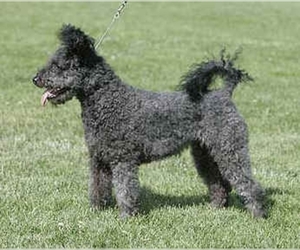
All about Pumi dog breed
A.K.A. :Hungarian Pumi, Magyar Pumi, Pumi Dog, Pumi Herd Dog
Size
Grooming requirements
Exercise requirements
Good with other dogs
Watchdog ability
Energetic
Training requirements
Playful
Affectionate
Good with other pets
Good with children
Good with strangers
Winter
Summer
Healthiness
Protective
Life Span
| Breed Type | Pure Breed |
| Browse by Name | Starting with 'P' |
| Breeds by Group | Herding |
| Breeds by Trait | Good With Kids High Stamina Dog Breeds Hypoallergenic Low Shedding Smartest Dog Breeds |
| Overview: | The Pumi is a lively and intelligent herding breed originating from Hungary, known for its distinctive curly coat and spirited personality. These medium-sized dogs typically weigh between 22-33 pounds and stand 15-18 inches tall, boasting an alert expression with erect ears and a tail that curls over their back. Their unique coat, a mix of wavy and curly hair, is hypoallergenic and requires regular grooming to prevent matting. Temperamentally, Pumis are energetic, playful, and highly trainable, making them excellent companions for active individuals or families who can provide ample physical and mental stimulation. While adaptable, their high energy levels mean they are generally not ideal for apartment living unless given significant daily exercise. Socialization from a young age is crucial to ensure they are well-adjusted. Overall, the Pumi is a charming and devoted breed, thriving in environments where they can be an integral part of family life and have opportunities to express their natural herding instincts. |
F.A.Q.
All you need to know about Pumi breed
All You Need to Know About the Pumi Breed
Originating in Hungary, the Pumi is an intelligent, energetic, and highly versatile herding dog, recognized by its distinctive corkscrew coat and erect ears. Known for their lively and agile nature, Pumis are excellent companions for active individuals or families seeking a spirited partner. They are generally good with children and other pets, provided they are properly socialized from a young age. While adaptable, their intelligence and energy mean they thrive with consistent training and ample exercise, making them less suited for prolonged apartment living without dedicated outdoor activity. Their unique coat requires regular brushing, typically a couple of times a week, to prevent matting. Generally a healthy breed, potential owners should be aware of common canine health screenings. A wonderful, loyal, and playful addition to the right home, the Pumi offers boundless enthusiasm and companionship.What Is the Average Weight of Pumi in Pounds?
Pumi Weight: Average Size & Healthy RangeThe average healthy weight for an adult Pumi is between 22-29 pounds.While there can be some overlap, male Pumi generally weigh slightly more than females:* Males: Typically 27-29 pounds* Females: Typically 22-26 poundsThis range represents the ideal Pumi weight for a well-built, active dog of the breed. Maintaining a healthy weight for Pumi is crucial for their overall well-being and agility.
What Is the Typical Height of Pumi in Inches?
How tall is a Pumi? The average Pumi height in inches.The average Pumi height for an adult dog, measured at the shoulder, typically falls between 15 to 18.5 inches. This makes them a medium-sized breed, perfectly suited for active families.While there isn't a significant difference in Pumi height based on gender, males generally tend to be at the upper end of this range, perhaps reaching 17 to 18.5 inches, while females often range from 15 to 17.5 inches. However, individual genetics play a large role, so you might find some males on the smaller side and some females a bit taller.When considering how tall is a Pumi, remember that these are general guidelines. A healthy Pumi within this average size range will be well-proportioned and agile. If you're looking for a Pumi, discussing the parents' heights with a reputable breeder can give you a good indication of your future puppy's potential adult Pumi height.
What Coat Colors Are Typical for the Pumi breed?
The Pumi breed primarily comes in black, gray (in various shades), fawn (ranging from cream to red), and white. These are the AKC recognized Pumi colors and are most commonly seen. Gray Pumi puppies are typically born black and lighten with age.While the aforementioned are the standard and most widely accepted Pumi colors, some rare coat types and exotic Pumi variations can occur due to recessive genes or crossbreeding, though they are not recognized by major kennel clubs like the AKC. These might include blue, lilac, chocolate, or even merle patterns. Potential adopters should be aware that Pumis with these unaccepted colors may not meet breed standards for conformation showing and may sometimes indicate genetic health issues if not carefully bred. Focusing on AKC recognized Pumi colors ensures adherence to breed standards and typical breed characteristics.
What is the typical personality of Pumi?
The Pumi boasts a lively and intelligent personality, making them a captivating companion. This temperament of Pumi is characterized by their alertness and quick wit, inherited from their herding background. They are generally friendly with their families, displaying immense loyalty and a desire to be involved in all activities. While not overly demonstrative, their affection is deep-seated, forming strong bonds. Pumi personality shines in their sociability with known individuals and other dogs, though they possess a natural wariness towards strangers. Early socialization is key to ensuring a well-adjusted and confident Pumi.With children, a well-socialized Pumi can be a wonderful playmate, enjoying active games and demonstrating patience. However, as with any breed, supervision is always recommended, especially with very young children, due to their herding instincts which might manifest as gentle nipping. When it comes to other pets, particularly cats, early introduction and positive reinforcement are crucial for a harmonious household. Pumi can generally coexist peacefully with other dogs.While they are energetic and require daily exercise to prevent boredom and destructive behaviors, Pumi are surprisingly adaptable to apartment living if their mental and physical needs are met. They thrive on mental stimulation and enjoy learning new commands and tricks. A Pumi who isn't sufficiently engaged can become vocal or destructive. Overall, the Pumi is a charming, active, and devoted companion for the right owner who appreciates their unique blend of intelligence and spirited enthusiasm.
What is the typical temperament of Pumi?
Pumi Temperament & Personality TraitsThe Pumi temperament is generally described as lively, intelligent, and highly energetic, making them a captivating companion dog behavior. They are typically very friendly and outgoing, readily forming strong bonds with their families. Pumis are highly loyal and protective, always eager to be involved in household activities. Their sociability extends well to people they know, though they can be reserved or alert around strangers, showcasing their natural herding instincts.Despite their energetic nature, Pumis can adapt to apartment living if provided with sufficient daily exercise and mental stimulation. They thrive on activity and can become bored or destructive if left idle for too long. With proper socialization from a young age, Pumis are generally good with children, often enjoying playful interactions. However, their herding instincts might lead them to "nip" at heels, so supervision with very young children is always recommended. They can coexist peacefully with other pets, especially if raised together, though their prey drive might surface with smaller, fast-moving animals.Pumis possess a strong will and can exhibit stubbornness if not properly trained with consistent, positive reinforcement. They are also quite sensitive and respond best to gentle, encouraging methods rather than harsh corrections. Early training and socialization are crucial to channeling their intelligence and energy into positive behaviors, ensuring they grow into well-adjusted, delightful companions.
What Are the Care Requirements for the Pumi breed?
Pumi Care: Daily Maintenance & Health TipsPumi care involves understanding their unique needs. This spirited Hungarian herding dog requires moderate grooming needs. Their distinctive corded or wavy coat needs weekly brushing to prevent matting and maintain its texture. Occasional professional grooming may be beneficial to keep the coat tidy and manage shedding.Exercise for Pumi is crucial; they are not a low-energy dog breed. Expect daily vigorous activity, including walks, playtime, and mental stimulation. Their intelligence and agility make them excellent candidates for dog sports like agility and herding trials.Dietary considerations for Pumi are similar to other active breeds. A high-quality, balanced diet appropriate for their age, size, and activity level is essential. Monitor their weight closely to prevent obesity, a common health concern.Pumis typically don't have wrinkles, but regular ear cleaning for Pumi is important due to their drop ears, which can trap moisture and lead to infections. Check and clean them weekly with a vet-approved solution.Pumis are generally adaptable but, like all double-coated breeds, can be sensitive to extreme heat. Ensure they have access to shade and fresh water during warm weather.Common health concerns for Pumi include hip and elbow dysplasia, patellar luxation, and primary lens luxation. Skin issues for Pumi can occur, so monitor for any irritation or allergies. Regular dental care for Pumi is vital; brush their teeth several times a week to prevent periodontal disease. Routine veterinary check-ups are key for early detection and prevention of health problems. How to care for a Pumi effectively involves a commitment to their exercise, grooming, and health.
How active are Pumi, and what kind of exercise do they need?
Pumi activity level: Pumi are a moderately to highly active breed, requiring consistent engagement to thrive. They possess a surprising amount of energy for their size, balancing short bursts of intense play with periods of calm rest. This makes them suitable for active families and individuals who enjoy regular outdoor activities.
Pumi exercise needs: Expect to provide at least 60-90 minutes of vigorous exercise daily. This isn't just a walk around the block; it should include activities that engage both their body and mind. Think long, brisk walks, jogging, hiking, agility training, fetch, or playing with other dogs. Their herding instincts mean they enjoy having a job to do, and interactive play is crucial to prevent boredom and destructive behaviors.Playtime preferences: Pumi love to play! They excel at dog sports like agility, flyball, and obedience. They are also fond of puzzle toys, training sessions, and anything that challenges their intelligence. They particularly enjoy games that involve chasing and retrieving. Their playful nature means they will happily engage with their human companions for extended periods.Brachycephalic limitations: It's important to note that while Pumi have a "smooshed" face, they are not severely brachycephalic like some other breeds. Their brachycephalic anatomy is mild, meaning they generally do not suffer from severe breathing difficulties. However, owners should still be mindful of overheating in hot weather or during intense exercise. Always ensure access to fresh water and avoid strenuous activity during the hottest parts of the day. Monitor their breathing and stop if they show signs of distress. This mild brachycephaly does not significantly limit their overall activity level compared to severely brachycephalic breeds, but it's a factor to be aware of.How active are Pumi? Pumi are generally not suitable for low-energy households or those looking for a sedentary companion. While they appreciate cuddle time on the couch after a good play session, they will become restless and potentially destructive if their exercise and mental stimulation needs are not met. They thrive in environments where they are an integral part of an active lifestyle.What are common health issues in Pumi?
Pumi health problems are generally moderate, as this lively Hungarian herding breed is considered hardy, but adopters should still be aware of common Pumi medical issues such as hip dysplasia, patellar luxation, spinal strain, skin allergies, and heat sensitivity. While not typically brachycephalic, brachycephalic dog care concerns like Brachycephalic Obstructive Airway Syndrome (BOAS) may occasionally be relevant in individuals with shorter muzzles. Their anatomy—a compact, agile frame with a deep chest, semi-erect ears, and a curly double coat—can predispose them to orthopedic problems if overweight, gastric torsion (bloat) due to chest shape, and overheating in hot climates because of their dense fur. Their ears and coat may also trap moisture, increasing the risk of infections if grooming is neglected.
To understand how to keep Pumi healthy, owners should maintain a lean body weight to reduce strain on hips and spine, provide regular but moderate exercise suited to their herding stamina, and avoid strenuous activity in hot weather. Grooming routines should include brushing to prevent matting and skin irritation, ear cleaning to reduce infection risk, and dental care to prevent periodontal disease. Allergy management may require dietary adjustments or veterinary guidance, while routine veterinary checkups are essential for monitoring orthopedic health, spinal stability, and eye conditions such as progressive retinal atrophy (PRA).
In addition to these concerns, Pumis may inherit breed-specific risks such as degenerative myelopathy, epilepsy, and autoimmune thyroiditis. Preventive screenings, responsible breeding, and consistent veterinary monitoring are key to minimizing these risks and supporting long-term wellness. With proactive care, adopters and buyers can ensure this intelligent, energetic, and affectionate herding dog remains strong, healthy, and happy throughout its life.
To understand how to keep Pumi healthy, owners should maintain a lean body weight to reduce strain on hips and spine, provide regular but moderate exercise suited to their herding stamina, and avoid strenuous activity in hot weather. Grooming routines should include brushing to prevent matting and skin irritation, ear cleaning to reduce infection risk, and dental care to prevent periodontal disease. Allergy management may require dietary adjustments or veterinary guidance, while routine veterinary checkups are essential for monitoring orthopedic health, spinal stability, and eye conditions such as progressive retinal atrophy (PRA).
In addition to these concerns, Pumis may inherit breed-specific risks such as degenerative myelopathy, epilepsy, and autoimmune thyroiditis. Preventive screenings, responsible breeding, and consistent veterinary monitoring are key to minimizing these risks and supporting long-term wellness. With proactive care, adopters and buyers can ensure this intelligent, energetic, and affectionate herding dog remains strong, healthy, and happy throughout its life.
Breed Breakdown: What Experts Say About the Pumi
What is the typical size of Pumi, and how does it compare to other breeds in terms of suitability for apartment living and travel?
I would rate the Pumi's "Size" trait as a 4.While not tiny, the Pumi is a distinctly medium-small breed. They typically stand between 15 and 18.5 inches tall and weigh 22 to 33 pounds. Their body structure is lean and agile, built for active work rather than bulk. Compared to other companion dogs, they are noticeably smaller than Golden Retrievers or Boxers, but larger than Chihuahuas or Pomeranians. This puts them comfortably in the smaller half of the medium-sized spectrum. Their compact and athletic build makes them an excellent choice for apartment living, travel, and households with space constraints, provided their significant exercise needs are met. They can curl up on a small bed but also have enough presence to not be easily underfoot.
What are the grooming requirements for Pumi, and how do their coat type and skin features affect overall maintenance?
I'd rate the Pumi's grooming requirements as a 7/10.While not as demanding as some long-haired or heavily coated breeds, the Pumi's unique, corded-looking coat requires consistent and specialized attention to prevent matting and maintain its distinctive texture. Their non-shedding, wavy to curly coat needs to be brushed at least once a week, often more, with a slicker brush and then "pulled apart" or hand-stripped to prevent felting. If not properly maintained, the coat can quickly become a matted mess, necessitating professional grooming or even shaving. They don't shed much, which is a plus for allergy sufferers, but this also means the dead hair needs to be actively removed.Beyond the coat, they have average needs for other grooming aspects: nails should be trimmed regularly, ears checked and cleaned as needed (especially given their drop ears which can trap moisture), and teeth brushed. Bathing is typically required every few weeks to a month, depending on activity levels, and their dense coat takes a while to dry thoroughly. While not particularly prone to skin issues or allergies, their thick coat can hide problems if not regularly examined. Overall, they are not an "easy" breed to care for in terms of grooming and require a committed owner who is either willing to learn the specific grooming techniques or budget for regular professional grooming appointments.
What are the exercise requirements for Pumi, and how do their energy levels affect daily activity and health?
I would rate the Pumi's "Exercise Requirements" at an 8 out of 10.Pumis are high-energy dogs bred for herding, and they retain a strong drive to work and move. They are not suited for a sedentary lifestyle and will quickly become bored, destructive, and potentially anxious without adequate exercise. Daily activity recommendations for a Pumi are significant, often involving at least an hour to an hour and a half of dedicated, vigorous movement. Their energy levels are consistently high, and they possess excellent tolerance for sustained movement, happily engaging in long walks, runs, and demanding play sessions. Unlike some breeds, Pumis do not have respiratory limitations due to brachycephalic anatomy, allowing them to participate in more strenuous activities without concern. They excel in and thoroughly enjoy various types of exercise, thriving with challenging activities like agility, flyball, herding trials, and long hikes. While they appreciate playtime, they truly require structured routines that provide both physical exertion and mental stimulation. A Pumi will not thrive with minimal activity; rather, they demand consistent, engaging exercise to remain healthy, well-adjusted, and happy companions.
How effective is Pumi as a watchdog, and what kind of alert or protective behavior can owners expect?
Rating: 9/10The Pumi excels as a household watchdog, earning a high rating due to its inherent vigilance, strong territorial instincts, and vocal nature. This breed is incredibly alert, quick to pick up on any unfamiliar sounds or sights, and will readily announce the presence of strangers with enthusiastic barking. Their herding background contributes to a watchful demeanor, making them highly attuned to their surroundings. While not typically aggressive, their confident and persistent barking, coupled with a willingness to investigate, acts as a significant deterrent, providing meaningful early warnings for any potential intruders. They are far from a passive companion in this regard, actively participating in the home's security system.
How well does the Pumi get along with other dogs, and what role does socialization play in their behavior?
I would rate the "Good with Other Dogs" trait of the Pumi breed a 7 out of 10.Pumis, generally speaking, are not inherently dog-aggressive, and many individual Pumis can be quite playful and enjoy the company of other dogs, especially when properly socialized from a young age. Their herding background means they are often attuned to the presence of other animals and can be quite watchful. With their family, they are typically devoted and protective, but this protective instinct can extend to their perceived "pack" (including other household dogs) and their territory, potentially leading to a more reserved or even dominant posture with unfamiliar dogs if not managed. They are intelligent and responsive to training, which makes them adaptable.However, a Pumi's strong herding drive and high energy can manifest as an attempt to "herd" other dogs, which some dogs (particularly lower energy or more sensitive breeds) might find annoying or even perceive as an unwanted challenge. They have a lively and boisterous play style that might overwhelm smaller or more placid dogs. While they can thrive in multi-dog households, especially with dogs they've grown up with or been carefully introduced to, they do require thoughtful introductions and consistent socialization to ensure peaceful coexistence with new or unfamiliar dogs. They aren't typically "everyone's friend" like some retriever breeds; their dog-friendliness is often earned through proper introduction and respectful interaction, rather than being an automatic trait. They are less likely to initiate aggression but can stand their ground if challenged, particularly if they feel their space or family is threatened. Therefore, while good socialization can make them very compatible, their independent and watchful nature means it's not a guaranteed "walk in the park" without effort.
What is the typical energy level of a Pumi, and how does it affect their playtime, exercise needs, and suitability for indoor living?
I would rate the Pumi's "Energetic" trait as an 8 out of 10.The Pumi is a naturally active and lively breed, far from laid-back compared to most companion dogs. They possess a high drive and impressive endurance, traits honed by their history as herding dogs in the varied terrain of Hungary. This means they are inherently playful, always ready for action, and have a significant need for both physical and mental stimulation to prevent boredom and destructive behaviors. They excel in various canine sports such as agility, flyball, and obedience, and are fantastic companions for active owners who enjoy hiking, running, or long walks. Their energetic nature means they thrive on having a "job" to do, whether it's formal training or simply engaging in vigorous play sessions. While their somewhat brachycephalic anatomy, specifically their shorter muzzle, is present, it is not as extreme as in breeds like the Bulldog or Pug. Therefore, it does not typically hinder their stamina or exercise tolerance to a significant degree under normal conditions. They can participate in strenuous outdoor and athletic activities for extended periods, though like all dogs, owners should be mindful of extreme heat and humidity, as their respiratory system is not as efficient as a dolichocephalic (long-nosed) breed. Nonetheless, their inherent energy and capability for sustained activity firmly place them at the higher end of the energy scale.
How easy is it to train a Pumi, and what kind of consistency and techniques work best for this breed?
I'd rate the Pumi's "Training Requirements" a 7.While incredibly intelligent and quick to pick up new commands, Pumis are also known for their independent nature and can exhibit a mischievous stubbornness. Their high energy and keen herding instincts mean they require consistent mental stimulation and clear, firm boundaries. They respond very well to positive reinforcement and are eager to please their owners, but their attention can waver if training isn't engaging and varied. They are not typically a beginner-friendly breed; their sharp minds and independent streak often require an experienced handler who can provide structured routines, maintain consistency, and channel their considerable drive into productive activities rather than allowing them to develop their own, potentially less desirable, "jobs." Without adequate training and socialization, their protective instincts can become overbearing, and their vocal nature can become excessive.
How playful is the Pumi, and what makes them such an energetic companion?
I'd rate the Pumi's "Playful" trait a solid 9 out of 10.The Pumi is undeniably a naturally spirited breed, far from laid-back compared to many other companion dogs. They possess an incredibly high activity level, perpetually ready for an adventure or a game. Their love for games and interaction is boundless; they thrive on engaging with their human companions, whether it's a vigorous fetch session, a puzzle toy challenge, or even just a boisterous romp in the yard. This breed is quite attention-seeking when it comes to playtime, often initiating games with a nudge, a bark, or by bringing a toy. Their response to toys and playtime is enthusiastic and immediate, often accompanied by happy barks and playful nips. Their overall enthusiasm in daily life is infectious, and they approach most activities with a joyful, can-do attitude, always up for fun.
How affectionate is the Pumi, and what kind of companionship and emotional bonding can owners expect?
I would rate the Affectionate trait of the Pumi breed as an 8 out of 10.Pumis are generally quite people-oriented and devoted to their families, exhibiting a strong desire for human companionship. They often enjoy physical closeness, with many readily accepting and even initiating cuddles, though they might not be as constantly "in your lap" as some true velcro breeds. Their loyalty is undeniable, and they are known to be quite sensitive to their owner's emotions, often picking up on moods and responding accordingly. The "Pumi shadow" is a common phenomenon, as they tend to follow their family members from room to room, wanting to be part of the action. While they possess a working dog's independence in their intelligence and drive, they thrive on affection and positive interaction, making them significantly more people-dependent than many other independent working breeds, and truly considering themselves a core part of the human pack.
How well does the Pumi get along with other pets, and what factors influence their compatibility in multi-pet households?
I would rate the "Good with Other Pets" trait of the Pumi breed a 7 out of 10.Pumis are generally intelligent and adaptable dogs, and with proper socialization from a young age, they can coexist very well with other pets. They are often playful and enjoy the company of other dogs, especially if they've been raised together. However, their strong herding instincts and moderate prey drive mean that living with smaller, fast-moving animals like cats or rabbits requires careful introduction, consistent training, and supervision. While they aren't typically aggressive, their tendency to "herd" anything that moves could be unsettling for a cat. Resource guarding can occur, as with any breed, but it's not a prominent characteristic of the Pumi if they are well-exercised and have clear boundaries. They thrive on having a "job" and mental stimulation, which can help channel their energy away from undesirable behaviors towards other pets. Ultimately, a Pumi's success in a multi-pet household largely depends on the effort put into early socialization and ongoing management, rather than being naturally carefree around all types of animals.
Is the Pumi good with children, and what makes them a suitable companion for family life?
Rating: 7/10The Pumi generally rates a 7 out of 10 for "Good with Children." They are naturally playful and energetic dogs, which can be a fantastic match for active, older children who understand how to interact respectfully with a dog. Their intelligence and eagerness to please make them highly trainable, allowing them to learn appropriate behavior around kids. However, their herding instincts mean they might try to "herd" young children by nipping at heels, and their high energy can be overwhelming for very small or timid children. While not inherently aggressive, their vocal nature and quick movements might startle toddlers. They are affectionate with their families but thrive best in a household where children are taught proper dog etiquette and where the Pumi receives ample mental and physical exercise to channel their boundless energy. With consistent training and supervision, they can be wonderful companions, but they aren't as naturally gentle and tolerant of rough handling as some other breeds, meaning some initial guidance is crucial for both the dog and the children.
Is the Pumi good with strangers, and how do they typically behave around new people?
Rating the Pumi's "Good with Strangers" trait is a 4 out of 10. While not inherently aggressive, Pumis are naturally reserved and protective, typical of herding breeds developed to guard livestock. They are highly alert and will often bark at the approach of unfamiliar individuals, viewing them with suspicion rather than immediate friendliness. This guarding instinct means they aren't naturally outgoing with strangers and will usually require extensive, early socialization to be merely tolerant and polite in public or with guests, rather than truly welcoming. Without consistent training, they can remain wary and even aloof, preferring to keep a distance and observe rather than engage.
How well does the Pumi tolerate cold weather, and what precautions are needed during winter months?
I would rate the Pumi's winter tolerance at a 6.While the Pumi possesses a double coat that offers a degree of insulation, it's not exceptionally thick or dense in the way a Malamute's or Siberian Husky's would be. Their medium size means they don't have the significant body mass of larger breeds to retain heat, nor are they tiny and prone to rapid heat loss like very small breeds. Crucially, they are not brachycephalic, so they don't suffer from respiratory issues that can be exacerbated by cold, dry air. They also aren't typically overly lean, carrying a moderate amount of body fat.However, a Pumi's coat, while protective, can get wet and hold moisture, diminishing its insulating properties. They are active dogs that love to be outdoors, but prolonged exposure to very cold temperatures, especially below freezing, or in wet, windy conditions, would put them at risk of hypothermia, particularly if inactive or if their coat is not dry.Compared to many companion dogs, a Pumi doesn't necessarily require extreme special care. They can certainly enjoy outdoor activities in cold climates, but sensible precautions are advised. This means they shouldn't be left unsupervised outside for extended periods in freezing temperatures, especially if inactive. In very harsh winter conditions, a warm coat or sweater would be beneficial for walks, and their time outdoors should be monitored. They are not built to live outdoors in winter and need a warm, indoor environment. Their paws should also be checked for ice balls or irritation from salt on sidewalks. They are more tolerant than a short-haired toy breed but less resilient than a true Northern breed.
How well does the Pumi tolerate hot weather, and what precautions should owners take during summer months?
I would rate the Pumi's "Summer" tolerance at a 6. While not brachycephalic, which immediately removes a major heat-related risk factor, their dense double coat, originally bred for herding in varying temperatures, can be a significant disadvantage in hot and humid conditions. Pumis can regulate their body temperature reasonably well, but sustained high temperatures coupled with activity can quickly lead to overheating. They have a moderate risk of heatstroke, particularly if overexerted or left without access to shade and water. Recommended outdoor activity levels should be significantly curtailed during the hottest parts of the day in summer, opting for early morning or late evening walks. During hot weather, Pumis definitely require special care compared to many other companion dogs, especially those with shorter coats. They will benefit from access to air conditioning, cool surfaces, and plenty of water. Their coat should be well-maintained to prevent matting, which can further trap heat. While they aren't as delicate as some brachycephalic breeds, their working dog genetics and coat demand careful management to ensure their comfort and safety in summer.
What are the common health concerns for the Pumi, and how much care and medical attention does this breed typically require?
I would rate the Pumi's "Healthiness" trait as an 8 out of 10.The Pumi is generally considered a remarkably healthy and robust breed. They have a relatively long life expectancy for a medium-sized dog, typically ranging from 12 to 14 years, with many living even longer. They don't have the severe breathing difficulties or widespread structural issues that plague some other purebreds. While no breed is entirely free of genetic predispositions, the Pumi's common health concerns are relatively few and manageable. These can include hip and elbow dysplasia, which are common in many active breeds, and patellar luxation. Primary Lens Luxation (PLL) is another genetic condition that can affect Pumis, but responsible breeders extensively screen their dogs for this and other hereditary diseases, significantly reducing its prevalence in well-bred lines.Compared to many companion dogs, the Pumi is generally low-maintenance in terms of health. They aren't prone to chronic skin conditions or allergies that require extensive ongoing treatment, nor do they typically develop the myriad of issues often seen in breeds with exaggerated physical features. While regular vet check-ups, a healthy diet, and appropriate exercise are crucial for any dog, the Pumi doesn't demand exceptionally high-maintenance veterinary care or specialized interventions beyond standard preventive practices. Their active nature and intelligent minds also contribute to their overall well-being, as a happy, engaged dog tends to be a healthier one.
How protective is the Pumi, and what kind of watchdog or guard dog behavior can owners expect?
I would rate the "Protective" trait of the Pumi breed as a 9 out of 10.The Pumi excels in alertness, acting as a highly vigilant sentinel for their household. They possess strong territorial instincts, quickly identifying and vocalizing about anything out of the ordinary within their perceived domain. Their loyalty to their owners is unwavering, forming deep bonds and naturally wanting to keep their loved ones safe. This loyalty translates into a wary and often vocal reaction to strangers, not typically aggressive but certainly assertive in making their presence known and alerting their family. They are exceptional watchdogs, reliably sounding the alarm with their distinctive bark. While not a large breed, their intense focus, quick movements, and persistent nature mean they are certainly capable of offering meaningful protection in a household setting by deterring intruders with their loud and confident demeanor, and by alerting owners to potential threats. They are more than just a companion dog; their protective instincts are a defining characteristic, making them an excellent choice for those seeking a smaller, yet highly effective, guardian.
What is the average lifespan of a Pumi, and what health factors influence their longevity?
I would rate the Pumi's "Life Span" trait a 7.Pumis are generally considered a long-lived breed. Their average life expectancy typically falls within the 12 to 14-year range, and it's not uncommon for them to live even longer, sometimes reaching 15 or 16 years with excellent care. While they can be prone to certain health issues like hip dysplasia and luxating patella, responsible breeding practices and attentive veterinary care significantly mitigate the impact of these genetic predispositions. Compared to many other companion dog breeds, the Pumi's lifespan is notably above average, demonstrating robust health and resilience when properly managed.
Pumi Dogs for adoptionSee all dogs for adoption
Similar Dog Breeds for Pumi
Quick Breed Selector 0 - not important, 1 - smallest, 10 - largest
Variants & Mistakes :Pummi, Pumy, Poomi, Poomy, Poomey, Pumie, Pumey, Pumee, Pummie, Poomie, Pomei, Pomy, Poomay, Poome, Poumi, Poumy, Poumey, Poumie, Pome, Pumai, Pumei, Pumiy, Poomiy, Poum, Pum