Pure Breeds
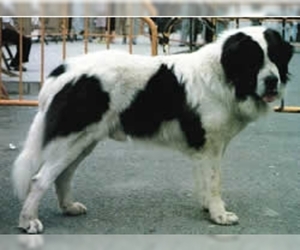
Pyrenean Mastiff
A.K.A. : Mastín del Pirineo, Mastín de los Pirineos, Mastín Aragonés, Dogo de los Pirineos, Navarro Mastiff, Pyrenean Mastiff Dog, Pirenean Mastiff, Mastiff Pyrenean, Mastiff of the Pyrenees, Pyrenean Mastín, Mastin, Pirenean, Mastin Pirineo
Quick navigation
All about Pyrenean Mastiff dog breed
A.K.A. :Mastín del Pirineo, Mastín de los Pirineos, Mastín Aragonés, Dogo de los Pirineos, Navarro Mastiff, Pyrenean Mastiff Dog, Pirenean Mastiff, Mastiff Pyrenean, Mastiff of the Pyrenees, Pyrenean Mastín, Mastin, Pirenean, Mastin Pirineo
Size
Grooming requirements
Exercise requirements
Good with other dogs
Watchdog ability
Energetic
Training requirements
Playful
Affectionate
Good with other pets
Good with children
Good with strangers
Winter
Summer
Healthiness
Protective
Life Span
| Breed Type | Pure Breed |
| Browse by Name | Starting with 'P' |
| Breeds by Group | Flock Guards & Mastiffs Scenthound Working |
| Breeds by Trait | Good With Kids Low Shedding |
| Overview: | The Pyrenean Mastiff, a majestic giant originating from the Aragonese Pyrenees in Spain, was historically bred to protect livestock from predators like wolves and bears. This impressive breed is characterized by its large, muscular build, often weighing over 200 pounds, and a thick, medium-length double coat that is typically white with darker patches of fawn, black, or badger. Despite their imposing size, Pyrenean Mastiffs possess a remarkably gentle, calm, and affectionate temperament, making them wonderful family companions. They are known for being patient with children and generally good with other pets when properly socialized. However, their size and need for space mean they are not suited for apartment living and thrive in homes with large, securely fenced yards. While generally robust, like many large breeds, they can be predisposed to health issues such as hip and elbow dysplasia, and occasionally bloat, requiring attentive care and regular veterinary check-ups. |
F.A.Q.
All you need to know about Pyrenean Mastiff breed
All You Need to Know About the Pyrenean Mastiff Breed
The majestic Pyrenean Mastiff, originating from the Aragonese Pyrenees, is a truly impressive and ancient guardian breed. Known for their calm, noble, and extremely affectionate temperament, they make superb family companions, excelling with children and other pets due to their gentle nature. Physically, they are large, powerful dogs with a thick, medium-length coat (usually white with darker patches) that requires moderate grooming – regular brushing to manage shedding. Despite their size, they adapt surprisingly well to various living situations, though a house with a yard is ideal; apartment living is possible with sufficient outdoor exercise, which is moderate rather than intense. Prospective owners should be aware of common health considerations for large breeds, such as hip and elbow dysplasia. Overall, the Pyrenean Mastiff is a loyal, protective, and loving giant, perfect for families seeking a gentle guardian.What Is the Average Weight of Pyrenean Mastiff in Pounds?
The average weight for an adult Pyrenean Mastiff is typically between 140-200 pounds. These majestic guardians are known for their substantial size.
- Male Pyrenean Mastiffs generally weigh between 160-220 pounds.
- Female Pyrenean Mastiffs typically weigh between 140-180 pounds.
What Is the Typical Height of Pyrenean Mastiff in Inches?
Curious about the Pyrenean Mastiff height? These majestic dogs are truly impressive in stature! When considering how tall is a Pyrenean Mastiff, you're looking at a large and powerful breed.
The average height of a Pyrenean Mastiff, measured at the shoulder (withers), typically ranges from 29 to 32 inches for adult males and 27 to 30 inches for adult females. This puts their overall average in the ballpark of 29.5 inches. Keep in mind that individual genetics and gender play a significant role in their final dimensions.Males, as with many large breeds, tend to be on the higher end of the spectrum, often reaching that impressive 32-inch mark, while females are slightly more moderate. However, even the smaller females are still substantial dogs. It's important to remember that these are averages, and a healthy Pyrenean Mastiff can fall slightly outside these ranges.So, if you're looking for a dog with a grand and imposing presence, the Pyrenean Mastiff average size certainly fits the bill!What Coat Colors Are Typical for the Pyrenean Mastiff breed?
The Pyrenean Mastiff colors primarily include officially recognized shades of brindle, fawn (ranging from light to dark), cream, and white with patches of any of these colors. While not a solid white breed, white is a predominant base color. The AKC recognized Pyrenean Mastiff colors align with these traditional coat patterns. Patches can be found in various sizes and locations across the body, often with a distinct mask on the face.Rare coat types and exotic Pyrenean Mastiff variations such as blue (dilute black), lilac (dilute liver/chocolate), merle, and chocolate are not recognized by major kennel clubs like the AKC and are considered highly undesirable, often indicating mixed breeding or specific genetic mutations not standard to the breed. These unaccepted colors are typically more expensive due to their rarity but do not conform to breed standards and may carry associated health concerns. Potential buyers should be aware that these unrecognized Pyrenean Mastiff colors are not authentic to the breed's historical and phenotypic characteristics.
What is the typical personality of Pyrenean Mastiff?
The Pyrenean Mastiff personality is defined by a gentle giant's heart. They are incredibly loyal and affectionate with their families, forming strong bonds. Despite their imposing size, they are known for their calm and gentle temperament, making them surprisingly good with children, often exhibiting patience and protectiveness. Early socialization is crucial to foster their natural sociability with other pets and strangers. They are not typically apartment dwellers due to their large size and need for space, thriving in homes with secure yards. While generally friendly once they accept someone, they possess a strong guardian instinct, making them excellent watchdogs. Their independent nature means they can be a bit stubborn, requiring consistent and positive training. Expect a devoted, albeit sometimes reserved, companion who will be a gentle protector of their home and loved ones.
What is the typical temperament of Pyrenean Mastiff?
The Pyrenean Mastiff temperament is renowned for being gentle, noble, and extremely loyal, making them excellent companion dogs. They are highly affectionate with their families, thriving on close companionship. Their sociability extends to being generally friendly towards strangers once properly introduced and they perceive no threat. This breed is known for its patience and protective nature, especially towards children, whom they usually tolerate well and see as part of their "flock." With proper socialization, they can coexist peacefully with other pets, often displaying a natural tendency to nurture smaller animals.While intelligent, Pyrenean Mastiffs can exhibit a degree of stubbornness, a common trait in many large guardian breeds, requiring consistent, positive reinforcement training. They are also quite sensitive to their owner's tone and mood, responding best to calm and firm guidance rather than harsh corrections. Adaptability to apartment living is not ideal; they require space, ideally a home with a yard, and daily walks to stretch their large bodies. They are not high-energy dogs, but adequate exercise is crucial for their physical and mental well-being. Their deep devotion and calm demeanor make them wonderful family members for those prepared for a large, loving, and sometimes opinionated guardian.
What Are the Care Requirements for the Pyrenean Mastiff breed?
Pyrenean Mastiff Care: Essential Daily Maintenance & Health Tips
Caring for a Pyrenean Mastiff involves attention to several key areas to ensure their well-being. This majestic, low-energy dog breed thrives with consistent care.Grooming Needs: Pyrenean Mastiffs have a dense, medium-length double coat requiring regular, but not excessive, grooming. Brush them 2-3 times a week to prevent matting and reduce shedding. During seasonal shedding, daily brushing may be necessary. Bathing should be done as needed, typically every 1-2 months, to maintain coat health. Pay close attention to cleaning around the mouth and eyes to prevent tear staining and food residue buildup.Exercise Limitations: Despite their large size, Pyrenean Mastiffs are a relatively low-energy dog breed. They require moderate exercise, about 30-60 minutes daily, including a good walk or supervised playtime in a securely fenced yard. Avoid strenuous activity during hot weather due to their brachycephalic (short-nosed) anatomy, which makes them prone to overheating. Early morning or late evening walks are best in warmer climates.Dietary Considerations & Weight Management: A high-quality large-breed dog food is crucial for a Pyrenean Mastiff. Monitor their food intake carefully to prevent overfeeding, as they are prone to weight gain. Consult your veterinarian for specific dietary recommendations based on age, activity level, and health. Weight management is vital to prevent strain on their joints and overall health.Wrinkle and Ear Cleaning: Due to their facial folds and floppy ears, Pyrenean Mastiffs require specific cleaning. Regularly clean wrinkles with a damp cloth and dry thoroughly to prevent skin issues like dermatitis and bacterial infections. Check and clean their ears weekly with a veterinarian-approved ear cleaner to prevent wax buildup and ear infections.Climate Sensitivity: The Pyrenean Mastiff's thick coat provides insulation against cold, but their brachycephalic anatomy makes them sensitive to heat. They can quickly overheat in warm or humid conditions. Always provide access to shade and fresh water, and avoid vigorous exercise during peak heat. Air conditioning is essential in warmer climates to prevent heatstroke.Common Health Concerns & Health Tips for Pyrenean Mastiff: Beyond general large-breed issues like hip and elbow dysplasia, Pyrenean Mastiffs can be prone to specific concerns. Skin issues can arise from their dense coat and wrinkles if not properly maintained. Regular brushing and wrinkle cleaning are key preventative measures. Dental care is paramount; daily brushing or dental chews can help prevent periodontal disease. As mentioned, weight management is crucial for joint health and overall longevity. Regular veterinary check-ups are essential for early detection and management of any health issues. Prospective owners should be aware of these how to care for a Pyrenean Mastiff essentials for a happy and healthy companion.How active are Pyrenean Mastiff, and what kind of exercise do they need?
The Pyrenean Mastiff activity level is moderate, balancing short bursts of energy with extended periods of rest. They are not a high-energy breed requiring constant stimulation, making their exercise needs manageable for most households.Typically, a Pyrenean Mastiff will enjoy one or two daily walks of moderate length (30-60 minutes total) and some dedicated playtime in a securely fenced yard. They are not known for intense, high-impact activities like prolonged running or agility, preferring instead to patrol their territory, engage in scent work, or have gentle play sessions with their family. Their playtime preferences lean towards less strenuous activities, such as exploring, playing with sturdy toys, or simply "supervising" outdoor family activities.It's crucial to understand the limitations due to their brachycephalic (short-nosed) anatomy. While Pyrenean Mastiffs are not as extremely brachycephalic as some other breeds, they can still be susceptible to overheating and breathing difficulties, especially in warm weather or during strenuous exercise. Therefore, all exercise should be monitored closely, particularly in heat, and intense activity should be avoided.How active are Pyrenean Mastiffs? They are adaptable. They are generally suitable for low-energy households that can provide consistent, moderate daily exercise and a secure outdoor space. While they appreciate being part of an active family, they are not ideal for homes seeking a jogging companion or a dog for high-intensity sports. Their natural inclination is to be a watchful guardian, and this often involves periods of calm observation interspersed with their daily activity.
What are common health issues in Pyrenean Mastiff?
Pyrenean Mastiff health problems are generally moderate, as this giant Spanish livestock guardian breed is considered resilient, but adopters should still be aware of common Pyrenean Mastiff medical issues such as hip dysplasia, elbow dysplasia, spinal strain, skin fold infections, allergies, gastric torsion (bloat), and heat sensitivity. While not typically brachycephalic, brachycephalic dog care concerns like Brachycephalic Obstructive Airway Syndrome (BOAS) may occasionally be relevant in individuals with shorter muzzles, leading to breathing difficulties in hot or humid climates. Their anatomy—a massive, deep-chested frame with heavy bone structure, loose skin, and a dense double coat—can predispose them to orthopedic problems if overweight, bloat due to chest shape, and overheating in warm environments because of their thick fur. Skin folds and ears may also trap moisture, increasing the risk of infections if grooming is neglected.
To understand how to keep Pyrenean Mastiff healthy, owners should maintain a lean body weight to reduce strain on hips and spine, provide regular but moderate exercise suited to their guarding stamina, and avoid strenuous activity in hot weather. Grooming routines should include brushing to manage shedding and prevent skin irritation, cleaning and drying skin folds to reduce infection risk, ear cleaning to prevent ear problems, and dental care to prevent periodontal disease. Allergy management may require dietary adjustments or veterinary guidance, while routine veterinary checkups are essential for monitoring orthopedic health, spinal stability, cardiac function, and eye conditions such as entropion or progressive retinal atrophy (PRA).
In addition to these concerns, Pyrenean Mastiffs may inherit breed-specific risks such as dilated cardiomyopathy, epilepsy, and hypothyroidism. Preventive screenings, responsible breeding, and consistent veterinary monitoring are key to minimizing these risks and supporting long-term wellness. With proactive care, adopters and buyers can ensure this loyal, intelligent, and protective livestock guardian remains strong, healthy, and happy throughout its life.
To understand how to keep Pyrenean Mastiff healthy, owners should maintain a lean body weight to reduce strain on hips and spine, provide regular but moderate exercise suited to their guarding stamina, and avoid strenuous activity in hot weather. Grooming routines should include brushing to manage shedding and prevent skin irritation, cleaning and drying skin folds to reduce infection risk, ear cleaning to prevent ear problems, and dental care to prevent periodontal disease. Allergy management may require dietary adjustments or veterinary guidance, while routine veterinary checkups are essential for monitoring orthopedic health, spinal stability, cardiac function, and eye conditions such as entropion or progressive retinal atrophy (PRA).
In addition to these concerns, Pyrenean Mastiffs may inherit breed-specific risks such as dilated cardiomyopathy, epilepsy, and hypothyroidism. Preventive screenings, responsible breeding, and consistent veterinary monitoring are key to minimizing these risks and supporting long-term wellness. With proactive care, adopters and buyers can ensure this loyal, intelligent, and protective livestock guardian remains strong, healthy, and happy throughout its life.
Breed Breakdown: What Experts Say About the Pyrenean Mastiff
What is the typical size of Pyrenean Mastiff, and how does it compare to other breeds in terms of suitability for apartment living and travel?
I would rate the "Size" trait of the Pyrenean Mastiff at a strong 9. This breed is undeniably very large, bordering on giant. Males typically stand between 29.5 and 31.5 inches at the shoulder and can weigh anywhere from 120 to 200 pounds, with some individuals exceeding these figures. Their substantial bone structure, deep chest, and overall robust build contribute to their impressive physical dimensions. When compared to the vast majority of companion dogs, the Pyrenean Mastiff is in a league of its own in terms of sheer mass and height. Due to their immense size, Pyrenean Mastiffs are absolutely not suited for apartment living or households with significant space constraints. They require a home with a large, securely fenced yard and ample indoor space to move around comfortably without feeling cramped. Travel can also be challenging due to the need for a very large vehicle and their preference for familiar surroundings.
What are the grooming requirements for Pyrenean Mastiff, and how do their coat type and skin features affect overall maintenance?
I would rate the grooming requirements of the Pyrenean Mastiff a 7 out of 10.While not as demanding as some long-haired, double-coated breeds, they are far from low-maintenance. Their thick, medium-length double coat sheds a fair amount year-round, with heavier seasonal shedding, requiring regular brushing (at least 2-3 times a week, more during shedding season) to prevent mats and control loose hair. They don't have excessive skin folds, so specialized care there is minimal. However, their floppy ears need routine checking and cleaning to prevent infections. Nail trimming is crucial and needs to be done regularly to avoid overgrowth and discomfort, which can be challenging given their size. Bathing is only needed periodically, but due to their size and coat density, it's a significant undertaking. They are not particularly prone to severe skin issues or allergies, but their dense coat can sometimes mask minor irritations if not regularly examined. Compared to many companion dogs, their size and coat volume mean that while individual grooming tasks might not be "specialized," the sheer scale and frequency of brushing, combined with the effort of bathing and nail care, elevate their overall maintenance significantly.
What are the exercise requirements for Pyrenean Mastiff, and how do their energy levels affect daily activity and health?
I would rate the Pyrenean Mastiff's exercise requirements at a 3 out of 10.While a large breed, the Pyrenean Mastiff is not known for high energy or extreme athleticism. They are generally calm and sedate, content with moderate daily activity rather than intense physical demands. A long, leisurely walk (30-60 minutes) or a couple of shorter strolls each day, along with some supervised outdoor playtime, is usually sufficient to keep them healthy and happy. They thrive with a routine that includes mental stimulation, such as scent work or puzzle toys, as much as physical exertion. Their heavy build and potential for joint issues in old age make high-impact activities like agility unsuitable, and sustained running or intense cardio isn't typically within their comfort zone or physiological design. They are prone to overheating in warm weather due to their thick coats, so exercise should be carefully monitored, especially during hotter months. While they enjoy being outdoors and can be playful, they are not a breed that requires structured, demanding routines to stay healthy and mentally stimulated; rather, they thrive with consistent, gentle activity and a comfortable, secure environment.
How effective is Pyrenean Mastiff as a watchdog, and what kind of alert or protective behavior can owners expect?
I would rate the Pyrenean Mastiff's "Watchdog Ability" at an 8. This breed is inherently alert and possesses strong territorial instincts, making them quite effective at monitoring their surroundings. They are quick to notice unfamiliar sounds or people and will typically respond with deep, resonant barks, which are significant enough to serve as meaningful early warnings in a home environment. While not overly aggressive without cause, their imposing size and protective nature mean they are certainly willing to deter perceived intruders, often by simply presenting themselves. They aren't passive companions when it comes to home security; rather, they are vigilant guardians who take their role seriously, though they also possess a calm demeanor once the perceived threat has passed or a new person has been properly introduced.
How well does the Pyrenean Mastiff get along with other dogs, and what role does socialization play in their behavior?
I would rate the "Good with Other Dogs" trait of the Pyrenean Mastiff at a 7.Pyrenean Mastiffs generally possess a calm and tolerant nature, which extends to their interactions with other dogs. They are typically not prone to unprovoked aggression and can coexist peacefully in multi-dog households, often even enjoying the company of other canines. Their inherent protective instincts are usually directed towards their human family and territory, rather than manifesting as aggression towards fellow dogs. They tend to be more observers than instigators in canine social dynamics and often adapt well to dogs of different sizes and energy levels, particularly if those dogs are respectful of their space.However, a rating of 7, rather than a 9 or 10, acknowledges a few important nuances. Like many large guardian breeds, they can exhibit a degree of natural dominance, especially if not properly socialized from a young age. While not typically aggressive, they may not always tolerate pushy or overly boisterous behavior from other dogs without a subtle warning or a firm stand. Their size and strength mean that even a minor disagreement can have significant implications. Therefore, proper, early, and ongoing socialization is crucial to ensure they learn appropriate canine etiquette and develop good communication skills. While they generally thrive in canine company, successful integration, especially with unfamiliar dogs, often benefits from careful introductions and continued training to reinforce their naturally tolerant disposition and ensure peaceful coexistence. They are generally not the "life of the party" in a dog park but can be very companionable with their established canine friends.
What is the typical energy level of a Pyrenean Mastiff, and how does it affect their playtime, exercise needs, and suitability for indoor living?
I would rate the "Energetic" trait of the Pyrenean Mastiff a 3 out of 10.The Pyrenean Mastiff is a giant breed known for its calm, gentle, and often lazy disposition. They are naturally more laid-back compared to most other companion dog breeds. While they do enjoy a good stroll and need regular, moderate exercise to maintain their health and prevent boredom, they are not high-energy dogs that require intense or prolonged activity. Their endurance is moderate, and they are typically content with a couple of daily walks and some time to roam in a secure yard. Playfulness is present, especially when young, but it tends to be less boisterous and sustained than in more energetic breeds. Their need for physical stimulation is relatively low; mental stimulation is often more important for them.Regarding their anatomy, the Pyrenean Mastiff is a large, heavily boned breed, which naturally limits their agility and sustained high-speed activity. While not severely brachycephalic, their larger size and potential for a somewhat shorter muzzle compared to other working breeds can affect their ability to cool down efficiently during strenuous exercise. This means that while they aren't built for marathons, even moderate exercise in hot weather can quickly lead to overheating, further underscoring their lower stamina and preference for a more relaxed pace. They are not suited for strenuous outdoor or athletic activities, preferring instead to be watchful guardians with a dignified, unhurried gait.
How easy is it to train a Pyrenean Mastiff, and what kind of consistency and techniques work best for this breed?
I would rate the training requirements of the Pyrenean Mastiff at a 7. While intelligent and eager to please those they trust, their independent nature, strong guarding instincts, and can sometimes be a stubborn streak mean they are not a beginner-friendly breed. They require experienced handling, a highly consistent and patient approach, and a structured routine from a young age. While positive reinforcement is effective, their attention span can wane if training isn't engaging and varied. Without firm, consistent guidance, they can become willful and challenging to manage, making early and continuous socialization and training paramount to ensure they are well-behaved and safe companions.
How playful is the Pyrenean Mastiff, and what makes them such an energetic companion?
I would rate the "Playful" trait of the Pyrenean Mastiff a 4 out of 10.While they are affectionate and enjoy their family, Pyrenean Mastiffs are generally more laid-back and less intensely playful compared to many other companion breeds. Their typical activity level is moderate, preferring a gentle stroll to a vigorous game of fetch for extended periods. They will engage in short bursts of play, particularly when young, and may enjoy a game of tug or a slow-moving ball. However, their enthusiasm for games is often short-lived, and they are quick to settle back down. They aren't typically attention-seeking in an overtly boisterous way, preferring a quiet presence. While they will respond to toys and playtime, it's often with a gentle curiosity rather than extreme excitement. Their overall enthusiasm in daily life leans more towards watchful contentment than energetic exuberance. They are naturally more reserved and calm, rather than spirited.
How affectionate is the Pyrenean Mastiff, and what kind of companionship and emotional bonding can owners expect?
I would rate the Affectionate trait of the Pyrenean Mastiff a strong 9.Pyrenean Mastiffs are incredibly devoted and loving companions, forming deep bonds with their families. They have a high desire for human companionship and often act as a "velcro dog," following their owners from room to room just to be near them. While they may not be the most boisterous cuddlers, they appreciate physical closeness and will lean into their owners, happily accepting pets and scratches. Their loyalty is unwavering, and they are highly sensitive to owner emotions, often offering a comforting presence when they sense sadness or distress. This breed absolutely thrives on affection and reassurance from their loved ones, distinguishing them as very people-oriented, though with a gentle and watchful independence that comes with their guardian nature.
How well does the Pyrenean Mastiff get along with other pets, and what factors influence their compatibility in multi-pet households?
I would rate the "Good with Other Pets" trait of the Pyrenean Mastiff a 7 out of 10.The Pyrenean Mastiff generally earns a solid rating in multi-pet households due to its inherently gentle and calm nature. This breed was historically bred to guard livestock, and a key component of that role involved coexisting peacefully with other animals within their charge, which often included other dogs and smaller livestock. Their prey drive is typically low, especially towards animals they consider part of their "flock" or family. With proper socialization from a young age, they are often excellent companions for other dogs, exhibiting a tolerant and even protective demeanor. When it comes to cats, if introduced early and carefully, the Pyrenean Mastiff's generally low prey drive means they can adapt well to sharing a home.However, the rating isn't a perfect 10 for a few important reasons. While naturally sociable, their guarding instincts, if not properly channeled, can manifest as resource guarding, especially concerning food or their human companions. This needs to be managed with early training and clear boundaries. Furthermore, their sheer size means that even playful interactions with smaller pets need supervision to prevent accidental injury. While generally accepting of other dogs, an un-socialized Pyrenean Mastiff, like any large guarding breed, might be wary of unfamiliar dogs, especially those infringing on what they perceive as their territory. Therefore, while naturally inclined towards peaceful coexistence, training, early socialization, and ongoing supervision are crucial to ensure a harmonious multi-pet environment.
Is the Pyrenean Mastiff good with children, and what makes them a suitable companion for family life?
The Pyrenean Mastiff rates a solid 8 for "Good with Children." This breed is renowned for its naturally gentle and affectionate nature, making them highly compatible with children of various ages. Their inherent patience is a significant asset, allowing them to tolerate the typical rambunctious play and handling that comes with young kids. While not overly playful in the energetic sense, they are content to be near their human "pack" and will happily engage in gentle interaction. Their size, while imposing, is often accompanied by a surprising delicateness, and they are generally tolerant of noise and the sometimes clumsy movements of children. They are naturally protective without being aggressive, viewing children as part of their charge. While early socialization and basic obedience training are always beneficial for any breed, the Pyrenean Mastiff's predisposition towards gentleness means they generally thrive in a family setting with minimal supervision, provided the children are taught to respect the dog's space and boundaries.
Is the Pyrenean Mastiff good with strangers, and how do they typically behave around new people?
I would rate the "Good with Strangers" trait of the Pyrenean Mastiff a 4 out of 10.While not inherently aggressive or unfriendly, Pyrenean Mastiffs are primarily a guardian breed, and their natural inclination is to be reserved and watchful around unfamiliar individuals. They are not naturally outgoing or effusively friendly with strangers. Instead, they typically exhibit a calm but observant demeanor, assessing the situation and the newcomer. Early and consistent socialization is absolutely crucial for a Pyrenean Mastiff to be comfortable, rather than merely tolerant, in public or guest-filled environments. Without proper exposure, their natural guarding instincts can lead to excessive barking or a more pronounced aloofness. Even with excellent socialization, they are unlikely to greet strangers with enthusiasm; rather, they learn to accept them as non-threats, often remaining composed and watchful rather than seeking interaction. They require training and consistent positive experiences to understand that not all strangers pose a threat, but their inherent nature leans towards caution and protection, not widespread sociability.
How well does the Pyrenean Mastiff tolerate cold weather, and what precautions are needed during winter months?
I would rate the Pyrenean Mastiff's winter tolerance at an 8.This breed possesses excellent cold-weather resilience, thanks to its very thick, dense double coat which provides superb insulation. Their large size and substantial body fat further contribute to their ability to retain heat, making them well-suited for colder climates. Unlike brachycephalic breeds, their normal muzzle structure allows for efficient air warming before it reaches the lungs, reducing the risk of respiratory issues in cold air. They have a naturally robust constitution, and the risk of hypothermia is relatively low even during extended periods outdoors, provided they are accustomed to the cold and not left in extreme conditions without shelter. They can safely and comfortably enjoy outdoor activities in cold climates, often relishing the snow. Compared to many other companion dogs, the Pyrenean Mastiff generally requires less special care during winter months, beyond ensuring they have adequate shelter from wind and snow, and access to unfrozen water. They are built for mountainous environments and thrive in cooler temperatures where other breeds might shiver.
How well does the Pyrenean Mastiff tolerate hot weather, and what precautions should owners take during summer months?
I would rate the "Summer" tolerance of the Pyrenean Mastiff at a 3.The Pyrenean Mastiff is a giant breed with a dense, thick double coat originally developed in the Pyrenees mountains to guard livestock against predators like wolves and bears. This heritage means they are built for cold weather, not heat. Their substantial size and thick insulation make it very difficult for them to dissipate heat effectively. While they are not brachycephalic, their sheer mass and heavy coat present a significant challenge for thermoregulation in warm temperatures. They are at a very high risk of heatstroke, and even moderate activity in warm weather can be dangerous for them. Compared to many other companion dogs, the Pyrenean Mastiff requires significant special care in summer months. They need to be kept indoors in air conditioning during the heat of the day, with outdoor access limited to very early mornings or late evenings when temperatures are much cooler. Strenuous exercise should be completely avoided in summer, and even gentle walks need careful monitoring. Constant access to fresh, cool water is crucial, and owners should be vigilant for any signs of overheating. They are definitively not a "summer-friendly" breed and thrive in cooler climates.
What are the common health concerns for the Pyrenean Mastiff, and how much care and medical attention does this breed typically require?
I would rate the Pyrenean Mastiff's "Healthiness" trait as a 7 out of 10.While generally a robust and impressive breed, they are not entirely free from health concerns that are common in large and giant dog breeds. Their life expectancy typically ranges from 10 to 13 years, which is quite good for a dog of their size. They are known for their protective instincts and calm demeanor, and in terms of daily health, they are not typically considered high-maintenance beyond the usual needs of a large dog. However, like many giant breeds, they are predisposed to conditions such as hip and elbow dysplasia, which can impact mobility and quality of life. Bloat (gastric dilation-volvulus) is also a serious and life-threatening concern in deep-chested breeds like the Pyrenean Mastiff, requiring owner awareness and preventative measures. Some individuals may also be prone to eyelid conditions like entropion or ectropion. Responsible breeding plays a crucial role in mitigating these risks through health screenings and careful selection of breeding stock, and preventive care, including proper nutrition, weight management, and regular veterinary check-ups, is essential for maximizing their health and longevity. Compared to some other companion dogs, particularly those with extreme brachycephalic features or delicate structures, the Pyrenean Mastiff is generally more robust, but their size does bring with it a specific set of health considerations that warrant a rating slightly below exceptional.
How protective is the Pyrenean Mastiff, and what kind of watchdog or guard dog behavior can owners expect?
I would rate the "Protective" trait of the Pyrenean Mastiff breed as an 8 out of 10.The Pyrenean Mastiff is a formidable guardian, deeply rooted in its history as a livestock guardian dog. They possess a high degree of alertness, constantly aware of their surroundings, and strong territorial instincts. Their loyalty to their owners is unwavering, forming deep bonds with their human families. While typically calm and gentle with their own people, their reaction to strangers is usually one of cautious observation, and they will not hesitate to place themselves between their family and perceived threats. Their imposing size, deep bark, and inherent protective drive make them highly suitable as both a watchdog and a guard dog, capable of deterring intruders and offering meaningful protection in a household setting. While they are also loving companions to their families, their protective instincts are far from merely symbolic; they are genuinely capable of defending their home and loved ones.
What is the average lifespan of a Pyrenean Mastiff, and what health factors influence their longevity?
I would rate the "Life Span" trait of the Pyrenean Mastiff as a 5.While they are a giant breed, which inherently predisposes them to shorter lifespans compared to smaller dogs, their average life expectancy of 10-12 years is fairly typical for a dog of their size. They are considered to have an average lifespan within the context of other large and giant breeds. They are not exceptionally long-lived, nor are they remarkably short-lived. Common health issues like hip and elbow dysplasia, bloat, and certain cancers can impact their longevity, but responsible breeding practices aimed at reducing these genetic predispositions, coupled with good nutrition, appropriate exercise, and veterinary care, can help them reach the upper end of their expected lifespan.
Pyrenean Mastiff Dogs for adoptionSee all dogs for adoption
Similar Dog Breeds for Pyrenean Mastiff
Quick Breed Selector 0 - not important, 1 - smallest, 10 - largest
Variants & Mistakes :Pyrenean Mastif, Pyrenean Masstiff, Pyrenean Masstif, Pirenean Mastiff, Pirenean Mastif, Pirenean Masstiff, Pirenean Masstif, Pyreneen Mastiff, Pyreneen Mastif, Pyreneen Masstiff, Pyreneen Masstif, Pireneen Mastiff, Pireneen Mastif, Pireneen Masstiff, Pireneen Masstif, Pyranean Mastiff, Pyranean Mastif, Pyranean Masstiff, Pyranean Masstif, Piranean Mastiff, Piranean Mastif, Piranean Masstiff, Piranean Masstif, Pyrenian Mastiff, Pyrenian Mastif, Pyrenian Masstiff, Pyrenian Masstif, Pirrenian Mastiff, Pirrenian Mastif, Pirrenian Masstiff, Pirrenian Masstif, Pyrennan Mastiff, Pyrennan Mastif, Pyrennan Masstiff, Pyrennan Masstif, Pirrennan Mastiff, Pirrennan Mastif, Pirrennan Masstiff, Pirrennan Masstif, Pirrenan Mastiff, Pirrenan Mastif, Pirrenan Masstiff, Pirrenan Masstif, Pyreanean Mastiff, Pyreanean Mastif, Pyreanean Masstiff, Pyreanean Masstif, Piryeanean Mastiff