Pure Breeds
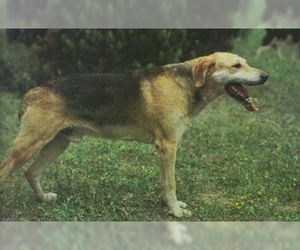
Russian Hound
A.K.A. : Russkaya Gontchaya, Russian Scenthound, Russkaja Gončaja, Gontchaya, Russian Harrier, Russkaya Gonchaya Hound
Quick navigation
All about Russian Hound dog breed
A.K.A. :Russkaya Gontchaya, Russian Scenthound, Russkaja Gončaja, Gontchaya, Russian Harrier, Russkaya Gonchaya Hound
Size
Grooming requirements
Exercise requirements
Good with other dogs
Watchdog ability
Energetic
Training requirements
Playful
Affectionate
Good with other pets
Good with children
Good with strangers
Winter
Summer
Healthiness
Protective
Life Span
| Breed Type | Pure Breed |
| Browse by Name | Starting with 'R' |
| Breeds by Group | Hound Scenthound |
| Breeds by Trait | Fast Dog Breeds Good With Kids High Stamina Dog Breeds |
| Overview: | The Russian Hound, also known as the Russkaya Gonchaya, is a traditional scent hound originating from Russia, developed for hunting hare, fox, and other game across challenging terrain. Medium to large in size, it features a strong, athletic build, drop ears, and a short, dense coat that provides resilience in harsh climates. Known for its intelligence, energy, and loyalty, the Russian Hound thrives in active households and enjoys outdoor activities, making it less suited for apartment living unless given ample exercise. While affectionate and companionable, its strong prey drive requires careful supervision around smaller pets. With proper socialization, it can be a friendly family companion, though best matched with experienced owners who appreciate its working heritage. Generally healthy and hardy, the breed has a life expectancy of around 10–12 years, with few notable genetic issues when responsibly bred. |
F.A.Q.
All you need to know about Russian Hound breed
The Russian Hound is a historic scent hound from Russia, bred for tracking game across rugged terrain. Medium to large in size, it features a strong, athletic build, drop ears, and a short, dense coat that is easy to maintain. Known for its loyalty, energy, and intelligence, the Russian Hound thrives in active households and enjoys plenty of outdoor exercise, making it less suited for apartment living unless given daily activity. With proper socialization, it can be affectionate and good with children, though its prey drive requires care around smaller pets. Grooming needs are minimal, with regular brushing to keep the coat healthy. Generally hardy, the breed has few major health concerns and a life expectancy of 10–12 years. The Russian Hound is an excellent choice for families or individuals seeking a devoted, energetic companion with a rich hunting heritage.
What Is the Average Weight of Russian Hound in Pounds?
Russian Hound weight typically ranges between 40–70 pounds, with males averaging toward the higher end and females slightly lighter. This average size makes the breed a medium to large scent hound, well-suited for active families. Maintaining a healthy weight for Russian Hound depends on proper exercise and balanced nutrition, ensuring strength and stamina without excess gain.
What Is the Typical Height of Russian Hound in Inches?
Russian Hound height typically ranges from 22 to 27 inches at the shoulder, placing the breed in the medium to large category. Males often stand closer to the upper end of this average size, while females may be slightly shorter. For adopters wondering how tall is a Russian Hound, individual genetics and overall health can influence slight variations, but most adults fall within this range, making them a sturdy and athletic companion well-suited for active families.
What Coat Colors Are Typical for the Russian Hound breed?
Russian Hound colors typically include shades of red, tan, black, and white, often appearing in solid or mottled patterns. These are the most common and AKC recognized Russian Hound colors, reflecting the breed’s traditional hunting heritage. While rare coat types such as brindle, cream, or chocolate may occasionally appear, they are less common and not widely accepted by major kennel clubs. Exotic Russian Hound variations like blue, lilac, or merle are extremely rare and generally not part of official standards. For adopters or buyers, understanding these Russian Hound colors helps in comparing coat types, pricing, and suitability, with most dogs displaying the classic red, tan, and black combinations that define the breed.
What is the typical personality of Russian Hound?
Russian Hound personality is defined by friendliness, loyalty, and a strong hunting instinct. This breed is sociable and affectionate with its family, often good with children when properly socialized, though its prey drive means caution is needed around smaller pets. The temperament of Russian Hound is energetic and intelligent, making it best suited for active households rather than apartment living unless given plenty of daily exercise. Adaptable and devoted, the Russian Hound thrives with owners who can provide structure, outdoor activity, and companionship, offering a warm and reliable presence in the home.
What is the typical temperament of Russian Hound?
Russian Hound temperament is best described as friendly, loyal, and highly sociable, making it a devoted companion for active families. This breed shows strong personality traits of intelligence and energy, thriving in environments where it can enjoy outdoor activities and structured routines. While affectionate and generally good with children, the Russian Hound’s hunting instincts mean supervision is needed around smaller pets. It can adapt to apartment living if given sufficient daily exercise, though it is naturally better suited to homes with space. Some dogs may display mild stubbornness or sensitivity, requiring patient, consistent training and positive reinforcement. Overall, the companion dog behavior of the Russian Hound combines warmth and loyalty with an energetic spirit, making it a rewarding choice for adopters seeking an active yet affectionate breed.
What Are the Care Requirements for the Russian Hound breed?
Russian Hound care is relatively straightforward thanks to the breed’s short, dense coat, which requires only occasional brushing to remove loose hair and keep it healthy. As an active scent hound rather than a low-energy dog breed, daily exercise is essential to prevent restlessness and maintain fitness. When considering how to care for a Russian Hound, adopters should provide a balanced diet to support stamina, along with regular dental care and weight management to avoid obesity. Unlike brachycephalic breeds, the Russian Hound does not suffer from severe climate sensitivity, though it still benefits from protection in extreme heat or cold. Routine ear cleaning helps prevent infections, and while the breed does not have facial wrinkles, general hygiene remains important. With proper daily maintenance and attention to health tips for Russian Hound, owners can expect a hardy, loyal companion with minimal grooming needs and a lifespan of 10–12 years.
How active are Russian Hound, and what kind of exercise do they need?
Russian Hound activity level is generally high, as this breed was developed for hunting and endurance in the field. They require consistent daily exercise, such as long walks, active playtime, and opportunities to explore outdoors, making them best suited for active families. When considering exercise needs, Russian Hounds thrive on structured activity and mental stimulation, though they also enjoy resting after exertion, balancing bursts of energy with calm downtime. Unlike brachycephalic breeds, they do not face breathing limitations, allowing them to handle vigorous activity more comfortably. For adopters wondering how active are Russian Hound, this breed is highly energetic and not ideal for low-energy households or apartment living unless given ample exercise. With the right environment, they make loyal, playful companions who excel in active lifestyles.
What are common health issues in Russian Hound?
Russian Hound health problems are generally minimal compared to brachycephalic breeds, as this scent hound has a longer muzzle and athletic build. While issues like hip dysplasia, allergies, and occasional spinal problems can occur, the breed is not prone to Brachycephalic Obstructive Airway Syndrome (BOAS) or skin fold infections. Heat sensitivity may affect some dogs, so providing shade and hydration during summer is important. For adopters concerned about common Russian Hound medical issues, maintaining a healthy weight, regular dental care, and routine vet checkups are the best preventive measures. Unlike breeds requiring brachycephalic dog care, the Russian Hound’s anatomy supports endurance and stamina, making it a hardy companion. With balanced nutrition, daily exercise, and attentive grooming, owners can easily manage how to keep Russian Hound healthy, ensuring a long and active life.
Breed Breakdown: What Experts Say About the Russian Hound
What is the typical size of Russian Hound, and how does it compare to other breeds in terms of suitability for apartment living and travel?
I would rate the "Size" trait of the Russian Hound as 6 out of 10. With an average height of 22–27 inches at the shoulder and a weight range of 40–70 pounds, this breed falls into the medium-to-large category compared to other companion dogs. Its sturdy, athletic build makes it well-suited for active households with space to accommodate its energy and movement. While Russian Hounds can adapt to apartment living if given sufficient daily exercise, they are more comfortable in homes with larger areas or access to outdoor environments. For travel, their size is manageable but not as convenient as smaller breeds, so they are best suited for families who can provide room and activity rather than space-constrained households.
What are the grooming requirements for Russian Hound, and how do their coat type and skin features affect overall maintenance?
I would rate the "Grooming Requirements" of the Russian Hound as 3 out of 10. This breed has a short, dense coat that requires only occasional brushing to manage shedding and keep it healthy. Bathing is needed infrequently, and there are no skin folds to maintain, making care simpler than with many companion dogs. Routine ear cleaning, nail trimming, and dental care are the main maintenance tasks, and while some individuals may develop minor allergies, overall grooming demands are low. Compared to higher-maintenance breeds with long or double coats, the Russian Hound is easy to care for and well-suited to owners seeking a hardy dog with minimal grooming needs.
What are the exercise requirements for Russian Hound, and how do their energy levels affect daily activity and health?
I would rate the "Exercise Requirements" of the Russian Hound as 8 out of 10. This breed is highly energetic, bred for endurance and hunting, and thrives on structured routines that include long walks, active play, and opportunities for scent work or agility. Unlike brachycephalic dogs, the Russian Hound has no respiratory limitations, allowing it to sustain vigorous activity comfortably. Daily exercise is essential not only for physical health but also for mental stimulation, as the breed can become restless or destructive without adequate outlets. While they enjoy periods of rest after activity, Russian Hounds are best suited for active families or individuals who can commit to consistent exercise, rather than households seeking a low-maintenance companion.
How effective is Russian Hound as a watchdog, and what kind of alert or protective behavior can owners expect?
I would rate the "Watchdog Ability" of the Russian Hound as 5 out of 10. While the breed is alert and responsive to unfamiliar sounds, it is primarily a hunting dog rather than a natural guardian. Russian Hounds may bark to signal the presence of strangers, offering some early warning in a home environment, but they generally lack strong territorial instincts or the willingness to actively deter intruders. Their temperament leans more toward being a sociable and loyal companion than a protective watchdog, making them moderately effective for alerting but not highly reliable as household guardians.
How well does the Russian Hound get along with other dogs, and what role does socialization play in their behavior?
I would rate the "Good with Other Dogs" trait of the Russian Hound as 7 out of 10. As a scent hound developed for pack hunting, the breed is generally sociable and comfortable around other dogs, often thriving in multi-dog households when properly socialized. They tend to get along well with dogs of similar energy levels, showing cooperative behavior rather than dominance. However, like many hounds, they may display independence or occasional stubbornness, so careful introductions and consistent training are important to ensure harmony, especially with unfamiliar dogs. Overall, the Russian Hound enjoys canine company and adapts well to group settings, making it a good choice for families with multiple pets.
What is the typical energy level of a Russian Hound, and how does it affect their playtime, exercise needs, and suitability for indoor living?
I would rate the "Energetic" trait of the Russian Hound as 8 out of 10. This breed is naturally active, bred for hunting and endurance, and thrives on vigorous outdoor activities such as long walks, running, and scent work. Russian Hounds are playful, intelligent, and require consistent physical stimulation to stay balanced and avoid boredom. Unlike brachycephalic dogs, they have a longer muzzle and efficient respiratory structure, which allows them to tolerate sustained exercise without major limitations. Compared to more laid-back companion breeds, the Russian Hound is far more energetic and best suited for active families or individuals who can provide structured routines and plenty of opportunities for movement.
How easy is it to train a Russian Hound, and what kind of consistency and techniques work best for this breed?
I would rate the "Training Requirements" of the Russian Hound as 6 out of 10. While the breed is intelligent and capable of learning commands, it can be somewhat stubborn and independent, reflecting its hunting background. This means consistent routines and positive reinforcement are essential to achieve reliable obedience. Russian Hounds respond well to patient, reward-based training but may lose focus if sessions are too repetitive or harsh. They are moderately beginner-friendly, yet owners with prior experience in handling active, strong-willed dogs will find the process smoother. Structured guidance and early socialization are key to ensuring the breed develops into a well-mannered companion.
How playful is the Russian Hound, and what makes them such an energetic companion?
I would rate the "Playful" trait of the Russian Hound as 7 out of 10. This breed is naturally spirited, showing enthusiasm for games, outdoor activities, and interactive play with its family. Russian Hounds enjoy toys and attention, often seeking engagement, but their playfulness is balanced by periods of calm rest after exercise. Compared to more laid-back companion dogs, they are noticeably more energetic and fun-loving, though not as relentlessly playful as some smaller or high-energy breeds. Their moderate-to-high playfulness makes them well-suited for active households that can provide both stimulation and downtime.
How affectionate is the Russian Hound, and what kind of companionship and emotional bonding can owners expect?
I would rate the "Affectionate" trait of the Russian Hound as 6 out of 10. While the breed is loyal, friendly, and enjoys human companionship, it is not overly clingy or prone to constant physical closeness like lap-sitting breeds. Russian Hounds tend to show affection through their devotion and willingness to follow family members, but they balance this with an independent streak rooted in their hunting background. They are sensitive to owner emotions and bond well with their household, yet compared to more people-oriented companion dogs, they are moderately affectionate rather than intensely loving, thriving in families that appreciate both companionship and a degree of independence.
How well does the Russian Hound get along with other pets, and what factors influence their compatibility in multi-pet households?
I would rate the "Good with Other Pets" trait of the Russian Hound as 5 out of 10. While the breed is generally sociable with other dogs due to its pack-hunting background, its strong prey drive can make coexistence with cats or smaller animals more challenging. Russian Hounds are not typically aggressive, but they may chase or show dominance without proper socialization. With consistent training, supervision, and early introductions, they can adapt to multi-pet households, though they are not naturally as pet-friendly as some companion breeds. Their compatibility largely depends on the owner’s commitment to structured guidance and careful management.
Is the Russian Hound good with children, and what makes them a suitable companion for family life?
I would rate the "Good with Children" trait of the Russian Hound as 7 out of 10. The breed is generally friendly, loyal, and patient, making it a solid choice for families with kids. Russian Hounds enjoy playtime and interaction, and their sociable nature helps them adapt well to household activity and noise. However, due to their hunting instincts and energetic personality, they require proper training and supervision, especially around younger children, to ensure gentle behavior. With early socialization and consistent guidance, they can thrive as affectionate family companions, offering both playfulness and reliability in a home setting.
Is the Russian Hound good with strangers, and how do they typically behave around new people?
I would rate the "Good with Strangers" trait of the Russian Hound as 6 out of 10. This breed is generally friendly and approachable, showing curiosity rather than aggression toward unfamiliar adults. While they are not naturally reserved, they may bark to alert their owners, reflecting moderate watchdog instincts. With proper socialization, Russian Hounds adapt well to public settings and guest-filled environments, but they are not as outgoing or welcoming as highly sociable companion breeds. Their comfort level with strangers improves significantly when exposed early and consistently, making them moderately good with unfamiliar people while still maintaining a balanced sense of caution.
How well does the Russian Hound tolerate cold weather, and what precautions are needed during winter months?
I would rate the "Winter" tolerance of the Russian Hound as 7 out of 10. The breed’s short but dense coat, medium-to-large size, and athletic build provide decent protection against cold weather, allowing them to enjoy outdoor activity in moderate winter conditions. Unlike brachycephalic dogs, their longer muzzle reduces respiratory risks in cold climates, giving them better stamina during outdoor exercise. However, they are not as resilient as thick-coated northern breeds, meaning prolonged exposure to freezing temperatures can increase the risk of hypothermia. While they generally handle winter well, owners should provide shelter, limit time outside in extreme cold, and ensure proper hydration and nutrition to keep them comfortable compared to more cold-adapted companion dogs.
How well does the Russian Hound tolerate hot weather, and what precautions should owners take during summer months?
I would rate the "Summer" tolerance of the Russian Hound as 6 out of 10. The breed’s longer muzzle and athletic build give it better respiratory efficiency than brachycephalic dogs, allowing for moderate outdoor activity in warm weather. However, its short coat provides limited insulation against extreme heat, and prolonged exposure can increase the risk of dehydration or heatstroke. Russian Hounds enjoy exercise but should have activity scheduled during cooler parts of the day, with access to shade and fresh water. Compared to more heat-adapted companion dogs, they require some extra care in hot climates, making them moderately tolerant but not ideally suited for very high temperatures without precautions.
What are the common health concerns for the Russian Hound, and how much care and medical attention does this breed typically require?
I would rate the "Healthiness" trait of the Russian Hound as 7 out of 10. This breed is generally robust, with a life expectancy of around 10–12 years and fewer genetic predispositions compared to many companion dogs. Unlike brachycephalic breeds, Russian Hounds do not suffer from severe breathing difficulties, though joint issues such as hip dysplasia and occasional allergies can occur. Preventive care, including regular veterinary checkups, weight management, and dental hygiene, helps maintain their resilience. Overall, they are considered moderately healthy and not high-maintenance, making them a reliable choice for families seeking a hardy, active companion.
How protective is the Russian Hound, and what kind of watchdog or guard dog behavior can owners expect?
I would rate the "Protective" trait of the Russian Hound as 4 out of 10. While the breed is loyal and attentive to its owners, it is not naturally territorial or inclined to act as a guard dog. Russian Hounds may bark to alert their family of unfamiliar sounds or strangers, offering some level of early warning, but they generally lack the instinct to deter intruders or provide meaningful household protection. Their temperament leans more toward being a sociable companion than a defensive guardian, making them better suited for families seeking friendliness and alertness rather than strong protective behavior.
What is the average lifespan of a Russian Hound, and what health factors influence their longevity?
I would rate the "Life Span" trait of the Russian Hound as 6 out of 10. The breed typically lives around 10–12 years, which places it in the average range compared to other medium-to-large companion dogs. While generally healthy and resilient, Russian Hounds can be prone to issues such as hip dysplasia and allergies, which may affect longevity if not managed properly. With responsible breeding, preventive veterinary care, and a balanced lifestyle, they can enjoy a solid lifespan, though they are not considered exceptionally long-lived when compared to smaller or more robust breeds.
Russian Hound Dogs for adoptionSee all dogs for adoption
Similar Dog Breeds for Russian Hound
Quick Breed Selector 0 - not important, 1 - smallest, 10 - largest
Variants & Mistakes :Rusian Hound, Russion Hound, Rusion Hound, Russhan Hound, Russan Hound, Russhen Hound, Russhian Hound, Russien Hound, Russyan Hound, Rusian Hund, Russion Hund, Rusion Hund, Russhan Hund, Russan Hund, Russhen Hund, Russhian Hund, Russien Hund, Russyan Hund, Rusian Hount, Russion Houn