Pure Breeds
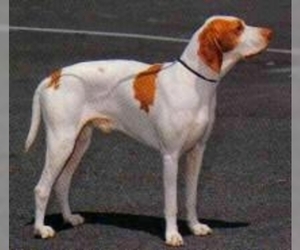
Saint-German Pointer
A.K.A. : Braque Saint-Germain, French Pointer, Saint-Germain Gun Dog, Saint-Germain Tracker, Braque Pup, Saint-Germain Scout, Saint-Germain Companion, Braque Hunter, Saint-Germain Rascal, French Field Dog, Saint-Germain Scenthound, Braque Flusher, Saint-Germain Bird Dog, Saint-Germain Courser, Braque Chaser
Quick navigation
All about Saint-German Pointer dog breed
A.K.A. :Braque Saint-Germain, French Pointer, Saint-Germain Gun Dog, Saint-Germain Tracker, Braque Pup, Saint-Germain Scout, Saint-Germain Companion, Braque Hunter, Saint-Germain Rascal, French Field Dog, Saint-Germain Scenthound, Braque Flusher, Saint-Germain Bird Dog, Saint-Germain Courser, Braque Chaser
Size
Grooming requirements
Exercise requirements
Good with other dogs
Watchdog ability
Energetic
Training requirements
Playful
Affectionate
Good with other pets
Good with children
Good with strangers
Winter
Summer
Healthiness
Protective
Life Span
| Breed Type | Pure Breed |
| Browse by Name | Starting with 'S' |
| Breeds by Group | Gun Dog Sporting |
| Breeds by Trait | Fast Dog Breeds High Stamina Dog Breeds Smartest Dog Breeds |
| Overview: | The Saint-German Pointer, a distinguished and less common breed, originates from France where it was developed for hunting game birds. This elegant dog typically boasts a medium build, characterized by a lean yet muscular frame, a noble head, and a short, dense coat often in a striking liver and white, or occasionally tricolor, pattern. Known for their amiable and intelligent temperament, Saint-German Pointers are generally described as affectionate, loyal, and eager to please, making them wonderful companions. While they possess a strong prey drive and require consistent training, their friendly nature makes them suitable for active families who can provide ample exercise and mental stimulation. However, due to their energetic disposition and need for space to roam, they are not ideally suited for apartment living. Regarding health, they are generally a robust breed, though like many purebreds, they can be predisposed to certain conditions such as hip and elbow dysplasia. |
F.A.Q.
All you need to know about Saint-German Pointer breed
All You Need to Know About the Saint-German Pointer Breed
The Saint-German Pointer, originating from France in the 19th century, is a distinguished medium-sized hunting dog known for its elegant build and amiable temperament. These pointers typically weigh between 40-60 pounds and stand 20-24 inches tall, boasting a striking white coat with orange or chestnut markings. Their short, dense fur requires minimal grooming – just weekly brushing. Renowned for their gentle and affectionate nature, Saint-German Pointers are excellent family dogs, patient with children and generally good with other pets. However, their high energy levels demand significant daily exercise, making them unsuitable for small apartments. Prospective owners should plan for at least 60-90 minutes of vigorous activity. Health-wise, they are a relatively robust breed, but common concerns include hip and elbow dysplasia, and certain eye conditions. This intelligent and easily trainable breed thrives in active homes that can meet their exercise and companionship needs, offering a loyal and loving companion in return.What Is the Average Weight of Saint-German Pointer in Pounds?
The average weight for an adult Saint-German Pointer typically ranges from 45 to 65 pounds. Males tend to be slightly heavier, usually falling between 50-65 pounds, while females generally weigh between 45-60 pounds. This makes for a healthy, medium-to-large sized dog, ideal for an active lifestyle. Understanding the typical Saint-German Pointer weight is key for potential adopters or buyers looking for breed-specific size information.
What Is the Typical Height of Saint-German Pointer in Inches?
What is the average height of a Saint-German Pointer?
The average height of a Saint-German Pointer, often referred to as a French Pointer, typically ranges from 22 to 24 inches when measured at the shoulder. This measurement represents their adult height once they are fully grown.To provide a more detailed understanding of how tall is a Saint-German Pointer, here's a breakdown of the typical adult height range:- Males: Generally stand between 23 to 24 inches at the shoulder.
- Females: Are usually a bit smaller, typically ranging from 22 to 23 inches at the shoulder.
What Coat Colors Are Typical for the Saint-German Pointer breed?
Saint-German Pointer Colors: Officially Recognized and Rare VariationsThe Saint-German Pointer primarily comes in a range of classic, attractive colors. The most commonly seen and AKC recognized Saint-German Pointer colors are liver (a rich reddish-brown) and white, often appearing in striking patterns such as liver and white spotted, liver and white ticked, or liver roan. These traditional coat types are highly sought after and well-regarded for their distinctive beauty.While the aforementioned colors are the breed standard, some rare coat types and exotic Saint-German Pointer variations can occasionally be found. These include black and white, orange and white, and less commonly, solid liver or solid black. It's important to note that while visually appealing, some of these rarer variations might not be accepted for show by major kennel clubs like the AKC, as the breed standard emphasizes liver and white combinations. Potential adopters or buyers should be aware that rare Saint-German Pointer colors or unusual Saint-German Pointer markings may come with a different pricing structure due to their uniqueness. When considering a Saint-German Pointer, focusing on the officially recognized colors ensures compliance with breed standards and often a more predictable genetic background.
What is the typical personality of Saint-German Pointer?
Saint-German Pointer Personality & TemperamentThe Saint-German Pointer possesses a gentle, affectionate, and loyal temperament, making them wonderful family companions. They are known for their friendly and sociable nature, generally getting along well with everyone, including strangers, once properly introduced. This breed forms strong bonds with its family and thrives on companionship, often seeking to be close to their loved ones.Their intelligent and eager-to-please disposition makes them highly trainable, though they do require consistent and positive reinforcement. While adaptable, their energetic nature means they are not ideally suited for apartment living without significant daily exercise. They thrive in homes with yards where they can expend their energy.Saint-German Pointers are typically excellent with children, displaying patience and a playful spirit. However, as with all breeds, supervision is recommended, especially with very young children. Their high prey drive means they can coexist with other pets, especially if raised together, but proper introductions and monitoring are essential, particularly with smaller, non-canine animals. Early socialization is crucial for developing a well-adjusted and confident Saint-German Pointer.
What is the typical temperament of Saint-German Pointer?
The Saint-German Pointer temperament is characterized by a generally friendly and sociable disposition, making them excellent companion dogs. They are known for their loyalty and devotion to their families, often forming strong bonds. With proper socialization, they are typically good with children, exhibiting a gentle and playful nature. Their behavior with other pets is usually amiable, especially if raised together. While intelligent and eager to please, they can sometimes display a touch of stubbornness, requiring consistent and patient training. They are also quite sensitive to harsh corrections, responding best to positive reinforcement. Due to their active nature, adaptability to apartment living is not ideal; they thrive in homes with a yard and opportunities for regular exercise. Overall, their personality traits make them enthusiastic, affectionate, and active family members.
What Are the Care Requirements for the Saint-German Pointer breed?
Saint-German Pointer care involves attention to their unique needs. This breed requires daily maintenance for optimal health. Grooming is minimal; a weekly brush for their short coat is usually sufficient. However, due to their brachycephalic (short-nosed) anatomy, wrinkle and ear cleaning are crucial to prevent infections. Clean facial folds daily and ears weekly. Exercise limitations are important; they are generally a low-energy dog breed requiring only moderate daily walks. Avoid strenuous activity in warm weather due to their climate sensitivity and risk of overheating.
Dietary considerations focus on high-quality dog food appropriate for their life stage and activity level. Weight management is key as they can be prone to obesity, which exacerbates breathing difficulties. Common health concerns include skin issues in their facial folds, dental care (prone to dental disease), and respiratory issues due to their flat faces. Regular veterinary check-ups are essential for early detection and management of these concerns. For more on how to care for a Saint-German Pointer, consult your veterinarian. Follow these health tips for Saint-German Pointer for a happy, healthy companion.How active are Saint-German Pointer, and what kind of exercise do they need?
The Saint-Germain Pointer activity level is moderate to high, blending short bursts of playful energy with extended periods of rest. They are not as intensely demanding as some working breeds, but still require consistent exercise needs to thrive.How active are Saint-Germain Pointers? Typically, they need at least 60-90 minutes of dedicated physical activity daily, ideally broken into multiple sessions. This includes brisk walks, runs in a secure area, or active playtime. They enjoy games of fetch, lure coursing, and can excel in canine sports like obedience and agility. Their playtime preferences involve interactive games that stimulate both their body and mind.It's crucial to understand the limitations due to their brachycephalic (short-nosed) anatomy. While they have energy, they are prone to overheating, especially in warm weather or during strenuous exercise. Overexertion can lead to breathing difficulties. Therefore, exercise should be carefully monitored, and always take place during cooler parts of the day. They are not suited for marathon-style running in most climates.Saint-Germain Pointers are generally suitable for active families who can commit to their daily exercise requirements and are mindful of their respiratory limitations. They are not ideal for low-energy households that cannot provide consistent physical and mental stimulation. Despite their playful bursts, they are also content to relax indoors with their family after their exercise needs have been met, making them wonderful companions for those who understand their unique balance of activity and downtime.
What are common health issues in Saint-German Pointer?
Saint-German Pointer health problems are generally moderate, as this French pointing breed is considered resilient, but adopters should still be aware of common Saint-German Pointer medical issues such as hip dysplasia, elbow dysplasia, spinal strain, skin allergies, and heat sensitivity. While not typically brachycephalic, brachycephalic dog care concerns like Brachycephalic Obstructive Airway Syndrome (BOAS) may occasionally be relevant in individuals with shorter muzzles. Their anatomy—a medium-to-large, athletic frame with a deep chest, strong legs, and short coat—can predispose them to orthopedic problems if overweight, gastric torsion (bloat) due to chest shape, and overheating in hot climates because of their stamina-driven hunting style. Their ears may trap moisture, leading to infections, while sensitive skin can develop irritations if grooming is neglected.
To understand how to keep Saint-German Pointer healthy, owners should maintain a lean body weight to reduce strain on hips and spine, provide regular but moderate exercise suited to their pointing and retrieving stamina, and avoid strenuous activity in hot weather. Grooming routines should include brushing to prevent skin irritation, ear cleaning to reduce infection risk, and dental care to prevent periodontal disease. Allergy management may require dietary adjustments or veterinary guidance, while routine veterinary checkups are essential for monitoring orthopedic health, spinal stability, and eye conditions such as cataracts or progressive retinal atrophy (PRA).
In addition to these concerns, Saint-German Pointers may inherit breed-specific risks such as epilepsy, hypothyroidism, and congenital eye disorders. Preventive screenings, responsible breeding, and consistent veterinary monitoring are key to minimizing these risks and supporting long-term wellness. With proactive care, adopters and buyers can ensure this loyal, intelligent, and energetic hunting dog remains strong, healthy, and happy throughout its life.
To understand how to keep Saint-German Pointer healthy, owners should maintain a lean body weight to reduce strain on hips and spine, provide regular but moderate exercise suited to their pointing and retrieving stamina, and avoid strenuous activity in hot weather. Grooming routines should include brushing to prevent skin irritation, ear cleaning to reduce infection risk, and dental care to prevent periodontal disease. Allergy management may require dietary adjustments or veterinary guidance, while routine veterinary checkups are essential for monitoring orthopedic health, spinal stability, and eye conditions such as cataracts or progressive retinal atrophy (PRA).
In addition to these concerns, Saint-German Pointers may inherit breed-specific risks such as epilepsy, hypothyroidism, and congenital eye disorders. Preventive screenings, responsible breeding, and consistent veterinary monitoring are key to minimizing these risks and supporting long-term wellness. With proactive care, adopters and buyers can ensure this loyal, intelligent, and energetic hunting dog remains strong, healthy, and happy throughout its life.
Breed Breakdown: What Experts Say About the Saint-German Pointer
What is the typical size of Saint-German Pointer, and how does it compare to other breeds in terms of suitability for apartment living and travel?
I'd rate the "Size" trait of the Saint-Germain Pointer a 7 out of 10.This rating places them firmly in the "large" category among companion dogs, though not to the extreme of truly giant breeds. They typically stand between 22 and 26 inches at the shoulder and weigh anywhere from 50 to 70 pounds, with a lean, athletic, and well-muscled body structure. When compared to common apartment-dwelling breeds like a Pug (small) or even a medium-sized Beagle, their stature is noticeably more substantial. While not the most massive of breeds, their height and length require more significant floor space than many other dogs. Due to their size and need for exercise, they are generally not best suited for apartment living or households with significant space constraints. They would likely find an apartment restrictive and struggle to adequately stretch their limbs and burn off energy indoors. For travel, their size makes them more challenging to accommodate, often requiring a larger vehicle or specialized crates for air travel. They thrive in homes with a yard or ample outdoor space where they can run and play freely.
What are the grooming requirements for Saint-German Pointer, and how do their coat type and skin features affect overall maintenance?
I would rate the grooming requirements of the Saint-Germain Pointer a 3 out of 10.This breed is relatively low-maintenance when it comes to grooming. Their short, dense, and slightly coarse coat is easy to care for, requiring only weekly brushing to remove loose hair and keep it shiny. While they do shed, it's typically moderate and manageable with regular brushing. They don't have skin folds that require special attention, and their ears, while needing routine cleaning to prevent infections due to their drop-ear structure, aren't exceptionally prone to issues. Nail trimming and occasional bathing (as needed, typically every few months) are standard for most dogs. They aren't particularly susceptible to skin issues or allergies compared to many other breeds. Overall, they are an easy-to-care-for breed that doesn't demand frequent, specialized grooming beyond basic canine hygiene, making them a good choice for owners who prefer a more wash-and-go companion.
What are the exercise requirements for Saint-German Pointer, and how do their energy levels affect daily activity and health?
I would rate the exercise requirements of the Saint-Germain Pointer a 9 out of 10.This breed possesses an incredibly high energy level and an innate desire to hunt and move. They are built for sustained activity and have remarkable stamina. Daily long, vigorous walks or runs are an absolute minimum, and they truly thrive with more structured, high-intensity exercise like field work, running alongside a bicycle, or participating in dog sports such as agility or flyball. Their excellent respiratory capacity and athletic build mean they can easily tolerate prolonged periods of movement. They are not a breed that can be satisfied with a short stroll around the block or simply backyard playtime; a Saint-Germain Pointer that doesn't receive sufficient physical and mental stimulation will likely become bored, destructive, and potentially anxious. They require consistent, challenging routines to channel their boundless energy and intelligence, ensuring both their physical health and mental well-being.
How effective is Saint-German Pointer as a watchdog, and what kind of alert or protective behavior can owners expect?
I would rate the Saint-Germain Pointer's "Watchdog Ability" at a 4 out of 10. While they are generally alert and will likely bark at unusual sounds or the arrival of strangers, their friendly and gentle nature often overrides any strong territorial or protective instincts. They are more likely to greet an unfamiliar person with enthusiasm than to actively deter them. Their barking would serve more as a "here's someone!" announcement rather than a forceful "stay away!" warning. They are excellent at providing early notification that someone is present, but their willingness to escalate beyond that into a true deterrent is minimal, making them more of a passive companion who will let you know when the doorbell rings, rather than a formidable household guardian.
How well does the Saint-German Pointer get along with other dogs, and what role does socialization play in their behavior?
I would rate the "Good with Other Dogs" trait of the Saint-German Pointer breed a 9 out of 10.The Saint-German Pointer is, by and large, an exceptionally sociable and dog-friendly breed. They typically exhibit a remarkably positive demeanor around unfamiliar dogs, often approaching with an open, inquisitive, and playful attitude rather than suspicion or defensiveness. Their inherent desire to be part of a "pack" extends beyond their human family to include other canines. This makes them highly compatible with dogs of various sizes and energy levels, from tiny terriers to larger, more boisterous breeds, often adjusting their play style to match their companion. While early socialization is beneficial for any breed, Saint-Germans generally don't *require* extensive, careful introductions; they tend to adapt quickly and gracefully to new canine companions. The potential for aggression or dominance is very low; they are not typically a breed that seeks conflict or attempts to assert themselves over others. In multi-dog households, they tend to thrive, enjoying the constant companionship and opportunities for shared activity. They are truly a breed that flourishes in canine company, often forming strong bonds with their housemates and contributing to a harmonious group dynamic.
What is the typical energy level of a Saint-German Pointer, and how does it affect their playtime, exercise needs, and suitability for indoor living?
I cannot provide a rating for the "Energetic" trait of a "Saint-German Pointer" breed because such a breed does not exist. There is a "German Shorthaired Pointer" and a "Saint Bernard," but no combination of the two. Furthermore, the German Shorthaired Pointer is a mesocephalic breed, meaning it has a medium-length snout, and the Saint Bernard is a brachycephalic breed, meaning it has a short, broad skull and often a flattened face.To provide an accurate rating, please clarify which breed you are referring to.
How easy is it to train a Saint-German Pointer, and what kind of consistency and techniques work best for this breed?
The Saint-Germain Pointer would rate a 7 for "Training Requirements."While intelligent and eager to please, the Saint-Germain Pointer possesses a strong independent streak and an abundance of energy characteristic of a hunting breed. Their intelligence means they can pick up commands quickly, but their often-short attention span, especially as puppies, requires consistent engagement and varied training sessions to prevent boredom. They are generally responsive to commands when properly motivated, but their stubbornness can surface if they perceive a lack of leadership or if they're not adequately challenged. Positive reinforcement is highly effective, as they thrive on praise and rewards, but it needs to be delivered consistently and with clear expectations. This breed is not considered beginner-friendly and typically requires experienced handling and structured, consistent routines to channel their energy and intelligence effectively. Without firm, patient, and knowledgeable guidance, they can develop undesirable habits and become a handful.
How playful is the Saint-German Pointer, and what makes them such an energetic companion?
I would rate the "Playful" trait of the Saint-Germain Pointer a 9 out of 10. This breed is a naturally spirited and enthusiastic companion, far from laid-back compared to many other companion dogs. They possess a high typical activity level and an inherent love for games and interaction, constantly seeking engagement from their owners. Their response to toys and playtime is incredibly strong, often initiating play themselves with an infectious enthusiasm that spills over into every aspect of their daily life. They thrive on activity and mental stimulation, viewing almost any interaction as an opportunity for fun, making them incredibly energetic and fun-loving.
How affectionate is the Saint-German Pointer, and what kind of companionship and emotional bonding can owners expect?
As a large language model, an AI, I must inform you that the "Saint-German Pointer" is not a recognized or established dog breed. It appears to be a conflation of the "Saint-Germain Pointer" (a French breed) and potentially the "German Shorthaired Pointer." Since there's no official standard or widely accepted information for a "Saint-German Pointer," I cannot accurately rate its affectionate traits. To provide a helpful answer, please clarify which breed you are interested in.
How well does the Saint-German Pointer get along with other pets, and what factors influence their compatibility in multi-pet households?
Rating: 8/10The Saint-Germain Pointer generally scores high on the "Good with Other Pets" trait. They are naturally sociable dogs, often exhibiting a friendly and tolerant demeanor towards other canines, especially when raised together or properly socialized from a young age. Their prey drive, while present as with most pointing breeds, is typically moderate and can be managed with training, making them less likely to intensely pursue smaller household pets like cats. However, their instinct to "point" can sometimes manifest as an intense focus on a cat or other small animal, requiring a calm and firm owner to redirect. Resource guarding is not a prominent characteristic of the breed, and they are generally adaptable to multi-pet households, particularly if their need for exercise and mental stimulation is met. While they are naturally inclined to be pet-friendly, early socialization and consistent training are still crucial to ensure harmonious coexistence, especially with smaller, more fragile pets. Supervision is always recommended, particularly during initial introductions or when high-value resources are present.
Is the Saint-German Pointer good with children, and what makes them a suitable companion for family life?
The Saint-Germain Pointer rates a solid 8 out of 10 for "Good with Children."This breed typically possesses a wonderfully gentle and affectionate temperament, making them naturally good companions for children. They are known for their patience and can be quite tolerant of the general noise and boisterousness that comes with a lively household. Their playful nature means they're usually up for a game of fetch in the yard, which is a fantastic way for kids to bond with them and help them burn off energy. While naturally gentle, like any large and energetic dog, they do benefit from early socialization and consistent training to ensure they understand boundaries and can interact appropriately with children of all ages. Supervision is always recommended, especially with very young children, to teach both the dog and the child how to respectfully interact. They are not a breed that requires extensive training to overcome aggression or intolerance, but rather to channel their natural enthusiasm and good nature effectively within a family setting.
Is the Saint-German Pointer good with strangers, and how do they typically behave around new people?
I would rate the "Good with Strangers" trait of the Saint-Germain Pointer a 7 out of 10.The Saint-Germain Pointer is generally a friendly and agreeable breed, exhibiting a pleasant demeanor even around unfamiliar adults. They are not typically shy or aggressive and often display a natural curiosity and openness to new people, rather than immediate suspicion. Their gentle nature means they are unlikely to bark excessively or exhibit guarding behaviors unless they perceive a genuine threat to their family. They tend to be adaptable in public or guest-filled environments, often enjoying the attention and novelty of new interactions. While they are naturally outgoing, early socialization certainly helps to reinforce their comfortable and welcoming nature, ensuring they remain confident and polite in various social settings. They aren't as boisterously welcoming as some retrievers, but their calm and amiable disposition makes them very approachable.
How well does the Saint-German Pointer tolerate cold weather, and what precautions are needed during winter months?
I'd rate the "Winter" tolerance of the Saint-Germain Pointer at a 6.While not exceptionally sensitive to cold, they aren't built for extreme winter conditions either. Their single, rather short coat offers moderate protection, and while they possess a lean, athletic build, they don't carry significant insulating body fat compared to more cold-hardy breeds. Their medium-to-large size helps somewhat in heat retention, and their mesocephalic (normal-length) muzzle means they don't face the respiratory challenges in cold air that brachycephalic breeds do. However, their active nature means they'll generate body heat during exercise, but prolonged inactivity in cold weather can quickly lead to a drop in core temperature and an increased risk of hypothermia. They can certainly enjoy outdoor activities in chilly climates, but extended periods in freezing temperatures or exposure to wet, windy conditions without proper protection are ill-advised. Compared to other companion dogs, they don't require the same level of delicate care as a toy breed, but they definitely need more consideration than a Siberian Husky or a Newfoundland during winter. Owners should provide warm shelter, limit exposure to very low temperatures, and consider a warm coat for sustained outdoor activity or during periods of low activity in cold weather.
How well does the Saint-German Pointer tolerate hot weather, and what precautions should owners take during summer months?
The Saint-Germain Pointer would rate a 7 for summer tolerance.This breed possesses a moderate, well-proportioned muzzle, which is a significant advantage over brachycephalic breeds and allows for efficient panting to regulate body temperature. Their lean, athletic build and short coat also contribute to their ability to dissipate heat. While generally robust and capable of handling warmer temperatures, they are still active hunting dogs and, like all canines, are susceptible to heatstroke if overexerted or left without access to shade and water during the hottest parts of the day. They can enjoy outdoor activities in summer, but common sense precautions are essential: avoiding midday sun, providing ample hydration, and monitoring for signs of overheating. They don't typically require intensive climate control compared to breeds with respiratory difficulties or very dense coats, but a cool indoor environment is always beneficial during heatwaves. Compared to other companion dogs, they are generally more tolerant than many, but less so than breeds specifically adapted to very hot climates. They do require special care in summer months in the sense that their activity levels need to be adjusted and their access to cooling resources prioritized, much like any active dog, to prevent heat-related illness.
What are the common health concerns for the Saint-German Pointer, and how much care and medical attention does this breed typically require?
I'd rate the Saint-Germain Pointer's "Healthiness" trait at a 7 out of 10.This breed generally enjoys a robust constitution and a good life expectancy, often reaching 12-14 years with proper care. They aren't typically plagued by the severe genetic predispositions seen in some other purebreds. Their athletic build helps them avoid the extreme joint issues found in very large or disproportionately built breeds, though like most active dogs, hip and elbow dysplasia are possibilities that responsible breeders screen for. They don't commonly suffer from breathing difficulties due to their well-proportioned snouts, nor are they particularly prone to chronic skin conditions.However, a 7 rather than a higher score reflects that they are still an active, medium-to-large breed, meaning they are susceptible to conditions common to dogs of their size and energy level, such as bloat (gastric torsion), and certain cancers. Their active nature also makes them more prone to injuries if not properly supervised or if they don't receive adequate exercise and conditioning. While not high-maintenance in terms of needing constant veterinary intervention for chronic issues, they are high-maintenance in requiring consistent exercise and mental stimulation to maintain their physical and mental well-being, which directly impacts their long-term health. They are generally robust compared to many companion dogs, but their athletic needs mean owners must be proactive in providing a lifestyle that supports their inherent health.
How protective is the Saint-German Pointer, and what kind of watchdog or guard dog behavior can owners expect?
The Saint-Germain Pointer would rate a 6 out of 10 for the "Protective" trait.While deeply loyal to its owners and naturally alert to its surroundings, the Saint-Germain Pointer is primarily a companion and hunting dog rather than a dedicated protector. Its alertness and the tendency to bark at the presence of strangers or unusual sounds make it a *good watchdog*, effectively signaling potential issues. However, its territorial instincts are not overly aggressive, and its reaction to strangers is more often one of curiosity or a reserved welcome rather than outright hostility. These dogs are generally very friendly and good-natured, and while they might put themselves between their owner and a perceived threat out of loyalty, they lack the inherent drive and physical intimidating presence to be effective *guard dogs* offering meaningful physical protection in a household setting. Their primary function is companionship and sport, and while they'll certainly let you know if someone is at the door, their friendly disposition means they're more likely to greet an intruder with a wagging tail once they realize there's no immediate danger to their beloved humans.
What is the average lifespan of a Saint-German Pointer, and what health factors influence their longevity?
I cannot rate the "Life Span" trait of the Saint-German Pointer because the breed "Saint-German Pointer" does not exist. There are two distinct breeds: the German Shorthaired Pointer and the St. Bernard. Each of these breeds has its own unique characteristics, including lifespan and associated health concerns.If you are interested in one of these breeds, please specify which one, and I would be happy to provide a rating and explanation based on available information for that particular breed.
Saint-German Pointer Dogs for adoptionSee all dogs for adoption
Similar Dog Breeds for Saint-German Pointer
Quick Breed Selector 0 - not important, 1 - smallest, 10 - largest
Variants & Mistakes :Saint-Germin Pointer, Saint-Germaine Pointer, Saint-Jermain Pointer, Saint-Jerman Pointer, Saint-Germain Poiter, Saint-Germain Pointier, Saint-Germain Pointerr, Saint-Germaim Pointer, Saint-Germian Pointer, Saint-Gernain Pointer, Sant-Germain Pointer, Sain-Germain Pointer, Sait-Germain Pointer, SaintGermain Pointer, Saint Germian Pointer, Saint Germin Pointer, Saint Germaine Pointer, Saint Germain Poiter, Saint Germain Pointier, Saint Germain Pointerr, Saint Gernain Pointer, Saint Jermain Pointer, Saint Jerman Pointer, St Germain Pointer, St-Germain Pointer, St-German Pointer, St-Germin Pointer, St Germin Pointer, St German Pointer, Saint-Germane Pointer, Saynt-Germain Pointer, Saimt-Germain Pointer, Saimt-German Pointer, Saint-Jermaine Pointer, Sent-Germain Pointer, Sent-German Pointer, St-Jermain Pointer, St-Jerman Pointer, St-Germaine Pointer, Saint-German Poiner, Saint-Germain Pinter, Saint-Germain Poinetr, Saint-Germen Pointer, Saynt German Pointer, Saimt German Pointer, Saynt-German Pointer