Pure Breeds
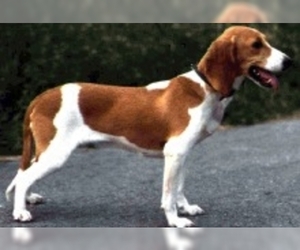
Smaller Schwyz Hound
A.K.A. : Petite Schwyzois, Small Schwyz Hound, Schwyzer Niederlaufhund, Petite Chien Courant Suisse Schwyzois, Niederschweizerlaufhund, Kleine Schwyzer Laufhund
Quick navigation
All about Smaller Schwyz Hound dog breed
A.K.A. :Petite Schwyzois, Small Schwyz Hound, Schwyzer Niederlaufhund, Petite Chien Courant Suisse Schwyzois, Niederschweizerlaufhund, Kleine Schwyzer Laufhund
Size
Grooming requirements
Exercise requirements
Good with other dogs
Watchdog ability
Energetic
Training requirements
Playful
Affectionate
Good with other pets
Good with children
Good with strangers
Winter
Summer
Healthiness
Protective
Life Span
| Breed Type | Pure Breed |
| Browse by Name | Starting with 'S' |
| Breeds by Group | Hound Scenthound |
| Breeds by Trait | High Stamina Dog Breeds |
| Overview: | The Smaller Schwyz Hound, or Kleine Schwyzer Niederlaufhund, is a delightful and less common scent hound originating from the Swiss Alps, specifically the canton of Schwyz. Bred for hunting small game like fox and hare, this dog possesses a keen sense of smell and a natural tracking ability. Physically, they are compact and muscular, typically weighing between 22-33 pounds and standing 14-17 inches tall, characterized by their striking white coat with reddish-brown patches and soulful dark eyes. In terms of temperament, they are generally friendly, lively, and intelligent, forming strong bonds with their families. While adaptable, their energetic nature means they thrive with regular exercise and mental stimulation, making them better suited for active families or those with access to a yard rather than confined apartment living. They are generally considered a healthy breed, with a life expectancy of 12-14 years, though like all breeds, they can be prone to hip and elbow dysplasia. |
F.A.Q.
All you need to know about Smaller Schwyz Hound breed
All You Need to Know About the Smaller Schwyz Hound Breed
The Smaller Schwyz Hound, a delightful and lesser-known Swiss scent hound, originates from Switzerland and is celebrated for its keen tracking abilities and pleasant disposition. These medium-sized dogs typically exhibit a friendly, intelligent, and even-tempered temperament, making them wonderful companions. Physically, they possess the classic hound look with a short, smooth coat, often in a striking white with orange or red patches. Their moderate size means they can adapt to family living and, with sufficient exercise, can even be suitable for apartment living. Grooming is relatively low-maintenance, requiring only occasional brushing. However, their active nature demands daily exercise, including walks and opportunities to explore with their nose. While generally robust, potential owners should be aware of common hound ailments like ear infections and hip dysplasia. If you're seeking a loyal, active, and affectionate family dog, the Smaller Schwyz Hound might be your perfect match.What Is the Average Weight of Smaller Schwyz Hound in Pounds?
Smaller Schwyz Hound Weight & SizeThe average weight for a Smaller Schwyz Hound is generally between 33 to 44 pounds (15-20 kg).Healthy weight for Smaller Schwyz Hound adults typically falls within this range, with minimal variation between males and females. While males might be slightly heavier and more muscular, the difference in Smaller Schwyz Hound weight is not significant enough to warrant separate weight ranges. This breed is known for its compact yet robust build.
What Is the Typical Height of Smaller Schwyz Hound in Inches?
Curious about the Smaller Schwyz Hound height? These charming scent hounds are known for their compact yet sturdy build. When considering "how tall is a Smaller Schwyz Hound," you'll find they are a medium-sized breed.
Average Height of a Smaller Schwyz Hound:
The average size for an adult Smaller Schwyz Hound, measured at the shoulder (withers), typically ranges from 14.2 to 17.7 inches (36 to 45 cm).Variations in Height:
- Gender: While there isn't a dramatic difference, males tend to fall at the higher end of the range, often being slightly taller and more substantial than females. Females are usually found at the lower to middle end of the spectrum.
- Individual Genetics: As with any breed, individual genetics can play a role. Some dogs may be slightly smaller or larger than the typical range, depending on their lineage and the size of their parents.
- Nutrition and Health: Proper nutrition during growth and overall health can also influence a dog's final adult size.
What Coat Colors Are Typical for the Smaller Schwyz Hound breed?
The Smaller Schwyz Hound traditionally comes in a striking white coat with large lemon-yellow patches. This classic white and lemon-yellow combination is the officially recognized color for the breed by major international kennel clubs. While there are no AKC-recognized Smaller Schwyz Hound colors as the breed is not currently recognized by the AKC, the international standard exclusively describes this beautiful bi-color. There are no known rare coat types or exotic Smaller Schwyz Hound variations such as blue, lilac, merle, or chocolate within the breed. Potential adopters should expect to see the distinctive white and lemon-yellow patterning, which is a hallmark of the breed.
What is the typical personality of Smaller Schwyz Hound?
Smaller Schwyz Hound Personality & TemperamentThe Smaller Schwyz Hound personality is generally described as friendly, loyal, and good-natured. These dogs are known for their affectionate disposition and form strong bonds with their families. Their temperament of Smaller Schwyz Hound is typically sociable, enjoying the company of people and often getting along well with other dogs and even cats, especially if introduced early and properly socialized. While not ideally suited for small apartment living due to their active nature and need for regular exercise, they are adaptable and can thrive in homes with a yard or owners committed to providing daily outdoor activity. They are generally good with children, displaying patience and a playful spirit, making them wonderful family companions. As a scenthound, they possess a keen sense of smell and can be prone to following interesting scents, so a secure yard and leash training are essential. They are intelligent and eager to please, making them relatively trainable with consistent, positive reinforcement.
What is the typical temperament of Smaller Schwyz Hound?
The Smaller Schwyz Hound temperament is generally described as friendly, sociable, and affectionate, making them excellent companion dogs. They are known for their loyalty to their families and bond deeply with their owners. While adaptable, their moderate energy levels mean they are not ideally suited for apartment living without significant daily exercise and mental stimulation; a home with a yard is preferable. They are typically good with children, especially if raised together, and their gentle nature usually extends to other pets with proper introductions. These hounds can exhibit a degree of stubbornness, a common trait in scent hounds, requiring patient and consistent training. They are generally not overly sensitive but thrive on positive reinforcement. Their affable personality traits make them a joyful addition to an active family looking for a devoted and good-natured canine companion.
What Are the Care Requirements for the Smaller Schwyz Hound breed?
Smaller Schwyz Hound Care & Daily MaintenanceThe Smaller Schwyz Hound care routine focuses on consistent, practical attention to ensure a happy, healthy companion. This is a relatively low-energy dog breed, requiring moderate daily exercise like walks and playtime rather than intense activity.Grooming Needs: Their short, smooth coat needs minimal grooming – a weekly brush to remove loose hair and a bath as needed will suffice.Dietary Considerations: A high-quality, balanced diet appropriate for their age, size, and activity level is crucial for Smaller Schwyz Hound health. Monitor portion sizes closely to prevent obesity, as they can be prone to weight gain.Wrinkle and Ear Cleaning: Due to their brachycephalic (flat-faced) anatomy, regular wrinkle and ear cleaning is essential to prevent infections and irritation. Gently wipe facial folds and ears with a damp cloth or pet-safe wipes several times a week.Climate Sensitivity: Their brachycephalic structure also makes them sensitive to extreme temperatures, especially heat. Avoid strenuous exercise during hot weather and ensure they always have access to shade and fresh water. Air conditioning is recommended in warmer climates.Common Health Concerns & Health Tips for Smaller Schwyz Hound: Be mindful of potential skin issues within their facial folds, which can be managed with proper cleaning. Regular dental care is vital; brush their teeth daily and schedule professional cleanings as recommended by your vet. Weight management is a key aspect of their long-term health, directly impacting their joints and overall well-being. Regular veterinary check-ups are paramount for early detection and prevention of any health concerns.
How active are Smaller Schwyz Hound, and what kind of exercise do they need?
Smaller Schwyz Hound Activity Level and Exercise NeedsThe Smaller Schwyz Hound activity level is moderate, offering a good balance for many households. They are not hyperactive but require consistent daily exercise to stay healthy and happy. Typically, they need at least 60 minutes of moderate activity per day, which can be broken into several sessions.Their exercise needs are met through a combination of:* Daily walks: Two to three brisk walks are usually sufficient.* Playtime: They enjoy interactive play like fetch or scent games in a secure yard.* Mental stimulation: Puzzle toys and training sessions help engage their minds.How active are Smaller Schwyz Hound? They are known for short bursts of energy followed by long periods of rest. While they might be enthusiastic during a game of fetch, they are equally content to nap on the couch afterward. This makes them suitable for families who enjoy regular outdoor activity but also appreciate a calm indoor companion.Limitations due to brachycephalic anatomy: It's crucial to be aware of their brachycephalic (short-nosed) anatomy. This can make them prone to overheating and respiratory difficulties, especially in warm weather or during intense exercise.* Avoid strenuous activity in heat: Exercise should be limited or moved indoors during hot or humid conditions.* Monitor breathing: Pay close attention to their breathing during exercise; excessive panting or labored breathing indicates they need a rest.* Short, frequent exercise: It's better to have several shorter walks or play sessions than one long, intense one.Suitability: The Smaller Schwyz Hound is generally suitable for families who can commit to daily walks and playtime. They can adapt to both active families who enjoy leisurely hikes and low-energy households that prefer consistent, moderate exercise. However, they are not ideal for extremely sedentary lifestyles or for those seeking a dog for high-intensity sports. Their moderate exercise needs make them a versatile and loving companion.
What are common health issues in Smaller Schwyz Hound?
Smaller Schwyz Hound health problems are generally moderate, as this Swiss scent hound is considered robust, but adopters should still be aware of common Smaller Schwyz Hound medical issues such as hip dysplasia, spinal strain, ear infections, skin allergies, and heat sensitivity. While not typically brachycephalic, brachycephalic dog care concerns like Brachycephalic Obstructive Airway Syndrome (BOAS) may occasionally be relevant in individuals with shorter muzzles. Their anatomy—a medium-sized, deep-chested frame with long ears and a short, dense coat—can predispose them to orthopedic problems if overweight, gastric torsion (bloat) due to chest shape, and overheating in hot climates because of their stamina-driven hunting style. Their ears may trap moisture, leading to infections, while sensitive skin can develop irritations if grooming is neglected.
To understand how to keep Smaller Schwyz Hound healthy, owners should maintain a lean body weight to reduce strain on hips and spine, provide regular but moderate exercise suited to their scent-tracking stamina, and avoid strenuous activity in hot weather. Grooming routines should include brushing to prevent skin irritation, ear cleaning to reduce infection risk, and dental care to prevent periodontal disease. Allergy management may require dietary adjustments or veterinary guidance, while routine veterinary checkups are essential for monitoring orthopedic health, spinal stability, and eye conditions such as cataracts or progressive retinal atrophy (PRA).
In addition to these concerns, Smaller Schwyz Hounds may inherit breed-specific risks such as epilepsy, hypothyroidism, and congenital eye disorders. Preventive screenings, responsible breeding, and consistent veterinary monitoring are key to minimizing these risks and supporting long-term wellness. With proactive care, adopters and buyers can ensure this loyal, intelligent, and energetic scent hound remains strong, healthy, and happy throughout its life.
To understand how to keep Smaller Schwyz Hound healthy, owners should maintain a lean body weight to reduce strain on hips and spine, provide regular but moderate exercise suited to their scent-tracking stamina, and avoid strenuous activity in hot weather. Grooming routines should include brushing to prevent skin irritation, ear cleaning to reduce infection risk, and dental care to prevent periodontal disease. Allergy management may require dietary adjustments or veterinary guidance, while routine veterinary checkups are essential for monitoring orthopedic health, spinal stability, and eye conditions such as cataracts or progressive retinal atrophy (PRA).
In addition to these concerns, Smaller Schwyz Hounds may inherit breed-specific risks such as epilepsy, hypothyroidism, and congenital eye disorders. Preventive screenings, responsible breeding, and consistent veterinary monitoring are key to minimizing these risks and supporting long-term wellness. With proactive care, adopters and buyers can ensure this loyal, intelligent, and energetic scent hound remains strong, healthy, and happy throughout its life.
Breed Breakdown: What Experts Say About the Smaller Schwyz Hound
What is the typical size of Smaller Schwyz Hound, and how does it compare to other breeds in terms of suitability for apartment living and travel?
I would rate the "Size" trait of the Smaller Schwyz Hound at a 4.While its name includes "Smaller," this breed isn't truly miniature or toy-sized. They are compact, but still solidly built. Males typically stand between 43-51 cm (17-20 inches) at the shoulder and weigh around 15-20 kg (33-44 pounds). Females are slightly smaller. This places them firmly in the medium-small to small-medium range when compared to the vast spectrum of dog breeds. They are larger than breeds like Chihuahuas or Pomeranians (which would be 1s or 2s) but significantly smaller than Golden Retrievers or German Shepherds (which would be 7s or 8s). Their body structure is athletic and robust rather than delicate.This size makes them quite versatile. They are well-suited for apartment living provided they receive adequate daily exercise, as they don't take up an excessive amount of space indoors. Their moderate size also makes them convenient for travel, fitting comfortably in most cars and being manageable in public spaces. Households with space constraints would find a Smaller Schwyz Hound to be a suitable companion, as they are not overwhelming in their physical presence.
What are the grooming requirements for Smaller Schwyz Hound, and how do their coat type and skin features affect overall maintenance?
I would rate the Smaller Schwyz Hound's grooming requirements as a 3. This breed is relatively low-maintenance, especially when compared to many other companion dogs. Their short, smooth, and dense coat sheds moderately, but it's easily managed with weekly brushing to remove loose hair and keep it healthy. They don't have extensive skin folds that require specialized cleaning, and their ears, while needing regular checks and cleaning due to their droopy nature, aren't excessively prone to infections if kept dry and free of wax buildup. Nail trimming is standard for any dog and can be done as needed, typically every few weeks. Bathing is only required when they get dirty, not on a strict schedule, as their coat naturally repels a good amount of grime. They are not known for a high susceptibility to skin issues or allergies, which further simplifies their care. Overall, they are an easy-to-care-for breed that doesn't demand frequent or specialized grooming, making them a good choice for owners who prefer a more hands-off approach to coat maintenance.
What are the exercise requirements for Smaller Schwyz Hound, and how do their energy levels affect daily activity and health?
I'd rate the "Exercise Requirements" of the Smaller Schwyz Hound as a 7 out of 10.This breed, while smaller than its larger hound relatives, still possesses the innate drive and stamina of a scenthound. They are not a breed content with a quick stroll around the block. Their energy levels are quite high, and they thrive on sustained movement and activities that engage both their physical body and their keen sense of smell. Daily activity recommendations would include at least one long, brisk walk or jog, ideally lasting 60-90 minutes, and opportunities for off-leash running in a secure area. They have good tolerance for sustained movement and possess the endurance to keep going for extended periods. Unlike some brachycephalic breeds, the Smaller Schwyz Hound does not have respiratory limitations that would significantly hinder their exercise capacity, allowing them to participate in more vigorous activities. They are well-suited for various types of exercise beyond just walking; playtime involving scent games, chasing balls, or even some introductory agility or obedience work would be highly beneficial for their mental stimulation. They are a breed that truly requires and thrives on structured routines that include ample physical activity to stay healthy, prevent boredom, and avoid destructive behaviors that can arise from pent-up energy. Minimal activity would quickly lead to an overweight, bored, and potentially destructive dog.
How effective is Smaller Schwyz Hound as a watchdog, and what kind of alert or protective behavior can owners expect?
Rating: 4/10The Smaller Schwyz Hound, while generally good-natured and friendly, isn't typically renowned for its watchdog capabilities. They are more likely to greet a stranger with a wagging tail than a warning bark. While they possess a keen sense of smell and can be alert to unusual scents or sounds, their inherent friendliness and desire to be liked often outweigh strong territorial instincts or a drive to deter intruders. Their barking tends to be more communication-oriented (e.g., "I'm bored," "I want to play") rather than a consistent alarm signal. They might offer a brief bark at an unfamiliar sound, but it's unlikely to be sustained or intimidating enough to be an effective deterrent. For the most part, they are passive companions who, while perhaps providing a very mild early warning if something truly out of the ordinary occurs, are not built to be highly vigilant or effective household watchdogs.
How well does the Smaller Schwyz Hound get along with other dogs, and what role does socialization play in their behavior?
I would rate the "Good with Other Dogs" trait of the Smaller Schwyz Hound at a 7. Smaller Schwyz Hounds are generally considered to be quite sociable and good-natured, and this often extends to their interactions with other dogs. Their hound heritage often means they are accustomed to working or living in packs, which can contribute to a natural inclination towards canine companionship. They are typically not prone to aggression or strong dominance displays, and with proper socialization from a young age, they can adapt well to various canine company, including dogs of different sizes and energy levels. They tend to enjoy canine company and often thrive in multi-dog households.However, like all hounds, they possess a strong prey drive, which, while usually directed at small game, could potentially be a factor to consider around very small or high-energy dogs if not properly managed. While generally friendly, individual personalities can vary, and careful introductions are always a good practice, especially with unfamiliar dogs, to ensure a positive experience. They are not typically a breed that requires extensive, specialized training to coexist peacefully, but consistent positive reinforcement and early exposure to a variety of dogs will help them reach their full potential as sociable companions.
What is the typical energy level of a Smaller Schwyz Hound, and how does it affect their playtime, exercise needs, and suitability for indoor living?
I would rate the "Energetic" trait of the Smaller Schwyz Hound as a 7 out of 10. This breed, while smaller than its larger Swiss Hound cousins, still retains a good deal of the typical hound energy and drive. They are naturally active dogs, bred for scent work and tracking, which requires a moderate to high level of stamina and a desire to be on the move. They aren't hyperactive, but definitely not laid-back; they thrive on regular exercise and mental stimulation. Their playfulness is moderate to high, enjoying games and interacting with their owners. They have a good amount of endurance for their size and are well-suited for various outdoor activities like long walks, hikes, or even scent work trials.It's important to note that the Smaller Schwyz Hound is not a brachycephalic breed. The Schwyz Hound, regardless of size, has a well-proportioned muzzle, not a shortened one. Therefore, their breathing and exercise tolerance are not significantly impacted by a brachycephalic anatomy. This allows them to maintain their typical hound stamina and enjoy physical activities without the respiratory difficulties sometimes seen in truly brachycephalic breeds. Their need for physical stimulation is moderate to high to prevent boredom and destructive behaviors, making them a good fit for active individuals or families who can provide consistent opportunities for exercise and engagement.
How easy is it to train a Smaller Schwyz Hound, and what kind of consistency and techniques work best for this breed?
Rating the "Training Requirements" of the Smaller Schwyz Hound breed is a bit challenging due to the lack of readily available, specific information that clearly delineates their training characteristics distinct from other similar scent hounds. However, drawing on general knowledge of scent hounds and breeds with a strong prey drive, we can make an informed estimate.I would rate the training requirements for the Smaller Schwyz Hound a 7.This rating reflects that while they are likely intelligent enough to learn commands, their inherent hound nature – characterized by a powerful sense of smell and a strong prey drive – makes them prone to distraction and independent thinking. They will likely exhibit a degree of stubbornness, especially when their nose leads them. Their attention span, when a captivating scent is present, will be short for human-given commands. Responsiveness to commands will require significant effort and consistency to override their natural instincts. Positive reinforcement will be effective, but it will need to be extremely high-value and delivered promptly to compete with environmental stimuli. This breed is not particularly beginner-friendly when it comes to training. They will require experienced handling, a very structured routine, and a great deal of patience and consistency from their owner to become well-behaved and reliable off-leash. Owners must be prepared for a long-term commitment to training and socialization, understanding that their hound's nose will often be their primary guide.
How playful is the Smaller Schwyz Hound, and what makes them such an energetic companion?
The Smaller Schwyz Hound, while generally amiable and good-natured, would receive a 6 out of 10 for playfulness. They are certainly not inactive, enjoying a good run and engaging in games with their families, particularly when it involves their keen sense of smell. They will happily chase a thrown toy and enjoy a game of fetch, especially if it leads to an interesting scent discovery. However, compared to some other companion breeds known for their relentless energy and constant demand for interaction (like a Jack Russell Terrier or a Border Collie), the Smaller Schwyz Hound tends to be more laid-back once their exercise needs are met. Their enthusiasm for daily life is more rooted in their desire to explore and work rather than a constant need for boisterous play. They will seek attention, but often in a more calm and affectionate manner, rather than an "in your face" playful demand. They are spirited in their hunting drive and outdoor activities, but their indoor playfulness is more moderate and balanced.
How affectionate is the Smaller Schwyz Hound, and what kind of companionship and emotional bonding can owners expect?
I would rate the Affectionate trait of the Smaller Schwyz Hound an 8 out of 10.This breed is known for being quite devoted and people-oriented, thriving on human companionship. They generally form strong bonds with their families and display a noticeable desire for physical closeness, often enjoying a good cuddle or a spot on the couch next to their loved ones. Their loyalty is a hallmark of the breed, and they tend to be sensitive to the moods and emotions of their owners, often offering comfort or seeking attention when they sense distress. This sensitivity, combined with their pack mentality, means they often have a strong tendency to follow family members around the house, preferring to be in the same room. While they possess a degree of independence inherent in many hounds, they are far from emotionally distant and genuinely enjoy being an integral part of their human "pack," making them quite affectionate companion dogs.
How well does the Smaller Schwyz Hound get along with other pets, and what factors influence their compatibility in multi-pet households?
I'd rate the "Good with Other Pets" trait of the Smaller Schwyz Hound at a 7 out of 10.While generally considered a sociable and adaptable breed, especially with other dogs, their hound heritage does contribute to a moderate prey drive. This means they are typically very friendly and playful with other canines, often enjoying group activities and companionship. However, around smaller, non-canine pets like cats, and especially pocket pets, their natural instinct to chase might become apparent. While they aren't typically aggressive, proper early socialization is crucial for them to learn to coexist peacefully with cats, transforming that initial chase instinct into a more curious or indifferent response. They are generally not prone to strong resource guarding, particularly if well-socialized and provided with adequate resources. They are naturally sociable and enjoy company, which makes them quite adaptable in multi-pet households, provided that the owner is diligent with introductions, training, and supervision, particularly concerning smaller, fast-moving animals. They are not a breed that can simply be left unsupervised with all types of other pets without prior training and management.
Is the Smaller Schwyz Hound good with children, and what makes them a suitable companion for family life?
The Smaller Schwyz Hound, also known as the Small Bernese Hound or Small Swiss Hound, would rate a 7 out of 10 for "Good with Children."This breed is generally known for its gentle, affectionate, and even-tempered nature, which are excellent qualities for a family dog. They are typically patient and tolerant, making them less likely to react negatively to the boisterousness and occasional clumsy handling of younger children. Their playful side means they often enjoy engaging in games and activities with kids, providing a fun companion for active families. They are also generally adaptable to the noise and commotion that often comes with a household with children.However, a rating of 7, rather than a perfect 10, acknowledges a few nuances. While naturally gentle, their strong hound instincts mean they can occasionally be distracted by interesting scents or sounds, which might require more attentive supervision in an uncontrolled environment, especially with very young children. Like all breeds, early socialization and consistent, positive reinforcement training are crucial to ensure they develop into the most well-adjusted and child-friendly companions. Without proper guidance, their innate curiosity and energy could potentially lead to unintentional bumps or nudges with very small children, though never out of aggression. They thrive best in a family that can provide them with sufficient exercise and mental stimulation, which contributes to their calm demeanor indoors. Overall, with a responsible owner who understands their breed-specific needs, the Smaller Schwyz Hound can be a wonderful and loving addition to a family with children.
Is the Smaller Schwyz Hound good with strangers, and how do they typically behave around new people?
I'd rate the "Good with Strangers" trait of the Smaller Schwyz Hound a solid 8 out of 10.This breed generally exhibits a highly sociable and welcoming demeanor towards unfamiliar adults. They are typically very friendly and have a natural inclination to be outgoing rather than reserved. While not overly demonstrative in the way some "lapdog" breeds might be, they are usually quite happy to greet new people with a wagging tail and a curious sniff. They aren't prone to excessive barking or guarding behavior with strangers, especially when properly socialized. Their adaptability in public or guest-filled environments is generally excellent; they tend to take new situations and people in stride, enjoying the attention and new experiences. While early socialization always helps reinforce positive behaviors, the Smaller Schwyz Hound's innate temperament leans strongly towards being comfortable and amicable with strangers.
How well does the Smaller Schwyz Hound tolerate cold weather, and what precautions are needed during winter months?
I would rate the Smaller Schwyz Hound's winter tolerance at a 6.While not exceptionally delicate, the Smaller Schwyz Hound, despite its Swiss heritage, is a relatively small to medium-sized dog with a smooth, short to medium-length coat. This type of coat provides some insulation but isn't as dense or double-layered as breeds truly adapted for harsh winter conditions. They have a lean, athletic build, meaning less body fat to insulate against the cold compared to heavier-boned or stockier breeds. Their typical "hound" muzzle is not brachycephalic, so breathing in cold air isn't an anatomical concern.However, their smaller size and thinner coat make them more susceptible to the cold than larger, thicker-coated breeds. They will undoubtedly feel the chill more quickly and be at a higher risk of hypothermia during prolonged exposure or in very low temperatures. While they can certainly enjoy outdoor activities in cold climates, their time outdoors will need to be monitored more closely than, for example, a Siberian Husky or a Newfoundland.Compared to many other companion dogs, the Smaller Schwyz Hound does require some special care during winter months. They will benefit from a warm dog coat or sweater for walks and prolonged outdoor activity when temperatures drop significantly or if there's precipitation. Their outdoor time should be shorter in very cold conditions, and they should always have a warm, dry place to retreat to indoors. Owners should be mindful of their paws in icy or salted conditions. They are not a breed that can be left outside unsupervised for extended periods in winter, and prolonged exposure without protection would be irresponsible.
How well does the Smaller Schwyz Hound tolerate hot weather, and what precautions should owners take during summer months?
The Smaller Schwyz Hound would likely receive a 7 for summer tolerance. While not as prone to heat issues as truly brachycephalic breeds, their Swiss mountain origins suggest a preference for cooler climates. They possess a short, dense coat, which offers some insulation but can also trap heat in high humidity. Their long muzzle aids in efficient panting, a key mechanism for cooling. They are an active breed that requires regular exercise, but during summer, outdoor activities should be carefully managed, especially during peak heat hours. Unlike many companion dogs, they don't have extreme sensitivities, but will still benefit from access to shade, fresh water, and avoiding strenuous exercise in direct sun or high humidity to prevent overheating. They might require slightly more conscious management of exercise times and access to cool environments than a dog bred for arid climates, but not the intense climate control or constant vigilance needed for breeds with severe respiratory challenges.
What are the common health concerns for the Smaller Schwyz Hound, and how much care and medical attention does this breed typically require?
Rating: 8The Smaller Schwyz Hound, while not as widely recognized as some other breeds, generally earns a high "healthiness" rating due to its robust nature and a relatively low incidence of severe genetic health issues. They are considered a generally healthy and hardy breed, benefiting from their working dog heritage which often prioritizes functionality and resilience over extreme conformational traits that can lead to health problems.While no breed is entirely free of potential health concerns, the Smaller Schwyz Hound is not known for widespread genetic predispositions to debilitating conditions like severe hip/elbow dysplasia, heart disease, or respiratory issues that plague many other purebreds. Their moderate size and active lifestyle typically contribute to good musculoskeletal health. Their average life expectancy is generally good for a dog of their size, often ranging from 12 to 14 years, which further indicates a strong constitution.Responsible breeding plays a significant role in maintaining this health profile, with breeders focusing on healthy lines and temperament. While they are active dogs requiring regular exercise and mental stimulation, they are generally not considered "high-maintenance" in terms of veterinary care beyond routine preventive measures (vaccinations, parasite control, dental care). Compared to many companion dogs that have been bred for exaggerated features, the Smaller Schwyz Hound is generally a robust and resilient animal.
How protective is the Smaller Schwyz Hound, and what kind of watchdog or guard dog behavior can owners expect?
I would rate the "Protective" trait of the Smaller Schwyz Hound as a 6 out of 10.While the Smaller Schwyz Hound is an alert and vocal breed, making them excellent watchdogs, their protective instincts lean more towards alerting their owners rather than actively confronting perceived threats. They are deeply loyal to their families and will certainly bark at strangers approaching their territory, effectively signaling an unusual presence. However, their primary role is not that of a guard dog. Their friendly and eager-to-please nature, combined with their strong pack drive, means they are more likely to greet or eventually accept a stranger (once properly introduced) than to engage in aggressive or deterrent behavior. They are fantastic companion dogs who will make you aware of anything amiss, but their smaller size and temperament make them unsuitable for offering meaningful physical protection in a household setting beyond their vocal alarm system.
What is the average lifespan of a Smaller Schwyz Hound, and what health factors influence their longevity?
Rating: 8The Smaller Schwyz Hound, like its larger relatives, generally enjoys a good lifespan for a medium-sized breed. Their average life expectancy typically falls within the 12-14 year range, and it's not uncommon for well-cared-for individuals to live even longer. While they can be prone to some health issues common in hounds, such as ear infections due to their long, pendulous ears and potential for hip or elbow dysplasia, these are often manageable with good veterinary care and responsible breeding practices. Compared to many companion dogs, particularly those of larger sizes, the Smaller Schwyz Hound is considered a long-lived breed. This longevity is supported by a generally robust genetic makeup and a lack of widespread, debilitating inherited conditions that significantly shorten their lives.
Smaller Schwyz Hound Dogs for adoptionSee all dogs for adoption
Similar Dog Breeds for Smaller Schwyz Hound
Quick Breed Selector 0 - not important, 1 - smallest, 10 - largest
Variants & Mistakes :Smaler Schwyz Hound, Smaller Swyzz Hound, Smaller Schwitz Hound, Smaller Schyz Hound, Smaller Switz Hound, Smaller Schwyz Hount, Smaller Schwyz Houns, Smaller Schwyz Hownd, Smaller Schwyz Houng, Smalled Schwyz Hound, Smaller Schwyz Houn, Smalle Schwyz Hound, Smalller Schwyz Hound, Smaller Schwyz Houndd, Smaller Schwyz Houund, Smaller Schwyz Houdn, Smaller Schwyz Hodun, Smaller Schwyz Honud, Smaller Schwyz Hundo, Smaller Schwyz Duhon, Smaller Schwyz Dnuhou, Smaller Shwyz Hound, Smaller Schyzw Hound, Smaller Schwyz Hounf, Smaller Schwyz Houbd, Smaller Schwyz Hovnd, Smaller Schwyz Hoind, Smaller Schwyz Houmd, Smaller Schwyz Houhd, Smaller Schwyz Houfd, Smaller Schwyz Hojnd, Smaller Schwyz Houkd, Smaller Schwyz Hougd