Pure Breeds
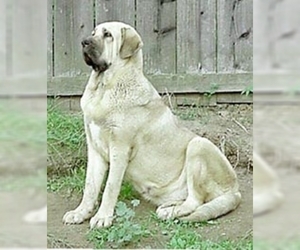
Spanish Mastiff
A.K.A. : Mastín Español, Mastín Leonés, Mastín de León, Leon Mastiff, Iberian Mastiff, Extremaduran Mastiff, Mastín Extremeño, working mastiff, Spanish Mastin, Mastiff Español, Mastin Espagnol, Mastín, Mastiff, Mastín de los Pirineos
Quick navigation
All about Spanish Mastiff dog breed
A.K.A. :Mastín Español, Mastín Leonés, Mastín de León, Leon Mastiff, Iberian Mastiff, Extremaduran Mastiff, Mastín Extremeño, working mastiff, Spanish Mastin, Mastiff Español, Mastin Espagnol, Mastín, Mastiff, Mastín de los Pirineos
Size
Grooming requirements
Exercise requirements
Good with other dogs
Watchdog ability
Energetic
Training requirements
Playful
Affectionate
Good with other pets
Good with children
Good with strangers
Winter
Summer
Healthiness
Protective
Life Span
| Breed Type | Pure Breed |
| Browse by Name | Starting with 'S' |
| Breeds by Group | Flock Guards & Mastiffs Scenthound Working |
| Breeds by Trait | Good With Kids High Stamina Dog Breeds |
| Overview: | The majestic Spanish Mastiff, or Mastín Español, hails from Spain where it was traditionally used to guard livestock from predators. This is a truly impressive giant breed, characterized by its immense size, powerful build, and a distinctive loose-skinned appearance with a noble, slightly melancholic expression. Their coat is short to medium in length and comes in a variety of colors, often fawn, red, black, or brindle. Despite their imposing stature, Spanish Mastiffs possess a remarkably calm and gentle temperament. They are known for being loyal, protective, and affectionate with their families, making them excellent companions for those who understand large breeds. While they can be good with respectful children, their sheer size means supervision is always necessary. Due to their need for space and moderate exercise, they are not suited for apartment living and thrive in homes with large, securely fenced yards. Like many large breeds, they can be prone to hip and elbow dysplasia, bloat, and certain heart conditions, so responsible breeding and veterinary care are crucial for their long-term health. |
F.A.Q.
All you need to know about Spanish Mastiff breed
All You Need to Know About the Spanish Mastiff Breed
The Spanish Mastiff, or Mastín Español, hails from Spain, historically protecting livestock. This gentle giant boasts a calm, loyal, and protective temperament, making them excellent, devoted companions. Physically, they are massive dogs, known for their powerful build, thick coat, and often impressive dewlaps. Their independent nature means early socialization and training are crucial. While fiercely protective of their family, they are generally good with children and other pets when properly introduced, though their sheer size requires supervision. Due to their large stature and need for space, Spanish Mastiffs are not suited for apartment living; a home with a secure, spacious yard is ideal. Grooming is relatively low-maintenance, primarily involving regular brushing to manage shedding. Exercise needs are moderate – daily walks and some outdoor play suffice. Potential health concerns include hip and elbow dysplasia, bloat, and eye issues. Prospective owners should be prepared for a large dog with a long lifespan and significant food intake, but who offers unparalleled companionship.What Is the Average Weight of Spanish Mastiff in Pounds?
The average weight for a healthy adult Spanish Mastiff is between 140-200 pounds. Males typically range from 160-200 pounds, while females are slightly lighter, usually weighing between 140-170 pounds. This majestic breed is known for its impressive size, and maintaining a healthy weight for Spanish Mastiff is crucial for their well-being.
What Is the Typical Height of Spanish Mastiff in Inches?
How Tall is a Spanish Mastiff? Understanding Their Average Height
If you're wondering about the typical Spanish Mastiff height, these magnificent dogs are known for their impressive stature! When fully grown, the average size of an adult Spanish Mastiff, measured at the shoulder (withers), falls within a specific range, though there can be some variation.On average, you can expect a Spanish Mastiff to stand between 28 to 35 inches tall. To break it down further:- Males: Generally, male Spanish Mastiffs are larger and tend to be on the higher end of the spectrum, typically ranging from 30 to 35 inches at the shoulder.
- Females: Females are usually a bit smaller but still very substantial, commonly measuring between 28 to 33 inches.
What Coat Colors Are Typical for the Spanish Mastiff breed?
Spanish Mastiff colors span a range of beautiful shades. The most common and AKC recognized Spanish Mastiff colors include brindle (often shades of brown, black, or red with stripes), fawn (light tan to deep deer-red), cream, sable (fawn with black tipping), red, and black. Many of these colors can also appear with white markings, especially on the chest and paws. Pied (large patches of white with color) is also accepted.
While not officially recognized by major kennel clubs like the AKC, some breeders may occasionally produce puppies with rare coat types or exotic Spanish Mastiff variations. These can include blue (a diluted black, appearing grayish), lilac (a diluted chocolate, appearing brownish-gray), merle (a marbled pattern with patches of diluted color and solid color), and chocolate (brown). These rare colors often come from specific genetic lines and are not part of the traditional breed standard. Potential adopters interested in these exotic Spanish Mastiff variations should be aware they are not recognized for show by major kennel clubs and may not be indicative of purebred status if not properly documented.What is the typical personality of Spanish Mastiff?
The Spanish Mastiff personality is renowned for its calm, noble, and protective nature. These gentle giants are fiercely loyal to their families, often forming deep bonds. Despite their imposing size, their temperament is generally placid and even-keeled. They are typically friendly with their own families, including well-behaved children, often displaying a patient and tolerant demeanor, making them excellent family guardians.
Their sociability with strangers can vary; they are naturally reserved and watchful, often taking time to assess new people. Early and consistent socialization is crucial to ensure they are well-adjusted. With other pets, especially those they’ve grown up with, they can be quite accepting, though their strong protective instincts may surface if they perceive a threat to their "pack." Regarding adaptability to apartment living, while they are not hyperactive indoors and enjoy lounging, their sheer size and need for space make an apartment less than ideal. A house with a securely fenced yard is much more suitable for their well-being and to fulfill their moderate exercise needs. The temperament of Spanish Mastiff prioritizes their role as a protector, requiring an owner who understands and appreciates their majestic yet reserved disposition.What is the typical temperament of Spanish Mastiff?
The Spanish Mastiff temperament is generally described as a noble, devoted, and surprisingly gentle giant. They are profoundly loyal to their families, often forming strong, protective bonds. While initially reserved and sometimes aloof with strangers, they are rarely aggressive without cause, preferring to assess situations calmly.
Regarding friendliness and sociability, they are not typically effusive with new acquaintances but can be accepting once trust is established. Early and consistent socialization is crucial to ensure they are well-adjusted. Their loyalty is unwavering, making them excellent, albeit large, companion dogs. They are not well-suited for apartment living due to their substantial size and need for space, though they are not overly energetic indoors. A secure yard is highly recommended.With children, they are often remarkably patient and tolerant, making them good family dogs when properly raised and supervised. However, their sheer size necessitates caution with very young children to prevent accidental knocks. They can coexist peacefully with other pets, especially if introduced early, but their guarding instincts may lead them to assert dominance over unfamiliar animals. They can exhibit a degree of stubbornness, a common trait in many large, independent working breeds, so consistent, positive reinforcement training is essential. They are also quite sensitive to their owner's tone and mood, responding best to gentle guidance rather than harsh corrections. Overall, the Spanish Mastiff is a majestic and loving breed for the right owner who understands their needs for space, training, and a strong, supportive bond.What Are the Care Requirements for the Spanish Mastiff breed?
Spanish Mastiff Care: Daily Maintenance & Health TipsSpanish Mastiff care is relatively straightforward for this large, low-energy breed. They require moderate grooming; a weekly brush-down is usually sufficient to manage their dense coat and minimize shedding. Occasional bathing is needed. Exercise limitations are key; while they enjoy a leisurely walk, they are not high-stamina dogs. Short, consistent walks are better than intense sessions to prevent joint strain. These gentle giants are prone to bloat, so dietary considerations include feeding multiple small meals a day and avoiding exercise directly before or after eating. Choose high-quality, large-breed specific dog food.Due to their facial structure, wrinkle and ear cleaning are essential. Regularly clean any skin folds with a damp cloth to prevent infections. Check ears weekly for wax buildup or signs of irritation. Climate sensitivity is important; Spanish Mastiffs can overheat in warm weather due to their thick coats and brachycephalic tendencies (though less pronounced than some breeds). Provide ample shade and fresh water.Common health tips for Spanish Mastiff include diligent dental care to prevent gum disease and weight management to avoid obesity, which exacerbates joint issues. They can be prone to skin issues if not properly cleaned and to hip/elbow dysplasia, common in large breeds. Regular vet check-ups are vital for monitoring overall health and addressing concerns early. For those asking how to care for a Spanish Mastiff, remember they thrive on companionship and a calm environment.
How active are Spanish Mastiff, and what kind of exercise do they need?
Spanish Mastiff Activity Level: Low to ModerateThe Spanish Mastiff activity level is generally low to moderate, making them a surprisingly calm giant breed. While they possess a formidable presence, their energy levels are typically low. They are not dogs that require intense, continuous exercise.How active are Spanish Mastiff? They are characterized by short bursts of energy followed by long periods of rest. A typical day for a Spanish Mastiff involves surveying their territory, a few short walks, and then extended naps. Their exercise needs are minimal for a dog of their size. Daily exercise needs consist of one to two short, leisurely walks (15-30 minutes each) to maintain muscle tone and mental stimulation. They enjoy a fenced yard where they can patrol and occasionally lumber around, but they are not high-strung dogs that will run laps constantly.Playtime preferences are often low-key. They might enjoy a gentle game of fetch or tug for a few minutes, but they tire quickly. They're more likely to supervise family activities than actively participate in high-energy games.A key consideration for their activity is their brachycephalic (short-nosed) anatomy. While not as pronounced as some other brachycephalic breeds, they can be prone to overheating and respiratory difficulties with strenuous or prolonged exercise, especially in warm weather. Therefore, any activity should be carefully monitored, and always ensure access to shade and water.Are Spanish Mastiffs suitable for active families or low-energy households? They are best suited for low-energy households or those who appreciate a more relaxed canine companion. While they will enjoy a walk with their family, they are not ideal for avid hikers, runners, or families looking for a dog to join them in high-impact sports. Their calm demeanor and minimal exercise needs make them a good fit for owners who prefer a more sedate lifestyle and can provide a secure, spacious environment for them to relax and observe.
What are common health issues in Spanish Mastiff?
Spanish Mastiff health problems are closely tied to their massive size, loose skin, and working-dog heritage. While this breed is generally hardy, adopters should be aware of common Spanish Mastiff medical issues that may affect long-term care and quality of life.
Because of their broad heads and shorter muzzles compared to other sighthounds, some Spanish Mastiffs may experience mild Brachycephalic Obstructive Airway Syndrome (BOAS). This can lead to noisy breathing, snoring, or exercise intolerance. Applying brachycephalic dog care strategies—such as avoiding strenuous activity in hot weather, using a harness instead of a collar, and monitoring breathing during play—can help reduce respiratory strain.
Their giant frame makes them especially prone to hip dysplasia and elbow dysplasia, conditions that can cause stiffness, arthritis, and mobility issues. In addition, their long backs and heavy weight may predispose them to spinal problems, particularly if they are overweight or overexerted.
The Spanish Mastiff’s loose skin and facial folds can trap moisture, leading to skin fold infections. Allergies are also relatively common, often presenting as itching, hot spots, or recurring ear infections that require consistent grooming and veterinary care.
Because of their broad heads and shorter muzzles compared to other sighthounds, some Spanish Mastiffs may experience mild Brachycephalic Obstructive Airway Syndrome (BOAS). This can lead to noisy breathing, snoring, or exercise intolerance. Applying brachycephalic dog care strategies—such as avoiding strenuous activity in hot weather, using a harness instead of a collar, and monitoring breathing during play—can help reduce respiratory strain.
Their giant frame makes them especially prone to hip dysplasia and elbow dysplasia, conditions that can cause stiffness, arthritis, and mobility issues. In addition, their long backs and heavy weight may predispose them to spinal problems, particularly if they are overweight or overexerted.
The Spanish Mastiff’s loose skin and facial folds can trap moisture, leading to skin fold infections. Allergies are also relatively common, often presenting as itching, hot spots, or recurring ear infections that require consistent grooming and veterinary care.
Breed Breakdown: What Experts Say About the Spanish Mastiff
What is the typical size of Spanish Mastiff, and how does it compare to other breeds in terms of suitability for apartment living and travel?
I would rate the "Size" trait of the Spanish Mastiff at a solid 10.This breed is unequivocally *very large*. Spanish Mastiffs are giants, with males typically standing at least 77 cm (30 inches) tall and females at 72 cm (28 inches) or more, though many individuals exceed these minimums significantly. Their weight commonly ranges from 50 kg (110 lbs) to well over 100 kg (220 lbs), with substantial bone structure and a powerful, heavy build. When compared to the vast majority of other companion dog breeds, from a Chihuahua to a Labrador, the Spanish Mastiff dwarfs them in every dimension.Given their immense size, Spanish Mastiffs are absolutely not suited for apartment living. Their substantial body mass and need for space make small living quarters impractical and uncomfortable for them. Similarly, travel with a Spanish Mastiff, especially by air or in standard vehicles, can be extremely challenging and costly due to the size requirements for crates and space. They are also not suitable for households with significant space constraints. They require large homes with secure, expansive yards where they can move freely and comfortably.
What are the grooming requirements for Spanish Mastiff, and how do their coat type and skin features affect overall maintenance?
I would rate the Spanish Mastiff's "Grooming Requirements" at a 4.This rating suggests they are relatively low-maintenance compared to many other breeds, but not entirely hands-off. Their short, dense coat sheds moderately, requiring regular brushing (perhaps 2-3 times a week, more during shedding seasons) to manage loose hair and keep their coat healthy. They don't have the extensive matting or elaborate styling needs of long-haired breeds. While they do have some loose skin, especially around the neck, significant skin fold care is generally not a major concern unless they are very overweight; basic inspection during brushing is usually sufficient. Ear cleaning is standard for any large, pendulous-eared dog – a check and wipe once a week or every other week to prevent buildup. Nail trimming is crucial and frequent due to their size and weight, as overgrown nails can cause discomfort and impact their gait; this might be a weekly or bi-weekly task depending on their activity level. Bathing is only needed occasionally, when dirty, as frequent bathing can strip their natural oils. While not excessively prone to skin issues, their large size means any problem, if it arises, can be more extensive to manage. Overall, their grooming is straightforward and doesn't demand specialized techniques or excessive time, making them easier to care for than many other companion dogs with more complex coat types or high-maintenance needs.
What are the exercise requirements for Spanish Mastiff, and how do their energy levels affect daily activity and health?
I would rate the "Exercise Requirements" of the Spanish Mastiff as a 3.The Spanish Mastiff, while a large and powerful dog, has surprisingly low to moderate exercise needs, especially compared to many other working or herding breeds. They are not built for sustained high-intensity activities or long-distance running. Their immense size, heavy build, and sometimes their deep chests make them more prone to heatstroke and joint strain with excessive or vigorous exercise. They are not a brachycephalic breed, so they don't have the respiratory limitations of breeds like pugs or bulldogs, but their sheer mass does impact their stamina.Daily activity recommendations generally involve a moderate walk or two, perhaps totaling 30-60 minutes, along with some supervised outdoor time in a secure yard. They enjoy ambling around, exploring scents, and interacting with their family. While they appreciate playtime, it's usually in short bursts of gentle wrestling or a brief chase, rather than an intense game of fetch. They are not suited for agility or high-impact sports. They thrive with a consistent but not overly demanding routine, and while they do need to stay healthy and avoid obesity, their mental stimulation often comes more from being with their family and having a purpose (even if that purpose is just "guardian of the couch") than from intense physical challenges. They are perfectly content with a quiet, comfortable existence and don't typically exhibit destructive behaviors from lack of intense exercise, as long as their basic needs for activity and companionship are met.
How effective is Spanish Mastiff as a watchdog, and what kind of alert or protective behavior can owners expect?
I'd rate the Spanish Mastiff's "Watchdog Ability" at a strong 9 out of 10. This breed excels as a household watchdog, primarily due to its inherent nature as a livestock guardian. They possess exceptional alertness, keenly aware of their surroundings and quick to notice anything out of the ordinary. Their barking behavior is purposeful and effective; while not typically nuisance barkers, they will issue deep, resonant barks to signal the presence of unfamiliar sounds or people, acting as a clear early warning system. Their territorial instincts are incredibly strong, leading them to view their home and family as their "flock" to be protected. When faced with an unfamiliar presence, especially if perceived as a threat, a Spanish Mastiff will not hesitate to place themselves between the perceived intruder and their family, their sheer size and imposing presence often being enough to deter. They are far from passive companions; while loving and gentle with their own, they are very much capable of providing meaningful and often intimidating early warnings in a home environment.
How well does the Spanish Mastiff get along with other dogs, and what role does socialization play in their behavior?
I would rate the "Good with Other Dogs" trait of the Spanish Mastiff at a 6 out of 10.While not inherently aggressive towards other dogs, the Spanish Mastiff is a formidable guardian breed with a strong, independent nature and a natural inclination towards leadership. They generally possess a calm and tolerant demeanor, but this can be tested, especially with unfamiliar dogs, particularly those of the same sex or if they perceive a challenge to their status or the safety of their family/property. They are typically accepting of other dogs within their established "pack" at home, often forming deep bonds. However, they are not naturally effusive or playful with all dogs they encounter. Careful, early, and ongoing socialization is absolutely crucial to ensure they learn appropriate canine etiquette and develop a more accepting attitude towards a wider range of dogs. Without proper guidance, their sheer size and strength, combined with their territorial instincts, could lead to misunderstandings or more serious confrontations. They thrive in canine company when the other dogs respect their presence and are not overly boisterous or challenging, and they benefit from having a clear hierarchy established within a multi-dog household. They are adaptable to multi-dog households, but successful integration requires a patient and experienced owner who understands their breed-specific needs for structure and leadership. They are not the type of dog to blindly accept every new canine acquaintance, but with the right approach, they can be peaceful and even affectionate companions to other dogs.
What is the typical energy level of a Spanish Mastiff, and how does it affect their playtime, exercise needs, and suitability for indoor living?
Rating: 3/10Explanation: The Spanish Mastiff is a breed with a naturally low "Energetic" trait. They are considerably more laid-back and stoic compared to most other companion dog breeds. Their typical activity level is quite low, characterized by long periods of rest and a generally calm demeanor. They possess limited endurance and are not known for being particularly playful, though they may engage in short bursts of gentle interaction. Their need for physical stimulation is minimal, and they are generally content with a moderate daily walk or supervised outdoor time in a secure yard. They are not well-suited for strenuous outdoor or athletic activities, and their large size combined with a tendency towards brachycephalic anatomy (though not as pronounced as some other breeds, they can still have a somewhat shortened muzzle) means their stamina and exercise tolerance are significantly limited. Overexertion can lead to overheating and respiratory distress, making consistent, high-intensity activity unsuitable for their well-being.
How easy is it to train a Spanish Mastiff, and what kind of consistency and techniques work best for this breed?
I would rate the "Training Requirements" of the Spanish Mastiff at a 7.While intelligent, the Spanish Mastiff possesses a significant independent and stubborn streak, which is characteristic of many livestock guardian breeds. Their attention span can be moderate, particularly if the training isn't engaging or if they perceive no immediate benefit. Responsiveness to commands will be present but often requires repetition and a clear, consistent approach, as they are not inherently eager to please in the same way some other working breeds are. Consistency is absolutely paramount; any lapse will likely be exploited by their strong-willed nature. Positive reinforcement is the most effective method, as harsh corrections will likely lead to resentment and resistance, but it needs to be delivered with firm, fair leadership. This breed is definitely not beginner-friendly and requires experienced handling, consistent, structured routines, and a patient, confident owner who understands the nuances of training a large, independent guardian breed.
How playful is the Spanish Mastiff, and what makes them such an energetic companion?
I would rate the Spanish Mastiff's "Playful" trait as a 3 out of 10.While they are incredibly affectionate and devoted to their families, Spanish Mastiffs are naturally more laid-back and reserved compared to most companion dog breeds. Their typical activity level is quite low, and while they might enjoy a gentle stroll or a brief, calm interaction, they generally aren't enthusiastic about high-energy games or extended playtime. They tend to have a rather calm and dignified demeanor, preferring to observe or relax rather than actively seek out boisterous play. Their attention-seeking behavior is more focused on gentle presence and affection rather than demanding interactive games, and their response to toys is often lukewarm at best. They are not naturally spirited in the way a retriever or a terrier might be; their enthusiasm in daily life is expressed through quiet companionship and watchful loyalty rather than playful exuberance.
How affectionate is the Spanish Mastiff, and what kind of companionship and emotional bonding can owners expect?
I would rate the Affectionate trait of the Spanish Mastiff as an 8 out of 10.While not typically known for being a "lap dog" in the traditional sense due to their immense size, Spanish Mastiffs are deeply loyal and form incredibly strong bonds with their families. They possess a profound desire for human companionship and are very much people-oriented within their family unit. They might not be the breed to constantly demand physical closeness or attempt to climb onto your lap, but they will consistently seek to be in the same room as you, often leaning against you or resting their head on your lap. Their loyalty is unwavering, and they are remarkably sensitive to their owner's emotions, offering a comforting presence when needed. They tend to follow family members around the house, acting as a gentle, watchful shadow. This breed absolutely thrives on affection and reassurance from their loved ones, finding comfort and security in their presence. Their independence is more in their confident nature and ability to act as a guardian, rather than an emotional aloofness. Compared to many other companion dogs, they are not clingy, but their affection is deep, steadfast, and expressed through their constant, devoted presence and quiet devotion.
How well does the Spanish Mastiff get along with other pets, and what factors influence their compatibility in multi-pet households?
I would rate the "Good with Other Pets" trait of the Spanish Mastiff at a 6 out of 10.While not inherently aggressive, the Spanish Mastiff is a guardian breed with a strong protective instinct and can be quite dominant. Their prey drive is generally moderate to low, especially if raised with smaller animals from a young age, but it's still present, particularly with quick, unfamiliar movements. Resource guarding can be a concern, especially with food or their perceived "territory" (which can include their human family). They are naturally sociable with their *own* established "flock" – meaning pets they've grown up with and accept as part of their family. However, this sociability doesn't always extend to strange dogs, especially those that intrude on their perceived space. They require significant early socialization and consistent, firm training to ensure they understand their place in the multi-pet hierarchy and to mitigate any potential resource guarding or territorial behaviors. While they *can* coexist peacefully with other pets, it's not a given and demands a committed owner who understands the breed's natural tendencies and is prepared to provide ongoing supervision and management.
Is the Spanish Mastiff good with children, and what makes them a suitable companion for family life?
I would rate the Spanish Mastiff's "Good with Children" trait a 6 out of 10.While naturally possessing a calm and gentle demeanor, particularly with their own family, the Spanish Mastiff isn't instinctively playful or overtly affectionate with all children in the way some retriever breeds might be. Their immense size and protective instincts are the primary considerations. They are generally tolerant of noise and handling from children within their immediate family, often viewing them as part of their "flock" to be guarded. However, their sheer bulk means accidental bumps or knocks are a possibility with very young children, and their patience may be tested by overly boisterous or disrespectful interactions. They thrive in a family setting where children are taught to respect the dog's space and understand its calm, watchful nature. Early socialization and consistent training are crucial to ensure they differentiate between playful child's antics and a genuine threat, as their protective instincts are strong. They are not a breed that will typically initiate play with children, but rather calmly observe and tolerate. Therefore, while good with children in their family, they require responsible parenting from both the humans and the canine, and a watchful eye, rather than being inherently and universally child-friendly without guidance.
Is the Spanish Mastiff good with strangers, and how do they typically behave around new people?
The Spanish Mastiff, when it comes to "Good with Strangers," would rate around a 3.While not inherently aggressive, the Spanish Mastiff is fundamentally a guardian breed with a strong protective instinct. This translates to a natural wariness and reservation around unfamiliar adults. They are not typically the type to greet a stranger with wagging tails and effusive licks. Instead, they will observe and assess, often positioning themselves between their family and the perceived outsider. This doesn't mean they are unfriendly in a hostile sense, but rather that their default setting is to be watchful and discerning. Socialization is crucial from a young age to ensure they are polite and tolerant, but even with extensive training, they are unlikely to ever be "extremely sociable and welcoming" with just anyone. They are more likely to acknowledge a stranger with a calm, dignified, but unmistakably reserved demeanor. Barking and guarding are natural responses to perceived threats or novel individuals in their territory. While adaptable in public if well-socialized, they will always remain attentive to their surroundings and the people in them, rather than being outwardly gregarious. Their comfort with strangers is more about tolerance and acceptance after an initial assessment, rather than a natural outgoing nature.
How well does the Spanish Mastiff tolerate cold weather, and what precautions are needed during winter months?
The Spanish Mastiff would likely rate a 9 for winter tolerance.These magnificent dogs possess a naturally thick, dense double coat, a substantial amount of body fat, and a very large, robust build, all of which provide excellent insulation against cold. Their brachycephalic anatomy is not pronounced enough to significantly hinder their ability to warm inhaled air, unlike very short-snouted breeds. They are bred for hardy, outdoor lives in areas that can experience significant winter cold, reducing their risk of hypothermia in typical cold weather. While no dog should be left unsupervised in extreme conditions, the Spanish Mastiff is well-equipped to safely enjoy extended outdoor activity in cold climates, including snow. Compared to many companion dogs, they require minimal special care during winter months beyond ensuring adequate food intake to fuel their metabolism and providing a sheltered space when temperatures drop severely. Their inherent resilience means they generally tolerate winter much better than most domestic breeds.
How well does the Spanish Mastiff tolerate hot weather, and what precautions should owners take during summer months?
I would rate the Spanish Mastiff's "Summer" tolerance at a 4.While not as severely brachycephalic as some other breeds, their massive size, thick coat, and deep chest do make them more susceptible to overheating. They have a lower ability to efficiently regulate body temperature in high heat compared to breeds with shorter coats and more athletic builds. The risk of heatstroke is significant, and outdoor activity should be severely limited during the hottest parts of the day. They absolutely require special care in summer months compared to many other companion dogs, including access to air conditioning or other forms of climate control, plenty of fresh water, and a cool, shaded environment. Unlike many dogs that can enjoy long walks or play sessions in summer, the Spanish Mastiff needs a much more restricted and carefully monitored outdoor routine to prevent heat-related illness.
What are the common health concerns for the Spanish Mastiff, and how much care and medical attention does this breed typically require?
I would rate the Spanish Mastiff's "Healthiness" trait as a 7 out of 10.While generally robust and possessing a respectable life expectancy for a giant breed (around 10-12 years), the Spanish Mastiff isn't entirely without its health considerations. Like many large and giant breeds, they are genetically predisposed to certain orthopedic issues, most notably hip and elbow dysplasia. Bloat (gastric dilatation-volvulus) is also a serious and life-threatening concern, common in deep-chested breeds. Responsible breeding practices, including health screening of parent dogs for hip and elbow issues, are crucial in minimizing the incidence of these conditions. Their deep jowls can sometimes lead to minor skin fold dermatitis if not kept clean and dry, though this is generally manageable. While not prone to severe breathing difficulties like some brachycephalic breeds, their sheer size can make them less tolerant of extreme heat. Overall, with responsible breeding and diligent preventive care from their owners (including appropriate diet, exercise, and bloat awareness), they can lead very healthy lives. They are generally more robust than high-maintenance breeds with numerous chronic issues, but their size inherently carries some specific health risks that prevent a perfect score.
How protective is the Spanish Mastiff, and what kind of watchdog or guard dog behavior can owners expect?
I would rate the "Protective" trait of the Spanish Mastiff at a solid 9.The Spanish Mastiff is a formidable guardian, not merely a companion dog. Their protective nature is deeply ingrained, stemming from centuries of guarding livestock against predators like wolves. This translates into high alertness and strong territorial instincts; they are acutely aware of their surroundings and readily perceive anything or anyone entering their designated space as a potential threat. Their loyalty to their owners is unwavering, and they are instinctively driven to protect their "flock" – which includes their human family. While generally calm and gentle with their own, their reaction to strangers is typically reserved and cautious, bordering on suspicious, especially within their territory. They possess an intimidating presence due to their size and deep bark, making them excellent deterrents. They are absolutely capable of offering meaningful protection in a household setting, acting as both an imposing watchdog and a capable guard dog, though their protection is less about unprovoked aggression and more about a resolute, unyielding defense of their loved ones and property.
What is the average lifespan of a Spanish Mastiff, and what health factors influence their longevity?
I would rate the "Life Span" trait of the Spanish Mastiff at a 6.The Spanish Mastiff is generally considered to have an average lifespan compared to other companion dog breeds. Their average life expectancy typically falls between 8 to 12 years. While some individuals may exceed this range, they are not known for exceptional longevity. As a large and giant breed, they are inherently prone to certain health issues that can impact lifespan, such as hip and elbow dysplasia, osteosarcoma (bone cancer), and bloat (gastric dilatation-volvulus). These conditions, while often manageable, can significantly shorten life if not addressed or if severe. Responsible breeding practices, including health screening of parent dogs, can help reduce the incidence of some genetic predispositions. Similarly, excellent care, including appropriate diet, exercise, and veterinary attention, can certainly contribute to a longer and healthier life within their typical range. However, even with optimal care, their large size predisposes them to conditions that generally limit them from reaching the higher end of canine longevity.
Spanish Mastiff Dogs for adoptionSee all dogs for adoption
Spanish Mastiff BreedersSee all breeders
Similar Dog Breeds for Spanish Mastiff
Quick Breed Selector 0 - not important, 1 - smallest, 10 - largest
Variants & Mistakes :Spanish Mastif, Spansh Mastiff, Spanih Mastiff, Spanish Mastiffi, Spnaish Mastiff, Spanish Masstiff, Spanisch Mastiff, Spanis Mastiff, Spamish Mastiff, Spaish Mastiff, Spanishe Mastiff, Spasnish Mastiff, Spanich Mastiff, Spanish Mestiff, Spanish Mastifff, Spanish Masstif, Spanish Mafiff, Spianish Mastiff, Spanish Maatiff, Spanish Mstiff, Spannish Mastiff, Spanish Mastuff, Spanish Msstiff, Spanish Massif, Spanish Mattiff, Spanish Mastrif, Spanish Masitif, Spanish Matiiff, Spanish Mastife, Spanish Maastiff, Spanish Masdtiff, Spansh Mastif, Spanih Mastif, Spanish Mastf, Spnaish Mastif, Spanisch Mastif, Spanis Mastif, Spamish Mastif, Spaish Mastif, Spanishe Mastif, Spasnish Mastif, Spanich Mastif, Spanish Mestif, Spianish Mastif