Pure Breeds
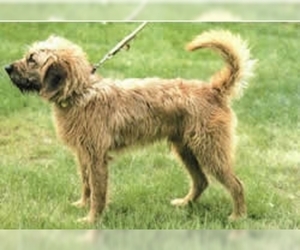
Styrian Coarse-haired Hound
A.K.A. : Styrian Rough-haired Hound, Steirische Rauhhaarbracke, Steirische Rauhaarbracke, Steirer Bracke, Austrian Rough-haired Hound
Quick navigation
All about Styrian Coarse-haired Hound dog breed
A.K.A. :Styrian Rough-haired Hound, Steirische Rauhhaarbracke, Steirische Rauhaarbracke, Steirer Bracke, Austrian Rough-haired Hound
Size
Grooming requirements
Exercise requirements
Good with other dogs
Watchdog ability
Energetic
Training requirements
Playful
Affectionate
Good with other pets
Good with children
Good with strangers
Winter
Summer
Healthiness
Protective
Life Span
| Breed Type | Pure Breed |
| Browse by Name | Starting with 'S' |
| Breeds by Group | Hound Scenthound |
| Breeds by Trait | High Stamina Dog Breeds |
| Overview: | The Styrian Coarse-haired Hound, also known as the Peintinger Bracke, is a robust and resilient hunting breed originating from the Styria region of Austria in the late 19th century. Bred specifically for trailing and baying wild boar and hare in mountainous terrain, they possess a distinctive rough, wiry coat, typically reddish-brown to fawn with occasional white markings on the chest and feet, offering excellent protection against harsh weather. Physically, they are medium-sized, muscular dogs with a strong build and a keen, intelligent expression. Temperamentally, Styrian Hounds are known for their courage, independence, and unwavering loyalty to their owners. While generally friendly, their high prey drive and need for extensive exercise make them less suitable for apartment living or first-time dog owners. They thrive in active homes with experienced owners who can provide consistent training and plenty of outdoor activity. Due to their working origins, they are a relatively healthy breed with a long lifespan, though like all breeds, they can be prone to common canine ailments such as hip and elbow dysplasia. |
F.A.Q.
All you need to know about Styrian Coarse-haired Hound breed
All You Need to Know About the Styrian Coarse-haired Hound Breed
The Styrian Coarse-haired Hound, originating from Styria, Austria, is a robust and intelligent scent hound, primarily bred for hunting wild boar. Known for its courageous, lively, and devoted temperament, this breed makes an excellent companion for active families, though it’s generally not suited for apartment living due to its high energy levels and vocal nature. Physically, they are medium-sized dogs with a distinctive harsh, wiry coat, typically red or yellow, requiring minimal weekly brushing to prevent matting. Their strong prey drive means early socialization and consistent training are crucial. These hounds thrive on regular, vigorous exercise, including long walks, hikes, or scent work. While generally healthy, potential owners should be aware of common canine health issues like hip and elbow dysplasia. The Styrian Coarse-haired Hound is a loyal and energetic breed, perfect for experienced dog owners who can provide ample outdoor activity and mental stimulation.What Is the Average Weight of Styrian Coarse-haired Hound in Pounds?
What is the average weight of a Styrian Coarse-haired Hound?The Styrian Coarse-haired Hound weight typically ranges from 33 to 40 pounds (15-18 kg). Adult males often lean towards the higher end of this healthy weight for Styrian Coarse-haired Hound, while females may be slightly lighter. This average size reflects a sturdy, medium-sized dog.
What Is the Typical Height of Styrian Coarse-haired Hound in Inches?
Curious about the Styrian Coarse-haired Hound height? These hardy and agile hounds typically stand at a medium size, making them well-suited for their demanding work.
The average height of a Styrian Coarse-haired Hound, measured at the shoulder (withers), falls within a range of approximately 19 to 21 inches (48 to 54 cm) for adult dogs. While this breed generally maintains a consistent size, you might see some slight variations.Typically, male Styrian Coarse-haired Hounds tend to be at the higher end of this range, sometimes reaching the full 21 inches, while females may be closer to the 19-inch mark. However, individual genetics and nutrition can also play a role, so some dogs may be slightly taller or shorter within a healthy range.So, if you're asking, "how tall is a Styrian Coarse-haired Hound?", expect a sturdy and well-proportioned dog that is comfortably in the medium-height category, perfect for an active lifestyle!What Coat Colors Are Typical for the Styrian Coarse-haired Hound breed?
Styrian Coarse-haired Hound Colors: What to ExpectThe Styrian Coarse-haired Hound primarily comes in a reddish-yellow to light fawn color, often with black brindling. These are the officially recognized Styrian Coarse-haired Hound colors accepted by major kennel clubs internationally. While the American Kennel Club (AKC) does not specifically recognize this breed, similar European standards prioritize these traditional coat variations. Potential adopters and buyers will most commonly encounter these striking and practical hues. There are no officially recognized rare or exotic variations like blue, lilac, merle, or chocolate within the Styrian Coarse-haired Hound breed standard; such colors would indicate cross-breeding and are not considered authentic Styrian Coarse-haired Hound coat types. Focusing on the classic reddish-yellow and brindle ensures you are acquiring a true representation of the breed.
What is the typical personality of Styrian Coarse-haired Hound?
The Styrian Coarse-haired Hound personality is characterized by an intelligent, courageous, and tenacious nature, reflecting its heritage as a dedicated hunting dog. This breed is known for its remarkable loyalty and affection towards its family, forming strong bonds. While generally friendly, they can be reserved with strangers initially, but warm up quickly once they deem someone trustworthy. Their high energy and need for mental stimulation make them better suited for active individuals or families who can provide ample exercise and training.Regarding temperament of Styrian Coarse-haired Hound: They are highly sociable and generally get along well with children, especially if raised together and taught appropriate interactions. However, due to their strong prey drive, careful introductions and supervision are crucial with smaller pets like cats or rabbits. They typically coexist well with other dogs, particularly if socialized from a young age. Adaptability to apartment living is low; the Styrian Coarse-haired Hound thrives in homes with a large, securely fenced yard where they can explore and burn off energy. They are not content being idle and require a job or regular vigorous activity to prevent boredom and destructive behaviors. Early training and consistent socialization are key to channeling their intelligence and energy positively.
What is the typical temperament of Styrian Coarse-haired Hound?
The Styrian Coarse-haired Hound temperament is marked by a lively and affectionate nature, making them excellent companion dogs. They are generally friendly and sociable, enjoying the company of their human family and often greeting strangers with curiosity rather than shyness. Their loyalty to their owners is profound, and they thrive on being included in family activities.While adaptable, they are not ideal for apartment living due to their energetic disposition and strong need for exercise; a home with a yard and active owners is best. They typically display good behavior with children, especially when raised alongside them, and are known for their patient and playful demeanor. With other pets, particularly dogs, they can get along well if properly socialized from a young age, though their prey drive might require careful introductions with smaller, non-canine animals.They possess an intelligent mind but can exhibit a tendency toward stubbornness, especially during training, requiring consistent, positive reinforcement methods. While not overly sensitive, a firm yet gentle approach works best, as harsh corrections can be counterproductive. Overall, they are warm, clear, and helpful companions for active families seeking a devoted and engaging canine friend.
What Are the Care Requirements for the Styrian Coarse-haired Hound breed?
Styrian Coarse-haired Hound care is generally straightforward, focusing on their unique coat and brachycephalic features. They are a low-energy dog breed, but still require regular, moderate exercise—daily walks and some playtime are usually sufficient to prevent obesity. Their coarse, dense coat needs minimal grooming; weekly brushing is enough to remove loose hair and keep it tidy. Bathing should be done only as needed to preserve the coat's natural oils.
Dietary considerations are crucial for weight management and overall health. Feed a high-quality, balanced diet appropriate for their age and activity level, and monitor portion sizes closely to prevent weight gain, a common issue in less active breeds. Avoid overfeeding treats.Due to their brachycephalic anatomy, special attention is needed for wrinkle and ear cleaning. Daily inspection and cleaning of facial folds with a damp cloth can prevent skin irritations and infections. Their long, floppy ears also require regular cleaning to prevent wax buildup and ear infections. Climate sensitivity is a key concern; these hounds can overheat easily in warm weather and may struggle in extreme cold due to their unique facial structure. Provide a cool environment in summer and ensure they are not overexerted in high temperatures. Conversely, ensure they have adequate shelter in cold climates.Common health concerns for Styrian Coarse-haired Hounds include skin issues (especially in their folds), dental problems (requiring regular brushing and professional cleanings), and weight management. Regular veterinary check-ups are essential for early detection and prevention of these and other potential health issues. Understanding how to care for a Styrian Coarse-haired Hound ensures a healthy, happy companion. Follow these health tips for Styrian Coarse-haired Hound to provide optimal daily maintenance.How active are Styrian Coarse-haired Hound, and what kind of exercise do they need?
Styrian Coarse-haired Hound Activity Level: Moderate to High
The Styrian Coarse-haired Hound activity level is generally moderate to high, reflecting their heritage as robust scenthounds. These dogs possess a good balance of energy, capable of intense bursts of activity followed by periods of rest.How active are Styrian Coarse-haired Hounds? They require consistent daily exercise to remain happy and well-behaved. Plan for at least 60-90 minutes of dedicated physical activity each day. This should include a mix of vigorous walks, jogging, or off-leash play in a secure area. Their excellent sense of smell makes them natural candidates for scent work, tracking, and exploring on trails.While they enjoy playful interactions, particularly with their families, their brachycephalic (short-nosed) anatomy imposes certain exercise needs limitations. It's crucial to avoid strenuous exercise during hot or humid weather to prevent overheating and breathing difficulties. Always ensure access to fresh water and monitor their breathing closely during activity.Styrian Coarse-haired Hounds are best suited for active families who can provide consistent engagement and outdoor adventures. They are not ideal for low-energy households or apartment living unless their owners are committed to fulfilling their substantial exercise requirements daily. Without adequate mental and physical stimulation, they can become bored and exhibit destructive behaviors.What are common health issues in Styrian Coarse-haired Hound?
Styrian Coarse-haired Hound health problems are generally moderate, as this Austrian hunting breed is considered hardy, but adopters should still be aware of common Styrian Coarse-haired Hound medical issues such as hip dysplasia, spinal strain, ear infections, allergies, obesity, and heat sensitivity. While not typically brachycephalic, brachycephalic dog care concerns like Brachycephalic Obstructive Airway Syndrome (BOAS) may occasionally be relevant in individuals with shorter muzzles. Their anatomy—a medium-sized, muscular frame with a deep chest, coarse double coat, and long ears—can predispose them to orthopedic problems if overweight, gastric torsion (bloat) due to chest shape, and overheating in hot climates because of their dense fur. Their ears and skin may also trap moisture, leading to infections if grooming is neglected.
To understand how to keep Styrian Coarse-haired Hound healthy, owners should maintain a lean body weight to reduce strain on hips and spine, provide regular but moderate exercise suited to their scent-tracking stamina, and avoid strenuous activity in hot weather. Grooming routines should include brushing to manage shedding and prevent skin irritation, ear cleaning to reduce infection risk, and dental care to prevent periodontal disease. Allergy management may require dietary adjustments or veterinary guidance, while routine veterinary checkups are essential for monitoring orthopedic health, spinal stability, thyroid balance, and eye conditions such as progressive retinal atrophy (PRA).
In addition to these concerns, Styrian Coarse-haired Hounds may inherit breed-specific risks such as epilepsy, hypothyroidism, and Von Willebrand disease. Preventive screenings, responsible breeding, and consistent veterinary monitoring are key to minimizing these risks and supporting long-term wellness. With proactive care, adopters and buyers can ensure this loyal, intelligent, and energetic scent hound remains strong, healthy, and happy throughout its life.
To understand how to keep Styrian Coarse-haired Hound healthy, owners should maintain a lean body weight to reduce strain on hips and spine, provide regular but moderate exercise suited to their scent-tracking stamina, and avoid strenuous activity in hot weather. Grooming routines should include brushing to manage shedding and prevent skin irritation, ear cleaning to reduce infection risk, and dental care to prevent periodontal disease. Allergy management may require dietary adjustments or veterinary guidance, while routine veterinary checkups are essential for monitoring orthopedic health, spinal stability, thyroid balance, and eye conditions such as progressive retinal atrophy (PRA).
In addition to these concerns, Styrian Coarse-haired Hounds may inherit breed-specific risks such as epilepsy, hypothyroidism, and Von Willebrand disease. Preventive screenings, responsible breeding, and consistent veterinary monitoring are key to minimizing these risks and supporting long-term wellness. With proactive care, adopters and buyers can ensure this loyal, intelligent, and energetic scent hound remains strong, healthy, and happy throughout its life.
Breed Breakdown: What Experts Say About the Styrian Coarse-haired Hound
What is the typical size of Styrian Coarse-haired Hound, and how does it compare to other breeds in terms of suitability for apartment living and travel?
I'd rate the "Size" trait of the Styrian Coarse-haired Hound a 6 out of 10.This breed falls squarely into the medium-sized category. They typically stand around 19-22 inches (48-56 cm) at the shoulder and weigh between 33-40 pounds (15-18 kg). Their body structure is sturdy and muscular, built for endurance and work rather than daintiness or extreme bulk. Compared to a toy breed like a Chihuahua (1/10) or a giant like a Great Dane (10/10), they are comfortably in the middle.This size makes them a bit too substantial for very small apartment living, especially considering their energy levels. While they can certainly travel, their size means they'll require more space in a car and won't fit comfortably under an airline seat. They are generally not ideal for households with significant space constraints, as they thrive with a yard or regular access to open areas to exercise. They need enough room to stretch out and move around comfortably.
What are the grooming requirements for Styrian Coarse-haired Hound, and how do their coat type and skin features affect overall maintenance?
I'd rate the Styrian Coarse-haired Hound's grooming requirements at a 3.This breed is quite low-maintenance in terms of grooming. Their coarse, wiry double coat sheds moderately and is naturally weather-resistant, requiring only weekly brushing to remove loose hair and prevent matting. They don't have extensive skin folds that demand specialized cleaning, and their ears, while needing regular checks for cleanliness to prevent infections common in drop-eared breeds, aren't excessively prone to issues. Nail trimming and occasional bathing (only when truly dirty) are standard for all dogs. Their robust nature means they aren't particularly susceptible to widespread skin issues or allergies, making their overall grooming routine straightforward and easy to care for compared to many other companion dogs with dense, silky, or curly coats.
What are the exercise requirements for Styrian Coarse-haired Hound, and how do their energy levels affect daily activity and health?
I would rate the exercise requirements of the Styrian Coarse-haired Hound a 9 out of 10.This breed possesses extremely high physical demands and an insatiable energy level, characteristic of a true hunting hound. They are built for endurance and sustained movement over varied terrain, not for leisurely strolls. Daily activity recommendations are significant, often involving several hours of vigorous exercise. Their lean, athletic build and robust respiratory system are perfectly adapted for long periods of strenuous activity. They are definitely not brachycephalic, meaning they don't have the respiratory limitations that would restrict their exercise. Styrian Coarse-haired Hounds thrive on structured routines that allow them to run, track, and explore. Without ample opportunity for intense physical and mental stimulation – such as long runs, hikes, scent work, or even agility – they can become bored, destructive, and difficult to manage. They are absolutely not suited to a sedentary lifestyle and require an owner who can consistently meet their demanding exercise needs to keep them healthy, happy, and mentally stimulated.
How effective is Styrian Coarse-haired Hound as a watchdog, and what kind of alert or protective behavior can owners expect?
The Styrian Coarse-haired Hound would rate around a 6-7 for its "Watchdog Ability."While not a dedicated guard dog, this breed possesses several qualities that make it a capable household watchdog, providing meaningful early warnings. They are generally alert and attentive to their surroundings, a trait stemming from their hunting heritage where awareness of changes in the environment is crucial. This translates to a tendency to bark at unfamiliar sounds or people approaching their territory. Their territorial instincts are moderate; they are not overtly aggressive, but they will certainly acknowledge and vocalize their disapproval of perceived intruders. Their barking is typically purposeful – a warning rather than excessive nuisance barking – and they are willing to deter by making their presence known and their disapproval clear. They are not passive companions in this regard; they are observant and will let you know if something is amiss, making them effective at providing those early warnings in a home environment. However, they lack the intense protective drive and physical deterrent capabilities of dedicated guard breeds, which keeps them from reaching the higher end of the scale.
How well does the Styrian Coarse-haired Hound get along with other dogs, and what role does socialization play in their behavior?
I would rate the "Good with Other Dogs" trait of the Styrian Coarse-haired Hound at a 6.The Styrian Coarse-haired Hound, as a dedicated hunting breed, possesses a strong prey drive and an independent nature, which generally makes them more focused on their task or their human than on canine companionship. While not inherently aggressive, their natural instinct is not necessarily to seek out or readily engage with unfamiliar dogs in a highly sociable manner. They can coexist peacefully with other dogs, especially those they've been raised with or are introduced to carefully. However, they are not typically the type of dog to be universally "dog-friendly" and instantly compatible with all canines. Their strong hunting instincts mean that small, fast-moving dogs might trigger their prey drive, requiring careful supervision. With proper socialization from a young age, they can learn appropriate canine etiquette and be reliable companions in a multi-dog household. However, they thrive more on a working relationship with their human and may view other dogs more as neutral entities than close friends, and their independent streak means they generally don't *need* constant canine company. They require thoughtful introductions and consistent training to ensure peaceful coexistence, rather than naturally being extremely sociable and dog-friendly.
What is the typical energy level of a Styrian Coarse-haired Hound, and how does it affect their playtime, exercise needs, and suitability for indoor living?
I would rate the "Energetic" trait of the Styrian Coarse-haired Hound as an 8 out of 10.This breed is naturally highly active and possesses significant endurance. Bred for hunting in rugged mountain terrain, they have a deep-seated need for physical stimulation and thrive on outdoor activities. Their playfulness is notable, and they are more than capable of participating in long hikes, trail running, and various canine sports. Compared to many companion dogs, they are far from laid-back and require substantial daily exercise to prevent boredom and destructive behaviors. While the Styrian Coarse-haired Hound is not typically considered a brachycephalic breed in the same vein as a Pug or Bulldog, some individuals might have a slightly shorter muzzle than a very dolichocephalic breed. However, this is generally not pronounced enough to significantly hinder their stamina or exercise tolerance. Their robust build and purpose-bred athleticism ensure they can maintain high energy levels and perform well in demanding physical pursuits.
How easy is it to train a Styrian Coarse-haired Hound, and what kind of consistency and techniques work best for this breed?
I would rate the training requirements of the Styrian Coarse-haired Hound a 7 out of 10.This breed is intelligent and capable of learning, but they are also independent and possess a strong hunting drive, which can translate into stubbornness and a shorter attention span when their instincts are pulling them in another direction. While they respond well to positive reinforcement and clear, consistent communication, their inherent nature means they aren't always eager to please simply for the sake of it. Their focus can easily shift to scents and sounds, requiring a trainer to be highly engaging and consistent to maintain their attention. They are definitely *not* beginner-friendly and require experienced handling. A structured routine, early and extensive socialization, and a patient, firm, and knowledgeable owner who understands their hunting dog temperament are crucial for successful training. Without this, their independence and drive can lead to challenging behaviors.
How playful is the Styrian Coarse-haired Hound, and what makes them such an energetic companion?
I would rate the "Playful" trait of the Styrian Coarse-haired Hound as a 7. This breed, while certainly capable of enjoying a good romp, is primarily a working dog with a strong hunting instinct. Their playfulness tends to manifest as enthusiastic engagement in activities that stimulate their natural drives, such as scent games or "hunting" for toys. They aren't typically the sort of dog that demands constant attention for games or displays the endless, bouncy energy of a retriever; rather, they enjoy focused, interactive play that often involves their owner. Compared to other companion dogs, they are more spirited than laid-back, especially when engaged, but their energy is purpose-driven rather than purely for entertainment. They respond well to toys and playtime, especially if it mimics their natural instincts, and can be quite enthusiastic, but they also possess an independent streak and a capacity for calm when not actively engaged.
How affectionate is the Styrian Coarse-haired Hound, and what kind of companionship and emotional bonding can owners expect?
I would rate the Affectionate trait of the Styrian Coarse-haired Hound a 7 out of 10. This breed forms strong bonds with its family and is loyal, desiring human companionship. They are known to be sensitive to their owner's emotions and will often follow family members around the house. While they appreciate and seek affection, they are not typically as overtly demonstrative or prone to constant lap-sitting and intense cuddling as some other more exclusively companion breeds. Their hunting heritage means they possess a degree of independence and focus that balances their affectionate nature; they are loving but not clingy, thriving on affection within the context of shared activity and a strong pack bond rather than being solely dependent on physical closeness for contentment.
How well does the Styrian Coarse-haired Hound get along with other pets, and what factors influence their compatibility in multi-pet households?
I would rate the "Good with Other Pets" trait of the Styrian Coarse-haired Hound at a 6 out of 10. While generally amiable with other dogs, especially when well-socialized from a young age, their strong hunting instincts mean that coexisting peacefully with smaller, non-canine pets like cats, rabbits, or birds requires significant early socialization, diligent training, and consistent supervision. Their prey drive, while manageable with dedicated effort, is inherent to the breed and can lead to difficulties in a multi-species household without a solid foundation of training and habituation. They are not naturally as universally pet-friendly as some companion breeds and may display resource guarding tendencies if not properly managed, particularly around food or favored toys. Therefore, while good with other dogs can be achieved, particularly with early exposure, their compatibility with cats and other small animals is not guaranteed and requires ongoing work and a watchful eye from their owners.
Is the Styrian Coarse-haired Hound good with children, and what makes them a suitable companion for family life?
I'd rate the Styrian Coarse-haired Hound's "Good with Children" trait a 6 out of 10.While not inherently aggressive, their primary purpose as tenacious hunters means they possess a high prey drive and an independent spirit. This isn't a breed that's naturally inclined to be a patient, doting playmate for young children without significant training and supervision. They can be playful and affectionate with their own families, but their boundless energy and sometimes boisterous nature might be overwhelming for very small children. They have a decent tolerance for noise and handling from familiar individuals, but stranger children or rough play could trigger their more reserved side. To thrive in a family setting with kids, early and consistent socialization, along with firm and positive training, is essential to teach them appropriate interactions and manage their instincts. They are generally better suited for families with older, respectful children who understand how to interact with an active, working breed.
Is the Styrian Coarse-haired Hound good with strangers, and how do they typically behave around new people?
Rating the "Good with Strangers" trait of the Styrian Coarse-haired Hound at a 6.The Styrian Coarse-haired Hound is generally a friendly and well-tempered breed, but their inherent guarding instincts and strong loyalty to their family mean they are not immediately welcoming to all strangers. While they are not typically aggressive, they tend to be reserved and observant around unfamiliar people. They often require a proper introduction and a bit of time to warm up, rather than being instantly effusive. With good socialization from a young age, they can become quite adaptable and tolerant in public or guest-filled environments, but they will likely retain a cautious demeanor. They are more likely to bark or alert their owners to new arrivals than to solicit attention from strangers, though once they deem a person "safe," their friendly and affectionate nature can shine through. Their comfort with strangers is more a result of good training and exposure than an entirely natural outgoing disposition.
How well does the Styrian Coarse-haired Hound tolerate cold weather, and what precautions are needed during winter months?
I would rate the "Winter" tolerance of the Styrian Coarse-haired Hound a 7.This breed possesses a thick, coarse double coat that offers good insulation against cold weather, and their medium size contributes to better heat retention compared to smaller breeds. They are also bred for hunting in mountainous, forested regions, indicating an inherent ruggedness and ability to handle varying temperatures. Their body fat content is moderate, as they are active dogs, and their mesocephalic (not brachycephalic) skull structure allows for efficient breathing in cold air, reducing the risk of respiratory issues exacerbated by cold. While they are not as heavily insulated as some arctic breeds, they are certainly not delicate.However, a rating of 7, rather than a perfect 10, acknowledges that while they are well-suited for cold, they aren't impervious. In extremely frigid temperatures, especially with prolonged exposure, they would still be susceptible to hypothermia if not actively engaged or provided with shelter. Compared to many common companion dogs, the Styrian Coarse-haired Hound generally requires less special care during winter months due to their robust nature. They can safely enjoy outdoor activities in cold climates for extended periods. However, in bitter cold or icy conditions, monitoring for paw irritation or frostbite on ears (though their ears are not excessively large or thin) is still prudent, and providing a warm, dry place to rest after activity is always recommended. They are definitely a breed that thrives in and can handle winter, but still benefits from common sense cold-weather precautions.
How well does the Styrian Coarse-haired Hound tolerate hot weather, and what precautions should owners take during summer months?
I would rate the "Summer" tolerance of the Styrian Coarse-haired Hound a 6 out of 10. While not brachycephalic, which significantly reduces the risk of respiratory distress in heat, their coarse, dense double coat is designed for colder climates and offers excellent insulation, meaning it can trap heat in warmer weather. They are an active, working breed with a good ability to regulate body temperature through panting, but their drive to work can sometimes override their natural inclination to rest when hot. They do have a moderate risk of heatstroke if over-exercised or left without shade and water in high temperatures. Recommended outdoor activity levels should be significantly reduced during the hottest parts of the day, particularly during peak summer, shifting to early mornings or late evenings. During hot weather, they will definitely benefit from climate control indoors, and special care is required to ensure they have constant access to cool water, shade, and opportunities to cool down, such as with a wading pool or damp towels. This level of care is somewhat more intensive than for breeds with lighter coats or a greater natural affinity for warmth, but less so than for brachycephalic breeds.
What are the common health concerns for the Styrian Coarse-haired Hound, and how much care and medical attention does this breed typically require?
I would rate the "Healthiness" trait of the Styrian Coarse-haired Hound as an 8 out of 10.This breed is generally considered very robust and healthy. They were developed for demanding work in rugged terrain, which naturally selected for individuals with excellent physical constitution and resilience. They are not prone to many of the common genetic health issues seen in some other purebred dogs, such as severe hip or elbow dysplasia, breathing difficulties (like brachycephalic breeds), or widespread eye disorders. Their coarse coat, while requiring some grooming, tends to be quite protective against environmental factors and skin irritations are not a prevalent issue. Their life expectancy is typically good, often ranging from 12 to 14 years.While responsible breeding and preventive care are always important for any breed to maintain health, the Styrian Coarse-haired Hound is not considered high-maintenance from a health perspective. They are generally self-sufficient dogs that thrive with proper nutrition, regular exercise, and routine veterinary check-ups. They are far more robust than many companion dog breeds that have been bred for specific aesthetic traits rather than working ability.
How protective is the Styrian Coarse-haired Hound, and what kind of watchdog or guard dog behavior can owners expect?
I would rate the "Protective" trait of the Styrian Coarse-haired Hound at a 6 out of 10.This breed possesses a moderate level of protectiveness. Their historical role as hunting dogs required them to be alert and aware of their surroundings, leading to good vigilance. They are known for their loyalty to their owners and are certainly observant, which makes them effective at announcing the presence of strangers with their deep, resonant bark. This alertness and vocalization fulfill the primary role of a watchdog very well – they will absolutely let you know if someone is approaching. However, while they are brave and can be somewhat reserved with unknown individuals, they are not inherently aggressive or prone to physical confrontation with threats in the way a dedicated guard dog might be. Their primary instinct is more about tracking and flushing game rather than confronting human intruders. While a Styrian Coarse-haired Hound would undoubtedly stand by its family, their protective instincts lean more towards alerting and deterrence through barking rather than active defense. They are more of a dedicated companion dog with excellent watchdog capabilities rather than a breed suitable for offering meaningful physical protection against an active threat.
What is the average lifespan of a Styrian Coarse-haired Hound, and what health factors influence their longevity?
Rating: 8The Styrian Coarse-haired Hound generally enjoys a good lifespan, averaging around 12 to 14 years. This places them on the longer end of the spectrum when compared to many other medium-to-large companion dog breeds. They are known to be a relatively robust and healthy breed with fewer widely reported genetic predispositions to serious life-shortening conditions. Responsible breeding practices, focusing on maintaining the breed's natural hardiness, contribute to their longevity. While individual dogs can face various health challenges, there aren't specific widespread diseases that significantly curtail the breed's overall life expectancy.
Styrian Coarse-haired Hound Dogs for adoptionSee all dogs for adoption
Similar Dog Breeds for Styrian Coarse-haired Hound
Quick Breed Selector 0 - not important, 1 - smallest, 10 - largest
Variants & Mistakes :Styrian Coarse-haired Hount, Styrian Coarse-haird Hound, Stirian Coarse-haired Hound, Styrian Course-haired Hound, Styrian Coarsehaired Hound, Styrian Coarse Haired Hound, Styrian Coarse Hared Hound, Styrin Coarse-haired Hound, Stirian Coarse Haired Hound, Styrian Coarse-hared Hound, Stiryan Coarse-haired Hound, Styrian Coarse-haired Haund, Styrian Couse-haired Hound, Styrian Coarse-haired Hond, Styrian Coarse-haired Houng, Styrian Coarse-haird Hount, Styrian Coarse-haired Hood, Styrian Coarse-haired Houns, Styrian Coarse-haired Hounds, Styrian Coarse-haired Houndd, Styrian Coarse-haired Hoound, Styrian Coarse-haired Hoynd, Stiryan Course-haired Hound, Styrian Corase-haired Hound, Styrian Coarse-hareed Hound, Styrian Coarse-haired Hround, Styrian Coarse-haired Houngd, Styrian Coarse-haired Houngs, Styrian Coarse-haired Houmd, Styrian Coarse-haired Hounsd, Styrian Coarse-haired Houngds