Quick navigation
AKITA LITTER COMING SOON IN STRAFFORD, MISSOURI, USA
Litter On The Way
-
Breed
-
Available on
10/17/2026
-
Expected
08/22/2026
-
Size at Maturity
Large
-
Shipping Area
Nationwide
Upcoming Litter Description
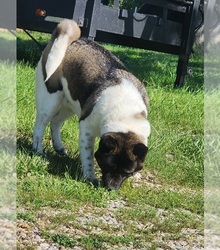
We are excited to announce that our beautiful AKC Akita litter is due August 22nd! ❤️ We’re expecting a wonderful litter of healthy, beautiful Akita puppies from an outstanding pairing. These puppies will be AKC registered and raised with love, care, and plenty of attention from day one. We can’t wait to meet these little ones and watch them grow! Puppy reservations/inquiries are now being accepted. If you’re interested in welcoming an Akita into your family, send us a message for more information about the litter, parents, availability, and reservation process.
Parents info
Father
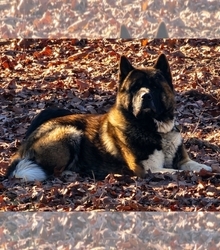
Description: Gorgeous male. Came from european champion bloodlines. Very calm demeanor.
Breeder Information
-
Breeder name
Larry
-
Location:
STRAFFORD, Missouri, 65757 USUS
Other Ads (1)

Litter of 8
$1,400
Breed overview
Akita
A.K.A.: Akita Inu, Japanese Akita, Great Japanese Dog, American Akita, Akita Ken, Akita dog, Matagi Inu, Odate-inu, Odate dog
Overview:
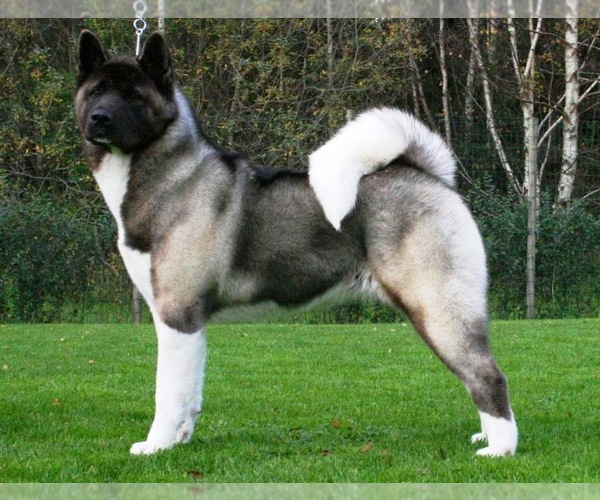
The Akita is a majestic and powerful breed originating from the mountainous regions of Japan, initially bred for hunting large game like bears and wild boar. Physically, they are easily recognizable by their substantial size, typically weighing between 70-130 pounds, and their dense double coat, which comes in various colors including red, fawn, sesame, white, and brindle. They possess a distinctive curled tail and a broad, triangular head with small, erect ears. In terms of temperament, Akitas are known for being loyal, courageous, and often described as "cat-like" in their independence and fastidiousness. While deeply devoted to their families, they can be reserved and even wary of strangers, requiring early socialization to ensure a well-adjusted adult. Due to their strong prey drive and independent nature, they are generally not recommended for first-time dog owners and thrive with experienced handlers. They can be good family dogs for those who understand their need for personal space and consistent training, but their size and sometimes aloof nature make them less suitable for apartment living without significant daily exercise. Health-wise, the breed can be prone to conditions such as hip and elbow dysplasia, progressive retinal atrophy, and autoimmune disorders like Vogt-Koyanagi-Harada syndrome.
See more...