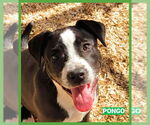
PONGO - BORDER COLLIE / LABRADOR RETRIEVER / MIXED DOG FOR ADOPTION
Granbury, TX, 76049, USA
Quick navigation
PONGO - BORDER COLLIE / LABRADOR RETRIEVER / MIXED DOG FOR ADOPTION
Borador Dogs For Adoption in Granbury, TX, USA

For Adoption
-
Nickname:
Pongo
-
Breed
-
Gender
Male
-
Age
Young
-
Location
Granbury, TX, 76049 USAUSA
Description
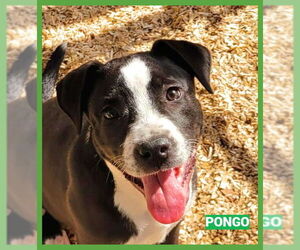
Dog Breed: Border Collie / Labrador Retriever / Mixed. This puppy is Pongo. He is a 3 month old male Border Collie/Lab mix. He currently is 17 lbs. & we're guessing that he'll be 60 lbs. PLUS full grown. We're just getting to know this baby so will update you as we work on leashing training & crate training. If you're interested in adopting Pongo please call Friends for Animals 817-326-3647 to set up a meet/greet appt. Phones are answered Noon-3 pm Tues., Thur., Fri. & Sat. Please call before you visit to make sure that Pongo is available.
-
Physical Attributes
-
Behavioral Characteristics
OK with Kids: Yes OK with Dogs: Yes -
Additional Information
Was the Dog Found No Other - Up-to-date on Vaccinations
Simplify Your Perfect PUPPY SEARCH
Let PuppyFinder Help!
Let PuppyFinder Help!
Save Time. Get The Right Match. Buy Puppy Safer.
CREATE A WANTED ADRescue Information
-
Organization name
Friends for Animals Adoption Shelter
-
Location:
Granbury, Texas, 76049 USAUSA
Breed overview

Overview:
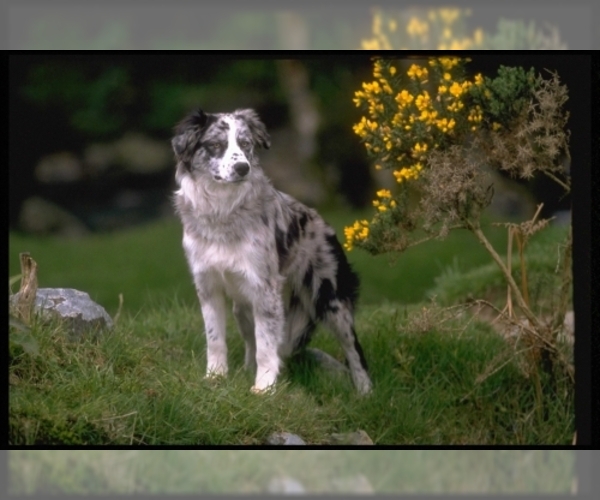
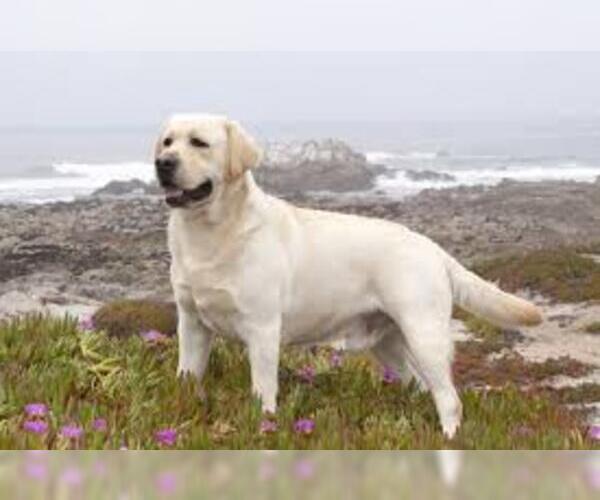
The Borador, a delightful cross between the intelligent Border Collie and the friendly Labrador Retriever, is a relatively new designer breed gaining popularity. Originating from the desire to blend the best traits of both parents, Boradors typically inherit a medium build, often with the Labrador's strong frame and the Collie's agile grace. Their coat can vary widely in color and texture, from short and dense to medium-length and feathery, usually requiring moderate grooming. Temperamentally, they are known for being loyal, energetic, and highly trainable, making them excellent companions for active families. They thrive in environments where they receive plenty of physical and mental stimulation, making them less suitable for small apartment living unless daily exercise is guaranteed. While generally healthy, potential owners should be aware of predispositions to conditions seen in their parent breeds, such as hip and elbow dysplasia or certain eye conditions, underscoring the importance of responsible breeding practices.
See more...