
Quick navigation
HOPSCOTCH - BORDER TERRIER (MEDIUM COAT) DOG FOR ADOPTION
Border Terrier Dogs For Adoption in San Clemente, CA, USA

For Adoption
-
Nickname:
HOPSCOTCH
-
Breed
-
Gender
Male
-
Age
Adult
-
Location
San Clemente, CA, 92672 USAUSA
Description
Dog Breed: Border Terrier (medium coat). Please call the shelter directly if you are interested in this companion animal. The Email address is not monitored daily. 949-492-1617. I LOVE TO: Feel safe. I HAVE: A calm, cautious nature. I GET ALONG WELL WITH: Calm familes and calm dogs. I WOULD RATHER NOT: Do too much right now. I'm still adjusting. I NEED: A safe place where I can learn to trust and explore at my own place. I AM: Still adjusting, and I need some time. I like other dogs, and when I'm ready I love to snuggle!
-
Physical Attributes
Coat Length: Medium -
Additional Information
Was the Dog Found No
Simplify Your Perfect PUPPY SEARCH
Let PuppyFinder Help!
Let PuppyFinder Help!
Save Time. Get The Right Match. Buy Puppy Safer.
CREATE A WANTED ADRescue Information
-
Organization name
Coastal Animal Services Authority
-
Location:
San Clemente, California, 92672 USAUSA
Breed overview
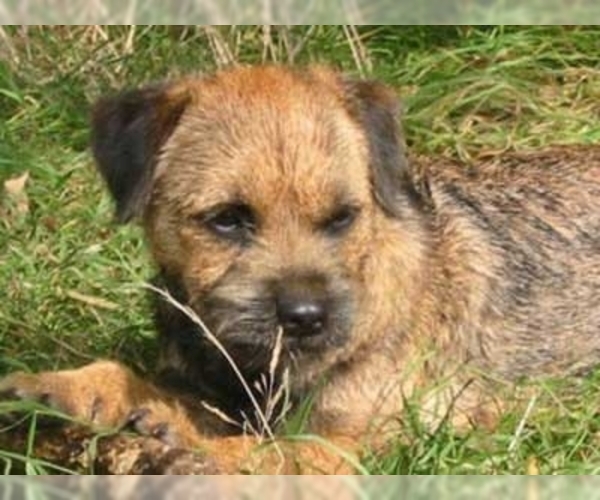
Border Terrier
A.K.A.: Coquetdale Terrier, Reedwater Terrier, Roxburghshire Terrier, Border, Borders, BW.
Overview:
The Border Terrier, originating from the Anglo-Scottish border region, was bred to work alongside huntsmen, bolting foxes and other vermin. This small, hardy terrier possesses a distinctive "otter-like" head, a wiry, dense coat that provides excellent weather protection, and a lean, muscular build. Typically weighing between 11-15 pounds, they are incredibly agile and possess surprising stamina. Known for their alert and affectionate temperament, Border Terriers are generally good-natured and can be wonderful family pets, often getting along well with children and other animals when properly socialized. While adaptable, their natural inclination to dig and chase means secure fencing is essential. They can thrive in apartments if given sufficient daily exercise and mental stimulation. Health-wise, they are generally robust, but like many breeds, can be prone to certain conditions such as Canine Epileptoid Cramping Syndrome (CECS) and luxating patellas, making responsible breeding practices crucial.
See more...