Quick navigation
CARLOTTA - JACK RUSSELL TERRIER (SHORT COAT) DOG FOR ADOPTION
Jack Russell Terrier Dogs For Adoption in Lancaster, PA, USA
For Adoption
-
Nickname:
Carlotta
-
Breed
-
Gender
Female
-
Age
Young
-
Location
Lancaster, PA, 17603 USAUSA
Description
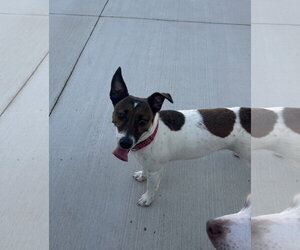
Dog Breed: Jack Russell Terrier (short coat). Carlotta is available for foster or foster to adopt. She is the happiest girl that loves to have fun! She would do best with an active family. She enjoys playing with other dogs and needs a home without cats. She is spayed, microchipped, and up to date on age appropriate vaccines. She is available at the Pet Pantry's second facility in Lancaster. If you think she may be the perfect match for your family please fill out a foster or adoption application! Applications are available online at petpantrylc. From there, our adoption coordinator will be in touch!
-
Physical Attributes
Coat Length: Short Altered No -
Behavioral Characteristics
OK with Kids: Yes OK with Dogs: Yes OK with Cats: No Owner Experience Required: Species -
Additional Information
Was the Dog Found No
Simplify Your Perfect PUPPY SEARCH
Let PuppyFinder Help!
Let PuppyFinder Help!
Save Time. Get The Right Match. Buy Puppy Safer.
CREATE A WANTED ADRescue Information
-
Organization name
Pet Pantry of Lancaster County, Inc.
-
Location:
Lancaster, Pennsylvania, 17603 USAUSA
Breed overview
Jack Russell Terrier
A.K.A.: JRT, Shorty Jack, English Jack Russell Terrier, Irish Jack Russell Terrier, Miniature Jack Russell Terrier, Hunt Terrier, Jack Russell, Working Terrier, Russell Terrier, Parson Russell Terrier
Overview:
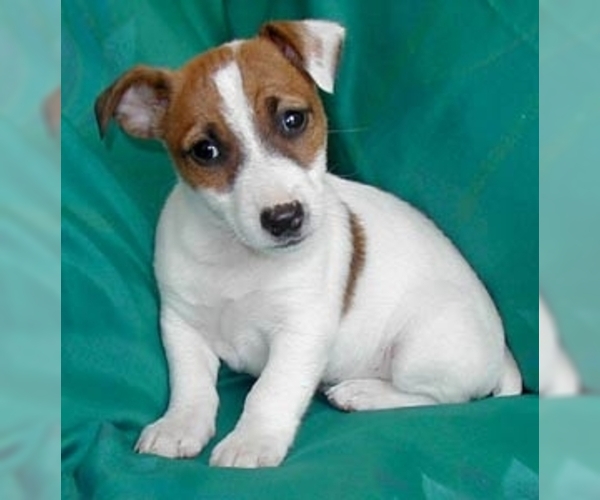
The Jack Russell Terrier is a small, energetic dog breed originating from England in the mid-1800s, specifically bred by Reverend John Russell for fox hunting. These compact canines are easily recognized by their sturdy, muscular build, typically weighing between 13-17 pounds, with a height of 10-15 inches at the shoulder. Their coats can be smooth, broken, or rough, predominantly white with black, tan, or tricolor markings. Known for their spirited and confident temperament, Jack Russells are highly intelligent but can also be quite stubborn, requiring consistent training and ample mental stimulation. While devoted to their families, their high energy levels and strong prey drive make them better suited for active households with secure outdoor spaces rather than small apartments. They can thrive with children if properly socialized, though supervision is always advised due to their boisterous play. Generally healthy, they can be prone to certain genetic conditions such as patellar luxation, Legg-Calve-Perthes disease, and some eye disorders, making responsible breeding crucial.
See more...