Quick navigation
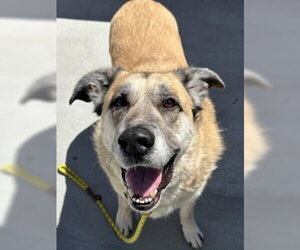
BRUCE - GREAT PYRENEES / SHEPHERD DOG FOR ADOPTION
Great Pyrenees Dogs For Adoption in Salinas, CA, USA
For Adoption
-
Nickname:
Bruce
-
Breed
-
Gender
Male
-
Age
Adult
-
Location
Salinas, CA, 93908 USAUSA
Description
Dog Breed: Great Pyrenees / Shepherd. Hi, I'm Bruce! I love quiet days and gentle cuddles. Though I might be a bit shy at first, once I warm up, I'm the sweetest friend you could ask for. I enjoy my independence, often lounging in a cozy spot with my thoughts. But don't worry, I'm always ready for a friendly pat or a calm walk. I cherish peaceful moments with kind humans. If you're looking for a gentle, mellow companion to share serene days with, I'm your guy. Let's make each day special together.
-
Physical Attributes
-
Additional Information
Was the Dog Found No Other - Up-to-date on Vaccinations
Simplify Your Perfect PUPPY SEARCH
Let PuppyFinder Help!
Let PuppyFinder Help!
Save Time. Get The Right Match. Buy Puppy Safer.
CREATE A WANTED ADRescue Information
-
Organization name
The SPCA for Monterey County
-
Location:
Salinas, California, 93908 USAUSA
Breed overview
Great Pyrenees
A.K.A.: Pyrenean Mountain Dog, Patou, Chien de Montagne des Pyrénées, Pyrenean, Big White Dog, Bear Dog, Gentle Giant, Great Pyr, Pyr
Overview:
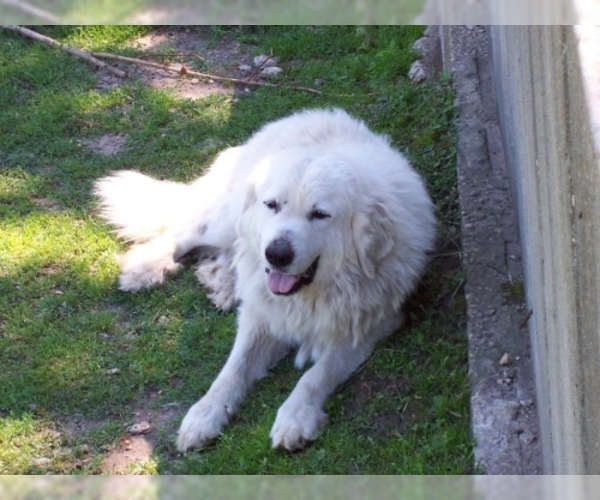
The Great Pyrenees is a majestic and ancient breed, originating in the Pyrenean mountains between France and Spain, where they served as formidable livestock guardians. Physically, they are large, powerful dogs, easily recognized by their thick, double coat, typically white (though sometimes marked with badger, grey, or tan), and a distinctive "double dewclaw" on their hind legs. Despite their imposing size, their temperament is generally calm, gentle, and remarkably patient, making them excellent companions. They possess a natural protectiveness, which translates to a watchful eye over their families and property. While loving and tolerant with children, their size and barking tendencies make them less suited for small apartment living; a home with a yard is ideal. Prospective owners should be aware of common health concerns such as hip and elbow dysplasia, patellar luxation, and certain eye conditions, emphasizing the importance of responsible breeding. Their independent nature also means they require consistent, positive reinforcement training.
See more...