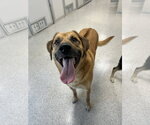
HICKORY - RHODESIAN RIDGEBACK / GREAT PYRENEES / MIXED (SHORT COAT) DOG FOR ADOPTION
Lancaster, PA, 17603, USA
Quick navigation
HICKORY - RHODESIAN RIDGEBACK / GREAT PYRENEES / MIXED (SHORT COAT) DOG FOR ADOPTION
Pyrenees Ridgeback Dogs For Adoption in Lancaster, PA, USA

For Adoption
-
Nickname:
Hickory
-
Breed
-
Gender
Male
-
Age
Young
-
Location
Lancaster, PA, 17603 USAUSA
Description
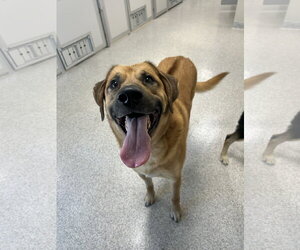
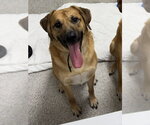
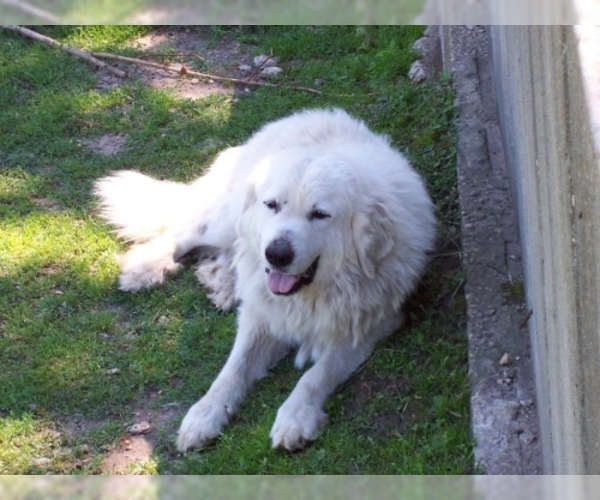
Dog Breed: Rhodesian Ridgeback / Great Pyrenees / Mixed (short coat). Adoption Fee: 400.00. Hickory is large and in charge weighing around 100 pounds. He is a gentle giant though! He is 1 years old , but over the puppy shenanigan stage. He lived with another dog as well as with cats in his previous home. He is also house trained and crate trained. He will make a great addition to his future family! Because of his size he would do best with older children. Hickory is neutered, microchipped, and up to date on age appropriate vaccines. He is available for a meet and greet by appointment. If you think he may be the furever match for your family please fill out an adoption application! Applications are available at our location as well as online at petpantrylc. From there, our adoption coordinator will be in touch!
-
Physical Attributes
Coat Length: Short Grooming Needs: Low Altered Yes -
Behavioral Characteristics
OK with Kids: Yes OK with Dogs: Yes OK with Cats: Yes Activity Level: Slightly Active Obedience Training: Has Basic Training Owner Experience Required: Species Other: - Crate Trained
- Housetrained
-
Personality
Personality Characteristics - Even-Tempered
-
Additional Information
Was the Dog Found No Other - Up-to-date on Vaccinations
Simplify Your Perfect PUPPY SEARCH
Let PuppyFinder Help!
Let PuppyFinder Help!
Save Time. Get The Right Match. Buy Puppy Safer.
CREATE A WANTED ADRescue Information
-
Organization name
Pet Pantry of Lancaster County, Inc.
-
Location:
Lancaster, Pennsylvania, 17603 USAUSA
Breed overview
Overview:
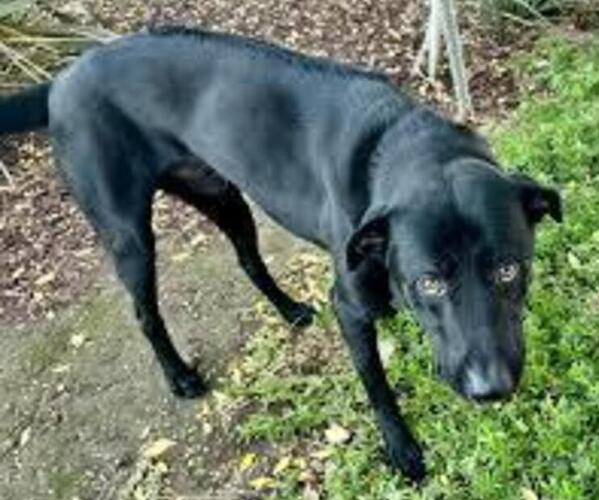
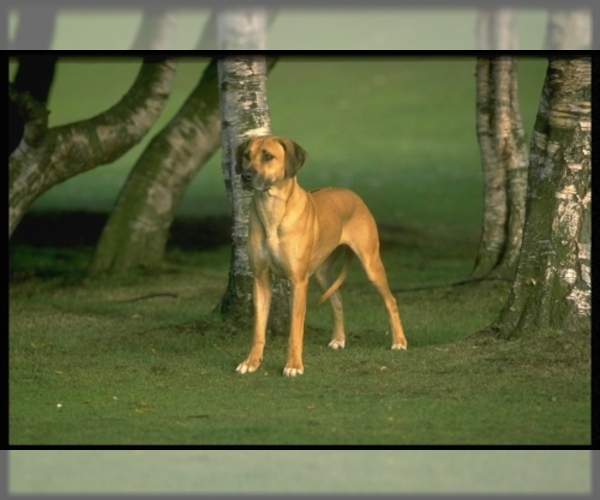
The Pyrenees Ridgeback is a captivating hybrid breed, a thoughtful cross between the majestic Great Pyrenees and the courageous Rhodesian Ridgeback. Originating from designer breeders seeking a balanced companion, this medium to large-sized dog typically inherits a strong, athletic build, often with a dense double coat that can vary in color, sometimes displaying the distinctive ridge on its back. Temperament-wise, they are known for being intelligent, loyal, and protective, often exhibiting the gentle nature of the Pyrenees combined with the alertness and independence of the Ridgeback. While generally good with families, their strong will and need for mental stimulation make them better suited for experienced owners in homes with a yard, rather than small apartments. Early socialization and consistent training are crucial. Potential health considerations include those common to their parent breeds, such as hip and elbow dysplasia, bloat, and certain eye conditions, making regular veterinary check-ups essential for their long-term well-being.
See more...