Mixed Breeds

Chizer
A.K.A. : Chi Schnauzer, Miniature Chi Schnauzer, Schnauchi, Schnauzchi
Quick navigation
All about Chizer dog breed
A.K.A. :Chi Schnauzer, Miniature Chi Schnauzer, Schnauchi, Schnauzchi
Chizer is a mix of
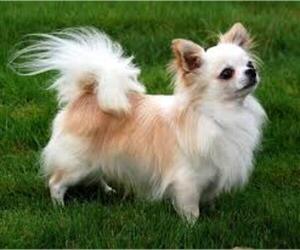

Size
Grooming requirements
Exercise requirements
Good with other dogs
Watchdog ability
Energetic
Training requirements
Playful
Affectionate
Good with other pets
Good with children
Good with strangers
Winter
Summer
Healthiness
Protective
Life Span
| Breed Type | Mixed Breed |
| Browse by Name | Starting with 'C' |
| Breeds by Group | Terrier |
| Breeds by Trait | Hypoallergenic Low Shedding |
| Overview: | The Chizer, an engaging crossbreed originating from the Chihuahua and Miniature Schnauzer, offers a captivating blend of its parent breeds. Typically small to medium-sized, they often sport a wiry or sometimes smoother coat that can come in various colors, inheriting the Schnauzer’s distinctive beard and eyebrows or the Chihuahua’s expressive eyes. Their temperament is generally described as intelligent, lively, and affectionate, often displaying the Schnauzer's boldness combined with the Chihuahua's loyalty. Chizers are adaptable, making them well-suited for both apartment living and families with older children, though early socialization is crucial. While generally robust, potential health considerations include patellar luxation, dental issues, and certain eye conditions, reflective of their parent breeds. With proper care and training, a Chizer can be a devoted and spirited companion. |
F.A.Q.
All you need to know about Chizer breed
All You Need to Know About the "Chizer" Breed (parent breeds: "Chihuahua" × "Schnauzer (Miniature)")The Chizer, a charming crossbreed of the Chihuahua and Miniature Schnauzer, combines the best of both worlds into a compact, delightful companion. Originating from designer breed programs, these intelligent and alert dogs are known for their spirited yet affectionate temperament. Physically, they typically boast a sturdy, small build, weighing between 5-15 pounds, with a wiry or sometimes smoother coat that can be various colors like black, silver, or cream. Their moderate shedding makes them a good option for those seeking a less allergenic pet, though regular brushing is required to maintain their coat. Chizers adapt well to apartment living due to their small size, provided they receive daily walks and playtime to satisfy their moderate exercise needs. They are generally good with families and older children, thriving on attention and forming strong bonds. Potential owners should be aware of common health considerations such as dental issues, luxating patella, and eye problems, often inherited from their parent breeds. Responsible breeding practices help mitigate these risks.
What Is the Average Weight of Chizer in Pounds?
The average weight for an adult Chizer is typically 8 to 15 pounds. While there can be slight variations, male and female Chizers generally fall within this same healthy weight range. For example, a smaller female might be around 8 pounds, while a larger male could reach 15 pounds. This Chizer weight reflects their heritage from the Chihuahua and Miniature Schnauzer, resulting in a compact, average size dog.
What Is the Typical Height of Chizer in Inches?
How tall is a Chizer?The average Chizer height typically ranges from 7 to 14 inches at the shoulder when fully grown. This adorable hybrid, a cross between a Chihuahua and a Miniature Schnauzer, inherits a blend of sizes from its parent breeds.While the typical adult Chizer height falls within this 7-14 inch range, individual Chizer size can vary. Factors like the specific height of the parent dogs, whether it's a first-generation cross or a later one, and general genetics all play a role. It’s also common to see slight variations between genders, with male Chizers sometimes being a bit taller than females, though this isn't a strict rule for the breed. If you're looking for a specific how tall is a Chizer answer for a particular puppy, it's always best to inquire about the height of its parents to get a better estimate. Overall, the Chizer is a small to medium-sized companion, perfect for various living situations.
What Coat Colors Are Typical for the Chizer breed?
Chizer colors can vary widely, reflecting the diverse coat types of their Chihuahua and Miniature Schnauzer parents. Commonly seen Chizer colors include black, silver, salt and pepper (classic Schnauzer), fawn, tan, cream, and white. Many Chizers also display brindle patterns or parti-color coats (a base color with white patches).Rare Chizer coat types and exotic Chizer variations can sometimes appear due to recessive genes. These include chocolate (brown), blue (a dilute black, appearing grayish), and lilac (a dilute chocolate, appearing brownish-gray). While these unique colors are striking, it's important to note that the AKC recognized Chizer colors (if the breed were to be recognized, as Chizers are a hybrid) would primarily align with the accepted colors of their parent breeds. The AKC generally accepts black, salt and pepper, and silver for Miniature Schnauzers, and a very wide range including black, fawn, cream, chocolate, and various parti-colors for Chihuahuas. Therefore, common Chizer colors will generally align with these parent breed standards. Colors like merle are not typically seen in either parent breed and would be extremely rare, if present at all, likely indicating outcrossing. Pricing for Chizers with rare coat types or exotic Chizer variations may be higher due to their unique appearance, but prospective buyers should always prioritize health and temperament over color.
What is the typical personality of Chizer?
The Chizer personality combines the lively spirit of the Chihuahua with the feisty intelligence of the Miniature Schnauzer, resulting in a loyal and affectionate companion. These small dogs are typically very friendly with their families, often forming strong bonds and enjoying close companionship. They possess a good degree of sociability and generally adapt well to various home environments, making them adaptable to apartment living due to their compact size and moderate exercise needs.Regarding the temperament of Chizer with children, supervision is always recommended, especially with very young children, as their small size can make them vulnerable to accidental rough handling. However, with older, respectful children, they can be playful and endearing companions. When it comes to other pets, early socialization is key. Chizers can coexist peacefully with other dogs and cats, particularly if introduced properly and raised together. They are alert and can be protective of their home, often acting as good little watchdogs, but without excessive barking when properly trained. Overall, the Chizer is a bright, charming, and devoted breed, perfect for those seeking a small dog with a big personality.
What is the typical temperament of Chizer?
The Chizer temperament is a captivating blend from its Chihuahua and Miniature Schnauzer lineage, resulting in a generally affectionate and loyal companion dog. They are known for their devotion to their families, often forming strong bonds. Friendliness towards familiar faces is high, though they can be initially reserved or wary of strangers, exhibiting typical Schnauzer alertness. This sociability is best fostered with early exposure and positive reinforcement.
Their size makes them highly adaptable to apartment living, provided they receive adequate daily walks and mental stimulation. Chizers are intelligent, which aids in training, but they can inherit a stubborn streak from both parents, so consistency and patience are key. They are sensitive to their owner's emotions and environments, preferring a calm and predictable home.Regarding behavior with children and other pets, Chizers can thrive in homes with older, respectful children who understand how to interact gently with a small dog. Their smaller stature can make them feel vulnerable with very young, boisterous children. With other pets, early socialization is crucial for harmonious living. They generally do well with other calm, well-behaved animals, but their alert nature might lead to barking at novel sights or sounds.In summary, a Chizer is a bright, loving, and alert companion best suited for owners who appreciate their spirited nature and are committed to consistent training and socialization. Expect a loyal dog with a surprising amount of personality, eager to be a central part of your family life.What Are the Care Requirements for the Chizer breed?
Chizer Care: A delightful mix of Chihuahua and Miniature Schnauzer, the Chizer is a charming companion with specific care needs. Understanding these will ensure a happy, healthy life for your furry friend.
Grooming Needs: Chizers typically have a medium-length coat that can range from wiry (like a Schnauzer) to softer (like a Chihuahua). Daily brushing is recommended to prevent mats and tangles, especially if their coat is on the longer side. Professional grooming every 6-8 weeks might be necessary for trims and to manage shedding. Pay close attention to ear cleaning and nail trims every 3-4 weeks.Exercise Limitations: Chizers are a relatively low-energy dog breed. Daily short walks (20-30 minutes) and indoor playtime are usually sufficient to meet their exercise requirements. They enjoy mental stimulation through puzzle toys and short training sessions. Avoid over-exercising, especially in extreme temperatures, due to their smaller size.Dietary Considerations: A high-quality, small-breed dog food is essential. Monitor their calorie intake closely to prevent obesity, a common issue in smaller breeds. Divide their daily food into two meals to aid digestion and prevent bloat. Consult your veterinarian for specific dietary recommendations based on age, activity level, and health.Wrinkle and Ear Cleaning: While not typically a heavily wrinkled breed, some Chizers may inherit subtle facial folds from their Schnauzer lineage. If present, these need regular cleaning to prevent skin irritation and infection. Their ears, whether floppy or semi-erect, require weekly checks and cleaning with a vet-approved solution to prevent ear infections.Climate Sensitivity & Brachycephalic Considerations: Chizers are not typically brachycephalic (short-nosed), but some individuals may have slightly shorter muzzles. Regardless, due to their small size, they are sensitive to extreme temperatures. They can quickly overheat in hot weather and get cold in winter. Always ensure they have access to shade and water in summer and a warm, sheltered environment in winter. Avoid strenuous activity during peak heat.Common Health Concerns & Health Tips for Chizer: Like their parent breeds, Chizers can be prone to certain health issues. Skin issues can arise from allergies or lack of proper grooming. Dental care is paramount; daily tooth brushing and professional cleanings are crucial to prevent periodontal disease, which is very common in small dogs. Regular veterinary check-ups are vital for early detection and management of potential health problems. Weight management is also critical to prevent conditions like diabetes and joint problems. Discuss any concerns about their health with your veterinarian. This guide provides an overview of how to care for a Chizer and their daily maintenance needs.How active are Chizer, and what kind of exercise do they need?
Chizer Activity Level: Moderate & Adaptable
How active are Chizer? Chizer typically have a moderate activity level, balancing short bursts of playful energy with significant periods of rest. They are not overly high-strung but do require regular engagement. Daily exercise needs include 20-30 minutes of walking or active playtime, often broken into two shorter sessions. Due to their brachycephalic (short-nosed) anatomy, extreme caution is necessary during exercise, especially in hot or humid weather, to prevent overheating and breathing difficulties. They are not suitable for prolonged strenuous activities like long-distance running or intense hiking.Playtime preferences often involve interactive games with their owners, such as chasing a toy, gentle tug-of-war, or puzzle toys that stimulate their intelligent Schnauzer side. While they enjoy a good romp in a secure yard, they are equally content curling up on the sofa for extended naps. Chizer excel at being attentive companions rather than endurance athletes. They are suitable for both low-energy households that can provide consistent short walks and indoor play, and families with a moderate activity level who understand their physical limitations. Their exercise needs are manageable for most lifestyles, making them a versatile companion for various living situations.What are common health issues in Chizer?
Chizer health problems are influenced by their mixed heritage, combining the Chihuahua’s compact, sometimes brachycephalic build with the Miniature Schnauzer’s sturdy frame and predisposition to certain sensitivities. While affectionate and intelligent companions, adopters should be aware of common Chizer medical issues that may affect long-term care and overall quality of life.
Because some Chizers inherit shorter muzzles from the Chihuahua side, they can be prone to Brachycephalic Obstructive Airway Syndrome (BOAS), which may cause noisy breathing, snoring, and exercise intolerance. Applying brachycephalic dog care strategies—such as avoiding strenuous activity in hot weather, using a harness instead of a collar, and monitoring breathing during play—helps reduce respiratory strain.
Their anatomy, blending the Schnauzer’s strong joints with the Chihuahua’s delicate frame, makes them susceptible to hip dysplasia, patellar luxation, and spinal problems such as intervertebral disc disease (IVDD). These conditions may lead to stiffness, arthritis, or reduced mobility. Weight management, joint supplements, and controlled, low-impact exercise are essential to protect their musculoskeletal health.
The Schnauzer’s predisposition to skin allergies and the Chihuahua’s tendency toward sensitivities can make Chizers prone to skin fold infections and recurring irritation. These often present as itching, hot spots, or ear infections. Regular grooming, wrinkle cleaning, and ear care are critical to prevent discomfort and infection.
Due to their compact size, moderate stamina, and sometimes shortened muzzle, Chizers are prone to heat sensitivity. They thrive in moderate climates but can overheat quickly in hot or humid conditions, so they should always have access to shade, water, and cool resting areas.
Because some Chizers inherit shorter muzzles from the Chihuahua side, they can be prone to Brachycephalic Obstructive Airway Syndrome (BOAS), which may cause noisy breathing, snoring, and exercise intolerance. Applying brachycephalic dog care strategies—such as avoiding strenuous activity in hot weather, using a harness instead of a collar, and monitoring breathing during play—helps reduce respiratory strain.
Their anatomy, blending the Schnauzer’s strong joints with the Chihuahua’s delicate frame, makes them susceptible to hip dysplasia, patellar luxation, and spinal problems such as intervertebral disc disease (IVDD). These conditions may lead to stiffness, arthritis, or reduced mobility. Weight management, joint supplements, and controlled, low-impact exercise are essential to protect their musculoskeletal health.
The Schnauzer’s predisposition to skin allergies and the Chihuahua’s tendency toward sensitivities can make Chizers prone to skin fold infections and recurring irritation. These often present as itching, hot spots, or ear infections. Regular grooming, wrinkle cleaning, and ear care are critical to prevent discomfort and infection.
Due to their compact size, moderate stamina, and sometimes shortened muzzle, Chizers are prone to heat sensitivity. They thrive in moderate climates but can overheat quickly in hot or humid conditions, so they should always have access to shade, water, and cool resting areas.
Breed Breakdown: What Experts Say About the Chizer
What is the typical size of Chizer, and how does it compare to other breeds in terms of suitability for apartment living and travel?
I would rate the "Size" trait of the Chizer breed a 2 out of 10.Chizers are a cross between Chihuahuas and Miniature Schnauzers, both of which are small breeds. As a result, Chizers are consistently very small dogs. They typically weigh between 8 to 15 pounds and stand around 8 to 12 inches tall at the shoulder. Their body structure is compact and proportionate, reflecting their small stature. Compared to most other companion dogs, even other small breeds, the Chizer leans towards the smaller end of the spectrum. Their diminutive size makes them exceptionally well-suited for apartment living, frequent travel, and households with significant space constraints. They require very little room to be comfortable and can easily adapt to smaller environments.
What are the grooming requirements for Chizer, and how do their coat type and skin features affect overall maintenance?
I would rate the grooming requirements of a Chizer as a 7.This is because the Chizer inherits a mix of coat types from its parents. While a Chihuahua's coat can be relatively low-maintenance, the Miniature Schnauzer's wiry, double coat requires regular attention. Chizers often have a coat that is a blend, potentially ranging from a softer, slightly wavy texture to a more wiry one, and they typically shed moderately. This means they will likely need brushing several times a week to prevent mats and tangles, especially if their coat leans towards the Schnauzer side. Professional grooming every 6-8 weeks for clipping or hand-stripping might be necessary to maintain a healthy coat and prevent matting, especially around the face and legs. Their ears may also require regular cleaning to prevent infections, a common need for breeds with drop ears. While skin folds are less common than in some brachycephalic breeds, nail trims are essential every few weeks, and regular bathing will be needed, though not excessively. While not excessively prone to skin issues, their mixed heritage means they could inherit sensitivities from either parent, which would require more specialized care. Compared to many companion dogs, a Chizer is not extremely low-maintenance and will likely require frequent, dedicated grooming attention, including potential professional grooming, to keep their coat and skin healthy.
What are the exercise requirements for Chizer, and how do their energy levels affect daily activity and health?
I would rate the exercise requirements of a Chizer as a 5.This moderate rating reflects the blend of its parent breeds. The Chihuahua side contributes to a generally lower exercise tolerance due to its small size and potential for brachycephalic tendencies (though less pronounced than a Pug, it's a consideration). These dogs can tire more easily and are not built for long, strenuous outings. However, the Miniature Schnauzer lineage introduces a more robust and energetic element. Schnauzers are known for their lively personalities and need more than just a quick potty break to stay mentally and physically healthy.A Chizer will thrive with daily walks of moderate length (20-30 minutes), coupled with interactive playtime sessions. They enjoy mental stimulation, so puzzle toys and short training sessions are beneficial. While they aren't marathon runners, they are not purely lap dogs either. They need structured routines to prevent boredom and maintain a healthy weight, but these routines don't need to be overly demanding. They are generally suitable for varied activities like brisk walks, fetch in the yard, and even some beginner-level agility or obedience classes, as long as the intensity is kept in check. They are unlikely to be satisfied with just lounging all day, but equally, they won't require hours of intense physical activity to be content.
How effective is Chizer as a watchdog, and what kind of alert or protective behavior can owners expect?
I'd rate the Chizer's watchdog ability at a solid 8 out of 10.This rating stems from the strong influence of both parent breeds. Miniature Schnauzers are renowned for their excellent watchdog capabilities – they are incredibly alert, possess a strong "stranger danger" instinct, and are not shy about letting you know when something is amiss with a distinctive, often insistent bark. Chihuahuas, while small, also tend to be very aware of their surroundings and vocal when they perceive a threat or anything out of the ordinary. The Chizer will likely inherit this blend of vigilance and vocalization. They are highly attuned to unfamiliar sounds and people, and their territorial instincts, even if expressed through their small stature, are generally present. While they may not be physically capable of deterring a large human intruder, their consistent and often surprisingly loud barking will undoubtedly provide meaningful early warnings. They are far from a passive companion in this regard; they are very much capable of and inclined to act as the household's little alarm system.
How well does the Chizer get along with other dogs, and what role does socialization play in their behavior?
Rating: 6/10The Chizer's "Good with Other Dogs" trait lands squarely in the middle, reflecting a mixed bag of influences from its parent breeds. The Chihuahua side can often bring a feisty, "small dog syndrome" tendency, sometimes leading to an unwillingness to back down even from larger dogs, or a tendency to be wary and even nippy if not properly socialized. This can manifest as barking, attempts at dominance, or even fear-based aggression towards unfamiliar canines. However, the Miniature Schnauzer lineage often contributes a more robust, sometimes boisterous, but generally more adaptable and even playful nature. They can be quite good with other dogs, especially if raised with them.For a Chizer, compatibility with other dogs is highly dependent on early and ongoing socialization. With consistent exposure to various dogs from puppyhood, a Chizer can learn to be a perfectly acceptable, and even playful, companion. Without it, they are more prone to being reactive, selectively friendly, or even prone to guarding resources. They can adapt to multi-dog households, but careful introductions and consistent training are crucial. They might not thrive in all canine company naturally and may require monitoring, especially around very dominant or overly boisterous dogs who might overwhelm their smaller stature or perceived insecurity. They are less likely to be inherently aggressive but can be defensive or possessive. Therefore, while not inherently incompatible, they definitely require careful introductions and training to coexist peacefully, rather than naturally thriving in all canine company.
What is the typical energy level of a Chizer, and how does it affect their playtime, exercise needs, and suitability for indoor living?
I'd rate the "Energetic" trait of the Chizer at a 6.The Chizer typically exhibits a moderate to somewhat active energy level, balancing the feistiness of the Chihuahua with the generally more robust and playful nature of the Miniature Schnauzer. They are not usually couch potatoes, enjoying daily walks, playtime with toys, and interaction with their owners. Their endurance is fair; they can keep up with a good walk or a moderate play session, but aren't typically built for extensive athletic endeavors. Their playfulness is generally high, as they enjoy engaging in games and being the center of attention.While they do need regular physical stimulation to prevent boredom and maintain a healthy weight, they aren't necessarily "high-drive" dogs that demand constant intense activity. Compared to other companion dogs, they fall somewhere in the middle – more active than a truly laid-back breed, but less demanding than many working or sporting breeds. The Chizer's potential brachycephalic anatomy from the Chihuahua side can significantly affect stamina and exercise tolerance, particularly in warmer weather or during strenuous activity. While not all Chizers inherit a pronounced short snout, those that do will be more prone to overheating and respiratory distress, limiting their capacity for extended outdoor or athletic activities and requiring owners to be mindful of their exercise limits to prevent health issues. This potential respiratory vulnerability is a key factor in keeping the rating from being higher, as even an otherwise energetic dog would be limited by its breathing capacity.
How easy is it to train a Chizer, and what kind of consistency and techniques work best for this breed?
I'd rate the Chizer's "Training Requirements" a 6 out of 10.Chizers, being a mix of Chihuahua and Miniature Schnauzer, present a fascinating blend of training challenges. They generally possess a good level of intelligence, inherited from both parents, which means they are capable of learning commands and routines. However, the Chihuahua's tendency towards stubbornness and a strong independent streak, combined with the Miniature Schnauzer's inherent prey drive and occasional defiance, can make training a less-than-straightforward endeavor. Their attention spans can vary; while they can focus for short bursts, easily becoming distracted by new scents or sounds is common. Responsiveness to commands can be good if the training is consistent and engaging, but if they decide something isn't worth their effort, they can become quite resistant. Consistency is absolutely crucial for this breed; any lapse can quickly lead to backsliding. Positive reinforcement, particularly with high-value treats and praise, is highly effective, as harsh methods will likely lead to fear or further stubbornness. This breed is not entirely beginner-friendly and would benefit significantly from an owner who is patient, consistent, and willing to invest in structured routines. While a first-time dog owner *could* succeed, they would need to be very dedicated to learning and applying proper training techniques, potentially with the help of a professional trainer, to navigate the Chizer's more demanding aspects effectively.
How playful is the Chizer, and what makes them such an energetic companion?
I'd rate the Playful trait of a Chizer a 7 out of 10.Chizers generally inherit a good amount of their vivaciousness from both parent breeds. The Chihuahua side contributes a sparky, sometimes mischievous, energy, while the Miniature Schnauzer brings a playful enthusiasm and a love for interaction. They are typically quite active for their size, enjoying games of fetch, chasing toys, and engaging in interactive play with their owners. They thrive on attention and can be quite adept at initiating playtime, often bringing toys or nudging for interaction. Their response to toys and playtime is usually very enthusiastic, and they tend to maintain a certain level of spiritedness throughout their daily lives, eager for adventures and companionship. While not as constantly "on the go" as some higher-energy breeds, they are certainly more naturally spirited than laid-back compared to many other companion dogs.
How affectionate is the Chizer, and what kind of companionship and emotional bonding can owners expect?
I'd rate the Affectionate trait of the Chizer a 9 out of 10.Chizers inherit a strong desire for human companionship from both their Chihuahua and Miniature Schnauzer parents. They are typically very people-oriented and thrive on being part of the family's daily life. You can expect a Chizer to actively seek out physical closeness, often enjoying cuddling, lap-sitting, and leaning against their owners. Their loyalty is quite pronounced, and they tend to form strong bonds with their primary caregivers. Furthermore, they are often sensitive to their owner's emotions, sometimes even mirroring their mood, and will frequently follow family members from room to room, eager to be involved and close by. While they possess a confident spirit, they are far from independent when it comes to emotional connection; they genuinely thrive on affection and become deeply attached, often exhibiting signs of sadness if left alone for extended periods.
How well does the Chizer get along with other pets, and what factors influence their compatibility in multi-pet households?
I'd rate the "Good with Other Pets" trait of the Chizer a 6 out of 10.While Chizers can be adaptable and form strong bonds with other household pets, they aren't inherently guaranteed to be extremely pet-friendly without effort. Their Chihuahua heritage can sometimes contribute to a "big dog in a small dog's body" attitude, leading to bossiness or resource guarding, especially with other small animals. Miniature Schnauzers, while generally good-natured, do possess a terrier prey drive that might emerge around smaller, quick-moving pets like cats or very small rodents, even if it's not a strong or constant urge. Therefore, a Chizer's success in a multi-pet household largely depends on early and consistent socialization, proper introductions, and ongoing supervision, particularly with more delicate or significantly smaller pets. They are not naturally sociable to the point of effortlessly coexisting, but with appropriate training and management, they can certainly thrive in multi-pet environments.
Is the Chizer good with children, and what makes them a suitable companion for family life?
The Chizer, a hybrid of the Chihuahua and Miniature Schnauzer, would likely rate around a 6 out of 10 for "Good with Children."This rating reflects a breed that can be suitable for families with children, but often with important caveats. Their temperament is a blend of their parent breeds, which means a significant degree of variability. Miniature Schnauzers are generally known for being playful, loyal, and good with children, especially when well-socialized. They tend to be sturdy and have a good tolerance for activity. However, Chihuahuas, while capable of being affectionate with their own families, can be more sensitive, easily startled, and prone to "nipping" when feeling threatened or overwhelmed, particularly by boisterous children. Their small size also makes them more vulnerable to accidental injury by young, uncoordinated kids.Therefore, a Chizer's compatibility with children largely depends on which parent breed's traits are more dominant and, crucially, on early and consistent socialization. They can be playful and affectionate, enjoying interactions and games, particularly with older, more considerate children who understand how to interact gently with a smaller dog. They may have a moderate tolerance for noise and handling, again, depending on their individual temperament and early experiences. However, their smaller size means they aren't as robust as larger breeds, and their potential Chihuahua sensitivity means they might require more supervision with very young children. While they can be naturally gentle and affectionate with their chosen family, they will almost certainly require training and constant supervision in a family setting with young children to ensure both the dog's and the child's safety and well-being. Without proper socialization and education for both dog and child, the risk of a negative interaction increases.
Is the Chizer good with strangers, and how do they typically behave around new people?
I would rate the "Good with Strangers" trait of the Chizer a 6 out of 10.Chizers inherit a mix of tendencies from their parent breeds. The Chihuahua side often brings a degree of wariness and can be prone to being reserved or even nippy with unfamiliar people, sometimes displaying guarding behaviors or barking as a first line of defense. They can be intensely loyal to their family and less interested in expanding their social circle. However, the Miniature Schnauzer contributes a more outgoing and generally friendly disposition. Schnauzers are typically quite sociable, curious, and less prone to shyness, though they can be alert and will bark to announce arrivals.Therefore, the Chizer typically falls in the middle. They are generally not as immediately welcoming as some more universally friendly breeds, and many will exhibit an initial caution or reserved demeanor around new people. Early and consistent socialization is crucial for a Chizer to be comfortable and friendly with strangers. Without it, the Chihuahua's guarded tendencies might prevail, leading to more barking, a desire to be picked up, or a general avoidance of unfamiliar adults. With good socialization, they can become quite amiable and adaptable in public or guest-filled environments, showing polite curiosity rather than apprehension, though they might not be the type to instantly greet everyone with tail wags and kisses. They are more likely to observe before engaging, and while they may bark initially to alert, a well-socialized Chizer will typically settle quickly once they perceive no threat. They are neither naturally outgoing nor inherently unfriendly, requiring a conscious effort from their owners to guide them towards confident social interactions.
How well does the Chizer tolerate cold weather, and what precautions are needed during winter months?
I would rate the Chizer's winter tolerance at a 4.While the Miniature Schnauzer parentage offers a slightly denser, wiry coat, the Chihuahua's extreme sensitivity to cold is a significant factor. Chizers are typically small, and their body fat reserves are not substantial enough to provide significant insulation. Their smaller size means a larger surface area to volume ratio, leading to faster heat loss. While they are not inherently brachycephalic, some individuals may inherit a slightly shorter muzzle from the Chihuahua side, which can increase the risk of respiratory issues in very cold, dry air. They are definitely at a higher risk of hypothermia compared to larger, double-coated breeds. Chizers would require special care during winter months, including sweaters or coats for even moderately cold temperatures, shorter outdoor excursions, and close monitoring for signs of shivering or discomfort. They are not well-suited for extended outdoor activity in cold climates and would much prefer indoor warmth.
How well does the Chizer tolerate hot weather, and what precautions should owners take during summer months?
I would rate the "Summer" tolerance of the "Chizer" breed a 4.While not as extremely sensitive as a true brachycephalic breed, the Chizer inherits traits from both parent breeds that lean towards moderate heat intolerance. The Chihuahua influence brings a smaller size and a tendency towards delicate respiratory systems, and some Chizers may exhibit a slightly shortened muzzle, though typically not severely brachycephalic. The Miniature Schnauzer parent, with its double coat, can also be prone to overheating if not groomed properly, and while not a thick, heavy coat, it's still a layer to consider. Their small size means they can absorb heat quickly, and their ability to regulate body temperature isn't as robust as larger, more athletic breeds. They are at a higher risk of heatstroke if overexerted or left in hot environments, and their recommended outdoor activity levels during hot weather should be significantly reduced and limited to early morning or late evening. They definitely require special care in summer months compared to many other companion dogs, including access to air conditioning or fans, plenty of fresh water, and avoiding strenuous activity during peak heat hours. Owners should be vigilant for signs of overheating and prioritize indoor comfort during hot spells.
What are the common health concerns for the Chizer, and how much care and medical attention does this breed typically require?
I would rate the "Healthiness" trait of the Chizer breed at a 6 out of 10.Chizers generally benefit from being a crossbreed, which often introduces a phenomenon known as hybrid vigor, potentially reducing the incidence and severity of some breed-specific issues found in their purebred parents. However, they are still susceptible to health problems inherited from both the Chihuahua and Miniature Schnauzer. From the Chihuahua side, we can see predispositions to patellar luxation, dental problems, and sometimes heart conditions like patent ductus arteriosus. From the Miniature Schnauzer side, issues such as pancreatitis, urolithiasis (bladder stones), and certain eye conditions like progressive retinal atrophy are more common. While breathing difficulties are less prevalent in Chizers compared to some brachycephalic breeds, their smaller size can still make them more sensitive to extreme temperatures.Life expectancy is typically in the healthy range for small dogs, around 12-15 years, which is a positive factor. Responsible breeding, including genetic health screening of parent dogs, can significantly mitigate the risk of these inheritable conditions. Preventative care, such as regular dental cleanings, a balanced diet to prevent pancreatitis, and appropriate exercise, also plays a crucial role in their overall health.Compared to other companion dogs, the Chizer isn't considered exceptionally robust, nor are they as fragile as some highly inbred or extreme-conformation purebreds. They fall into a moderate category – generally healthy with proper care, but not without their potential inherited weaknesses. They aren't typically high-maintenance in terms of health, provided their owners are aware of and proactive about the common issues associated with their parent breeds.
How protective is the Chizer, and what kind of watchdog or guard dog behavior can owners expect?
I would rate the "Protective" trait of the Chizer a 7 out of 10.The Chizer, inheriting traits from both the Miniature Schnauzer and the Chihuahua, is likely to be a highly alert and vocal little dog. The Miniature Schnauzer is known for its strong territorial instincts and watchdog capabilities, often barking at anything perceived as a threat or anomaly. The Chihuahua, while small, also tends to be very loyal and can be quite feisty, often acting as if it's much larger than it is when it comes to defending its owner or home. This combination results in a dog that is exceptionally good at sounding the alarm. They will likely be quick to bark at strangers approaching the home, unusual noises, or anything that seems out of place, making them excellent watchdogs. Their loyalty to their owners is generally very strong, and they may exhibit protective behaviors towards their family. However, due to their small size, they are more of a companion dog capable of offering meaningful *deterrent by noise* rather than physical protection in a household setting. While they might put up a brave front, they are not built to be a guard dog capable of fending off an intruder. Their primary protective function is to alert their owners to potential issues.
What is the average lifespan of a Chizer, and what health factors influence their longevity?
I would rate the "Life Span" trait of the Chizer breed a 7 out of 10.The Chizer benefits from the generally good longevity of both its parent breeds. Miniature Schnauzers are known for their robust health and can live well into their teens, often 12-15 years, and Chihuahuas are famously long-lived, frequently reaching 15-20 years. This hybrid vigor, or heterosis, often leads to a reduction in some of the breed-specific health issues seen in purebreds. While they can still inherit predispositions to certain conditions like patellar luxation, dental issues, or certain eye problems from either parent, a well-bred Chizer with proper care and nutrition typically enjoys a lifespan of 12 to 16 years, which is considered long-lived compared to many other companion dog breeds. Responsible breeding practices and attentive veterinary care further enhance their potential for a long and healthy life.
Chizer Dogs for adoptionSee all dogs for adoption
Similar Dog Breeds for Chizer
Quick Breed Selector 0 - not important, 1 - smallest, 10 - largest
Variants & Mistakes :Chihzer, Snauzer, Chihauzer, Chihauhua, Chihuhua, Chihuaua, Chihauaua, Chihauauzer, Chihuahauzer, Chihuazer, Chihuaha, Chihuahzer, Chihuazzer, Chihahzer, Chihah, Chihza, Chizah, Chiza, Chizor, Chissor, Chizar, Chizarh, Chiszer, Chiszerh, Chiszerz, Chiszerzz, Chizzar, Chizzer, Chizzir, Chizzor, Chizzur