Mixed Breeds

Double Doodle
A.K.A. : Double Doodlepoo, North American Retriever, Golden Labradoodle
Quick navigation
All about Double Doodle dog breed
A.K.A. :Double Doodlepoo, North American Retriever, Golden Labradoodle
Double Doodle is a mix of
Size
Grooming requirements
Exercise requirements
Good with other dogs
Watchdog ability
Energetic
Training requirements
Playful
Affectionate
Good with other pets
Good with children
Good with strangers
Winter
Summer
Healthiness
Protective
Life Span
| Breed Type | Mixed Breed |
| Browse by Name | Starting with 'D' |
| Breeds by Group | Companion Gun Dog Sporting |
| Breeds by Trait | Good With Kids High Stamina Dog Breeds Hypoallergenic Low Shedding Smartest Dog Breeds |
| Overview: | The Double Doodle is a designer breed created by crossing a Goldendoodle with a Labradoodle, blending the traits of the Labrador Retriever, Golden Retriever, and Poodle. Known for their medium-to-large size, they typically have a soft, wavy or curly coat that is low-shedding, making them appealing to allergy-sensitive families. Their temperament is affectionate, intelligent, and highly social, which makes them excellent companions for children and other pets. Double Doodles thrive in active households and enjoy playtime, walks, and interactive training, though they can adapt to apartment living if given sufficient exercise and mental stimulation. They are generally healthy, but like their parent breeds, may be prone to conditions such as hip dysplasia or eye issues, so responsible breeding and regular veterinary care are important. Overall, the Double Doodle is a friendly, versatile, and loving dog well-suited for families seeking a playful yet gentle companion. |
F.A.Q.
All you need to know about Double Doodle breed
The Double Doodle is a popular hybrid breed originating in the United States, created by crossing a Goldendoodle with a Labradoodle. This unique mix combines the intelligence and trainability of the Poodle with the friendly, loyal nature of the Labrador and Golden Retriever. Double Doodles are medium-to-large dogs with soft, wavy or curly coats that are typically low-shedding and often considered hypoallergenic. Their affectionate temperament and playful personality make them excellent companions for families, children, and multi-pet households. While they adapt well to apartment living, they thrive in active environments with regular exercise and mental stimulation. Grooming needs include routine brushing to prevent matting, and health considerations may involve hip dysplasia or eye issues, common in their parent breeds. Overall, the Double Doodle is a loving, versatile, and family-friendly dog.
What Is the Average Weight of Double Doodle in Pounds?
The Double Doodle weight typically ranges between 30 and 70 pounds, depending on genetics and gender. On average, males tend to be slightly larger, often reaching 50–70 pounds, while females usually fall between 30–50 pounds. This average size makes them a versatile companion suitable for both families and active individuals. Maintaining a healthy weight for Double Doodle through balanced nutrition and regular exercise is essential to support their overall well-being and prevent common health issues such as hip dysplasia. Potential adopters or buyers can expect a medium-to-large dog that thrives in loving, active households.
What Is the Typical Height of Double Doodle in Inches?
The Double Doodle height typically ranges from 21 to 25 inches at the shoulder, placing them in the medium-to-large category. On average, males may stand closer to 24–25 inches, while females often measure around 21–23 inches. This average size makes them versatile companions, suitable for both active families and those living in apartments with enough space for exercise. For adopters wondering how tall is a Double Doodle, it’s important to note that individual genetics and parent breed influence can cause slight variations, but most fall comfortably within this range. Their balanced stature contributes to their friendly, playful nature and adaptability in different living environments.
What Coat Colors Are Typical for the Double Doodle breed?
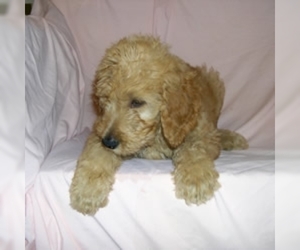
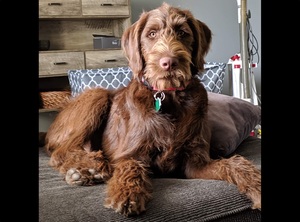
Double Doodle colors include a wide range of shades inherited from their Goldendoodle and Labradoodle parent breeds. Common coat types are black, brown, cream, gold, and white, which are widely seen and often considered standard. Some breeders also produce rare coat types such as brindle, fawn, and parti-color patterns, though these are less common. In addition, exotic Double Doodle variations like blue, lilac, merle, and chocolate may occasionally appear, especially in multi-generational lines. It is important to note that the AKC recognized Double Doodle colors do not exist, as the Double Doodle is not an officially recognized breed by the American Kennel Club. However, the colors align with those accepted for the parent breeds, making them appealing to adopters and buyers comparing coat types and pricing. Overall, Double Doodles offer a diverse palette of coat colors, ranging from traditional to rare and exotic.
What is the typical personality of Double Doodle?
The Double Doodle personality is best described as friendly, loyal, and highly sociable, making them a wonderful choice for families and first-time dog owners. Known for their affectionate nature, the temperament of Double Doodle is gentle and playful, which allows them to bond easily with children and get along well with other pets. They are adaptable to different living environments, including apartment living, as long as they receive regular exercise and mental stimulation. Double Doodles thrive on companionship and enjoy being part of family activities, showing both intelligence and eagerness to please. Their balanced disposition makes them a versatile and loving companion for households seeking a dog that is both fun and dependable.
What is the typical temperament of Double Doodle?
The Double Doodle temperament is affectionate, loyal, and highly sociable, making them excellent family companions. Their personality traits include friendliness, playfulness, and adaptability, allowing them to thrive in both spacious homes and apartment living when given proper exercise. Known for their gentle nature, they interact well with children and other pets, showing patience and a strong desire to be part of family activities. While generally eager to please, some Double Doodles may display mild stubbornness or sensitivity, especially if training is inconsistent, but positive reinforcement quickly brings out their best behavior. Overall, their companion dog behavior makes them a warm, dependable, and versatile choice for adopters seeking a loving and intelligent pet.
What Are the Care Requirements for the Double Doodle breed?
Double Doodle care involves regular grooming, exercise, and attention to overall health. Their wavy or curly coats require consistent brushing and occasional professional grooming to prevent matting. While not a low-energy dog breed, they adapt well to apartment living if given daily walks and playtime. Balanced nutrition is essential, as weight management can be a concern, and adopters should monitor portion sizes to maintain a healthy weight. Routine ear cleaning helps prevent infections, and dental care is important to avoid tartar buildup. Unlike brachycephalic breeds, Double Doodles are not prone to breathing issues, but they can be sensitive to extreme heat or cold, so climate awareness is part of daily maintenance. Common health tips for Double Doodle include monitoring for hip dysplasia, skin issues, and ensuring regular vet checkups. Knowing how to care for a Double Doodle ensures a happy, healthy companion with a long, active life.
How active are Double Doodle, and what kind of exercise do they need?
The Double Doodle activity level is generally high, as this breed inherits energy and playfulness from its Goldendoodle and Labradoodle parents. They thrive on daily walks, interactive playtime, and mental stimulation, making consistent exercise needs essential for their health and happiness. While they enjoy bursts of activity such as running or fetch, they also balance this with long periods of rest, adapting well to family routines. For adopters wondering how active are Double Doodle, they are best suited for active households that can provide regular exercise, though they can adjust to apartment living if given enough outdoor time. Unlike brachycephalic breeds, Double Doodles do not face breathing limitations, but they should still be monitored in extreme heat or cold. Their energetic yet adaptable personality makes them a versatile companion for both playful families and moderately active owners.
What are common health issues in Double Doodle?
Double Doodle health problems are generally fewer than those seen in brachycephalic breeds, as their anatomy does not predispose them to Brachycephalic Obstructive Airway Syndrome (BOAS). However, like their parent breeds, they may face common Double Doodle medical issues such as hip dysplasia, elbow dysplasia, and certain eye conditions. Skin allergies and sensitivities can occur, requiring regular grooming and monitoring for irritation. While skin fold infections and spinal problems are less typical, weight management and proper exercise are important to prevent joint strain. Double Doodles can also be sensitive to extreme heat, so climate awareness is part of responsible brachycephalic dog care practices, even though they are not brachycephalic themselves. To know how to keep Double Doodle healthy, adopters should focus on balanced nutrition, routine vet visits, dental hygiene, and consistent exercise, ensuring this affectionate breed enjoys a long, active life.
Breed Breakdown: What Experts Say About the Double Doodle
What is the typical size of Double Doodle, and how does it compare to other breeds in terms of suitability for apartment living and travel?
I would rate the "Size" trait of the Double Doodle at 7 out of 10, as this breed typically stands 21–25 inches tall at the shoulder and weighs between 30–70 pounds, placing it firmly in the medium-to-large category compared to other companion dogs. Their sturdy body structure makes them well-suited for active households with space to play, though they can adapt to apartment living if given sufficient daily exercise. Due to their size, they may be less convenient for frequent travel or very small living spaces, but their balanced proportions and adaptable temperament make them manageable for families who can provide regular activity and care.
What are the grooming requirements for Double Doodle, and how do their coat type and skin features affect overall maintenance?
I would rate the "Grooming Requirements" of the Double Doodle at 7 out of 10, as their wavy or curly coat requires regular brushing several times a week and professional grooming every few months to prevent matting. While they are generally low-shedding, their coat maintenance is more demanding than that of short-haired breeds. Routine ear cleaning is important to avoid infections, and nail trimming and bathing should be done consistently to maintain overall hygiene. Double Doodles may also be prone to skin sensitivities or allergies, which can add to grooming needs. Compared to other companion dogs, they are not the most high-maintenance, but they do require frequent, specialized care to keep their coat and skin healthy.
What are the exercise requirements for Double Doodle, and how do their energy levels affect daily activity and health?
I would rate the "Exercise Requirements" of the Double Doodle at 8 out of 10, as this breed inherits high energy levels and endurance from its Goldendoodle and Labradoodle parents. They thrive on structured routines that include daily walks, active play sessions, and mentally stimulating activities such as agility or obedience training. Unlike brachycephalic breeds, Double Doodles do not face respiratory limitations, allowing them to tolerate sustained movement and more vigorous exercise. While they enjoy bursts of activity, they also benefit from consistent engagement to prevent boredom or destructive behavior. Overall, they are best suited for active families who can provide regular exercise and stimulation, rather than households seeking a low-maintenance companion.
How effective is Double Doodle as a watchdog, and what kind of alert or protective behavior can owners expect?
I would rate the "Watchdog Ability" of the Double Doodle at 4 out of 10, as this breed is generally friendly, sociable, and more inclined to greet strangers than to act protectively. While they may bark at unfamiliar sounds or people, their territorial instincts are mild, and they are not typically motivated to deter intruders. Their alertness can provide some early warning in a home environment, but overall, the Double Doodle is better suited as a passive companion rather than a vigilant household watchdog.
How well does the Double Doodle get along with other dogs, and what role does socialization play in their behavior?
I would rate the "Good with Other Dogs" trait of the Double Doodle at 9 out of 10, as this breed is generally very sociable, playful, and friendly with other dogs. Their temperament, inherited from both Goldendoodles and Labradoodles, makes them highly adaptable in multi-dog households and well-suited for canine companionship. They typically enjoy interacting with dogs of different sizes and energy levels, showing minimal tendencies toward aggression or dominance when properly socialized. While early introductions and consistent training are beneficial to ensure positive interactions, Double Doodles usually thrive in canine company and are considered one of the more dog-friendly companion breeds.
What is the typical energy level of a Double Doodle, and how does it affect their playtime, exercise needs, and suitability for indoor living?
I would rate the "Energetic" trait of the Double Doodle at 8 out of 10, as this breed is naturally active, playful, and thrives on regular physical stimulation. With endurance inherited from both Goldendoodles and Labradoodles, they enjoy outdoor activities such as running, hiking, and agility training, making them well-suited for athletic families. Unlike brachycephalic breeds, Double Doodles do not suffer from airway limitations, so their stamina and exercise tolerance are generally strong, allowing them to sustain longer periods of activity. While they balance bursts of energy with rest, they are far more energetic than laid-back companion dogs and require consistent exercise to remain healthy and mentally engaged.
How easy is it to train a Double Doodle, and what kind of consistency and techniques work best for this breed?
I would rate the "Training Requirements" of the Double Doodle at 4 out of 10, as this breed is generally intelligent, eager to please, and highly responsive to positive reinforcement. Their parent breeds, the Goldendoodle and Labradoodle, are known for trainability, which makes the Double Doodle beginner-friendly and suitable for first-time dog owners. While they may occasionally show mild stubbornness or distraction due to their playful nature, consistent routines and engaging training sessions quickly overcome these tendencies. Compared to more independent or strong-willed breeds, Double Doodles require moderate effort, thriving best with clear guidance, patience, and regular practice rather than intensive or specialized handling.
How playful is the Double Doodle, and what makes them such an energetic companion?
I would rate the "Playful" trait of the Double Doodle at 9 out of 10, as this breed is naturally spirited, highly interactive, and thrives on games, toys, and family playtime. Their enthusiasm for daily activities and attention-seeking behavior makes them one of the more fun-loving companion dogs, often eager to engage with children and other pets. Compared to more laid-back breeds, Double Doodles show a strong preference for active participation and social interaction, which keeps them lively and entertaining throughout their lives.
How affectionate is the Double Doodle, and what kind of companionship and emotional bonding can owners expect?
I would rate the "Affectionate" trait of the Double Doodle at 9 out of 10, as this breed is extremely loving, people-oriented, and thrives on close human companionship. They are known for their loyalty, sensitivity to owner emotions, and strong desire to be part of family life, often following members around the home and enjoying cuddles or lap time. Compared to more independent companion dogs, Double Doodles are naturally affectionate and bond deeply with their families, making them ideal for adopters seeking a warm, emotionally connected pet.
How well does the Double Doodle get along with other pets, and what factors influence their compatibility in multi-pet households?
I would rate the "Good with Other Pets" trait of the Double Doodle at 9 out of 10, as this breed is naturally sociable, gentle, and highly adaptable in multi-pet households. Their friendly temperament makes them well-suited for living with other dogs and cats, and they typically show low prey drive and minimal resource guarding tendencies when properly socialized. While early introductions and consistent training help ensure smooth coexistence, Double Doodles generally thrive in the company of other animals, making them one of the more pet-friendly companion breeds.
Is the Double Doodle good with children, and what makes them a suitable companion for family life?
I would rate the "Good with Children" trait of the Double Doodle at 9 out of 10, as this breed is naturally gentle, affectionate, and highly patient, making them exceptionally well-suited for families with kids. Their playful personality and tolerance of noise and handling allow them to bond easily with children of various ages, while their loyalty and sociability ensure they thrive in a family environment. Although supervision and early training are always recommended to teach both the dog and children appropriate boundaries, Double Doodles are generally one of the most child-friendly companion breeds, offering both fun and dependable companionship.
Is the Double Doodle good with strangers, and how do they typically behave around new people?
I would rate the "Good with Strangers" trait of the Double Doodle at 8 out of 10, as this breed is naturally outgoing, friendly, and welcoming toward unfamiliar adults. They tend to greet guests with enthusiasm rather than suspicion, showing minimal guarding instincts and only occasional barking. With proper socialization, Double Doodles adapt easily to public environments and guest-filled households, making them highly sociable companions. While some individuals may need light training to build confidence in new situations, most Double Doodles are naturally comfortable and thrive in the company of strangers.
How well does the Double Doodle tolerate cold weather, and what precautions are needed during winter months?
I would rate the "Winter" tolerance of the Double Doodle at 7 out of 10, as their thick, wavy or curly coat provides solid insulation against cold weather, and their medium-to-large size with moderate body fat helps them maintain warmth during outdoor activity. Unlike brachycephalic breeds, they do not suffer from airway limitations, which allows them to enjoy exercise in colder climates more safely. However, they are still at risk of hypothermia if exposed to extreme cold for prolonged periods, and owners should provide protective measures such as limiting time outside, using dog coats when necessary, and ensuring warm shelter. Compared to short-haired companion dogs, Double Doodles generally handle winter better, but they do require attentive care during harsh conditions.
How well does the Double Doodle tolerate hot weather, and what precautions should owners take during summer months?
I would rate the "Summer" tolerance of the Double Doodle at 6 out of 10, as their dense, curly or wavy coat can make them more prone to overheating compared to short-haired breeds. While they are not brachycephalic and therefore do not suffer from airway limitations, they still face a moderate risk of heatstroke if exercised too vigorously in hot weather. Double Doodles benefit from climate control indoors, shaded outdoor areas, and access to fresh water during summer months. They can enjoy outdoor activity but should have exercise limited to cooler parts of the day, making them moderately heat-tolerant but requiring attentive care compared to more naturally heat-adapted companion dogs.
What are the common health concerns for the Double Doodle, and how much care and medical attention does this breed typically require?
I would rate the "Healthiness" trait of the Double Doodle at 7 out of 10, as this breed is generally robust and benefits from hybrid vigor, but still carries genetic predispositions from its Goldendoodle and Labradoodle parent lines. Common concerns include hip and elbow dysplasia, eye conditions, skin allergies, and occasional ear infections due to their floppy ears. Unlike brachycephalic breeds, they do not suffer from breathing difficulties, which supports better overall resilience. With a life expectancy of 12–15 years, responsible breeding practices and preventive care such as regular vet checkups, weight management, and dental hygiene play a key role in maintaining their health. Compared to other companion dogs, Double Doodles are moderately low-maintenance in terms of medical needs, but they do require attentive care to remain healthy and active throughout their lives.
How protective is the Double Doodle, and what kind of watchdog or guard dog behavior can owners expect?
I would rate the "Protective" trait of the Double Doodle at 3 out of 10, as this breed is primarily bred for companionship and friendliness rather than guarding instincts. While they are loyal to their families and may bark to alert owners of unfamiliar sounds or visitors, their territorial drive is minimal and they are more likely to greet strangers warmly than act defensively. Compared to breeds developed for watchdog or guard roles, Double Doodles are better suited as affectionate family companions, offering limited protection but strong emotional support in a household setting.
What is the average lifespan of a Double Doodle, and what health factors influence their longevity?
I would rate the "Life Span" trait of the Double Doodle at 8 out of 10, as this breed typically enjoys an average life expectancy of 12–15 years, which is relatively long compared to many medium-to-large companion dogs. Thanks to hybrid vigor from its Goldendoodle and Labradoodle parent lines, the Double Doodle often shows resilience, though it can still be predisposed to health issues such as hip dysplasia, eye conditions, and skin allergies. With responsible breeding, preventive veterinary care, and proper nutrition, most Double Doodles remain healthy and active well into their senior years, making them a generally long-lived and robust breed.
Double Doodle Puppies for saleSee all puppies for sale
Double Doodle Dogs for adoptionSee all dogs for adoption
Double Doodle BreedersSee all breeders
Similar Dog Breeds for Double Doodle
Quick Breed Selector 0 - not important, 1 - smallest, 10 - largest
Variants & Mistakes :Duble Doodle, Duble Dodel, Duble Dudal, Duble Doodl, Duble Doodel, Duble Doodal, Duble Doodell, Duble Doodil, Duble Doodul, Duble Doodlee, Duble Doodlle, Duble Doodal