Mixed Breeds
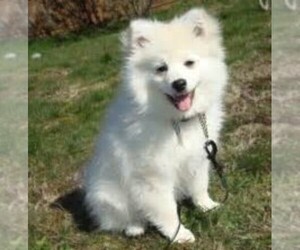
Eskiranian
A.K.A. : Eskiranian Pom, American Eskimo Pom, Alaskan Eskimo Pomeranian, Eskimoanian, Eskimo Pom, Eskiepom, Pom-Eskie
Quick navigation
All about Eskiranian dog breed
A.K.A. :Eskiranian Pom, American Eskimo Pom, Alaskan Eskimo Pomeranian, Eskimoanian, Eskimo Pom, Eskiepom, Pom-Eskie
Eskiranian is a mix of
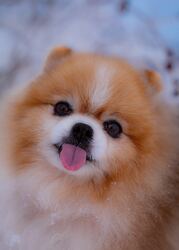
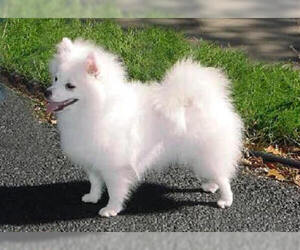
Size
Grooming requirements
Exercise requirements
Good with other dogs
Watchdog ability
Energetic
Training requirements
Playful
Affectionate
Good with other pets
Good with children
Good with strangers
Winter
Summer
Healthiness
Protective
Life Span
| Breed Type | Mixed Breed |
| Browse by Name | Starting with 'E' |
| Breeds by Group | Companion Toy |
| Breeds by Trait | Good With Kids High Stamina Dog Breeds Low Shedding Smartest Dog Breeds |
| Overview: | The Eskiranian is a charming and relatively new hybrid breed, the delightful result of crossing a Pomeranian with an American Eskimo Dog (Toy). Originating from designer breed efforts, their goal was to combine the best traits of both parent breeds. Physically, Eskiranians are typically small, weighing between 5-15 pounds, and boast a beautiful, fluffy double coat that can range in color but often showcases white, cream, or sable tones. They usually have expressive, dark eyes and an alert expression. In terms of temperament, they are generally described as intelligent, playful, and affectionate, making them wonderful companions. Their moderate energy levels mean they adapt well to both families and apartment living, provided they receive regular walks and mental stimulation. Owners should be aware of potential health considerations common to their parent breeds, such as patellar luxation and dental issues, making regular vet check-ups important for their long-term well-being. Overall, the Eskiranian is a loving and adaptable little dog, perfect for those seeking a bright and loyal companion. |
F.A.Q.
All you need to know about Eskiranian breed
All You Need to Know About the "Eskiranian" Breed (parent breeds: "Pomeranian" × "American Eskimo Dog (Toy)")
The Eskiranian, a delightful designer breed blending the spirited Pomeranian with the intelligent American Eskimo Dog (Toy), offers a compact companion brimming with personality. Originating from these beloved small breeds, Eskiranians are typically friendly, alert, and remarkably trainable, making them excellent choices for both first-time dog owners and families with older children. Their physical traits include a fluffy double coat (requiring regular grooming to prevent matting), often with pointed ears and an expressive face. Weighing usually between 5-15 pounds, they are highly adaptable to apartment living due to their smaller size, provided they receive adequate daily exercise through short walks and indoor play. While generally robust, potential owners should be aware of common health considerations inherited from parent breeds, such as patellar luxation or dental issues. The Eskiranian is a charming, affectionate dog eager to be a loving part of your home.What Is the Average Weight of Eskiranian in Pounds?
The average Eskiranian weight is typically between 8-15 pounds. Adult males tend to be on the higher end of this range, while females are often slightly smaller. Maintaining a healthy weight for Eskiranian is crucial for their well-being, so consulting with a vet about proper diet and exercise for your specific dog is always recommended.
What Is the Typical Height of Eskiranian in Inches?
Wondering about the Eskiranian height or how tall is a Eskiranian adult? You've come to the right place!
The average size of an adult Eskiranian typically falls within a range of 8 to 12 inches when measured at the shoulder. This charming hybrid, a delightful mix of Pomeranian and American Eskimo Dog (Toy), inherits a compact yet sturdy build.While 8 to 12 inches is the common range, it's important to remember that individual genetics play a significant role. You might find some Eskiranians on the smaller end, closer to the Pomeranian's typical stature, while others lean towards the slightly taller American Eskimo Dog (Toy) side.Regarding gender, there isn't a dramatically noticeable difference in Eskiranian height between males and females. However, it's not uncommon for male Eskiranians to be incrementally a little taller or more substantial than their female counterparts, though this difference is usually only about an inch or less.Ultimately, when considering the Eskiranian height, anticipate a wonderful small to medium-sized companion that's perfectly suited for a variety of living situations, from apartments to homes with yards. Their manageable size is one of their many appealing traits!What Coat Colors Are Typical for the Eskiranian breed?
Eskiranian colors vary widely due to their Pomeranian and American Eskimo Dog (Toy) heritage. Common and AKC-accepted Eskiranian colors include white, cream, sable (red sable, orange sable), black, brown, and parti-color (white with patches of any other color). Less common but still recognized are red, orange, and blue merle (though merle is primarily from Pomeranian lines and may not be universally accepted in all Eskiranian registries).Rare Eskiranian coat types and exotic variations can also appear. These include chocolate, lavender/lilac, blue (a dilute black), and tri-color (black, white, and tan). While stunning, these rare Eskiranian variations may not be accepted by all kennel clubs or breed standards and can sometimes command higher pricing due to their rarity. When researching Eskiranian colors, always confirm with your breeder regarding specific genetic health clearances, especially for merle patterns.
What is the typical personality of Eskiranian?
The Eskiranian is a delightful hybrid, blending the vibrant personality of the Pomeranian with the playful charm of the American Eskimo Dog (Toy). This small, fluffy companion is generally friendly and loyal, forming strong bonds with their families. Their sociable nature often makes them eager to interact and be part of household activities. Eskiranians are typically adaptable to apartment living due to their size, provided they receive adequate daily exercise and mental stimulation. They are often good with children who are taught to interact gently with small dogs, and with other pets when properly socialized from a young age. Early training and consistent positive reinforcement are key to nurturing their best qualities. Expect an intelligent, sometimes spirited, and always affectionate family member whose Eskiranian personality shines in a loving home.
What is the typical temperament of Eskiranian?
Eskiranian Temperament: Your Affectionate and Alert CompanionThe Eskiranian temperament blends the best qualities of its parent breeds, resulting in a charming and intelligent companion. These delightful dogs are generally known for their friendly and outgoing nature, making them excellent family pets. Eskiranians are typically highly sociable, thriving on interaction with their human pack and often greeting strangers with enthusiastic curiosity rather than shyness.Expect a loyal companion who forms strong bonds with their family, often displaying an almost cat-like devotion. While they adore attention, their adaptability means they can manage periods of quiet, though they truly flourish when included in daily activities. Their relatively small size and moderate energy levels make them well-suited for apartment living, provided they receive regular walks and mental stimulation.Eskiranians are generally good with children, especially when properly socialized from a young age and supervised with respectful interactions. They can also coexist peacefully with other pets, particularly if introduced carefully. However, their intelligence can sometimes manifest as a touch of stubbornness, requiring consistent and positive reinforcement training. They are also quite sensitive to their owner's emotions and respond best to gentle guidance rather than harsh corrections. Their innate alertness means they can be effective watchdogs, quick to notify you of anything new or unusual, though excessive barking can be managed with training. Overall, the Eskiranian is an affectionate, intelligent, and adaptable companion dog whose lively personality brings joy to any home.
What Are the Care Requirements for the Eskiranian breed?
Eskiranian Care: Daily Maintenance & Health TipsThe Eskiranian, a charming cross between the Pomeranian and Toy American Eskimo Dog, offers a delightful companion with specific care requirements to ensure a happy, healthy life. Understanding how to care for a Eskiranian is crucial for potential owners.Grooming Needs: Expect moderate grooming for the Eskiranian's fluffy double coat. Regular brushing (2-3 times weekly) is essential to prevent mats and reduce shedding. Occasional professional grooming may be needed to maintain coat health. This isn't a hypoallergenic breed.Exercise Limitations: Eskiranians are generally a low-energy dog breed. Daily short walks (20-30 minutes) and indoor play are usually sufficient to meet their exercise needs. They adapt well to apartment living but enjoy a securely fenced yard for supervised outdoor activity. Avoid strenuous exercise, especially in warm weather, due to their brachycephalic (short-nosed) anatomy.Dietary Considerations: Feed a high-quality small-breed dog food appropriate for their age and activity level. Portion control is vital for Eskiranian weight management as they can be prone to obesity. Consult your veterinarian for specific dietary recommendations.Wrinkle and Ear Cleaning: While not as pronounced as some brachycephalic breeds, check any facial folds for moisture or debris and clean gently with a damp cloth if necessary to prevent skin irritation. Ear cleaning should be done routinely, usually once a week, using a vet-approved cleaner to prevent ear infections.Climate Sensitivity (Brachycephalic Anatomy): Eskiranians are highly sensitive to heat and humidity due to their short snouts. They can quickly overheat, leading to respiratory distress. Keep them indoors during hot weather, ensure access to fresh water, and avoid strenuous activity during peak heat. Always use a harness instead of a collar to avoid pressure on their windpipe.Common Health Concerns: Be aware of potential health tips for Eskiranian related to their parent breeds. Skin issues can arise if grooming isn't consistent. Dental care is paramount; small breeds are prone to dental disease, so daily brushing and professional cleanings are recommended. Monitor for patellar luxation, tracheal collapse, and eye conditions, which are common in their parent lines. Regular veterinary check-ups are essential for early detection and preventative care.
How active are Eskiranian, and what kind of exercise do they need?
Eskiranian Activity Level: A Balanced BlendThe Eskiranian activity level is a delightful balance, inheriting a blend of traits from its Pomeranian and American Eskimo Dog (Toy) parents. These charming companions are generally described as moderately active, making them adaptable to various household dynamics.Typical Energy Levels: Eskiranians possess a moderate energy level. They are not perpetual motion machines but also not couch potatoes. They enjoy periods of playful exuberence balanced with significant downtime for rest and cuddles. This breed often exhibits short bursts of energy, enthusiastically engaging in games or exploration, followed by long periods of rest and relaxation, often curled up beside their favorite person.Daily Exercise Needs: To maintain their physical and mental well-being, Eskiranians typically require 20-30 minutes of moderate daily exercise. This can be broken into two shorter walks, a good play session in a securely fenced yard, or indoor games. Leash walks are essential for safety and mental stimulation. Remember that due to their parent breeds, some Eskiranians may inherit a thick coat, making them sensitive to overheating in warm weather.Playtime Preferences: Eskiranians love to play! They enjoy interactive games like fetch, hide-and-seek, and puzzle toys. Their intelligence makes them quick learners for tricks and obedience training, which also provides excellent mental exercise. They thrive on companionship during playtime and are not typically content to entertain themselves for extended periods.Brachycephalic Considerations: It's important to note that due to the Pomeranian influence, some Eskiranians may inherit some degree of brachycephaly (short-nosed features). While generally less pronounced than in severely brachycephalic breeds, owners should be mindful of this when considering Eskiranian exercise needs. Avoid strenuous activity during hot or humid weather to prevent respiratory distress. Always ensure they have access to fresh water and a cool resting place. Observe them closely for any signs of labored breathing.Suitability for Families: How active are Eskiranian? They are suitable for both moderately active families and low-energy households that are committed to providing consistent daily engagement. While they appreciate a good romp, they are equally content to be a lap dog. They adapt well to apartment living as long as their exercise needs are met. For highly active families seeking a dog to accompany them on long hikes or runs, the Eskiranian might not be the ideal match due to their moderate energy and potential brachycephalic limitations. However, for those seeking a playful yet calm companion who enjoys a good balance of activity and relaxation, the Eskiranian is an excellent choice.
What are common health issues in Eskiranian?
Eskiranian health problems are influenced by this hybrid’s parentage—the American Eskimo Dog and the Pomeranian—both of which can pass on structural and genetic conditions. While Eskiranians are affectionate, alert, and adaptable companions, adopters should be aware of common Eskiranian medical issues that may affect long-term care.
Because Pomeranians are a brachycephalic toy breed, some Eskiranians may inherit a shortened muzzle, making them prone to Brachycephalic Obstructive Airway Syndrome (BOAS). Applying brachycephalic dog care strategies—such as avoiding strenuous activity in hot weather, using a harness instead of a collar, and monitoring breathing during exercise—can help reduce respiratory strain. Their compact build and small joints also make them vulnerable to hip dysplasia and patellar luxation, which can cause stiffness, arthritis, or mobility issues.
Their thick double coats and sensitive skin may contribute to allergies—both food and environmental—that often result in itching, ear infections, or hot spots. In dogs with heavier coats or facial folds, skin fold infections may occur if not regularly cleaned and dried. Additionally, their small size and sometimes elongated backs may predispose them to spinal problems such as intervertebral disc disease, especially if they jump frequently or carry excess weight. Like many small, fluffy breeds, Eskiranians are also prone to heat sensitivity, so they should always have access to shade, water, and cool resting areas.
Because Pomeranians are a brachycephalic toy breed, some Eskiranians may inherit a shortened muzzle, making them prone to Brachycephalic Obstructive Airway Syndrome (BOAS). Applying brachycephalic dog care strategies—such as avoiding strenuous activity in hot weather, using a harness instead of a collar, and monitoring breathing during exercise—can help reduce respiratory strain. Their compact build and small joints also make them vulnerable to hip dysplasia and patellar luxation, which can cause stiffness, arthritis, or mobility issues.
Their thick double coats and sensitive skin may contribute to allergies—both food and environmental—that often result in itching, ear infections, or hot spots. In dogs with heavier coats or facial folds, skin fold infections may occur if not regularly cleaned and dried. Additionally, their small size and sometimes elongated backs may predispose them to spinal problems such as intervertebral disc disease, especially if they jump frequently or carry excess weight. Like many small, fluffy breeds, Eskiranians are also prone to heat sensitivity, so they should always have access to shade, water, and cool resting areas.
Breed Breakdown: What Experts Say About the Eskiranian
What is the typical size of Eskiranian, and how does it compare to other breeds in terms of suitability for apartment living and travel?
I'd rate the "Size" trait of the "Eskiranian" an 4 out of 10. While its Pomeranian parent leans heavily into the "extremely small" category, the American Eskimo Dog (Toy) brings a bit more substance, pulling the average up from true "teacup" sizes. Eskiranians typically range from 7 to 12 pounds and stand about 9 to 12 inches tall, making them larger than a chihuahua but still significantly smaller than a beagle or cocker spaniel. Their body structure is generally compact and sturdy, not delicate, but certainly not robust. This moderate small size makes the Eskiranian exceptionally well-suited for apartment living and travel, fitting comfortably into carriers and not requiring a vast amount of indoor space. They are an excellent choice for households with space constraints where a larger dog would feel cramped.
What are the grooming requirements for Eskiranian, and how do their coat type and skin features affect overall maintenance?
The Eskiranian, a mix of Pomeranian and American Eskimo Dog (Toy), would likely rate a 7 for grooming requirements. This is due to both parent breeds having dense, double coats that shed considerably, especially seasonally. Expect year-round shedding, which necessitates frequent brushing – at least 3-4 times a week, if not daily during heavy shedding periods – to prevent mats, tangles, and reduce the amount of loose hair around the home. While they generally don't have extensive skin folds requiring special care, their thick fur can hide skin issues if not regularly groomed. Ear cleaning should be routine due to potential fur growth within the ear canal, and nail trimming will be a weekly or bi-weekly task. Bathing should be done every 4-6 weeks or as needed, using a good quality shampoo and conditioner to maintain coat health. Compared to breeds with short, single coats or those that are hairless, the Eskiranian requires significant and regular attention to its coat to keep it healthy and free of problems, making it a breed that is definitely not low-maintenance and requires consistent effort from its owner.
What are the exercise requirements for Eskiranian, and how do their energy levels affect daily activity and health?
I'd rate the Eskiranian's exercise requirements at a 6 out of 10.This rating reflects a blend of its parent breeds' needs. The Pomeranian, while small, is surprisingly energetic and loves to be active, often having a playful and zesty disposition. The American Eskimo Dog (Toy), on the other hand, is a very intelligent and active breed, known for its endurance despite its size, often excelling in canine sports like agility. Therefore, an Eskiranian will likely be a moderately energetic dog. They won't be content with just lounging around all day and will thrive with daily activity to stay healthy and mentally stimulated.They'll likely need at least one good walk a day, perhaps 30-45 minutes, supplemented with regular playtime in a secure yard or indoor games. Their intelligence, inherited from both sides, means they'll benefit from activities that challenge their minds, like puzzle toys or learning new tricks, in addition to physical exertion. While they don't have the extreme demands of a working breed, they are far from a sedentary companion and will become bored and potentially destructive without sufficient engagement. They are generally well-suited for various types of exercise, from brisk walks to fetch and even introductory agility, and are unlikely to have significant respiratory limitations that would prevent sustained movement due to their non-brachycephalic heritage.
How effective is Eskiranian as a watchdog, and what kind of alert or protective behavior can owners expect?
I'd rate the Eskiranian's "Watchdog Ability" at a 7 out of 10.The Eskiranian, inheriting traits from both the Pomeranian and the American Eskimo Dog (Toy), is likely to be a highly alert and vocal breed. Pomeranians are notorious for their "big dog in a small body" attitude, which includes a strong tendency to bark at anything perceived as unusual. They are very tuned into their environment. The American Eskimo Dog (Toy) also possesses a keen awareness and is known for its "alert bark" – a clear, sometimes piercing sound intended to inform its family of perceived threats.Combining these, an Eskiranian would almost certainly excel at providing early warnings. They would be quick to react to unfamiliar sounds (doorbells, approaching footsteps, cars pulling up) and would likely bark with conviction at anyone they don't recognize. Their territorial instincts, though perhaps not leading to aggressive physical deterrence due to their size, would manifest strongly in their vocalizations and body language, making it clear an intruder has been noticed. While they may not be a physically imposing deterrent, their persistent and loud barking would be more than enough to alert occupants and potentially scare off a hesitant intruder looking for an easy target. They are definitely capable of providing meaningful early warnings and are far from a passive companion in this regard.
How well does the Eskiranian get along with other dogs, and what role does socialization play in their behavior?
Rating: 6/10The Eskiranian, a mix of the Pomeranian and Toy American Eskimo Dog, generally falls into the moderately sociable category when it comes to other dogs. Both parent breeds have tendencies towards being outgoing and playful with appropriate socialization, but also possess a confident and sometimes assertive streak that can lead to squabbles if not managed.Eskiranians typically enjoy the company of other dogs, especially those they've grown up with or been properly introduced to. They often have a zest for play and can keep up with dogs of similar energy levels. However, their small size combined with the Pomeranian's sometimes feisty nature and the Eskimo Dog's intelligent and sometimes watchful demeanor means they can occasionally be wary of larger, boisterous dogs. They might also exhibit a "small dog syndrome" where they attempt to assert dominance over larger canines, or conversely, be easily intimidated if not confident.They generally require careful introductions, especially with unfamiliar dogs, to ensure a positive first impression. While not typically aggressive, they can be vocal and may use barking as a deterrent if they feel uncomfortable or threatened. With proper socialization from a young age, exposure to various breeds and sizes, and continued positive reinforcement, an Eskiranian can thrive in a multi-dog household. However, a lack of socialization can lead to shyness, reactivity, or an overly assertive attitude. They are adaptable but benefit from clear boundaries and supervision to ensure peaceful coexistence, especially if there are significant size or personality differences among household dogs. They aren't inherently "highly incompatible," but also aren't "extremely sociable" without effort and guidance.
What is the typical energy level of a Eskiranian, and how does it affect their playtime, exercise needs, and suitability for indoor living?
I would rate the "Energetic" trait of the "Eskiranian" breed a 7 out of 10.The Eskiranian, being a cross between the Pomeranian and the American Eskimo Dog (Toy), inherits a generally lively and active disposition. Both parent breeds are known for their intelligence, eagerness to please, and a desire to be involved in family activities. Pomeranians, despite their small size, are surprisingly spirited and enjoy short bursts of play, while American Eskimo Dogs (Toy) are known for their playful nature, agility, and a strong urge to be engaged. This combination results in a dog that is naturally active and enjoys regular mental and physical stimulation. They will likely exhibit a good degree of playfulness, enjoying games of fetch, short walks, and interactive toys. Their endurance is moderate; they aren't marathon runners but can keep up with active families for a good period.However, the rating isn't higher due to the potential influence of the Pomeranian's brachycephalic (short-nosed) anatomy. While not as pronounced as some other brachycephalic breeds, Pomeranians can experience some degree of breathing difficulty, especially in hot weather or during strenuous exercise. This trait, even if mildly present in the Eskiranian, can slightly limit their overall stamina and exercise tolerance, making them less suitable for extremely high-intensity or prolonged athletic activities compared to a purely mesocephalic (medium-nosed) breed. Therefore, while they are definitely not laid-back and require consistent exercise to prevent boredom and destructive behaviors, their energy is managed and best expressed through varied, moderate activity rather than extreme endurance feats.
How easy is it to train a Eskiranian, and what kind of consistency and techniques work best for this breed?
I'd rate the Eskiranian's training requirements a 6.While intelligent due to their parentage, particularly the American Eskimo Dog's sharp mind, Eskiranians can inherit a degree of stubbornness from both sides, especially if the Pomeranian influence is strong. This means they are generally responsive to commands but require a good deal of consistency and can test a beginner's patience. Their attention span is typically decent, but they can be easily distracted without engaging training methods. Positive reinforcement is highly effective and essential, as harsh methods will likely lead to resistance and a breakdown in trust. They are not necessarily beginner-unfriendly, but a novice owner should be prepared for a consistent and structured routine, understanding that some days may require more effort than others. They benefit immensely from early socialization and puppy classes to harness their intelligence and prevent any potential for dominant or yappy behaviors often seen in smaller breeds.
How playful is the Eskiranian, and what makes them such an energetic companion?
I'd rate the Eskiranian's "Playful" trait a 9 out of 10.This hybrid, combining the spirited Pomeranian with the lively American Eskimo Dog (Toy), is almost guaranteed to be a highly playful companion. Both parent breeds are known for their intelligence and desire for interaction, translating into an Eskiranian who will likely exhibit a strong love for games, readily engaging with toys, and often initiating playtime. They'll probably be quite attention-seeking, thriving on being involved in their family's activities, and their overall enthusiasm for daily life will be palpable. Compared to many other companion dogs, the Eskiranian is naturally spirited and energetic, always up for an adventure or a good romp, making them an excellent choice for active individuals or families who enjoy regular play sessions.
How affectionate is the Eskiranian, and what kind of companionship and emotional bonding can owners expect?
I'd rate the "Affectionate" trait of the "Eskiranian" an 8 out of 10.The Eskiranian, inheriting the loving nature of both the Pomeranian and the American Eskimo Dog (Toy), is likely to be a highly people-oriented companion. They'll have a strong desire for human companionship, often displaying their affection through physical closeness like cuddling and lap-sitting. Their loyalty will be evident in their tendency to follow family members from room to room, eager to be involved in whatever is happening. Both parent breeds are known for their sensitivity to owner emotions, suggesting the Eskiranian would also pick up on and respond to their human's mood. This breed thrives on affection and thrives on being an integral part of the family, making them less independent and more devoted compared to many other companion dogs.
How well does the Eskiranian get along with other pets, and what factors influence their compatibility in multi-pet households?
Rating: 7/10The Eskiranian, a mix of Pomeranian and American Eskimo Dog (Toy), generally rates a 7 out of 10 for "Good with Other Pets." Both parent breeds are known for their intelligence and trainability, which can significantly contribute to their adaptability in multi-pet households. Pomeranians, while small, can sometimes have a "big dog" attitude and may attempt to dominate larger dogs if not properly socialized. American Eskimo Dogs, on the other hand, are often quite friendly and playful with other dogs, though their prey drive can be a factor with smaller, fast-moving animals like cats if not introduced carefully.With the Eskiranian, early and consistent socialization is key. While they are not inherently aggressive, their confidence and alert nature mean they can be wary of new animals or protective of their resources (toys, food, human attention) if not taught otherwise. Their prey drive is typically moderate; they might chase a cat for fun, but are less likely to injure it than a breed with a very high prey drive. With proper introductions, supervised interactions, and consistent training – particularly focusing on impulse control and preventing resource guarding – an Eskiranian can be a wonderful companion in a multi-pet home, coexisting peacefully with both other dogs and cats. They are more naturally sociable than highly incompatible, but do require guidance and supervision to truly thrive in a diverse animal household.
Is the Eskiranian good with children, and what makes them a suitable companion for family life?
Rating the "Good with Children" trait of the Eskiranian breed (Pomeranian × American Eskimo Dog (Toy)) is a bit nuanced, but I'd place it at a 6/10.While both parent breeds possess intelligence and a desire to please, their small size and sometimes sensitive nature warrant this moderate rating. The American Eskimo Dog (Toy) side brings a generally friendly and outgoing temperament, along with a good dose of playfulness and a surprising robustness for its size. However, the Pomeranian influence can introduce a more delicate physical structure and, at times, a tendency towards being vocal or even a bit nippy if not properly socialized or if feeling overwhelmed. Eskiranians are generally affectionate with their families and can be quite patient, especially with gentle handling. They often enjoy interactive play, making them compatible with older, respectful children who understand how to interact with a small dog. They can tolerate a reasonable amount of noise, but sudden loud noises or boisterous play might startle them. For younger children, constant supervision is absolutely crucial, as their small size makes them vulnerable to accidental injury, and their patience might wear thin with rough handling or relentless teasing. While they are not inherently aggressive, their natural gentleness needs to be nurtured through early socialization and positive reinforcement training. They require a clear understanding of boundaries and consistent guidance from their human companions to ensure they thrive in a family setting, particularly one with children, meaning their success largely depends on the adults' commitment to proper training and supervision.
Is the Eskiranian good with strangers, and how do they typically behave around new people?
The "Good with Strangers" trait for the Eskiranian breed (Pomeranian × American Eskimo Dog (Toy)) rates a 6.Eskiranians tend to fall into the moderate category when it comes to unfamiliar faces. They aren't typically immediate best friends with everyone they meet, but they're not inherently aggressive or fearful either. Their Pomeranian parentage often brings a degree of alertness and potential for "big dog in a small body" bravado, which can manifest as initial wariness or a tendency to bark at new people entering their space. The American Eskimo Dog (Toy) influence, while generally friendly, also contributes to an alert nature and a desire to protect their family.Therefore, an Eskiranian is more likely to be initially reserved or watchful, observing new individuals before deciding to engage. With proper early socialization, they can learn to be perfectly comfortable and even welcoming, but without it, they might lean towards being more aloof or prone to alarm barking. They are generally adaptable in public or guest-filled environments once they've processed the situation, but they benefit greatly from structured positive experiences with a variety of people from a young age to solidify their confidence and prevent any guarding tendencies from becoming problematic. They are not naturally outgoing to the extent of a Golden Retriever, but with guidance, they can become very pleasant and tolerant companions around strangers.
How well does the Eskiranian tolerate cold weather, and what precautions are needed during winter months?
Rating: 7/10The Eskiranian, a mix of Pomeranian and American Eskimo Dog (Toy), generally possesses good winter tolerance, earning a 7. Both parent breeds have double coats, providing excellent insulation. The Pomeranian contributes a dense, fluffy undercoat, while the American Eskimo Dog (Toy) adds a thick, stand-off coat. This combined coat offers significant protection against cold. Their relatively small to medium size, while meaning more surface area to volume, is offset by this substantial fur. They are not typically prone to significant brachycephaly, meaning their respiratory system is generally not compromised by cold air as readily as some flatter-faced breeds. They can safely enjoy outdoor activities in moderately cold climates for reasonable durations without immediate concern for hypothermia. However, despite their good cold tolerance, their smaller size means they still lose heat faster than larger breeds, and prolonged exposure to extremely low temperatures or wet conditions will necessitate caution. They will require special care during winter months in very harsh conditions, such as limiting time outdoors, ensuring they have paw protection on icy surfaces, and potentially wearing a sweater or coat for very prolonged periods of inactivity in extreme cold, similar to many other companion dogs, though perhaps less frequently than single-coated or short-haired breeds.
How well does the Eskiranian tolerate hot weather, and what precautions should owners take during summer months?
I would rate the "Eskiranian" breed's summer tolerance at a 3.The Eskiranian, being a cross between a Pomeranian and an American Eskimo Dog (Toy), inherits traits from two breeds with dense double coats and no brachycephalic features. While the lack of a brachycephalic nose is a positive, both parent breeds are fundamentally designed for colder climates. The dense double coat, excellent for insulation in winter, acts as a significant disadvantage in summer, trapping heat close to the body and making efficient heat dissipation difficult. Their smaller size does not necessarily equate to better heat tolerance; in fact, their metabolic rate combined with the insulating coat can make them vulnerable. They have a limited ability to regulate their body temperature in high heat due to this coat and their inherent design.This breed faces a moderate to high risk of heatstroke in warm temperatures, even with moderate activity. Recommended outdoor activity levels during hot weather would be extremely limited, primarily to very early mornings or late evenings, and even then, only for short durations. They absolutely require special care in summer months compared to many other companion dogs. Climate control, such as air conditioning, is highly recommended and often essential during hot weather to prevent overheating. They are not a breed that can tolerate extended periods outdoors in summer and are prone to discomfort and health risks if not managed carefully in heat.
What are the common health concerns for the Eskiranian, and how much care and medical attention does this breed typically require?
I'd rate the "Healthiness" trait of the "Eskiranian" at a 7 out of 10.This rating reflects a generally robust and healthy breed, likely benefiting from the hybrid vigor often seen in first-generation crosses. The Pomeranian, while charming, can be prone to patellar luxation, tracheal collapse, dental issues, and occasionally heart conditions. The American Eskimo Dog (Toy) also has some predispositions, particularly to patellar luxation and occasionally Legg-Calve-Perthes disease, progressive retinal atrophy, and diabetes.However, the Eskiranian is likely to inherit a wider genetic pool, potentially diluting the risk of the most severe expressions of these conditions from either parent. They are generally considered a moderately high-maintenance breed, primarily due to their dense double coat requiring regular grooming to prevent matting and skin issues, rather than significant underlying health fragility. Their expected life expectancy is likely in the healthy range of 12-15 years, aligning with many small to medium-sized companion breeds. While they can still inherit predispositions to patellar luxation or dental problems, they are less likely to experience the severe breathing difficulties sometimes seen in extreme brachycephalic breeds, and their overall structure is generally well-balanced. Responsible breeding practices, including health clearances for parent dogs, and consistent preventive care like dental hygiene and appropriate exercise, significantly contribute to maintaining their excellent health. They are generally more robust than many purebred toy breeds with more exaggerated features.
How protective is the Eskiranian, and what kind of watchdog or guard dog behavior can owners expect?
I'd rate the "Protective" trait of the "Eskiranian" breed a 7 out of 10.The Eskiranian, inheriting traits from both the Pomeranian and the American Eskimo Dog (Toy), is likely to be an excellent watchdog and will certainly offer a strong sense of alertness and territorial instinct. Both parent breeds are known for their vigilance and tendency to bark at perceived threats or strangers, making the Eskiranian a reliable alarm system. They are deeply loyal to their owners and will often place themselves between their family and an unfamiliar presence, displaying a brave, albeit small, front. However, while they are highly protective in terms of warning and deterring, their small size (derived from both parent breeds) inherently limits their capacity for *physical* protection. They are more of a companion dog that excels at making a household aware of potential issues rather than a breed capable of physically overpowering an intruder. Their "protection" is primarily vocal and behavioral, designed to alert and deter rather than to engage in a guard dog capacity.
What is the average lifespan of a Eskiranian, and what health factors influence their longevity?
I would rate the "Life Span" trait of the "Eskiranian" breed a 9 out of 10.The Eskiranian, being a cross between the Pomeranian and the American Eskimo Dog (Toy), inherits traits from two breeds known for their excellent longevity. Both parent breeds typically enjoy lifespans well into their teens, with Pomeranians often living 12-16 years and American Eskimo Dogs (Toy) similarly ranging from 12-15 years. This genetic foundation strongly suggests that the Eskiranian will also be a long-lived breed, considered exceptionally long-lived compared to many other companion dogs. While no breed is entirely free from health concerns, responsible breeding practices help minimize genetic predispositions common in either parent, such as luxating patellas or dental issues, which can impact quality of life rather than significantly shorten lifespan. With proper care, nutrition, and regular veterinary check-ups, an Eskiranian can be expected to live a full and healthy life, often exceeding the average lifespan of many other small to medium-sized breeds.
Eskiranian Dogs for adoptionSee all dogs for adoption
Similar Dog Breeds for Eskiranian
Quick Breed Selector 0 - not important, 1 - smallest, 10 - largest
Variants & Mistakes :Eskiranin, Eskiranean, Eskarainian, Eskaranian, Eskaeranion, Eskarainin, Eskarenian, Eskeranion, Eskaranin, Eskerinain, Eskeiranian, Eskeiranin, Eskeiranean, Eskeiranion, Eskirania, Eskairanian, Eskarinian, Eskiraian, Eskirnian, Eskiranion, Eskirian, Eskrianian, Ekiranian, Ekiranin, Eskeranian, Eskeranain, Eskiran, Eskrnanian, Esquiranian, Eskairania, Esirananian, Eskranian, Escranian, Esciranian, Escarinian, Esciranin, Esckiranian, Esckiranin, Esckiranean, Esckaranian, Esckaranin