Mixed Breeds
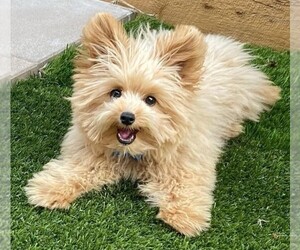
Pomapoo (Standard)
A.K.A. : Pooranian, Pompapoo, Pompoo, Pomdoodle, Pomeroodle
Quick navigation
All about Pomapoo (Standard) dog breed
A.K.A. :Pooranian, Pompapoo, Pompoo, Pomdoodle, Pomeroodle
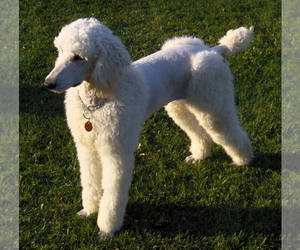
Pomapoo (Standard) is a mix of

Size
Grooming requirements
Exercise requirements
Good with other dogs
Watchdog ability
Energetic
Training requirements
Playful
Affectionate
Good with other pets
Good with children
Good with strangers
Winter
Summer
Healthiness
Protective
Life Span
| Breed Type | Mixed Breed |
| Browse by Name | Starting with 'P' |
| Breeds by Group | Companion Non-Sporting |
| Breeds by Trait | Good With Kids Hypoallergenic Low Shedding Smartest Dog Breeds |
| Overview: | The Pomapoo (Standard) is a rare hybrid breed that combines the lively charm of the Pomeranian with the intelligence and athletic build of the Standard Poodle. Originating as a designer cross, this mix produces medium-sized dogs that often weigh between 15–40 pounds, with coats ranging from fluffy double layers to curly, low-shedding textures. Known for their affectionate temperament, Pomapoos are playful, loyal, and highly trainable, making them well-suited for families who enjoy interactive pets. While they adapt to apartment living, their higher energy levels mean they thrive best with regular exercise and mental stimulation. Grooming needs are moderate to high, depending on coat type, and owners should be prepared for routine brushing. In terms of health, they benefit from hybrid vigor but may be prone to issues such as joint problems, dental concerns, or eye conditions. Overall, the Pomapoo (Standard) is a friendly, engaging companion with a unique blend of traits. |
F.A.Q.
All you need to know about Pomapoo (Standard) breed
The Pomapoo (Standard) is a unique hybrid dog that combines the lively personality of the Pomeranian with the intelligence and athletic build of the Standard Poodle. Originating in the United States as a designer breed, this mix typically grows to medium size, with a fluffy or curly coat that requires regular grooming. Known for their affectionate temperament, Pomapoos are playful, loyal, and highly adaptable, making them suitable for both families and apartment living when given daily exercise. They thrive on interaction and mental stimulation, responding well to training thanks to their Poodle heritage. While generally healthy, common concerns may include dental issues, joint problems, or eye conditions, so responsible care is important. With their engaging personality and balanced energy, the Pomapoo (Standard) is a welcoming companion for households seeking a friendly and intelligent pet.
What Is the Average Weight of Pomapoo (Standard) in Pounds?
The Pomapoo (Standard) weight typically ranges between 15 to 35 pounds, depending on which parent breed’s traits are more dominant. Adult males often fall toward the higher end of this average size, while females may be slightly lighter. Maintaining a healthy weight for Pomapoo (Standard) is important to support joint health and overall well-being, with balanced nutrition and regular exercise helping to keep them fit and active.
What Is the Typical Height of Pomapoo (Standard) in Inches?
The Pomapoo (Standard) height typically ranges from 13 to 18 inches at the shoulder, placing them in the medium-sized category. When asking how tall is a Pomapoo (Standard), it’s important to note that males may stand slightly taller than females, and individual genetics can influence overall average size. This balanced height makes the breed adaptable for both family homes and apartment living, while still offering the presence of a moderately sized companion dog.
What Coat Colors Are Typical for the Pomapoo (Standard) breed?
The Pomapoo (Standard) colors are highly diverse, reflecting the wide palette of both parent breeds. Common AKC recognized Pomapoo (Standard) colors include cream, white, black, brown, brindle, fawn, and apricot. In addition, breeders may produce rare coat types and exotic Pomapoo (Standard) variations such as blue, lilac, merle, chocolate, sable, and parti-color patterns. While solid shades are most typical, multi-colored and patterned coats are also possible, making each dog unique. This variety in Pomapoo (Standard) colors allows adopters and buyers to choose from classic looks or more unusual, eye-catching styles, with rare or exotic variations often considered premium in pricing.
What is the typical personality of Pomapoo (Standard)?
The Pomapoo (Standard) personality is best described as affectionate, loyal, and highly sociable. This hybrid combines the playful charm of the Pomeranian with the intelligence and adaptability of the Standard Poodle, resulting in a dog that thrives in both family homes and apartment living. The temperament of Pomapoo (Standard) makes them friendly with children and generally good with other pets when properly socialized. They enjoy companionship, respond well to training, and adapt easily to different lifestyles, provided they receive regular exercise and mental stimulation. With their warm nature and balanced energy, the Pomapoo (Standard) is a delightful companion for households seeking a loving and versatile pet.
What is the typical temperament of Pomapoo (Standard)?
The Pomapoo (Standard) temperament is affectionate, loyal, and highly sociable, making them excellent family companions. Their personality traits include friendliness, adaptability to apartment living, and a playful nature that suits households with children and other pets when properly socialized. As a hybrid of the Pomeranian and Standard Poodle, they are intelligent and responsive to training, though they may occasionally show mild stubbornness or sensitivity, especially if not given consistent guidance. With their balanced companion dog behavior, Pomapoos thrive on attention, regular exercise, and mental stimulation, offering a warm and engaging presence for adopters or buyers seeking a versatile and loving pet.
What Are the Care Requirements for the Pomapoo (Standard) breed?
Pomapoo (Standard) care involves consistent daily maintenance to keep this hybrid healthy and happy. Their fluffy or curly coat requires regular brushing and professional grooming to prevent matting. As a low-energy dog breed compared to larger mixes, they do well with moderate walks and playtime, making them adaptable to apartment living. Proper nutrition is essential, with portion control to avoid weight gain. Owners should pay attention to dental care, as small breeds are prone to tartar buildup, and routine ear cleaning helps prevent infections. While not typically brachycephalic, sensitivity to extreme heat or cold should be considered. Health tips for Pomapoo (Standard) include monitoring for skin issues, maintaining a healthy weight, and scheduling regular vet checkups. Knowing how to care for a Pomapoo (Standard) ensures they remain a loyal, affectionate companion with balanced energy and long-term well-being.
How active are Pomapoo (Standard), and what kind of exercise do they need?
The Pomapoo (Standard) activity level is moderate, combining playful bursts of energy with long periods of rest. When asking how active are Pomapoo (Standard), it’s important to note they enjoy daily walks, short play sessions, and interactive toys, but they are not overly demanding in their exercise needs. This balance makes them suitable for both active families who can provide stimulation and low-energy households that prefer a calmer companion. While they are not brachycephalic and generally tolerate exercise well, care should be taken in extreme climates to avoid overexertion. With their adaptable energy, the Pomapoo (Standard) thrives in apartments or homes, offering a friendly, manageable lifestyle for adopters seeking a versatile companion.
What are common health issues in Pomapoo (Standard)?
Pomapoo (Standard) health problems can include several common Pomapoo (Standard) medical issues inherited from their parent breeds. While generally healthy, they may be prone to hip dysplasia, allergies, dental concerns, and occasional spinal problems. Some individuals may also experience skin fold infections or sensitivity to heat, requiring careful monitoring during warm weather. Although not typically brachycephalic, awareness of brachycephalic dog care principles—such as avoiding overexertion and ensuring proper airflow—can still benefit them. To know how to keep Pomapoo (Standard) healthy, owners should provide balanced nutrition, maintain a healthy weight, schedule regular vet checkups, and practice consistent grooming and ear cleaning. With attentive care, most Pomapoos enjoy long, active lives as affectionate companions.
Breed Breakdown: What Experts Say About the Pomapoo (Standard)
What is the typical size of Pomapoo (Standard), and how does it compare to other breeds in terms of suitability for apartment living and travel?
I would rate the "Size" trait of the Pomapoo (Standard) at 4 out of 10, as this hybrid typically stands 13–18 inches tall and weighs 15–35 pounds, placing it in the medium range compared to other companion dogs. Their balanced body structure makes them larger than toy breeds but far smaller than working or giant dogs. This moderate size is well-suited for apartment living and travel, while still being comfortable in households with limited space.
What are the grooming requirements for Pomapoo (Standard), and how do their coat type and skin features affect overall maintenance?
I would rate the "Grooming Requirements" of the Pomapoo (Standard) at 7 out of 10, as this breed often inherits a dense, fluffy or curly coat that requires frequent brushing to prevent tangles and matting, along with regular professional grooming. While shedding is generally low, their coat type demands consistent upkeep compared to short-haired companion dogs. Routine ear cleaning, nail trimming, and bathing are necessary, and some individuals may be prone to skin sensitivities or allergies that require extra care. Overall, the Pomapoo (Standard) is not the most high-maintenance breed, but owners should expect a steady grooming schedule to keep them healthy and comfortable.
What are the exercise requirements for Pomapoo (Standard), and how do their energy levels affect daily activity and health?
I would rate the "Exercise Requirements" of the Pomapoo (Standard) at 5 out of 10, as this breed has moderate energy levels that balance playful bursts with periods of rest. They enjoy daily walks, interactive play, and occasional agility or training sessions, but they do not demand the intense activity of high-energy working breeds. Since they are not brachycephalic, they generally tolerate sustained movement well, though care should be taken in extreme heat or cold. The Pomapoo (Standard) thrives with structured routines that provide both physical exercise and mental stimulation, making them suitable for families who can commit to consistent but manageable activity.
How effective is Pomapoo (Standard) as a watchdog, and what kind of alert or protective behavior can owners expect?
I would rate the "Watchdog Ability" of the Pomapoo (Standard) at 6 out of 10, as this breed tends to be alert and responsive to unfamiliar sounds or people, often barking to signal changes in their environment. Their Pomeranian heritage contributes strong territorial instincts, while the Poodle side adds intelligence and discernment, making them capable of providing meaningful early warnings in a household. However, they are generally more companion-oriented than protective, so while they can alert owners effectively, they are less likely to deter intruders beyond vocal warnings. This makes them suitable as attentive watchdogs but not as dedicated guard dogs.
How well does the Pomapoo (Standard) get along with other dogs, and what role does socialization play in their behavior?
I would rate the "Good with Other Dogs" trait of the Pomapoo (Standard) at 7 out of 10, as this breed is generally sociable and adaptable, especially when introduced to other dogs early in life. Their Poodle heritage contributes friendliness and intelligence, while the Pomeranian side can sometimes bring a touch of dominance or stubbornness, meaning careful introductions are important. With proper socialization, Pomapoos usually coexist peacefully in multi-dog households and enjoy playtime with companions of similar energy levels. While they may be cautious around unfamiliar or much larger dogs, consistent training and positive experiences help them thrive in canine company.
What is the typical energy level of a Pomapoo (Standard), and how does it affect their playtime, exercise needs, and suitability for indoor living?
I would rate the "Energetic" trait of the Pomapoo (Standard) at 6 out of 10, as this breed tends to be moderately active, enjoying playful bursts of energy and regular interaction but not requiring the intense stamina of high-energy working or sporting dogs. Their Poodle heritage contributes agility and intelligence, while the Pomeranian side adds liveliness and alertness, making them naturally playful and curious. They thrive with daily walks, interactive games, and mental stimulation, yet balance activity with periods of rest, making them adaptable to both active families and calmer households. Since they are not brachycephalic, their stamina and exercise tolerance are generally good, though care should still be taken in extreme climates to avoid overexertion.
How easy is it to train a Pomapoo (Standard), and what kind of consistency and techniques work best for this breed?
I would rate the "Training Requirements" of the Pomapoo (Standard) at 6 out of 10, as this breed is intelligent and responsive thanks to its Poodle heritage but can also display occasional stubbornness from the Pomeranian side. They generally learn quickly with positive reinforcement and consistency, yet their attention span may vary, requiring patience and structured routines. While beginner-friendly in many cases, owners should be prepared to invest time in socialization and obedience training to ensure good behavior. With steady guidance, Pomapoos adapt well and become reliable companions, but they are not as effortless to train as some naturally compliant breeds.
How playful is the Pomapoo (Standard), and what makes them such an energetic companion?
I would rate the "Playful" trait of the Pomapoo (Standard) at 8 out of 10, as this breed is naturally spirited, interactive, and thrives on games and attention. Their Pomeranian heritage brings a lively, fun-loving personality, while the Poodle side adds intelligence and enthusiasm for playtime and training activities. Pomapoos often seek engagement with toys, family members, and other pets, showing strong attention-seeking behavior and a cheerful disposition. Compared to more laid-back companion dogs, they display higher levels of daily excitement and interaction, making them a joyful presence in households that enjoy active bonding and playful routines.
How affectionate is the Pomapoo (Standard), and what kind of companionship and emotional bonding can owners expect?
I would rate the "Affectionate" trait of the Pomapoo (Standard) at 9 out of 10, as this breed is extremely loving, people-oriented, and thrives on close companionship. They enjoy cuddling, lap-sitting, and often follow family members from room to room, showing strong loyalty and sensitivity to owner emotions. Compared to more independent companion dogs, Pomapoos are notably affectionate and bond deeply with their households, making them ideal for adopters seeking a warm, attentive, and emotionally connected pet.
How well does the Pomapoo (Standard) get along with other pets, and what factors influence their compatibility in multi-pet households?
I would rate the "Good with Other Pets" trait of the Pomapoo (Standard) at 7 out of 10, as this breed is generally sociable and adaptable, especially when raised with other animals from a young age. Their Poodle heritage contributes friendliness and intelligence, while the Pomeranian side can sometimes bring a stronger prey drive or resource guarding tendencies, meaning careful introductions and supervision are important. With proper socialization and consistent training, Pomapoos usually coexist peacefully in multi-pet households, enjoying companionship with both dogs and cats, though they may be cautious around unfamiliar or very large animals.
Is the Pomapoo (Standard) good with children, and what makes them a suitable companion for family life?
I would rate the "Good with Children" trait of the Pomapoo (Standard) at 8 out of 10, as this breed is generally affectionate, playful, and patient, making them well-suited for families with kids. Their Poodle heritage contributes intelligence and adaptability, while the Pomeranian side adds liveliness and loyalty, creating a companion that enjoys interaction and bonding. They typically tolerate household noise and handling, though younger children should be taught gentle play to avoid overwhelming the dog. With proper socialization and supervision, Pomapoos thrive in family settings, offering a loving and engaging presence for children of various ages.
Is the Pomapoo (Standard) good with strangers, and how do they typically behave around new people?
I would rate the "Good with Strangers" trait of the Pomapoo (Standard) at 6 out of 10, as this breed is generally friendly and curious but can be cautious or vocal when meeting unfamiliar adults. Their Pomeranian heritage often brings alertness and a tendency to bark at new people, while the Poodle side contributes sociability and adaptability in guest-filled environments. With proper socialization and positive experiences, Pomapoos usually warm up quickly and enjoy interaction, though they may require training to reduce guarding instincts and become fully comfortable around strangers.
How well does the Pomapoo (Standard) tolerate cold weather, and what precautions are needed during winter months?
I would rate the "Winter" tolerance of the Pomapoo (Standard) at 6 out of 10, as their coat thickness from the Poodle side and fluffy texture from the Pomeranian heritage provide moderate protection against cold weather. While they are not brachycephalic and generally breathe well in colder conditions, their medium size and relatively low body fat mean they are more sensitive to extreme cold compared to sturdier companion dogs. Pomapoos can safely enjoy outdoor activity in winter with proper precautions, but they may require sweaters or limited exposure during very harsh climates to avoid hypothermia. Overall, they handle mild to moderate winter conditions reasonably well but benefit from extra care during prolonged cold spells.
How well does the Pomapoo (Standard) tolerate hot weather, and what precautions should owners take during summer months?
I would rate the "Summer" tolerance of the Pomapoo (Standard) at 5 out of 10, as this breed has moderate heat resilience but still requires careful management in hot weather. Their coat can trap warmth, and while they are not brachycephalic and generally regulate breathing well, they remain at risk of overheating or heatstroke during prolonged outdoor activity. Pomapoos do best with limited exercise during peak temperatures, access to shade and fresh water, and climate-controlled environments indoors. Compared to some short-coated companion dogs, they need more attentive care in summer months to stay safe and comfortable.
What are the common health concerns for the Pomapoo (Standard), and how much care and medical attention does this breed typically require?
I would rate the "Healthiness" trait of the Pomapoo (Standard) at 7 out of 10, as this hybrid generally benefits from hybrid vigor and can be more resilient than purebred counterparts. With a life expectancy often ranging from 12 to 15 years, they are considered fairly robust, though they may inherit predispositions to issues such as hip dysplasia, dental problems, skin sensitivities, or allergies from their parent breeds. Breathing difficulties are less common since they are not brachycephalic, but joint and spinal concerns can occur, especially without proper weight management. With responsible breeding practices, preventive veterinary care, and a balanced lifestyle, Pomapoos are typically healthy companion dogs, requiring moderate maintenance compared to more fragile breeds.
How protective is the Pomapoo (Standard), and what kind of watchdog or guard dog behavior can owners expect?
I would rate the "Protective" trait of the Pomapoo (Standard) at 5 out of 10, as this breed shows moderate alertness and loyalty but is primarily companion-oriented rather than a true guard dog. Their Pomeranian heritage contributes territorial instincts and a tendency to bark at unfamiliar sounds or strangers, while the Poodle side adds intelligence and discernment. Although they can provide early warnings and act as vocal watchdogs, their small-to-medium size and friendly nature limit their ability to offer meaningful physical protection. Overall, Pomapoos are better suited as affectionate companions with moderate watchdog ability rather than dedicated protectors.
What is the average lifespan of a Pomapoo (Standard), and what health factors influence their longevity?
I would rate the "Life Span" trait of the Pomapoo (Standard) at 8 out of 10, as this breed typically enjoys a long life expectancy of 12 to 15 years, which is above average compared to many companion dogs. Thanks to hybrid vigor, Pomapoos often benefit from reduced risk of certain genetic issues, though they may still be predisposed to conditions such as hip dysplasia, dental problems, or skin sensitivities. With responsible breeding, preventive veterinary care, and a healthy lifestyle, they are generally considered long-lived and resilient, making them a reliable choice for families seeking a companion with strong longevity.
Pomapoo (Standard) Dogs for adoptionSee all dogs for adoption
Similar Dog Breeds for Pomapoo (Standard)
Quick Breed Selector 0 - not important, 1 - smallest, 10 - largest
Variants & Mistakes :Pomapooe, Pomapooz, Pomapooa