Mixed Breeds
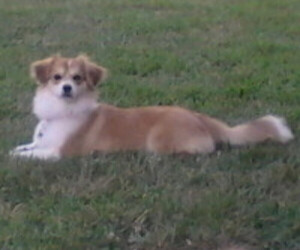
Shetinese
A.K.A. : Peke-Sheltie, Sheltie-Peke, Sheltiese, Peke Sheltie, Sheltie Peke
Quick navigation
All about Shetinese dog breed
A.K.A. :Peke-Sheltie, Sheltie-Peke, Sheltiese, Peke Sheltie, Sheltie Peke
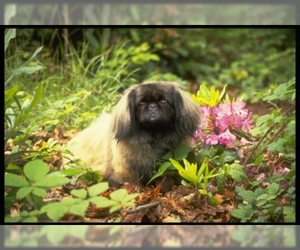
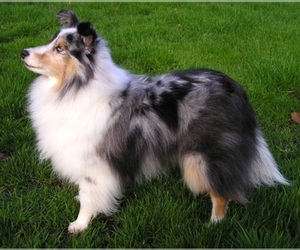
Shetinese is a mix of
Size
Grooming requirements
Exercise requirements
Good with other dogs
Watchdog ability
Energetic
Training requirements
Playful
Affectionate
Good with other pets
Good with children
Good with strangers
Winter
Summer
Healthiness
Protective
Life Span
| Breed Type | Mixed Breed |
| Browse by Name | Starting with 'S' |
| Breeds by Group | Herding Non-Sporting |
| Breeds by Trait | Good With Kids Low Shedding Smartest Dog Breeds |
| Overview: | The "Shetinese" is a charming designer breed, a delightful mix of the Pekingese and the Shetland Sheepdog. Originating from intentional crossbreeding, they aim to combine the Peke's affectionate nature with the Sheltie's intelligence and agility. Physically, Shetinese typically fall into a small to medium size range, often inheriting the Sheltie's luxurious double coat, which can come in various colors and requires regular grooming. Their appearance is a captivating blend, often showcasing the Peke's expressive eyes and the Sheltie's alert ears. Temperamentally, they are generally described as intelligent, playful, and loyal, making them highly trainable and eager to please. They adapt well to both family living and apartment settings, provided they receive adequate exercise and mental stimulation. While generally robust, potential health considerations can include those common to their parent breeds, such as patellar luxation, eye conditions, and respiratory issues, making responsible breeding and regular veterinary check-ups essential for a healthy companion. |
F.A.Q.
All you need to know about Shetinese breed
All You Need to Know About the "Shetinese" Breed (parent breeds: "Pekingese" × "Shetland Sheepdog")
The enchanting Shetinese, a delightful hybrid of the noble Pekingese and intelligent Shetland Sheepdog, offers a captivating blend of traits. Originating from the desire to combine the best of both worlds, this charming crossbreed typically presents a well-balanced temperament – affectionate, playful, and often quite adaptable. Physically, Shetinese dogs are usually medium-sized with a beautiful, moderate-length double coat that requires regular grooming to prevent matting, making them moderate shedders. Their sweet nature makes them excellent family companions, often good with children and other pets, and their adaptable size means they can thrive in apartment living with adequate daily walks and mental stimulation. Exercise needs are moderate, a couple of brisk walks per day suffice. Common health considerations, similar to their parent breeds, can include patellar luxation, eye conditions, and respiratory issues, so responsible breeding is key. A Shetinese promises a loving, devoted companion for years to come.What Is the Average Weight of Shetinese in Pounds?
The average weight for a Shetinese is typically 15-25 pounds. Healthy weight for Shetinese males are often at the higher end of this range, while females tend to be smaller. This average size can vary based on the genetic contributions of the Pekingese and Shetland Sheepdog parents.
What Is the Typical Height of Shetinese in Inches?
Curious about the Shetinese height? As a charming mix of the Pekingese and Shetland Sheepdog, the average size of a Shetinese can vary, but we can give you a good idea of what to expect!
Typically, an adult Shetinese stands between 10 to 15 inches tall at the shoulder. This range encompasses the typical adult height you'll see in most Shetinese dogs.How tall is a Shetinese exactly? It's important to remember that, like all mixed breeds, individual genetics play a significant role. You might find some Shetinese puppies growing to be on the smaller end of the spectrum, taking more after their Pekingese parent, while others might inherit more stature from their Shetland Sheepdog side, leaning towards the taller end of the range.While there isn't a dramatic difference in Shetinese height based solely on gender, you might occasionally find male Shetinese dogs to be slightly taller or more robust than their female counterparts, though this is not a hard and fast rule. Ultimately, the unique genetic blend of each individual Shetinese determines their final adult height.So, when considering a Shetinese, anticipate a medium-sized companion, perfectly suited for many living situations, with their average size making them adaptable and easy to manage!What Coat Colors Are Typical for the Shetinese breed?
Shetinese Colors: A Guide to Coat TypesThe adorable Shetinese, a cross between a Pekingese and a Shetland Sheepdog, showcases a diverse array of coat colors. Understanding these variations can help potential adopters and buyers choose their ideal companion.AKC Recognized Shetinese Colors (via parent breeds):Given the hybrid nature, the Shetinese doesn't have its own official AKC standard. However, we can infer recognized colors based on the parent breeds. Expect a beautiful mix of these:* Black: A classic and striking solid coat.* Sable: Often seen in Shelties, this features black-tipped hairs over a lighter base (e.g., gold, fawn).* Tri-Color: A popular Sheltie pattern featuring black, white, and tan markings.* Blue Merle: A stunning marbling of gray and black with tan and white markings. While a recognized Sheltie color, responsible breeding is crucial to avoid health issues associated with double merle.* Bi-Blue: Similar to tri-color but with merle instead of black, featuring blue merle, white, and tan.* White: Can be solid or with markings.* Cream: A soft, pale yellowish-white.* Fawn: A light to medium tan color.* Brindle: Tiger-stripe patterns over a base color.* Red: A rich, reddish-brown.* Parti-color: Any accepted color with large patches of white.Rare & Exotic Shetinese Variations:While not typically seen or officially recognized in the same way as standard colors, some rare or exotic Shetinese coat types can occasionally appear due to genetic combinations. These may command higher prices due to their unique appearance:* Chocolate/Brown: A rich, warm brown. While common in some breeds, it's less standard in Pekingese and Shelties, making it a rarer find for a Shetinese.* Lilac/Isabella: A dilute form of chocolate, appearing as a pale, grayish-brown. This is exceptionally rare and often comes with a premium.* Blue (Solid Dilute): A solid grayish-blue, a dilute form of black. Distinct from blue merle, this is a much less common coloration.When considering AKC recognized Shetinese colors, remember you are looking at the spectrum of colors accepted in the parent breeds. For exotic Shetinese variations, always inquire about the genetic health of the parents, especially with dilute colors or merle patterns, to ensure a healthy puppy. Responsible breeders focus on health and temperament first, with coat color being a secondary consideration.
What is the typical personality of Shetinese?
The Shetinese personality is a charming blend of its Pekingese and Shetland Sheepdog heritage. This delightful hybrid typically offers the best of both worlds, resulting in a loyal, affectionate, and intelligent companion. In terms of temperament of Shetinese, they are generally friendly and very devoted to their families, often forming strong bonds. Their sociability can vary; while many inherit the Sheltie's desire to be involved and friendly with everyone, some may retain a touch of the Pekingese's independent streak or initial wariness of strangers. Early socialization is key to fostering a well-adjusted and outgoing nature.Adaptability to apartment living is typically good, especially if they inherit more of the Pekingese's lower exercise needs. However, the Sheltie influence means they do enjoy active playtime and walks, so they're not purely "lap dogs." They thrive on companionship and prefer to be involved in family activities rather than left alone for extended periods.Regarding behavior with children and other pets, Shetinese can be wonderful family dogs. They are generally patient and gentle with respectful children, though supervision is always recommended, especially with very young children. With proper introduction, they usually get along well with other pets, often enjoying the company of other dogs. They may have a herding instinct from the Sheltie side, which can manifest as gentle "nips" at heels, but this is usually easily managed with training. Expect a dog that is alert and can be a vocal guardian, thanks to their Sheltie lineage.
What is the typical temperament of Shetinese?
The Shetinese temperament blends the affectionate nature of the Pekingese with the intelligent, biddable qualities of the Shetland Sheepdog, resulting in a charming and devoted companion dog. They are typically very friendly and form strong bonds with their families, often displaying a playful and sweet disposition. This breed tends to be moderately sociable, enjoying interactions with familiar faces and, with proper socialization, can be welcoming to new people. Their loyalty is a hallmark trait; they are devoted companions who thrive on being part of family life.
Shetinese are generally adaptable, making them suitable for apartment living as long as their moderate exercise needs are met with daily walks and playtime. They are often good with children, especially older, respectful ones, but supervision is always recommended given their smaller size and potential for sensitivity if handled roughly. Similarly, they can get along well with other pets, particularly if introduced at a young age and properly socialized.While intelligent and eager to please, the Shetinese can display a touch of stubbornness inherited from the Pekingese side, requiring consistent and positive reinforcement training. They are also quite sensitive to their environment and can be prone to developing separation anxiety if left alone for extended periods. Early training and socialization are key to nurturing a well-adjusted and confident Shetinese. Expect a loving and attentive companion with a delightful personality traits that make them a wonderful addition to many homes.What Are the Care Requirements for the Shetinese breed?
Shetinese Care: Daily Maintenance and Health Tips
The Shetinese, a charming blend of Pekingese and Shetland Sheepdog, requires consistent care to ensure a happy, healthy life. Understanding Shetinese care is crucial for potential owners.Grooming Needs: Expect moderate to high grooming requirements. The Shetinese typically inherits a medium-to-long, double coat that sheds moderately. Regular brushing (2-3 times weekly) is essential to prevent mats and tangles, especially behind the ears and on the legs. Professional grooming every 6-8 weeks may be beneficial for trimming and de-shedding. Bathe as needed, typically monthly, using a mild dog shampoo.Exercise Limitations: While they possess the Shetland Sheepdog's intelligence, the Pekingese influence often results in a low-energy dog breed. Short, daily walks (20-30 minutes) and indoor playtime are usually sufficient. Avoid strenuous exercise, especially in warm weather, due to their brachycephalic (short-nosed) anatomy. They are prone to overheating.Dietary Considerations: A high-quality, age-appropriate dog food formulated for small to medium breeds is recommended. Monitor portion sizes carefully to prevent obesity, a common issue in smaller breeds. Consult your vet for specific dietary needs and to determine the best food type and quantity for your individual Shetinese. Fresh water should always be available.Wrinkle and Ear Cleaning: Due to potential facial wrinkles inherited from the Pekingese, daily cleaning with a damp cloth is vital to prevent skin infections and irritation. Pay close attention to any folds around the nose and eyes. Check and clean their ears weekly using a vet-approved cleaner to prevent wax buildup and infections.Climate Sensitivity: The brachycephalic nature of the Shetinese makes them highly sensitive to heat. They can quickly overheat, leading to respiratory distress. Keep them indoors in air conditioning during hot weather and avoid outdoor exercise during peak heat hours. Conversely, their double coat offers some protection in cooler climates, but they are not suited for prolonged exposure to extreme cold.Common Health Concerns and Health Tips for Shetinese:- Skin Issues: Regular grooming and wrinkle cleaning help prevent dermatitis and skin fold infections.
- Dental Care: Small breeds are prone to dental disease. Daily tooth brushing with dog-specific toothpaste is highly recommended, along with regular professional dental cleanings as advised by your vet.
- Weight Management: Overweight Shetinese are susceptible to joint problems, breathing difficulties, and other health issues. Stick to recommended food portions and provide consistent, moderate exercise.
- Brachycephalic Airway Syndrome: Be aware of signs of breathing difficulties (snoring, snorting, labored breathing) and consult your vet if concerned.
- Eye Issues: Check for tear staining, discharge, or irritation regularly.
How active are Shetinese, and what kind of exercise do they need?
Shetinese Activity Level & Exercise Needs
The Shetinese activity level is moderate, blending the Pekinese's love for lounging with the Shetland Sheepdog's herding drive. They are a "balanced" breed, capable of short bursts of energetic play followed by long, restful periods. Daily Shetinese exercise needs typically include 30-60 minutes of activity, broken into shorter sessions. This could be a couple of brisk walks, engaging playtime in a secure yard, or indoor games like fetch and hide-and-seek. Due to their brachycephalic (short-nosed) anatomy inherited from the Pekingese, it's crucial to limit intense or prolonged exercise, especially in warm or humid weather, to prevent overheating and respiratory distress. How active are Shetinese? They generally enjoy interactive playtime with their families, often showing enthusiasm for toys and puzzle games that mentally stimulate them. They are not high-stamina dogs requiring extensive endurance activities. While they appreciate a good romp, they are equally content to cuddle on the couch. This makes them adaptable. Shetinese can be suitable for moderately active families who enjoy regular, but not extreme, outdoor activities, as well as low-energy households looking for a companion who is happy with shorter bursts of activity and plenty of indoor downtime. Monitoring their breathing during any physical exertion is always recommended to ensure their comfort and safety.What are common health issues in Shetinese?
Shetinese health problems are influenced by their mixed heritage, combining the Shetland Sheepdog’s agile, long-backed frame with the Pekingese’s compact, brachycephalic build. While affectionate and intelligent companions, adopters should be aware of common Shetinese medical issues that may affect long-term care and overall quality of life.
Because of their Pekingese lineage, many Shetinese inherit shorter muzzles, making them prone to Brachycephalic Obstructive Airway Syndrome (BOAS). This condition can cause noisy breathing, snoring, and exercise intolerance. Applying brachycephalic dog care strategies—such as avoiding strenuous activity in hot weather, using a harness instead of a collar, and monitoring breathing during play—helps reduce respiratory strain.
Their unique anatomy, with the Sheltie’s longer spine and the Pekingese’s compact body, makes them susceptible to hip dysplasia, patellar luxation, and spinal problems such as intervertebral disc disease (IVDD). These conditions may lead to stiffness, arthritis, or reduced mobility. Weight management and controlled, low-impact exercise are essential to protect their joints and spine.
The Pekingese’s facial folds and sensitive skin, paired with the Sheltie’s dense coat, can predispose Shetinese dogs to skin fold infections and allergies. These often present as itching, hot spots, or recurring ear infections. Regular grooming, wrinkle cleaning, and ear care are critical to prevent irritation and infection.
Because of their Pekingese lineage, many Shetinese inherit shorter muzzles, making them prone to Brachycephalic Obstructive Airway Syndrome (BOAS). This condition can cause noisy breathing, snoring, and exercise intolerance. Applying brachycephalic dog care strategies—such as avoiding strenuous activity in hot weather, using a harness instead of a collar, and monitoring breathing during play—helps reduce respiratory strain.
Their unique anatomy, with the Sheltie’s longer spine and the Pekingese’s compact body, makes them susceptible to hip dysplasia, patellar luxation, and spinal problems such as intervertebral disc disease (IVDD). These conditions may lead to stiffness, arthritis, or reduced mobility. Weight management and controlled, low-impact exercise are essential to protect their joints and spine.
The Pekingese’s facial folds and sensitive skin, paired with the Sheltie’s dense coat, can predispose Shetinese dogs to skin fold infections and allergies. These often present as itching, hot spots, or recurring ear infections. Regular grooming, wrinkle cleaning, and ear care are critical to prevent irritation and infection.
Breed Breakdown: What Experts Say About the Shetinese
What is the typical size of Shetinese, and how does it compare to other breeds in terms of suitability for apartment living and travel?
I'd rate the Shetinese's "Size" trait a 4.Here's why:The Pekingese is an extremely small breed, typically weighing 7-14 pounds and standing 6-9 inches tall. In contrast, the Shetland Sheepdog is a small to medium-sized breed, usually weighing 15-25 pounds and standing 13-16 inches tall. The Shetinese, as a mix of these two, will likely fall somewhere in between, but closer to the smaller end given the significant size difference of the Pekingese. We can expect a Shetinese to be a small dog, probably weighing between 10-20 pounds and standing around 10-14 inches tall. This places them firmly in the "small" category, larger than toy breeds but definitely not approaching medium-sized dogs.This size makes the Shetinese generally well-suited for apartment living, travel, and households with space constraints. They are portable enough for most vehicles and don't require a large amount of living space, though they will still appreciate daily walks and playtime.
What are the grooming requirements for Shetinese, and how do their coat type and skin features affect overall maintenance?
Rating: 8Explanation: The Shetinese, a mix of Pekingese and Shetland Sheepdog, typically inherits a double coat that will be moderate to long in length and density, leaning towards the shaggier side with the potential for feathering from both parents. This combination means significant grooming requirements. Expect moderate to high shedding, especially seasonally, necessitating frequent brushing – daily or every other day – to prevent mats and tangles, particularly in the longer hair around the ears, tail, and legs. Both parent breeds have coats prone to matting if neglected, and the Pekingese contributes to a denser undercoat. While severe skin folds like those of a purebred Pekingese might be less pronounced, the potential for them still exists around the face, requiring occasional cleaning to prevent irritation. Ear cleaning will be important due to the potential for floppy or semi-erect ears that can trap moisture. Nail trimming will be a regular necessity, typically every 2-4 weeks. Bathing will likely be required every 4-6 weeks to keep the coat clean and healthy. Given the dense coat, susceptibility to hot spots if not properly dried or if matting occurs is a concern. Overall, the Shetinese is not an easy-care breed and requires consistent, frequent grooming to maintain its coat and prevent common issues, placing it firmly in the very high-maintenance category compared to many other companion dogs.
What are the exercise requirements for Shetinese, and how do their energy levels affect daily activity and health?
I would rate the Exercise Requirements of the Shetinese a 6 out of 10.While the Shetland Sheepdog parent contributes a strong drive for activity and mental engagement, the Pekingese heritage introduces a crucial limiting factor: potential brachycephalic respiratory issues. This means that while a Shetinese will likely have more energy and a greater desire for structured activity than a pure Pekingese, they won't typically thrive on the intense, long-duration exercise a pure Sheltie might. They'll need daily walks, ideally a moderate pace for at least 30-60 minutes, potentially split into two sessions, and plenty of interactive playtime in a secure yard. Their intelligent Sheltie side means they also benefit greatly from mental stimulation through training, puzzle toys, and even short agility sessions, but these should be carefully monitored to avoid overheating or respiratory distress, especially in warm weather. They are too energetic for just lounging around and will develop behavioral issues if not adequately exercised and mentally stimulated, but their exercise needs are moderated by their potential susceptibility to breathing difficulties, making sustained, high-impact activities less suitable.
How effective is Shetinese as a watchdog, and what kind of alert or protective behavior can owners expect?
I'd rate the "Shetinese" at a 7 for watchdog ability.This hybrid is likely to be a good early warning system, leaning more towards the vigilant side than a purely passive companion, but not necessarily a forceful deterrent. The Shetland Sheepdog parent brings a strong lineage of alertness, a keen ear for unusual sounds, and a tendency to bark to signal perceived threats or changes in their environment. They are inherently observant and protective of their family. The Pekingese, while smaller and often seen as more of a lapdog, surprisingly also possesses a confident, sometimes even stubborn, and very alert nature. They are often quick to notice strangers and can have a surprisingly deep bark for their size.Combining these, the Shetinese would likely be very aware of their surroundings, quick to bark at anything out of the ordinary – a knock at the door, a strange car, or someone walking by. Their barking would serve as a clear alert to the household. They would have good territorial instincts within the home. While they wouldn't be a guard dog in the sense of physically deterring a large intruder, their consistent and potentially persistent barking would certainly make their presence known and could act as a significant early warning, making them valuable for homeowners who want to be aware of any potential issues. They are very capable of providing meaningful early warnings in a home environment.
How well does the Shetinese get along with other dogs, and what role does socialization play in their behavior?
The Shetinese, a mix of Pekingese and Shetland Sheepdog, would likely rate a 7 for "Good with Other Dogs."This rating reflects a generally positive but not universally perfect compatibility. The Shetland Sheepdog parent contributes a strong inclination towards sociability and often thrives in multi-dog environments, exhibiting a gentle and adaptable nature. However, the Pekingese influence introduces a potential for a more independent, sometimes assertive, or even possessive streak. While many Pekingese can coexist peacefully, they are less inherently "dog-friendly" than Shelties and may not tolerate overly boisterous or pushy canine companions, especially if not well-socialized from a young age.A Shetinese typically enjoys the company of other dogs, particularly if raised with them or introduced thoughtfully. They are generally adaptable to different sizes and energy levels, though the Sheltie's herding instincts might occasionally lead to gentle "herding" attempts with smaller or faster dogs. The potential for aggression or dominance is relatively low, especially with good socialization, but a lack of early exposure could lead to shyness or a tendency to be more reserved around unfamiliar dogs. In multi-dog households, they are generally good candidates, often forming strong bonds with their canine housemates, but owners should be mindful of the Pekingese's potential for wanting individual attention and ensuring fair distribution of resources to prevent any minor squabbles. Careful introductions and continued positive reinforcement for polite interactions will help this hybrid thrive in canine company.
What is the typical energy level of a Shetinese, and how does it affect their playtime, exercise needs, and suitability for indoor living?
The "Energetic" trait of the Shetinese breed would be rated a 6 out of 10.The Shetinese, a cross between the Pekingese and the Shetland Sheepdog, inherits a fascinating mix of energy levels. The Shetland Sheepdog parent contributes a significant amount of the "energetic" side, being a herding breed known for its intelligence, agility, and need for mental and physical stimulation. They are naturally active, enjoy a good run, and thrive on having a "job" to do, making them quite playful and possessing good endurance.On the other hand, the Pekingese parent is typically much more laid-back, often content with shorter strolls and indoor play. They are bred as lapdogs and companions, and while they enjoy interaction, their stamina is generally much lower.The Shetinese therefore lands in the middle. It will likely possess more energy than a purebred Pekingese, enjoying walks, playtime, and mental challenges, and certainly not being a couch potato. They will likely be playful and enjoy interactive games. However, they will probably not have the boundless endurance or the intense need for sustained, high-intensity activity found in a purebred Shetland Sheepdog. They will need regular exercise to prevent boredom and maintain health, but their activity requirements will be moderate rather than extreme.A crucial factor influencing this rating is the potential for brachycephalic anatomy inherited from the Pekingese. Even if the Shetinese doesn't have an extremely flat face, any degree of brachycephaly can affect stamina and exercise tolerance. This can lead to breathing difficulties, especially in warm weather or during strenuous activity, limiting their ability to participate in very high-intensity or prolonged outdoor activities. While they might have the desire to play, their physical capacity could be restricted. Therefore, while they are naturally active and enjoy movement, their ability to sustain high levels of energy for extended periods might be somewhat tempered by their potential respiratory limitations, preventing them from reaching the higher echelons of energy ratings. They are more naturally active than many small companion dogs, but not built for marathon running.
How easy is it to train a Shetinese, and what kind of consistency and techniques work best for this breed?
I'd rate the Training Requirements of the Shetinese a 7.The Shetinese inherits a fascinating mix of traits that make training a moderately challenging, yet rewarding, endeavor. The Shetland Sheepdog parent contributes high intelligence, a strong desire to please, and good responsiveness, which are excellent for training. However, they also bring a degree of sensitivity and can be prone to "thinking for themselves" if not given clear direction. The Pekingese parent, on the other hand, is known for its independent spirit, a stubborn streak, and a relatively shorter attention span for repetitive tasks. They are very much "what's in it for me?" dogs.This combination means a Shetinese will likely be intelligent enough to understand commands quickly, but their willingness to *perform* those commands consistently will depend heavily on the handler's ability to make training engaging and worthwhile. They will require significant consistency and clear, firm (but always positive) leadership. Positive reinforcement methods, such as treats, praise, and play, will be highly effective, but one must be patient with their occasional "Pekingese moments" of selective hearing or outright refusal to cooperate. Their herding dog lineage might also mean they are prone to being easily distracted by movement or sounds, requiring focused training environments. This breed is not ideal for an absolute beginner unless they are prepared to invest considerable time and potentially seek professional guidance. They will thrive with an owner who can provide structured routines, is patient, and enjoys the process of building a strong bond through consistent training.
How playful is the Shetinese, and what makes them such an energetic companion?
I would rate the Shetinese's "Playful" trait a 7 out of 10.The Shetinese inherits a fascinating blend of temperaments from its parent breeds. From the Pekingese, it can gain a degree of independent thought and a more relaxed, almost regal demeanor at times. However, the Shetland Sheepdog parentage brings a strong counterpoint of intelligence, eagerness to please, and a considerable amount of energy. Shetinese typically possess a moderate to high activity level, enjoying regular walks and outdoor playtime. They are generally quite responsive to toys and engage enthusiastically in games of fetch or tug-of-war, often initiating play themselves. While they might not be perpetually bouncing off the walls like some extremely high-energy breeds, their love for interaction and their intelligence mean they thrive on mental stimulation and playful engagement with their family. They are known to be quite affectionate and will seek attention, often using playful antics to do so. Compared to many companion dogs, the Shetinese is naturally spirited and eager for fun, though they also appreciate a good cuddle session and can settle down when playtime is over. They are far from laid-back but also not overwhelmingly demanding of constant activity, striking a good balance that makes them enjoyable and engaging companions.
How affectionate is the Shetinese, and what kind of companionship and emotional bonding can owners expect?
I would rate the Affectionate trait of the Shetinese as a 9/10. The Pekingese parent brings a strong desire for companionship, often enjoying being close to their humans and showing a surprising depth of loyalty despite their independent streak. The Shetland Sheepdog, on the other hand, is renowned for its devoted and sensitive nature, thriving on human interaction, displaying a strong tendency to follow family members, and often being very attuned to their owner's emotions. When combined, these traits suggest a dog that will be deeply loving and people-oriented, enjoying physical closeness and seeking out companionship. They will likely thrive on affection and be quite sensitive to their owner's moods, making them a very rewarding and emotionally connected companion.
How well does the Shetinese get along with other pets, and what factors influence their compatibility in multi-pet households?
I'd rate the "Good with Other Pets" trait of the Shetinese a 6/10.The rating of 6 is a good middle ground because the Shetinese inherits a mix of traits from its parent breeds. The Shetland Sheepdog side brings a generally good-natured and intelligent disposition, often making them adaptable and trainable, which can translate to peaceful coexistence with other pets, especially if introduced early and socialized well. They typically don't have an overly high prey drive compared to some other herding breeds, and their herding instincts might manifest as gentle nudging rather than aggressive chasing of smaller animals.However, the Pekingese influence can introduce some challenges. Pekingese can be quite independent, sometimes a bit stubborn, and may possess a more territorial or "only child" mentality. Resource guarding, while not universal, can be a concern with the Pekingese if not managed, and this trait could potentially appear in the Shetinese. While generally not aggressive, a Pekingese's less tolerant nature could lead to less patience with boisterous or pushy housemates.Therefore, a Shetinese is not naturally *extremely* pet-friendly in the way some breeds are universally welcoming. They can absolutely coexist peacefully and even form strong bonds with other pets, but it will likely require consistent socialization from a young age, careful introductions, and ongoing supervision, especially initially. Their adaptability stemming from the Sheltie allows for training, but their potential Pekingese stubbornness means peaceful coexistence isn't a guaranteed, effortless outcome. Owners should be prepared to actively manage their multi-pet household to ensure harmony.
Is the Shetinese good with children, and what makes them a suitable companion for family life?
Rating the "Good with Children" trait of the Shetinese breed on a scale from 1 to 10, I would give it a 7.The Shetinese, a mix of the Pekingese and Shetland Sheepdog, generally inherits a delightful blend of traits that make them quite suitable for families, though with some important caveats. From the Shetland Sheepdog side, they typically gain a high degree of intelligence, a desire to please, and often a playful, affectionate nature. Shelties are known for their patience and gentle demeanor, and their herding instincts can manifest as a protective but not aggressive oversight of children. However, the Pekingese influence introduces a more independent, sometimes stubborn, and less tolerant side. Pekingese can be quite regal and prefer a calmer environment, and they may not appreciate boisterous play or rough handling, which is common with younger children.Therefore, while the Shetinese can be very affectionate and loyal with children, especially if raised with them from a young age, they might require more supervision and training than a breed solely derived from a naturally gentle and infinitely patient parent. Their patience can be good, but not limitless, especially with very young children who haven't learned appropriate interaction. They are generally playful but might have a limit to their tolerance for constant noise and rambunctious activity. Early socialization is crucial to help them develop a high tolerance for the unpredictability of a busy household. They can thrive in a family setting, but success hinges on consistent positive reinforcement training for the dog and education for the children on respectful interaction. They are not naturally aggressive but can become snippy if provoked or uncomfortable, making them a better fit for families with slightly older, more considerate children, or for families committed to diligently supervising interactions with toddlers.
Is the Shetinese good with strangers, and how do they typically behave around new people?
Rating the "Good with Strangers" trait of the Shetinese breed, a cross between the Pekingese and Shetland Sheepdog, on a scale of 1 to 10 would place it around a 6.The Shetinese inherits a complex mix of tendencies from its parent breeds. The Shetland Sheepdog, while intelligent and eager to please its family, often possesses a reserved nature around strangers and can be prone to barking as a warning. The Pekingese, on the other hand, is known for its independent and often aloof demeanor, typically bonding strongly with its primary owner and being less inclined to seek out interaction with unfamiliar individuals.Therefore, a Shetinese is unlikely to be the type of dog that enthusiastically greets every new person it encounters. While not inherently aggressive or unfriendly, they are more likely to be cautious and observe from a distance, particularly in their own home. They may bark initially to alert their owners to a stranger's presence, a trait inherited from the Sheltie's herding instincts. Their adaptability in public or guest-filled environments will largely depend on early and consistent socialization. Without proper exposure, they might display anxiety or increased barking. While they can learn to tolerate or even politely interact with strangers, it's not a naturally outgoing trait for the breed; rather, it's a comfort level that needs to be developed through positive experiences and training rather than an innate desire to be universally welcoming.
How well does the Shetinese tolerate cold weather, and what precautions are needed during winter months?
I would rate the "Winter" tolerance of the "Shetinese" breed as a 6 out of 10. While the Shetland Sheepdog parent contributes a thick, double coat and an active nature, the Pekingese influence introduces a brachycephalic (short-nosed) anatomy and a smaller size, which are significant drawbacks for cold weather. The double coat from the Sheltie will offer good insulation, and they likely have a moderate amount of body fat. However, their smaller size means a higher surface area to volume ratio, making them more susceptible to heat loss. The brachycephalic face of the Pekingese can lead to difficulty breathing in cold, dry air and increases the risk of respiratory issues, especially during strenuous activity. This means while they can enjoy some outdoor activity in cold climates, extended periods or extreme temperatures would be risky due to the increased chance of hypothermia and breathing difficulties. They will likely require special care during winter months compared to other companion dogs, such as shorter outdoor excursions, protective clothing like sweaters or coats in very cold weather, and careful monitoring for signs of discomfort or respiratory distress. They are not as delicate as a pure Pekingese, but not as robust as a pure Shetland Sheepdog in winter conditions.
How well does the Shetinese tolerate hot weather, and what precautions should owners take during summer months?
I'd rate the "Summer" tolerance of the "Shetinese" breed a 3 out of 10.The primary factor driving this low rating is the influence of the Pekingese parent, which contributes a significant degree of brachycephaly. Even a slight degree of a shortened muzzle can severely impair a dog's ability to efficiently cool itself through panting, making them highly susceptible to overheating. While the Shetland Sheepdog parent is a more robust breed with a double coat, their thick fur, combined with the brachycephalic tendencies, creates a dangerous combination in hot weather.Shetinese dogs will have a considerably reduced ability to regulate their body temperature compared to most other companion dogs. The risk of heatstroke is exceptionally high, even with moderate exercise or ambient temperatures that might be comfortable for other breeds. Recommended outdoor activity levels during summer months should be extremely limited, primarily to early mornings or late evenings in shaded, cool areas, and only for short durations. They will almost certainly require strict climate control, meaning air conditioning, during hot weather. This breed requires special and constant vigilance during summer months, much more so than the average companion dog, necessitating careful monitoring, access to cool, shaded environments, and avoiding strenuous activity altogether.
What are the common health concerns for the Shetinese, and how much care and medical attention does this breed typically require?
I would rate the "Healthiness" trait of the Shetinese breed a 6 out of 10.The Shetinese is a designer breed, a cross between a Pekingese and a Shetland Sheepdog. This mix brings together a fascinating blend of genetic predispositions, some beneficial and some challenging.The Shetland Sheepdog parent generally contributes to a robust and active temperament, with a good average life expectancy and a relatively lower incidence of extreme brachycephalic issues. However, they can be prone to certain genetic conditions such as Collie Eye Anomaly (CEA), hip and elbow dysplasia, and certain forms of epilepsy.On the other hand, the Pekingese parent presents more significant health concerns. They are a brachycephalic breed, meaning they have a shortened skull and flattened face, which often leads to Brachycephalic Obstructive Airway Syndrome (BOAS). This causes breathing difficulties, especially in warm weather or during exertion, and can significantly impact their quality of life. Pekingese are also prone to intervertebral disc disease (IVDD) due to their long backs and short legs, patellar luxation, eye problems (e.g., entropion, exophthalmos), and skin fold dermatitis. Their short lifespan compared to other breeds further reflects these challenges.The "hybrid vigor" often associated with crossbreeds can offer some health benefits by diversifying the gene pool and potentially reducing the prevalence of some single-gene recessive disorders. In the Shetinese's case, the Shetland Sheepdog's genetics may help to slightly alleviate the severe brachycephalic issues found in the Pekingese, potentially leading to a more open airway and a slightly longer snout than a purebred Pekingese. However, the brachycephalic genes are still present and can manifest to varying degrees in individual pups, meaning some Shetinese could still experience significant breathing problems.Joint problems like patellar luxation and IVDD are still a concern due to the Pekingese's body structure, and the potential for hip and elbow dysplasia from the Sheltie side remains. Eye issues can also be a mix of both parents' predispositions. Responsible breeding practices, including health screenings of parent dogs for conditions like CEA, hip and elbow dysplasia, and OFA certifications for patellas, are absolutely crucial to minimize these risks.Compared to other companion dogs, the Shetinese can be considered moderately high-maintenance, primarily due to the potential for respiratory issues and the need for careful management of exercise and temperature. While not as fragile as a purebred Pekingese, they are generally not as robust as many less specialized breeds. Their life expectancy is likely to fall somewhere between that of the two parent breeds, potentially around 10-14 years with good care. Regular veterinary check-ups, a balanced diet, appropriate exercise tailored to their potential breathing capacity, and attentive grooming (especially for potential skin folds) are all essential for their well-being.
How protective is the Shetinese, and what kind of watchdog or guard dog behavior can owners expect?
I would rate the "Protective" trait of the Shetinese an 8 out of 10.The Shetinese inherits a strong protective instinct from both parent breeds, although the expression of this trait leans more towards a vigilant watchdog than an aggressive guard dog. The Shetland Sheepdog parent contributes significant alertness, a strong territorial sense, and a tendency to bark at perceived threats or strangers approaching their domain. This is complemented by the Pekingese's often surprisingly fierce loyalty to its owner and a stubborn, courageous nature despite its small size. The combination results in a dog that is highly alert to its surroundings, quick to bark at anything unusual, and deeply devoted to its family. While they will typically be wary of strangers and may bark persistently, their primary protective mechanism is their vocal alarm system. They are incredibly loyal to their owners and will position themselves to protect their family, often placing themselves between their loved ones and perceived threats, even if they aren't physically capable of fending off an intruder. They are excellent watchdogs, reliably alerting the household to visitors or unusual activity, but their small to medium size means they are more of a companion dog capable of offering meaningful protection through their diligent alarm system and unwavering loyalty rather than being a formidable guard dog.
What is the average lifespan of a Shetinese, and what health factors influence their longevity?
I would rate the "Life Span" trait of the Shetinese an 8 out of 10.The Shetinese is likely to be a long-lived breed. Both parent breeds, the Pekingese and the Shetland Sheepdog, are generally known for their good longevity. Shetland Sheepdogs typically live 12-14 years, with many exceeding this, and Pekingese often reach 12-15 years. While hybrid vigor can contribute to a robust constitution, it's also important to consider the potential for inheriting some breed-specific health issues. Shetland Sheepdogs can be prone to certain eye conditions and Collie Eye Anomaly, while Pekingese can face respiratory issues due to their brachycephalic structure, though the Shetinese is generally less extreme in this regard. Responsible breeding practices that screen for these genetic predispositions in both parent lines are crucial for maximizing the lifespan and quality of life for the Shetinese. With proper nutrition, exercise, and veterinary care, a Shetinese can be expected to live a long and healthy life, comfortably exceeding the average lifespan for companion dogs.
Shetinese Dogs for adoptionSee all dogs for adoption
Similar Dog Breeds for Shetinese
Quick Breed Selector 0 - not important, 1 - smallest, 10 - largest
Variants & Mistakes :Shetinise, Shetineese, Shetenese, Shettenese, Shetiniese, Shetinse, Shetinees, Shettenise, Shetenise, Shetiniise, Shettinese, Sheteniese, Shetinneese, Shetinnesse, Shetineze, Shetineeze, Shetinnis, Shetinease, Shettnese, Shetinnese