Most Protective Dog Breeds: Complete Breed List. Page 8
Page 8. Continue discover the most protective dog breeds.
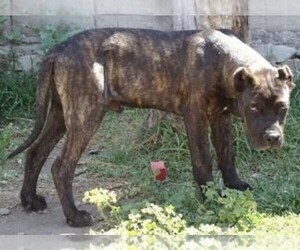
Gran Mastin de Borinquen (Puerto Rican Mastiff)
Protective
Size
What Experts Say About the Gran Mastin de Borinquen (Puerto Rican Mastiff)
I'd rate the "Protective" trait of the Gran Mastin de Borinquen at a 9.This breed is a natural guardian, deeply loyal to its family and possessing strong territorial instincts. Their imposing size, combined with a watchful and alert nature, makes them highly effective deterrents. They are naturally suspicious of strangers and will not hesitate to place themselves between their loved ones and any perceived threat. While they are affectionate companions within their family, their primary historical purpose was protection, and they are absolutely capable of offering meaningful, formidable protection in a household setting, making them more than just a companion dog.
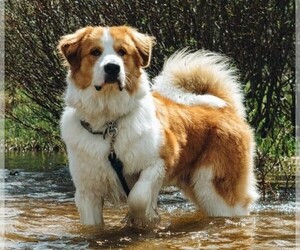
Great Bernese
Primary Breed
Bernese Mountain Dog
Secondary Breed
Great Pyrenees
Protective
Size
What Experts Say About the Great Bernese
I would rate the "Protective" trait of the Great Bernese a 9 out of 10.This rating reflects the inherent protective instincts inherited from both parent breeds, making them highly capable guardians. The Great Bernese will exhibit a strong degree of alertness, often noticing anything out of the ordinary in their environment and reacting with deep, resonant barks. Their territorial instincts are significant; they will view their home and family as their domain to defend, and while not overtly aggressive, their imposing size and watchful demeanor are usually enough to deter most intruders. Loyalty to their owners is paramount, and they form incredibly strong bonds, making them fiercely dedicated to their family's safety. Their reaction to strangers is typically one of reserved caution; they will observe new people carefully and, if they perceive a threat, will place themselves between their family and the perceived danger. While generally good-natured with people they know and accept, they are not easily fooled or swayed by strangers. This makes them exceptionally suitable as both a watchdog, reliably alerting to any unusual activity, and a guard dog, possessing the physical presence and courage to offer meaningful protection in a household setting. They are far more than just a companion dog; while affectionate and loving with their family, their primary historical purpose, especially from the Great Pyrenees side, was to guard livestock, and this protective drive translates strongly to their human family.
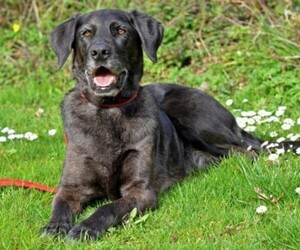
Great Pyredane
Primary Breed
Great Dane
Secondary Breed
Great Pyrenees
Protective
Size
What Experts Say About the Great Pyredane
I would rate the "Protective" trait of the Great Pyredane at an 8 out of 10.This rating stems from the strong protective instincts inherited from both parent breeds. The Great Pyrenees is renowned for its vigilant and territorial nature, historically guarding livestock against predators. This translates into a strong awareness of its surroundings and a natural inclination to view its home and family as its flock to protect. The Great Dane, while often perceived as a gentle giant, is also incredibly loyal and will stand up for its family if it perceives a threat, though it tends to be less overtly territorial than the Pyr.The Great Pyredane typically exhibits a high degree of alertness and will readily notice anything out of the ordinary, often letting out a deep, booming bark to signal an intrusion. Their size alone is a significant deterrent. They are fiercely loyal to their owners and tend to be wary of strangers, often maintaining a watchful distance until they deem a person trustworthy. This breed is definitely capable of offering meaningful protection in a household setting, acting as both an excellent watchdog due to their alertness and a formidable guard dog due to their size, courage, and inherent protective drive. While they are undoubtedly loving companion dogs to their families, their protective instincts are deeply ingrained and they are fully capable of moving beyond mere companionship to actively defend their loved ones and territory.
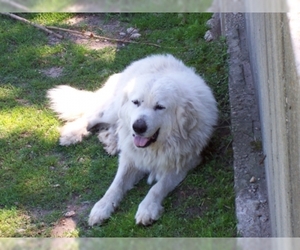
Great Pyrenees
Protective
Size
What Experts Say About the Great Pyrenees
I would rate the "Protective" trait of the Great Pyrenees breed a 9 out of 10.The Great Pyrenees were originally bred to guard livestock, and this inherent protective instinct translates powerfully to a household setting. They are incredibly alert, possessing a keen awareness of their surroundings and a low tolerance for anything they perceive as a threat to their "flock" (their family). Their territorial instincts are highly developed; they will patrol their designated space and actively deter intruders, often starting with a deep, authoritative bark that serves as a significant warning. Their loyalty to their owners is unwavering, forming a powerful bond that fuels their desire to keep them safe.Regarding strangers, they are typically reserved and watchful rather than immediately aggressive. They will assess the situation, often placing themselves between their family and the stranger. If the stranger poses no threat and is welcomed by theones they are protecting, they will generally accept them. However, if they perceive any suspicious behavior or intent, their protective instincts will kick in, becoming a formidable presence.While they are undoubtedly loving and gentle companion dogs to their families, the Great Pyrenees are absolutely capable of offering meaningful protection in a household setting. Their imposing size, deep bark, and resolute nature make them excellent watchdogs and can act as a significant deterrent. While they may not be the first breed you'd think of as an attack dog (their primary method is deterrence and intervention rather than unprovoked aggression), their sheer presence and willingness to stand their ground provide a powerful layer of security that far exceeds that of a typical companion animal. They are not merely "alert barkers"; they are serious guardians.
Greater Swiss Rottweiler
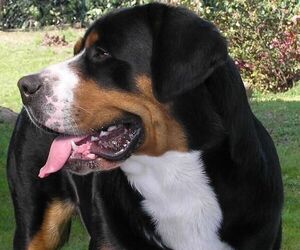
Primary Breed
Greater Swiss Mountain Dog
Secondary Breed
Rottweiler
Protective
Size
What Experts Say About the Greater Swiss Rottweiler
I'd rate the "Protective" trait of the Greater Swiss Rottweiler at an 8.This breed inherits strong protective instincts from both parent breeds. The Rottweiler is renowned for its guarding abilities, courage, and unwavering loyalty, while the Greater Swiss Mountain Dog also possesses a watchful nature, a strong sense of territory, and a deep devotion to its family. This combination results in a highly alert dog that is acutely aware of its surroundings. They will typically be reserved with strangers, evaluating new individuals carefully. Their territorial instincts are pronounced, making them excellent watchdogs who will reliably alert their owners to anything unusual. Due to their size, strength, and inherent protective drive, they are certainly capable of offering meaningful protection in a household setting, acting as a deterrent and a formidable guard dog if necessary. While deeply loyal and affectionate with their family, their protective nature means they are more than just a companion dog and should be properly socialized and trained to channel their guarding instincts appropriately.
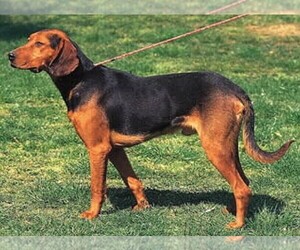
Greek Hound (Hellenikos Ichnilatis)
Protective
Size
What Experts Say About the Greek Hound (Hellenikos Ichnilatis)
I would rate the "Protective" trait of the Greek Hound (Hellenikos Ichnilatis) as a 6 out of 10.While the Greek Hound possesses inherent loyalty to its owners and a good level of alertness, particularly to unusual sounds or presences, its protective instincts are more geared towards warning and deterrence than active, physical guarding. They are not typically aggressive dogs and are usually friendly, though sometimes reserved, with strangers once properly introduced by their owner. Their territorial instincts are present but not overwhelmingly strong to the point of being a dedicated guard dog. They are certainly capable of being excellent watchdogs, alerting their household to intruders with their bark. However, their primary role throughout history has been a hunting companion, and while they are loyal and will stand by their family, they are generally not considered a breed that would offer the "meaningful protection" of a dedicated protection or guard dog. They are more of a companion dog that will make you aware of potential threats rather than actively engaging to prevent them.
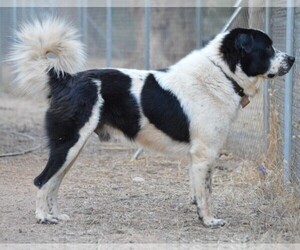
Greek Sheepdog
Protective
Size
What Experts Say About the Greek Sheepdog
I'd rate the "Protective" trait of the Greek Sheepdog a 9 out of 10.These dogs are bred for guarding livestock, and that instinct translates directly into a formidable protectiveness over their human families and property. Their alertness is exceptional; they are constantly aware of their surroundings and any changes within them. Their territorial instincts are very strong, readily identifying and defending their established boundaries. Loyalty to their owners is paramount; they form deep bonds and view their human family as their flock to be protected. Their reaction to strangers is typically reserved and wary, often accompanied by a deep, resonant bark that serves as a powerful deterrent. They are not dogs that will readily make friends with newcomers. While they can be affectionate companions within their immediate family, they are absolutely capable of offering meaningful protection in a household setting, making them excellent watchdogs and effective guard dogs due to their size, courage, and unwavering dedication to their protective role. They are far more than just companion dogs; they are working protectors by nature.
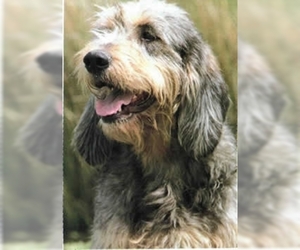
Griffon Nivernais
Protective
Size
What Experts Say About the Griffon Nivernais
I'd rate the "Protective" trait of the Griffon Nivernais breed a 6 out of 10.While inherently a scent hound bred for hunting, the Griffon Nivernais does possess a degree of protective instinct, primarily stemming from its alertness and loyalty. They are generally vigilant and will certainly bark to alert their owners to anything unusual, making them good watchdogs in terms of noise. Their territorial instincts are present but not aggressive; they'll certainly let you know if someone is on their property. They form strong bonds with their families and are very loyal, which translates into a desire to keep their loved ones safe.However, their protective nature is more about alertness and deterrence through noise rather than active confrontation. Their primary drive is to follow a scent and hunt, not to guard. While they might appear imposing due to their shaggy coat and medium-to-large size, they are not typically aggressive or prone to biting strangers unless truly provoked or feeling their family is in direct, imminent danger. They are generally friendly once they've assessed a new person isn't a threat, especially if properly socialized. Therefore, while they make an excellent alarm system and a very devoted companion, they are more of a companion dog with watchdog capabilities than a breed capable of offering meaningful physical protection against an intruder beyond barking and potentially deterring a less determined individual. They are not a true guard dog in the sense of actively engaging or subduing a threat.
Hairless Khala
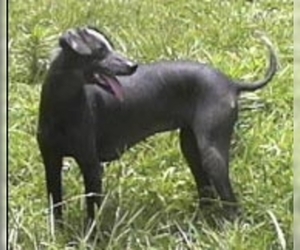
Protective
Size
What Experts Say About the Hairless Khala
I'd rate the "Protective" trait of the Hairless Khala at a 5.While the Hairless Khala is known for its alertness and loyalty to its owners, and will certainly bark to announce the presence of strangers, its protective instincts are more in line with that of a vigilant companion dog rather than a serious guard dog. They are territorial to a degree, especially within their own home, and will express their disapproval of perceived threats with their voice. However, their physical stature and temperament generally lean towards being more of an alarm system than a dog capable of physically deterring or apprehending an intruder. They are deeply bonded with their families and would likely put themselves in harm's way for them, but their effectiveness in a confrontational situation beyond sounding the alarm is limited. They are excellent watchdogs due to their keen senses and vocal nature, but not guard dogs. Therefore, they offer meaningful *early warning* and *companion-level* protection, but not the robust physical protection associated with breeds specifically bred for guarding.
Hellenic Hound
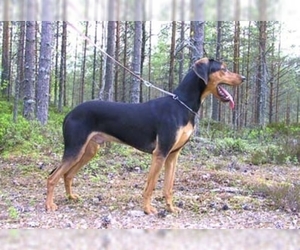
Protective
Size
What Experts Say About the Hellenic Hound
I would rate the Hellenic Hound's "Protective" trait at an 8.This breed is notably alert and possesses strong territorial instincts, stemming from its history as a hunting dog that would often work independently or in small packs, requiring a keen awareness of its surroundings. They are deeply loyal to their owners, a characteristic common in hounds that form strong bonds with their human companions. While not inherently aggressive, their reaction to strangers is typically one of wariness and caution; they will observe and may bark to signal an unfamiliar presence. This combination of traits makes them excellent watchdogs, reliably alerting their household to intruders or unusual activity. Furthermore, their size, powerful bark, and inherent courage mean they are capable of offering meaningful protection in a household setting, acting as a deterrent and potentially intervening if a threat persists. They are more than just a companion dog; while affectionate with their families, their protective instincts are well-developed, making them suitable for roles requiring a vigilant guardian.